Graduate Tax Could Replace ‘Doomed’ Student Loans, Says Ex-Watchdog
Graduate Tax Could Replace ‘Doomed’ Student Loans, Says Ex-Watchdog
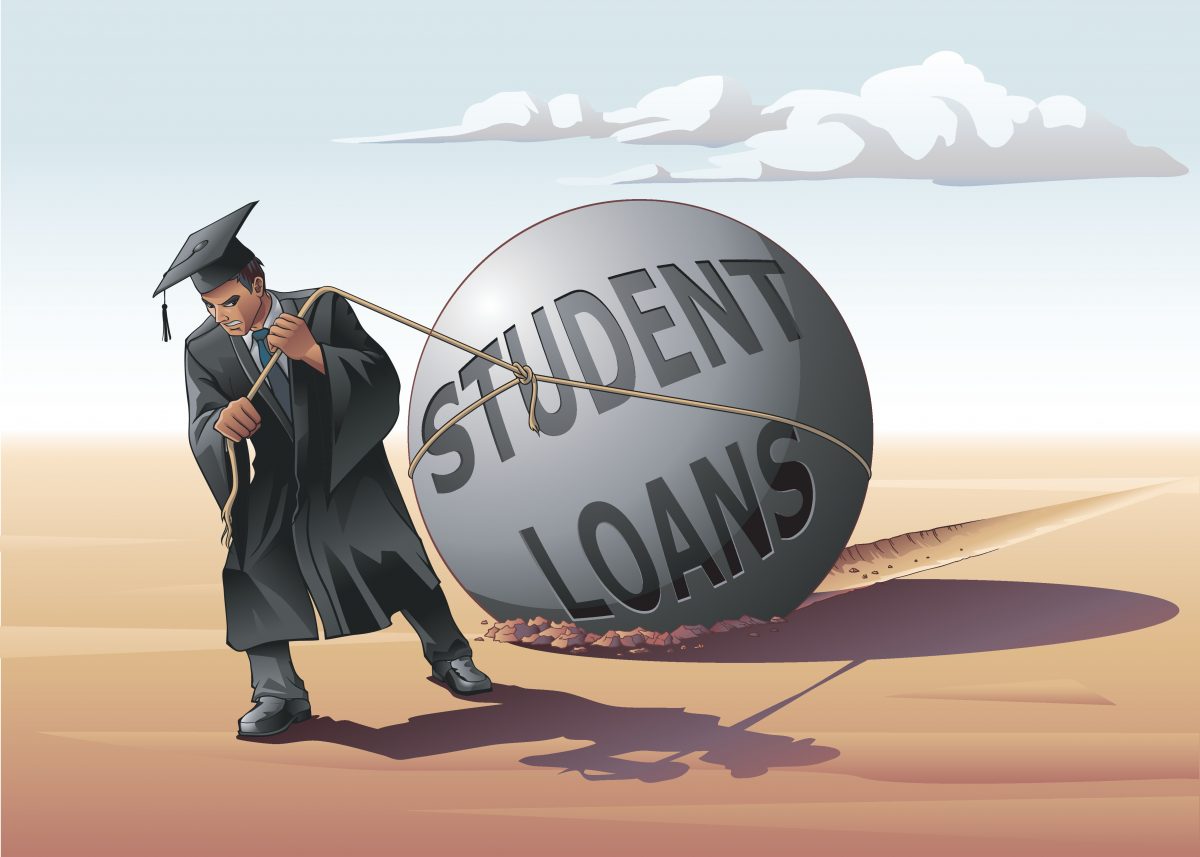
Imagine the relief of securing your first professional role, only to be immediately overshadowed by the grim reality of a £60,000+ debt figure that seems to grow faster than you can repay it. This scenario is all too common for UK graduates navigating the current higher education funding system.
For years, critics have argued that the student loan structure is fundamentally broken—a punitive arrangement that financially cripples millions while creating an unsustainable fiscal burden for the taxpayer. Now, a high-profile intervention from a former education funding chief has intensified the crisis, declaring the entire student loan architecture officially "doomed."
This powerful figure is calling for the swift abolition of the loan system, advocating instead for a stable, progressive Graduate Tax that shifts the focus from individual debt to collective investment in future talent. This proposal marks the most significant challenge yet to the existing student finance model.
The Verdict: Why the Current Student Loan System is ‘Doomed’
The bombshell assessment comes from Sir Howard Newby, the former Chief Executive of the Higher Education Funding Council for England (HEFCE). With deep insight into the mechanics of higher education funding, Sir Howard argued that the system—designed to privatize the cost of tuition fees—has spectacularly failed to deliver fiscal stability or fairness.
The core issue revolves around the economic reality of debt write-offs. Despite the headline cost of tuition fees being borne by students through loans, official government forecasts estimate that a staggering proportion of this debt—often exceeding 50%—is never expected to be repaid. This failure creates a massive, hidden fiscal black hole.
For graduates, the burden is characterized by complexity and fear. The combination of high interest rates, often significantly above commercial lending rates, and confusing repayment thresholds means that many lower- and middle-earning graduates see their loan balance actively growing, even while they are making monthly contributions. This structural flaw pushes the debt into an astronomical category, creating a psychological weight rather than a viable financial product.
Sir Howard's critique highlights several critical points demonstrating the system’s unsustainability:
- The Erosion of Value: The real-terms value of the vital maintenance loan component has steadily decreased, exacerbating inequality and increasing reliance on parental wealth.
- Fiscal Instability: The unpredictable nature of repayment rates and the high rate of write-offs make long-term public finance planning extraordinarily difficult for the Treasury.
- Punitive Interest: Interest rates are often set not to reflect the cost of borrowing but as a political tool, leading to debt accumulation that feels unfair and unjustified to borrowers.
- Opaque Structure: The complexity of the repayment system ensures that the true cost and ultimate outcome remain opaque for prospective students, hindering informed decision-making about their investment in higher education.
In essence, the system attempts to operate as a commercial loan while functioning more like a poorly targeted subsidy, leading Sir Howard to conclude that the current architecture is simply untenable and must be replaced entirely by a clear, progressive mechanism.
Transitioning to Fairness: How the Graduate Tax Would Function
The proposed Graduate Tax (GT) is a radical departure from the existing model, eliminating the concept of principal debt altogether. Instead, it operates as a dedicated, mandatory income levy, applied directly through the existing income tax infrastructure.
Under this system, a graduate would never face a mounting debt figure. Instead, they would contribute a fixed, low percentage of their earnings above a defined income threshold. This contribution continues either for the duration of their working life or until a predefined maximum collective contribution to the higher education funding pool is reached.
The shift from 'debt' to 'contribution' is not merely semantic; it fundamentally alters the financial landscape for young people and provides crucial stability for educational institutions. The GT model offers significant advantages over the current student loan repayment system:
- No Debt Burden: The substantial psychological and financial weight associated with five-figure loans is immediately removed.
- Genuine Progressivity: Contributions are strictly proportional to income. Those who benefit most financially from their degree contribute the most, aligning contributions perfectly with earnings capacity.
- Administrative Simplicity: Collection is handled automatically by HMRC alongside Income Tax and National Insurance, removing the need for the costly and complex Student Loans Company operation.
- Elimination of Interest Rates: Since it is a tax, the politically sensitive and often confusing calculation of interest rates is scrapped, promoting transparency.
Crucially, the Graduate Tax refocuses the funding model from a transaction between an individual and a lender to a societal investment. It ensures that higher education is viewed as a public good from which the entire economy benefits, justifying the collective contribution from successful graduates.
The proposal addresses one of the most painful aspects of the current system: the penalty against lower- and middle-earning graduates. By ensuring contributions cease entirely if income falls below the threshold, the Graduate Tax protects those who pursue valuable, yet lower-paid, professions, or those who experience fluctuating incomes.
The Cost of Change: Political Challenges and Economic Implications
While the Graduate Tax offers obvious benefits in terms of fairness and transparency, implementing such a sweeping change to educational finance presents daunting political and economic challenges. The transition necessitates an answer to the core question: Who covers the immediate funding gap?
Universities are deeply concerned about any proposal that disrupts their current funding stream. Under the loan system, tuition fees are paid upfront to the institutions, providing predictable annual revenue. A shift to a GT model means university funding would become entirely dependent on government grants funded by the tax, potentially making higher education vulnerable to the whims of political budgeting and future austerity cuts.
Furthermore, the debate quickly turns to 'tax fatigue' and the equity for high earners. Adding another specific levy on top of existing progressive taxation might prove unpopular, potentially leading to brain drain if highly skilled, high-earning graduates feel disproportionately penalized by having to contribute for the entirety of their careers.
Under the existing loan system, high earners eventually clear their debt, typically within 20-30 years, and stop paying. Under a lifetime Graduate Tax model, these individuals could contribute significantly more than the cost of their education, subsidizing the overall system indefinitely. This is the most politically contentious element, pitting the principle of redistribution against individual cost recovery.
Opponents of the GT also argue that relying solely on graduate earnings to fund universities could lead to institutional focus shifting excessively toward maximizing graduate salaries rather than pursuing academic diversity or vital, lower-paid research areas.
However, proponents counter that the current system's fiscal instability—the massive hidden cost of debt write-offs—is already a far greater liability. They argue that the transparency and inherent progressivity of the Graduate Tax provide the only realistic path toward a sustainable, long-term educational finance model that reduces the financial pressure on the public purse while supporting students.
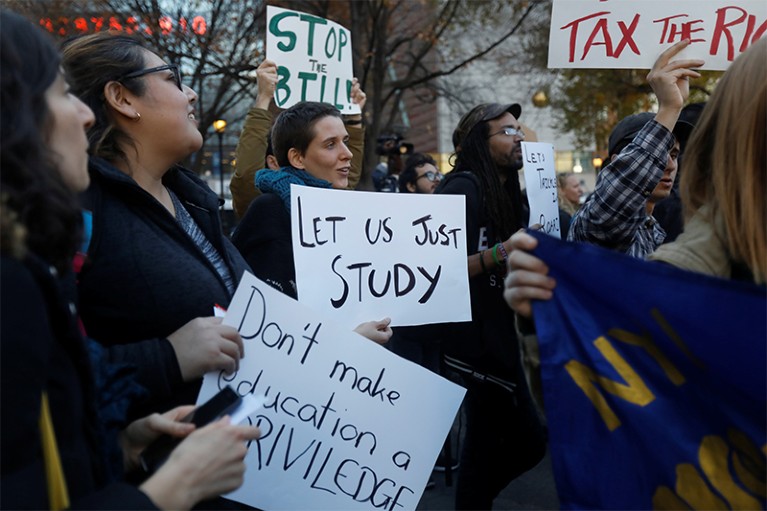
The push by influential figures like Sir Howard Newby underscores a growing consensus that the student loan architecture is nearing breaking point. As policymakers grapple with soaring debt figures and rising student dissatisfaction, the choice is becoming stark: continue managing a "doomed" system or embrace radical reform.
The debate is no longer about minor adjustments to interest rates or repayment thresholds. It is a necessary confrontation with the fundamental structure of educational finance, aiming to establish a viable funding model that secures the future of higher education while alleviating the crushing burden of debt on the next generation.
Graduate tax could replace ‘doomed’ student loans, says ex-watchdog
Graduate tax could replace ‘doomed’ student loans, says ex-watchdog Wallpapers
Collection of graduate tax could replace ‘doomed’ student loans, says ex-watchdog wallpapers for your desktop and mobile devices.

Artistic Graduate Tax Could Replace ‘doomed’ Student Loans, Says Ex-watchdog Picture Concept
This gorgeous graduate tax could replace ‘doomed’ student loans, says ex-watchdog photo offers a breathtaking view, making it a perfect choice for your next wallpaper.

Crisp Graduate Tax Could Replace ‘doomed’ Student Loans, Says Ex-watchdog Image for Mobile
Find inspiration with this unique graduate tax could replace ‘doomed’ student loans, says ex-watchdog illustration, crafted to provide a fresh look for your background.

Captivating Graduate Tax Could Replace ‘doomed’ Student Loans, Says Ex-watchdog View for Your Screen
This gorgeous graduate tax could replace ‘doomed’ student loans, says ex-watchdog photo offers a breathtaking view, making it a perfect choice for your next wallpaper.

Lush Graduate Tax Could Replace ‘doomed’ Student Loans, Says Ex-watchdog Image in 4K
Immerse yourself in the stunning details of this beautiful graduate tax could replace ‘doomed’ student loans, says ex-watchdog wallpaper, designed for a captivating visual experience.

Serene Graduate Tax Could Replace ‘doomed’ Student Loans, Says Ex-watchdog Abstract Digital Art
Transform your screen with this vivid graduate tax could replace ‘doomed’ student loans, says ex-watchdog artwork, a true masterpiece of digital design.
Gorgeous Graduate Tax Could Replace ‘doomed’ Student Loans, Says Ex-watchdog Landscape for Desktop
This gorgeous graduate tax could replace ‘doomed’ student loans, says ex-watchdog photo offers a breathtaking view, making it a perfect choice for your next wallpaper.

Exquisite Graduate Tax Could Replace ‘doomed’ Student Loans, Says Ex-watchdog Image Collection
This gorgeous graduate tax could replace ‘doomed’ student loans, says ex-watchdog photo offers a breathtaking view, making it a perfect choice for your next wallpaper.
Spectacular Graduate Tax Could Replace ‘doomed’ Student Loans, Says Ex-watchdog Scene for Desktop
A captivating graduate tax could replace ‘doomed’ student loans, says ex-watchdog scene that brings tranquility and beauty to any device.
Vibrant Graduate Tax Could Replace ‘doomed’ Student Loans, Says Ex-watchdog Design Digital Art
Experience the crisp clarity of this stunning graduate tax could replace ‘doomed’ student loans, says ex-watchdog image, available in high resolution for all your screens.
/cdn.vox-cdn.com/uploads/chorus_asset/file/9781671/aparkin_171129_2167_0023.jpg "Detailed Graduate Tax Could Replace ‘doomed’ Student Loans, Says Ex-watchdog View for Desktop")
Detailed Graduate Tax Could Replace ‘doomed’ Student Loans, Says Ex-watchdog View for Desktop
Discover an amazing graduate tax could replace ‘doomed’ student loans, says ex-watchdog background image, ideal for personalizing your devices with vibrant colors and intricate designs.

Exquisite Graduate Tax Could Replace ‘doomed’ Student Loans, Says Ex-watchdog Wallpaper Illustration
A captivating graduate tax could replace ‘doomed’ student loans, says ex-watchdog scene that brings tranquility and beauty to any device.

Exquisite Graduate Tax Could Replace ‘doomed’ Student Loans, Says Ex-watchdog Wallpaper for Your Screen
Find inspiration with this unique graduate tax could replace ‘doomed’ student loans, says ex-watchdog illustration, crafted to provide a fresh look for your background.
%2Fcdn.vox-cdn.com%2Fuploads%2Fchorus_asset%2Ffile%2F16102352%2Fstudent_loans_e1531446236977.jpeg "Lush Graduate Tax Could Replace ‘doomed’ Student Loans, Says Ex-watchdog Design Art")
Lush Graduate Tax Could Replace ‘doomed’ Student Loans, Says Ex-watchdog Design Art
This gorgeous graduate tax could replace ‘doomed’ student loans, says ex-watchdog photo offers a breathtaking view, making it a perfect choice for your next wallpaper.

Amazing Graduate Tax Could Replace ‘doomed’ Student Loans, Says Ex-watchdog Background Nature
Transform your screen with this vivid graduate tax could replace ‘doomed’ student loans, says ex-watchdog artwork, a true masterpiece of digital design.

Serene Graduate Tax Could Replace ‘doomed’ Student Loans, Says Ex-watchdog Wallpaper for Your Screen
Experience the crisp clarity of this stunning graduate tax could replace ‘doomed’ student loans, says ex-watchdog image, available in high resolution for all your screens.
Amazing Graduate Tax Could Replace ‘doomed’ Student Loans, Says Ex-watchdog Landscape for Desktop
Transform your screen with this vivid graduate tax could replace ‘doomed’ student loans, says ex-watchdog artwork, a true masterpiece of digital design.
Exquisite Graduate Tax Could Replace ‘doomed’ Student Loans, Says Ex-watchdog View Photography
A captivating graduate tax could replace ‘doomed’ student loans, says ex-watchdog scene that brings tranquility and beauty to any device.
Spectacular Graduate Tax Could Replace ‘doomed’ Student Loans, Says Ex-watchdog Artwork Digital Art
Immerse yourself in the stunning details of this beautiful graduate tax could replace ‘doomed’ student loans, says ex-watchdog wallpaper, designed for a captivating visual experience.

Beautiful Graduate Tax Could Replace ‘doomed’ Student Loans, Says Ex-watchdog Moment Art
Explore this high-quality graduate tax could replace ‘doomed’ student loans, says ex-watchdog image, perfect for enhancing your desktop or mobile wallpaper.

Gorgeous Graduate Tax Could Replace ‘doomed’ Student Loans, Says Ex-watchdog Landscape Photography
A captivating graduate tax could replace ‘doomed’ student loans, says ex-watchdog scene that brings tranquility and beauty to any device.
Download these graduate tax could replace ‘doomed’ student loans, says ex-watchdog wallpapers for free and use them on your desktop or mobile devices.