Nasa has no way to stop city-killer asteroids: ‘It keeps me up at night’
Nasa has no way to stop city-killer asteroids: ‘It keeps me up at night’
The shocking admission came not from a doomsday prepper, but from the highest levels of space defense coordination. NASA, the world’s leading space agency, currently lacks a viable, ready-to-deploy system capable of intercepting and neutralizing an asteroid large enough to wipe out a major metropolitan area—a "city-killer"—if the warning time is short.
For years, Hollywood has painted a comforting picture: experts identify the threat, astronauts drill a hole, deploy a nuclear device, and humanity is saved. The reality, according to experts within NASA’s Planetary Defense Coordination Office (PDCO), is far more terrifyingly mundane: we are largely unprepared for a high-speed orbital intruder.
Dr. Alan Finch, a respected astrophysicist and former consultant on Near-Earth Objects (NEOs), recently voiced the collective anxiety of the defense community: "We have phenomenal detection capabilities, but detection is only half the battle. If a 300-meter rock were spotted six months out, heading for the Eastern Seaboard? We have no rapid deployment mission on the shelf. That fact keeps me up at night."
This admission underscores a critical vulnerability in planetary defense efforts and highlights a massive gap between scientific knowledge and operational readiness.
The Scope of the Threat: Defining 'City-Killers' and Orbital Roulette
When experts discuss "city-killer" asteroids, they aren't talking about extinction-level events like the massive impactor that wiped out the dinosaurs 66 million years ago. Those kilometer-plus sized threats are mostly mapped and tracked. The immediate danger lies in the mid-sized category.
A true city-killer typically ranges between 100 meters and 1 kilometer in diameter. These objects are common, often poorly tracked, and capable of inflicting regional devastation far beyond human comprehension. An impact from an asteroid in the 300-meter range could release kinetic energy equivalent to thousands of megatons of TNT.
Consider the 1908 Tunguska event in Siberia. Although it was likely caused by a smaller object (estimated 50-100 meters across), it flattened 2,000 square kilometers of forest. Had that event occurred over a major city like London or New York, the casualty count would have been catastrophic, likely in the millions.
The problem is statistical. Astronomers have cataloged over 90% of the largest, mile-wide Near-Earth Objects (NEOs). However, the vast majority of the "city-killer" range remains largely untracked, hiding in the dark, non-illuminated skies. These smaller, dimmer objects are the true threats that slip through current surveillance gaps.
Furthermore, an asteroid only needs to perturb its orbit slightly to shift from a harmless path to a collision course. Due to orbital mechanics, these objects often approach from the direction of the Sun, making ground-based detection extremely difficult until they are dangerously close.
The primary characteristics that define the danger:
- Size Range: 100 meters to 1 kilometer diameter.
- Frequency: Impacts from 100-meter objects occur roughly every few hundred to few thousand years.
- Warning Time: Often less than 1 year, sometimes only months or weeks, which is insufficient for current mitigation techniques.
- Damage Potential: Capable of flattening areas the size of small US states, triggering tsunamis, or initiating nuclear winter effects locally.
The Blunt Truth: Why Planetary Defense Lacks Rapid Response Capability
NASA and its international partners, including the European Space Agency (ESA), have made significant strides in defining the threat, but they have failed to move from theoretical concepts to practical, mission-ready hardware designed for fast deployment.
Mitigation strategies generally fall into two categories: slow push (gentle nudges over decades) and brute force (kinetic impact or nuclear option). Both require extensive preparation and, crucially, long lead times.
The Challenge of Deflection
Deflecting a large, fast-moving asteroid is an incredibly complex engineering challenge. You don't want to destroy it; you want to gently push it off course. If you smash it, you simply replace one large threat with thousands of radioactive, fast-moving pieces—a much worse scenario.
Current proven technology, like the kinetic impactor used in the DART mission, is designed to slightly change the asteroid's velocity, thereby altering its orbital period. DART was a proof of concept, successfully striking the small, harmless Dimorphos asteroid. However, DART’s mission was planned years in advance, targeting an asteroid that posed no threat, and the target object was relatively small.
For a 300-meter object on an immediate collision course, the existing methods fall short:
- Kinetic Impactors: Require too much time for manufacturing, launch, and travel. The larger the asteroid, the more impactors are needed, or the earlier the strike must occur.
- Gravity Tractor: Uses the weak gravitational pull of a spacecraft to nudge the asteroid. This process takes decades, rendering it useless for sudden threats.
- Nuclear Options: While often the last resort, international treaties heavily restrict the deployment of nuclear devices in space. Furthermore, the physics of successfully using a nuclear explosion to *deflect* (rather than fragment) an asteroid requires precise calculations and extreme deployment technology that is not currently standardized or ready.
The core issue is funding priority. While billions are spent on deep space exploration, the budget for establishing and maintaining a rapid-deployment defense fleet—one that could sit on standby, pre-fueled and ready to launch within 30 days—is simply not allocated.
The Clock is Ticking: Detection Efforts vs. Mitigation Reality
While mitigation lags, the detection game is slowly improving. NASA’s Planetary Defense Coordination Office relies heavily on global observatories and specific survey missions to track Near-Earth Objects (NEOs).
The forthcoming NEO Surveyor mission, a space-based telescope designed to look for dimmer, smaller objects that ground telescopes often miss, is expected to close the detection gap significantly. Once operational, it will catalog many of the smaller NEOs that represent the city-killer class of threat. But what happens once they are found?
The dilemma is known as the "Discovery-Mitigation Gap." We are rapidly entering an era where we will discover more threats, but we will have no immediate technological answer for those discovered late.
If an object is discovered two years before impact, there might be just enough time to construct and launch a mission. If it is discovered six months before impact, the world faces a near-impossible logistical hurdle. Building and fueling a reliable heavy-lift rocket, designing the mission trajectory, and ensuring the success of the deflection maneuver all require months of intense work.
In a true six-month crisis scenario, NASA officials confirm that their primary role would shift from prevention to civil defense coordination, guiding governments on evacuation zones and preparing for a massive impact event. This terrifying pivot from saving the world to managing its destruction is the existential fear driving planetary defense specialists.
The current lack of a "Plan B" or an emergency rapid response vessel means that the fate of millions hinges entirely on the successful deployment of new, heavily funded projects and, critically, enough advance warning time to execute them.
Experts urge immediate global collaboration and investment in specific areas to close this dangerous capability gap:
- Standardized Launch Platforms: Dedicated, pre-built launcher infrastructure ready for immediate asteroid defense payload integration.
- High-Thrust Propulsion: Development of spacecraft propulsion systems capable of reaching interception points much faster than conventional chemical rockets.
- International Coordination Treaties: Establishing protocols for the immediate deployment of kinetic impactors or, if absolutely necessary, nuclear deflection technologies across international agencies without bureaucratic delay.
- Continuous Surveillance: Full funding and rapid deployment of space-based infrared telescopes like NEO Surveyor to ensure no major object escapes detection.
The threat is real, measurable, and guaranteed to occur at some point in the future. The candid admission that NASA has no immediate solution for a short-notice city-killer is a stark wake-up call, demanding that planetary defense transition from a scientific curiosity to a top-tier, globally funded security imperative.
Nasa has no way to stop city-killer asteroids: ‘It keeps me up at night’
Nasa has no way to stop city-killer asteroids: ‘It keeps me up at night’ Wallpapers
Collection of nasa has no way to stop city-killer asteroids: ‘it keeps me up at night’ wallpapers for your desktop and mobile devices.

Vivid Nasa Has No Way To Stop City-killer Asteroids: ‘it Keeps Me Up At Night’ Picture for Mobile
Transform your screen with this vivid nasa has no way to stop city-killer asteroids: ‘it keeps me up at night’ artwork, a true masterpiece of digital design.
Breathtaking Nasa Has No Way To Stop City-killer Asteroids: ‘it Keeps Me Up At Night’ Artwork Illustration
Transform your screen with this vivid nasa has no way to stop city-killer asteroids: ‘it keeps me up at night’ artwork, a true masterpiece of digital design.
Lush Nasa Has No Way To Stop City-killer Asteroids: ‘it Keeps Me Up At Night’ Design Collection
A captivating nasa has no way to stop city-killer asteroids: ‘it keeps me up at night’ scene that brings tranquility and beauty to any device.
Dynamic Nasa Has No Way To Stop City-killer Asteroids: ‘it Keeps Me Up At Night’ Picture for Your Screen
Find inspiration with this unique nasa has no way to stop city-killer asteroids: ‘it keeps me up at night’ illustration, crafted to provide a fresh look for your background.

Lush Nasa Has No Way To Stop City-killer Asteroids: ‘it Keeps Me Up At Night’ View Collection
A captivating nasa has no way to stop city-killer asteroids: ‘it keeps me up at night’ scene that brings tranquility and beauty to any device.

Mesmerizing Nasa Has No Way To Stop City-killer Asteroids: ‘it Keeps Me Up At Night’ Abstract for Mobile
Explore this high-quality nasa has no way to stop city-killer asteroids: ‘it keeps me up at night’ image, perfect for enhancing your desktop or mobile wallpaper.

Vivid Nasa Has No Way To Stop City-killer Asteroids: ‘it Keeps Me Up At Night’ Abstract Collection
Transform your screen with this vivid nasa has no way to stop city-killer asteroids: ‘it keeps me up at night’ artwork, a true masterpiece of digital design.
Breathtaking Nasa Has No Way To Stop City-killer Asteroids: ‘it Keeps Me Up At Night’ Image for Your Screen
Experience the crisp clarity of this stunning nasa has no way to stop city-killer asteroids: ‘it keeps me up at night’ image, available in high resolution for all your screens.

Beautiful Nasa Has No Way To Stop City-killer Asteroids: ‘it Keeps Me Up At Night’ Landscape Photography
Transform your screen with this vivid nasa has no way to stop city-killer asteroids: ‘it keeps me up at night’ artwork, a true masterpiece of digital design.
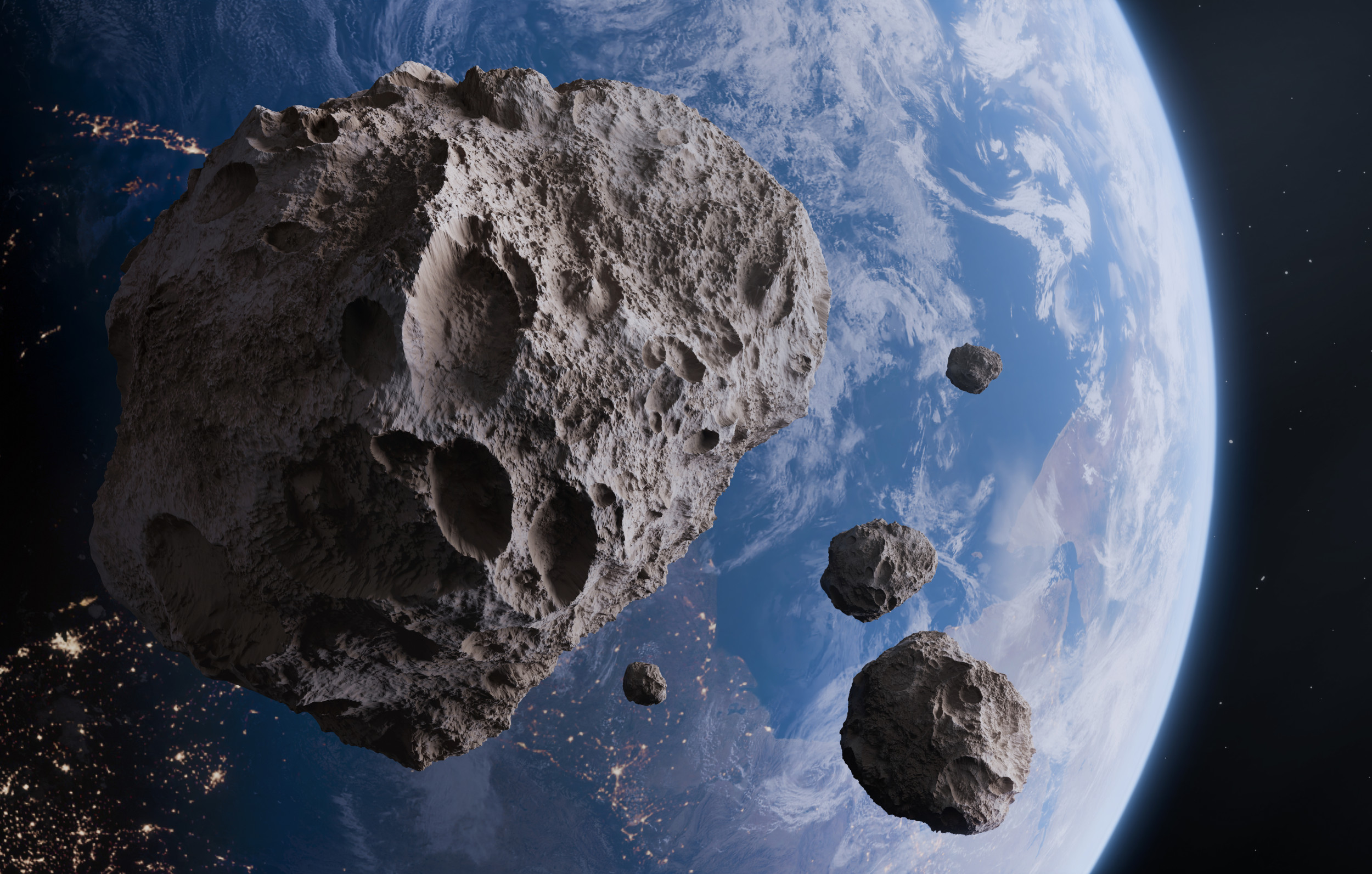
Breathtaking Nasa Has No Way To Stop City-killer Asteroids: ‘it Keeps Me Up At Night’ Landscape for Desktop
Discover an amazing nasa has no way to stop city-killer asteroids: ‘it keeps me up at night’ background image, ideal for personalizing your devices with vibrant colors and intricate designs.

Stunning Nasa Has No Way To Stop City-killer Asteroids: ‘it Keeps Me Up At Night’ Scene for Mobile
This gorgeous nasa has no way to stop city-killer asteroids: ‘it keeps me up at night’ photo offers a breathtaking view, making it a perfect choice for your next wallpaper.

Vibrant Nasa Has No Way To Stop City-killer Asteroids: ‘it Keeps Me Up At Night’ Capture Concept
Explore this high-quality nasa has no way to stop city-killer asteroids: ‘it keeps me up at night’ image, perfect for enhancing your desktop or mobile wallpaper.
Lush Nasa Has No Way To Stop City-killer Asteroids: ‘it Keeps Me Up At Night’ Capture in 4K
A captivating nasa has no way to stop city-killer asteroids: ‘it keeps me up at night’ scene that brings tranquility and beauty to any device.
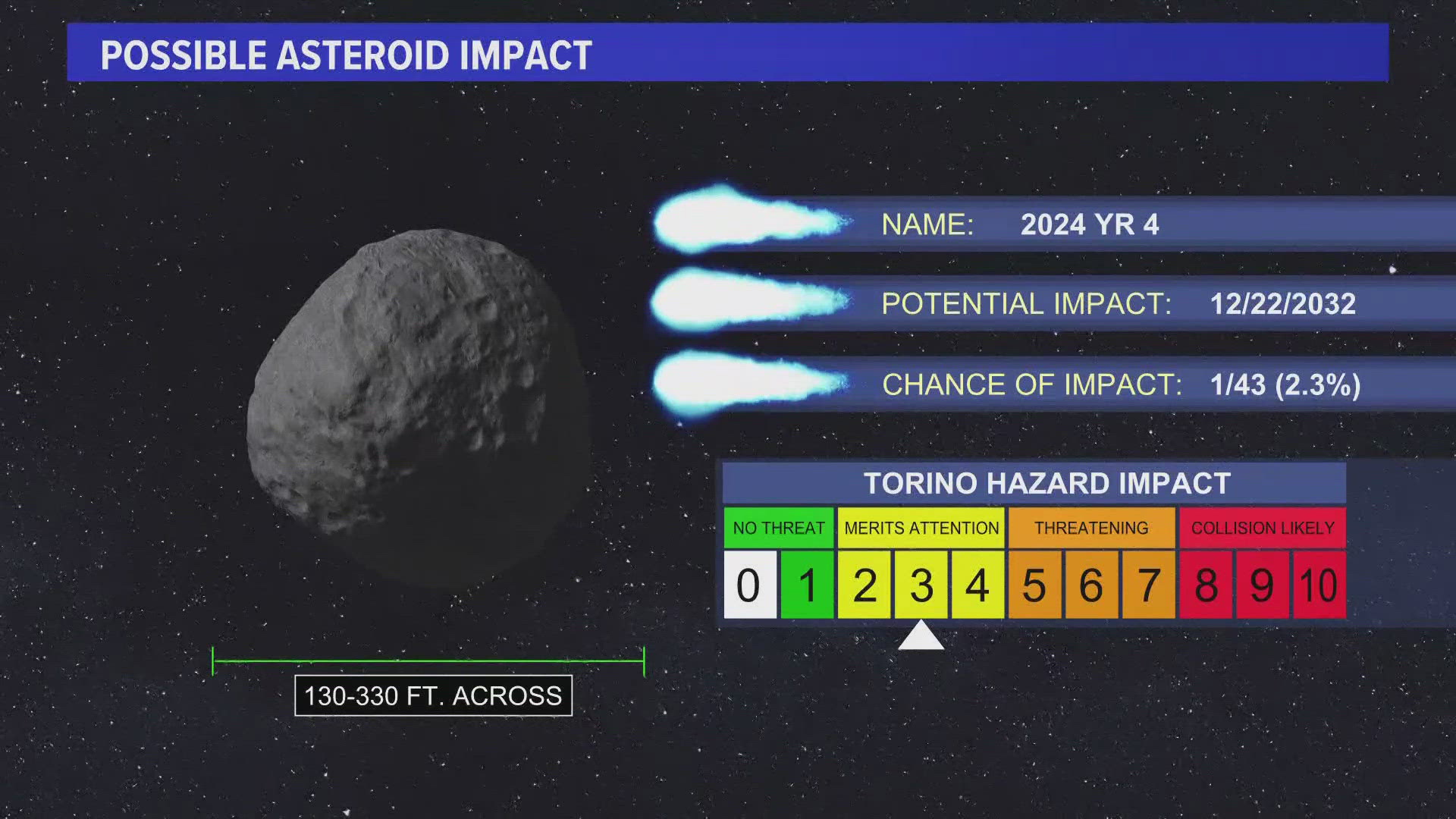
Stunning Nasa Has No Way To Stop City-killer Asteroids: ‘it Keeps Me Up At Night’ Design for Desktop
A captivating nasa has no way to stop city-killer asteroids: ‘it keeps me up at night’ scene that brings tranquility and beauty to any device.

Exquisite Nasa Has No Way To Stop City-killer Asteroids: ‘it Keeps Me Up At Night’ Landscape Collection
Immerse yourself in the stunning details of this beautiful nasa has no way to stop city-killer asteroids: ‘it keeps me up at night’ wallpaper, designed for a captivating visual experience.

Lush Nasa Has No Way To Stop City-killer Asteroids: ‘it Keeps Me Up At Night’ View for Mobile
A captivating nasa has no way to stop city-killer asteroids: ‘it keeps me up at night’ scene that brings tranquility and beauty to any device.
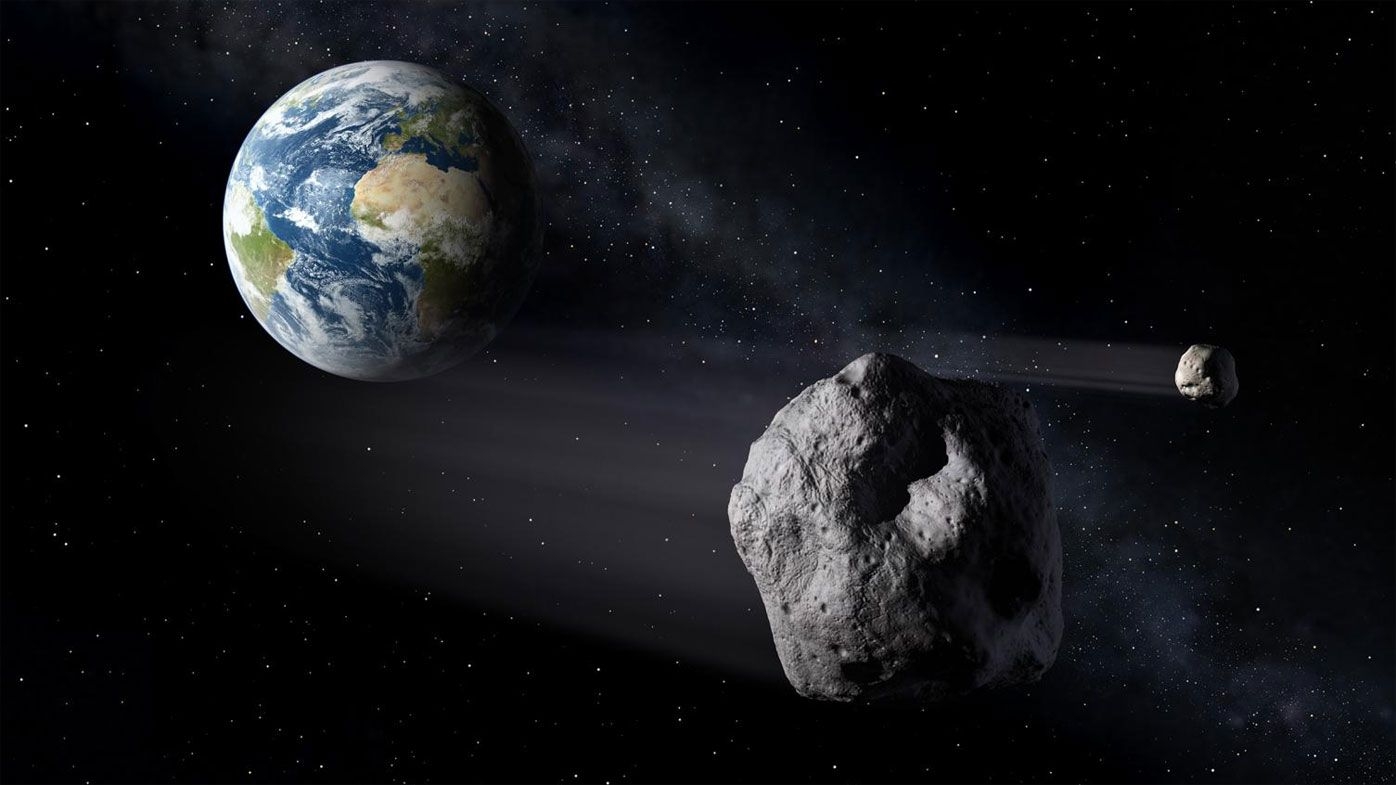
Serene Nasa Has No Way To Stop City-killer Asteroids: ‘it Keeps Me Up At Night’ Wallpaper for Your Screen
Discover an amazing nasa has no way to stop city-killer asteroids: ‘it keeps me up at night’ background image, ideal for personalizing your devices with vibrant colors and intricate designs.

Amazing Nasa Has No Way To Stop City-killer Asteroids: ‘it Keeps Me Up At Night’ Image Photography
Discover an amazing nasa has no way to stop city-killer asteroids: ‘it keeps me up at night’ background image, ideal for personalizing your devices with vibrant colors and intricate designs.

Gorgeous Nasa Has No Way To Stop City-killer Asteroids: ‘it Keeps Me Up At Night’ Photo Illustration
This gorgeous nasa has no way to stop city-killer asteroids: ‘it keeps me up at night’ photo offers a breathtaking view, making it a perfect choice for your next wallpaper.

Mesmerizing Nasa Has No Way To Stop City-killer Asteroids: ‘it Keeps Me Up At Night’ Design in 4K
Discover an amazing nasa has no way to stop city-killer asteroids: ‘it keeps me up at night’ background image, ideal for personalizing your devices with vibrant colors and intricate designs.
Download these nasa has no way to stop city-killer asteroids: ‘it keeps me up at night’ wallpapers for free and use them on your desktop or mobile devices.