Russia Plans to Block Telegram in April, Sources Say
Russia Plans to Block Telegram in April, Sources Say
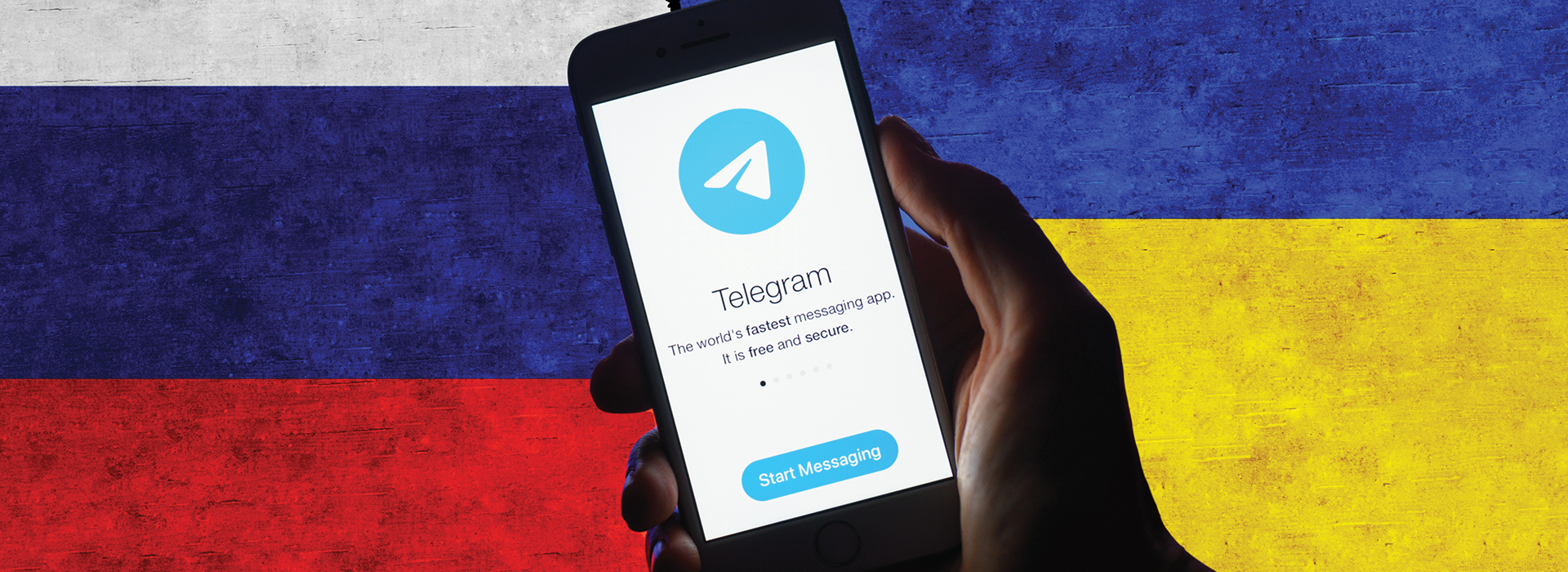
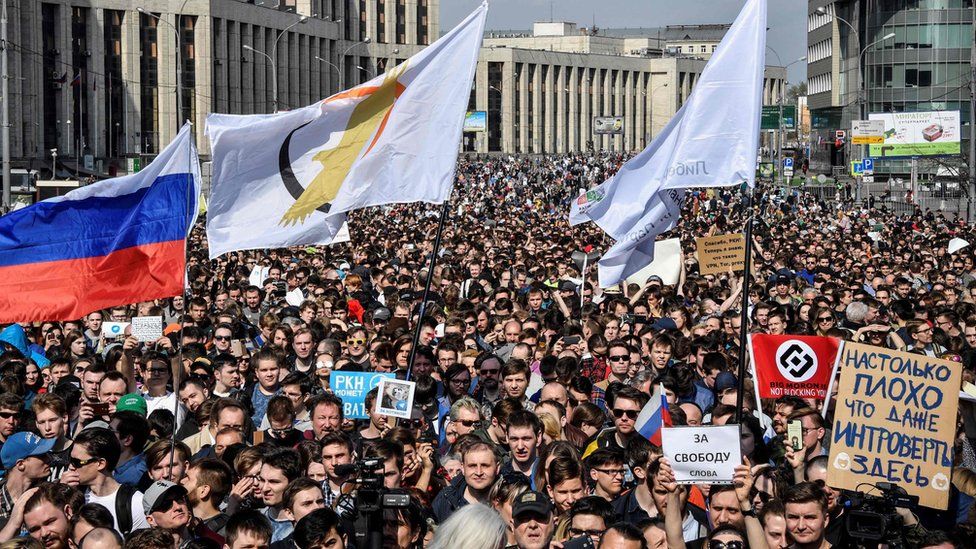
Imagine waking up one morning to find your primary channel for news, updates, and even personal communication suddenly inaccessible. For millions in Russia, this scenario could become a stark reality as early as April. Confidential sources within Russian tech circles and government-affiliated organizations have indicated that the Kremlin is preparing a renewed, and potentially more definitive, attempt to block Telegram, one of the most popular messaging apps in the country. This development, if confirmed and executed, represents a significant escalation in Russia's ongoing efforts to exert greater control over the digital information landscape and tighten its grip on online discourse. The implications for digital rights, free speech, and the daily lives of ordinary Russians are profound, sparking widespread concern among users and international observers alike.
Telegram, founded by Russian-born entrepreneur Pavel Durov, has long been a thorn in the side of Russian authorities due to its strong encryption and perceived resistance to state surveillance. While previous attempts to block the platform largely failed, resulting in a cat-and-mouse game that saw Telegram remain widely accessible, these new reports suggest a more concerted and technically sophisticated effort is underway. This isn't merely about preventing access to a messaging app; it's about a fundamental clash over information control and the future of internet freedom within Russia's borders. The coming weeks will likely reveal the full extent of these plans and the digital battlefield upon which this new confrontation will unfold.
The Kremlin's Longstanding Battle for Digital Control
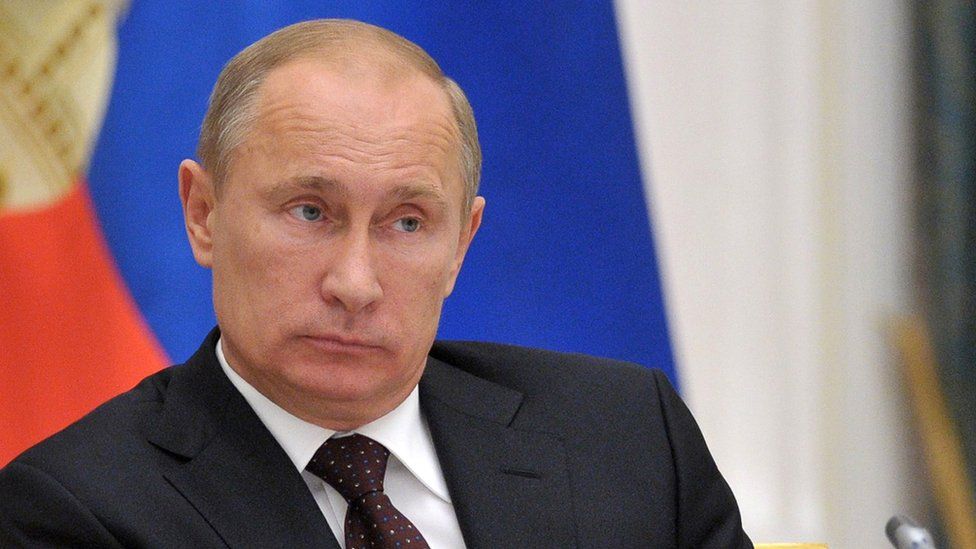
The notion of Russia planning to block Telegram is far from new. The Russian government, through its telecommunications watchdog Roskomnadzor, has harbored a deep-seated distrust of encrypted messaging services that refuse to provide backdoor access to user data. This concern, often framed around national security and combating extremism, has fueled a persistent campaign against platforms that prioritize user privacy over state demands. This isn't an isolated incident but rather a continuation of a broader strategy to establish digital sovereignty and control the flow of information online.
Russia has a documented history of attempting to regulate, restrict, or outright ban internet services that do not comply with its stringent data localization laws and censorship demands. In recent years, major global platforms like Facebook (Meta), Instagram, and X (formerly Twitter) have faced severe restrictions, with some completely blocked following their refusal to remove content deemed illegal by Russian courts. The "sovereign internet" law, enacted in 2019, provides the legal framework for these actions, allowing the state to disconnect Russia from the global internet in times of perceived emergency, though critics argue it serves as a tool for censorship and surveillance.
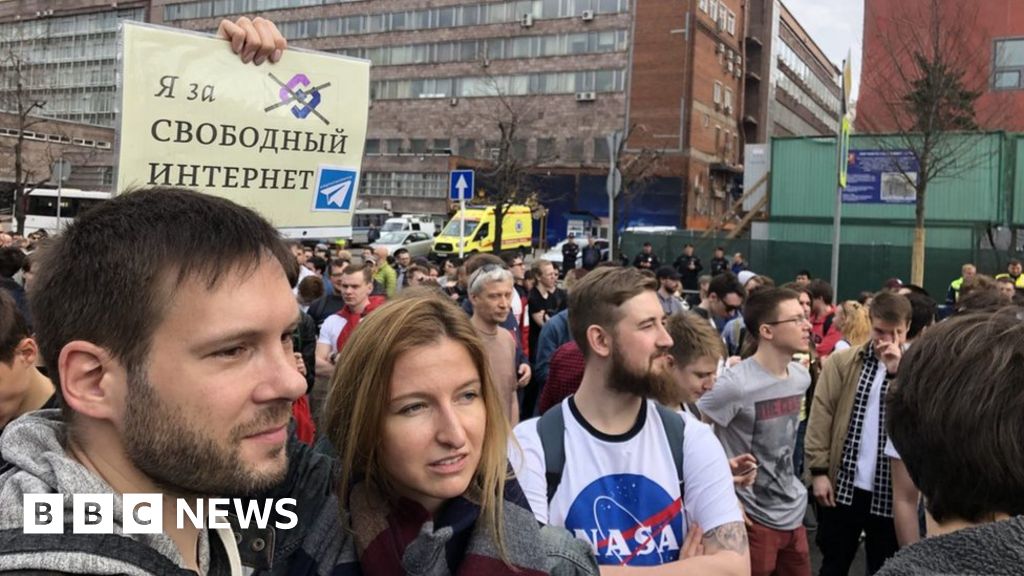
Telegram, however, has proven particularly resilient. A previous attempt to block the app between 2018 and 2020 famously failed, as millions of users, including many government officials, continued to use it through VPNs and proxy services. The technical implementation of the block was widely regarded as ineffective, causing disruptions to other unrelated online services while Telegram users found easy workarounds. This period highlighted both Telegram's technical robustness and the strong demand for uncensored communication channels among the Russian populace. Yet, sources now indicate that the new blocking attempts will be more targeted and robust, possibly leveraging deeper control over internet infrastructure.
Why Telegram? Resilience, Role, and Resistance
Telegram's unique position in the Russian digital ecosystem is what makes it such a prized target for state control. Unlike many other messaging platforms, Telegram has cultivated an image of strong encryption and unwavering commitment to user privacy, championed by its founder Pavel Durov. This ethos has attracted a massive user base in Russia, estimated to be well over 50 million active users, making it a critical hub for both personal communication and, significantly, information dissemination.
For many Russians, Telegram is not just a messaging app; it's a primary source of news, often providing channels for independent media outlets and opposition voices that have been silenced elsewhere. Its large public channels act as de facto news feeds, offering perspectives and information that are frequently unavailable through state-controlled media. This dual role—secure private communication and a platform for independent public discourse—makes Telegram an indispensable tool for civil society, journalists, and anyone seeking alternative viewpoints. The ability to create and subscribe to channels anonymously or pseudonymously adds another layer of protection for users in an increasingly surveilled environment.
The platform's technical architecture, designed for speed and resistance to censorship, has also contributed to its resilience. Telegram supports built-in proxy settings and offers various features that make it harder to block effectively compared to more centralized services. This technical advantage, combined with Durov's vocal advocacy for digital freedom, has made Telegram a symbol of digital resistance against authoritarian information control. Its open API also allows for a thriving ecosystem of bots and tools, further enhancing its utility and adaptability in challenging circumstances. Blocking such a deeply integrated and robust platform is a monumental task, but the Kremlin's persistence suggests they believe they now have the means to succeed.
The Potential Impact: A Digital Iron Curtain?
Should Russia successfully implement a widespread block on Telegram, the ramifications would be far-reaching, potentially isolating millions of Russians further from global digital discourse and impacting various facets of daily life. The immediate effect would be felt by individual users, who rely on Telegram for everything from family chats to receiving critical updates from local services or emergency channels. The sudden disruption would force many to seek alternative, potentially less secure, communication methods or struggle to adapt to a fragmented digital landscape.
Beyond individual users, the block would significantly impact businesses and media outlets that have integrated Telegram into their operations. Many small and medium-sized enterprises use Telegram channels for marketing, customer support, and internal communication. Independent media and journalists, already operating under immense pressure, would lose one of their most effective platforms for reaching audiences and distributing uncensored information. This could accelerate the consolidation of information control under state-approved narratives, further limiting access to diverse perspectives for the Russian public.
From a broader perspective, a successful Telegram block would mark another significant step towards Russia creating a more isolated "digital iron curtain." Coupled with previous bans on major social media platforms and strict censorship laws, this move would severely cripple the free flow of information and accelerate the process of digital de-globalization for Russian citizens. It would reinforce the idea that the Russian government is willing to sacrifice broad internet access and communication freedom in pursuit of internal stability and information control. This raises serious concerns about digital rights, privacy, and the ability of citizens to access diverse viewpoints. While users will undoubtedly turn to VPNs and other circumvention tools, as they have in the past, a more robust block could make these methods less reliable or more difficult to access, particularly for less tech-savvy individuals. The global community will be watching closely to see if Russia can truly sever access to a platform that has become synonymous with digital resilience.
Russia Plans to Block Telegram in April, Sources Say
Russia Plans to Block Telegram in April, Sources Say Wallpapers
Collection of russia plans to block telegram in april, sources say wallpapers for your desktop and mobile devices.
Serene Russia Plans To Block Telegram In April, Sources Say Moment in HD
Explore this high-quality russia plans to block telegram in april, sources say image, perfect for enhancing your desktop or mobile wallpaper.

Gorgeous Russia Plans To Block Telegram In April, Sources Say Abstract for Desktop
This gorgeous russia plans to block telegram in april, sources say photo offers a breathtaking view, making it a perfect choice for your next wallpaper.

Stunning Russia Plans To Block Telegram In April, Sources Say Abstract Illustration
Find inspiration with this unique russia plans to block telegram in april, sources say illustration, crafted to provide a fresh look for your background.

Spectacular Russia Plans To Block Telegram In April, Sources Say Picture Art
This gorgeous russia plans to block telegram in april, sources say photo offers a breathtaking view, making it a perfect choice for your next wallpaper.

Serene Russia Plans To Block Telegram In April, Sources Say Picture for Your Screen
Experience the crisp clarity of this stunning russia plans to block telegram in april, sources say image, available in high resolution for all your screens.

Vivid Russia Plans To Block Telegram In April, Sources Say Capture for Mobile
Explore this high-quality russia plans to block telegram in april, sources say image, perfect for enhancing your desktop or mobile wallpaper.

Spectacular Russia Plans To Block Telegram In April, Sources Say Photo Photography
Find inspiration with this unique russia plans to block telegram in april, sources say illustration, crafted to provide a fresh look for your background.
Vibrant Russia Plans To Block Telegram In April, Sources Say Design Illustration
Discover an amazing russia plans to block telegram in april, sources say background image, ideal for personalizing your devices with vibrant colors and intricate designs.

Vibrant Russia Plans To Block Telegram In April, Sources Say Artwork for Mobile
Discover an amazing russia plans to block telegram in april, sources say background image, ideal for personalizing your devices with vibrant colors and intricate designs.

Mesmerizing Russia Plans To Block Telegram In April, Sources Say Picture for Mobile
Explore this high-quality russia plans to block telegram in april, sources say image, perfect for enhancing your desktop or mobile wallpaper.
Detailed Russia Plans To Block Telegram In April, Sources Say Landscape Digital Art
Explore this high-quality russia plans to block telegram in april, sources say image, perfect for enhancing your desktop or mobile wallpaper.
Gorgeous Russia Plans To Block Telegram In April, Sources Say Artwork for Desktop
Find inspiration with this unique russia plans to block telegram in april, sources say illustration, crafted to provide a fresh look for your background.
Vivid Russia Plans To Block Telegram In April, Sources Say Photo Digital Art
Discover an amazing russia plans to block telegram in april, sources say background image, ideal for personalizing your devices with vibrant colors and intricate designs.

Crisp Russia Plans To Block Telegram In April, Sources Say Wallpaper Concept
Immerse yourself in the stunning details of this beautiful russia plans to block telegram in april, sources say wallpaper, designed for a captivating visual experience.
Lush Russia Plans To Block Telegram In April, Sources Say Background Collection
Immerse yourself in the stunning details of this beautiful russia plans to block telegram in april, sources say wallpaper, designed for a captivating visual experience.
Vivid Russia Plans To Block Telegram In April, Sources Say Abstract for Mobile
Explore this high-quality russia plans to block telegram in april, sources say image, perfect for enhancing your desktop or mobile wallpaper.
Dynamic Russia Plans To Block Telegram In April, Sources Say Moment for Your Screen
Immerse yourself in the stunning details of this beautiful russia plans to block telegram in april, sources say wallpaper, designed for a captivating visual experience.
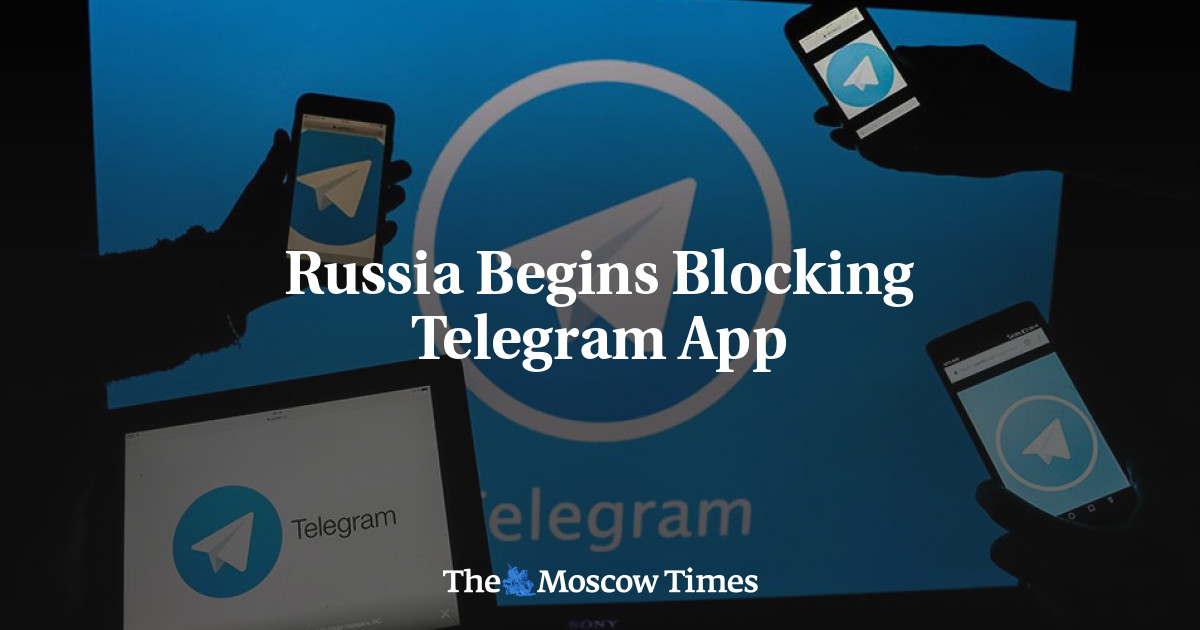
Dynamic Russia Plans To Block Telegram In April, Sources Say Landscape Concept
A captivating russia plans to block telegram in april, sources say scene that brings tranquility and beauty to any device.
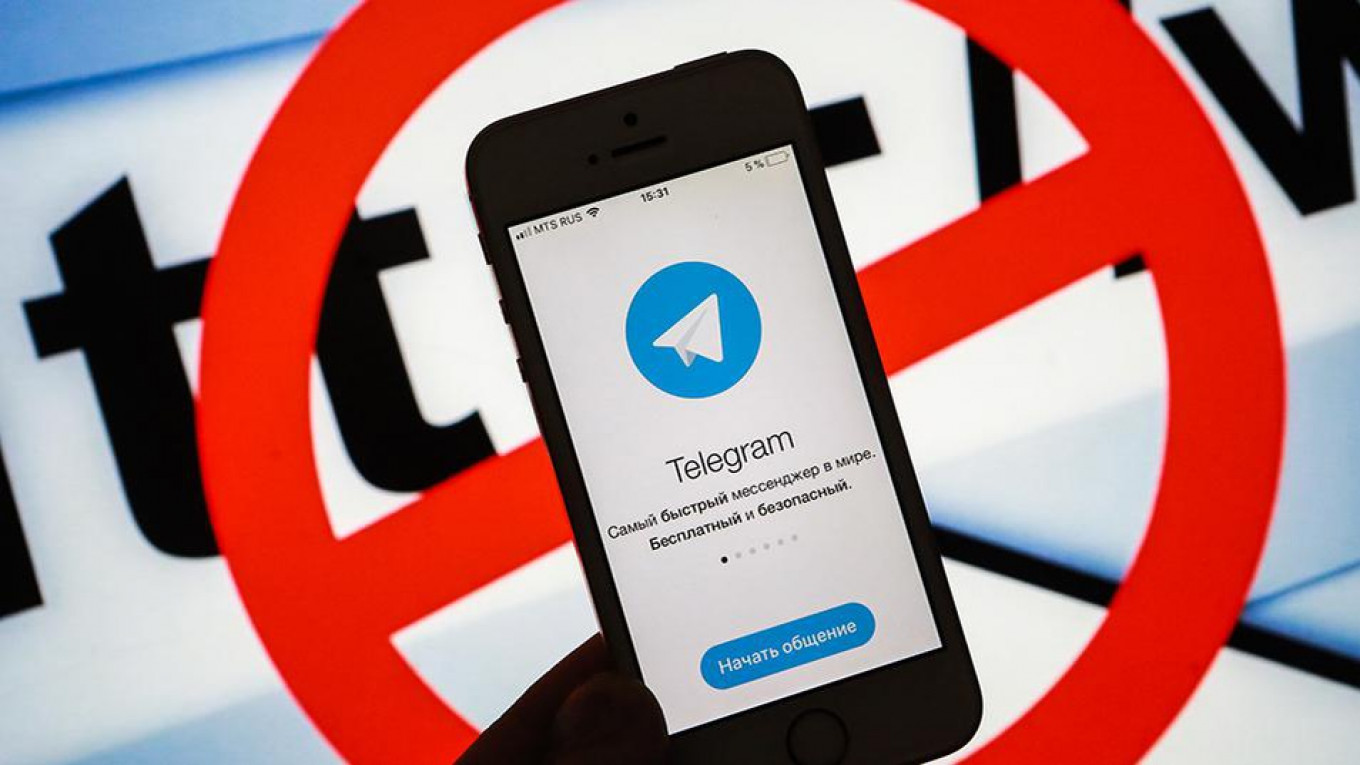
High-Quality Russia Plans To Block Telegram In April, Sources Say Wallpaper for Your Screen
Explore this high-quality russia plans to block telegram in april, sources say image, perfect for enhancing your desktop or mobile wallpaper.
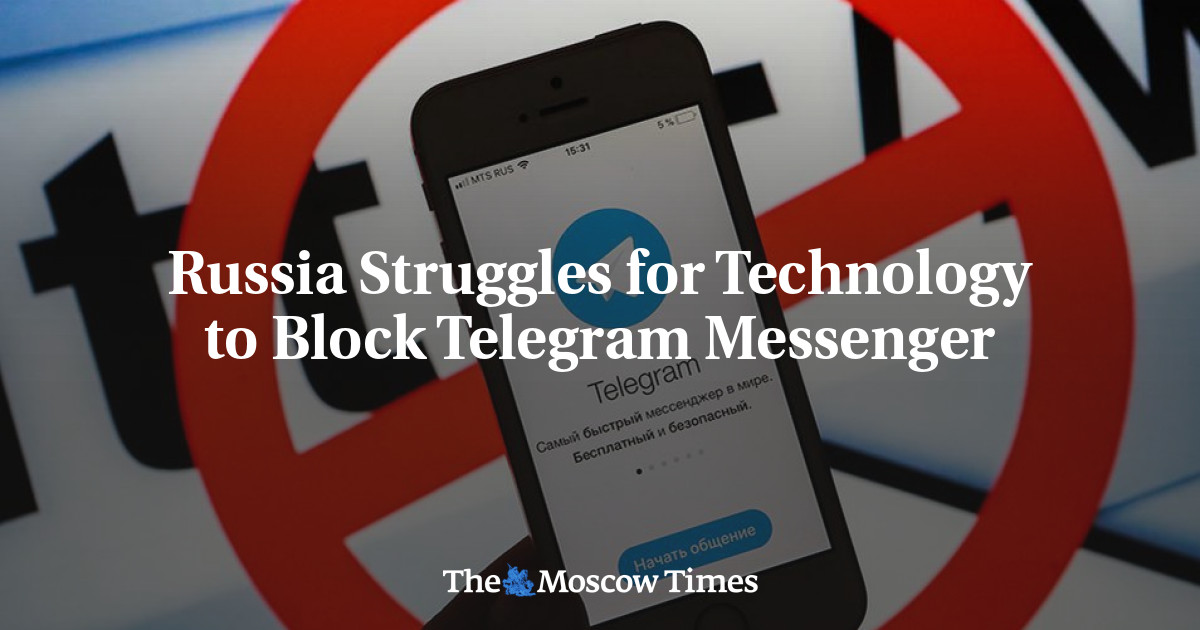
Breathtaking Russia Plans To Block Telegram In April, Sources Say Moment for Desktop
Experience the crisp clarity of this stunning russia plans to block telegram in april, sources say image, available in high resolution for all your screens.
Download these russia plans to block telegram in april, sources say wallpapers for free and use them on your desktop or mobile devices.