Daylight Saving Time 2026: When to 'Spring Forward' (And Why It Still Matters!)
Daylight Saving Time 2026: When to 'Spring Forward' (And Why It Still Matters!)
Ah, Daylight Saving Time. That annual ritual that either brings a sigh of relief for longer evenings or a groan for that lost hour of sleep. Remember that time you showed up an hour late for a Sunday brunch because you *swore* your phone updated automatically, but your wall clock had the last laugh? Or the mild confusion trying to coordinate a video call with international colleagues who might or might not be observing the time shift? It’s a collective experience that unites us in a shared moment of temporal adjustment.
As we look ahead to 2026, the tradition, or burden depending on your perspective, of "springing forward" is set to continue for millions across the globe. While debates rage on about its utility, health impacts, and economic benefits (or detriments), the clocks will indeed change. So, mark your calendars, prepare your sleep cycles, and let’s get into the specifics of when, where, and why we’re still playing this time-altering game in 2026.
Marking Your Calendars: The Official 'Spring Forward' Date for 2026
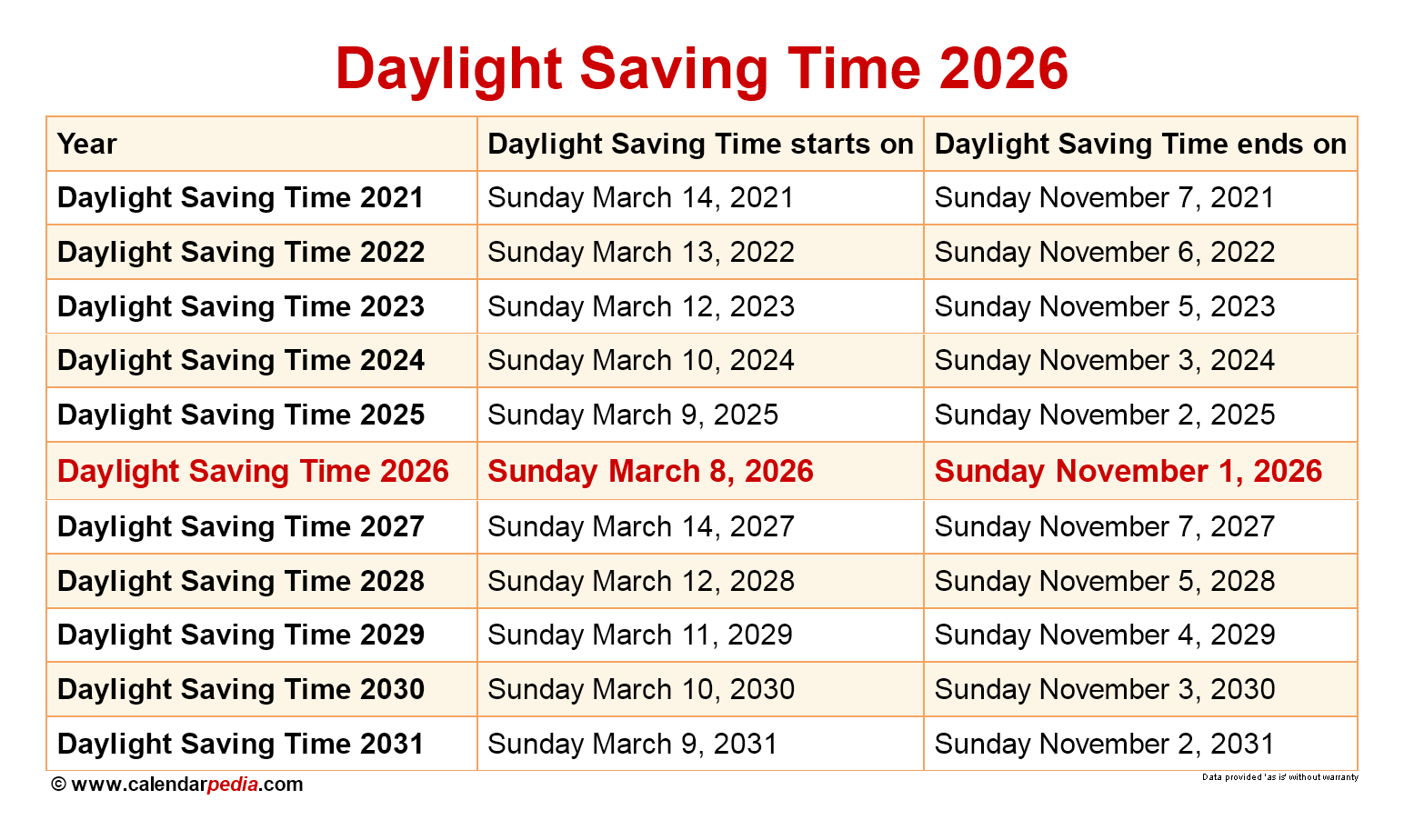
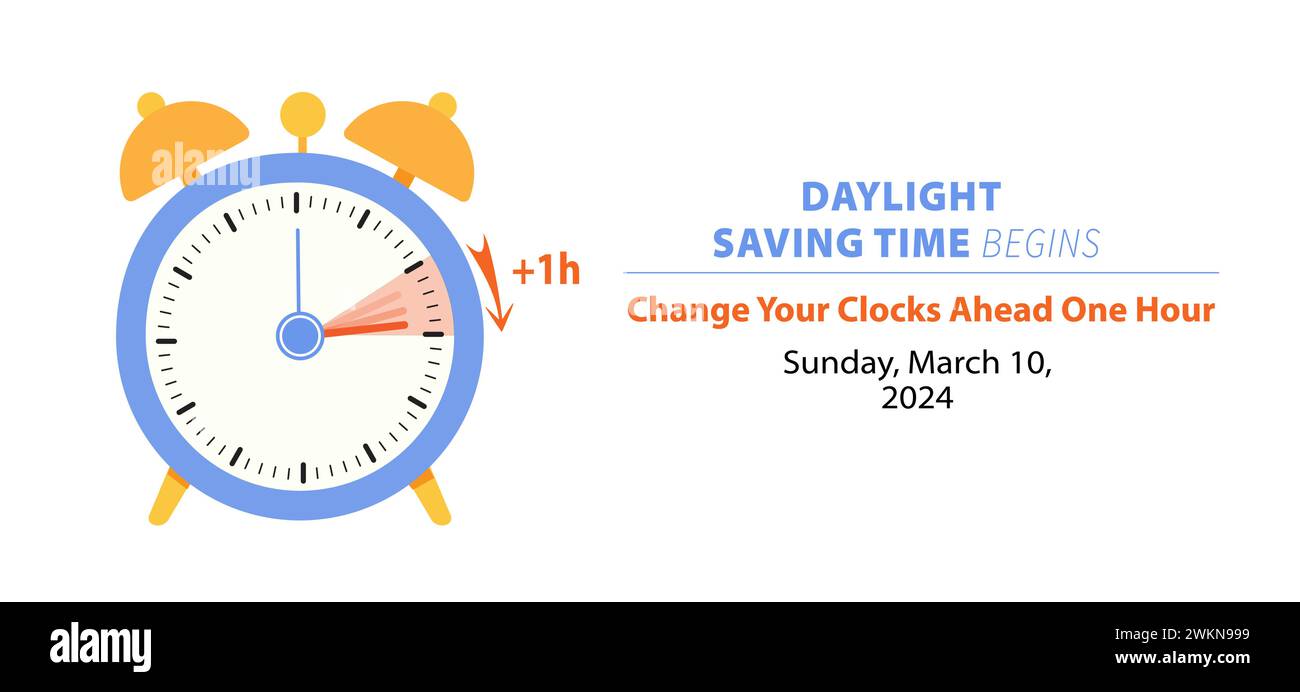
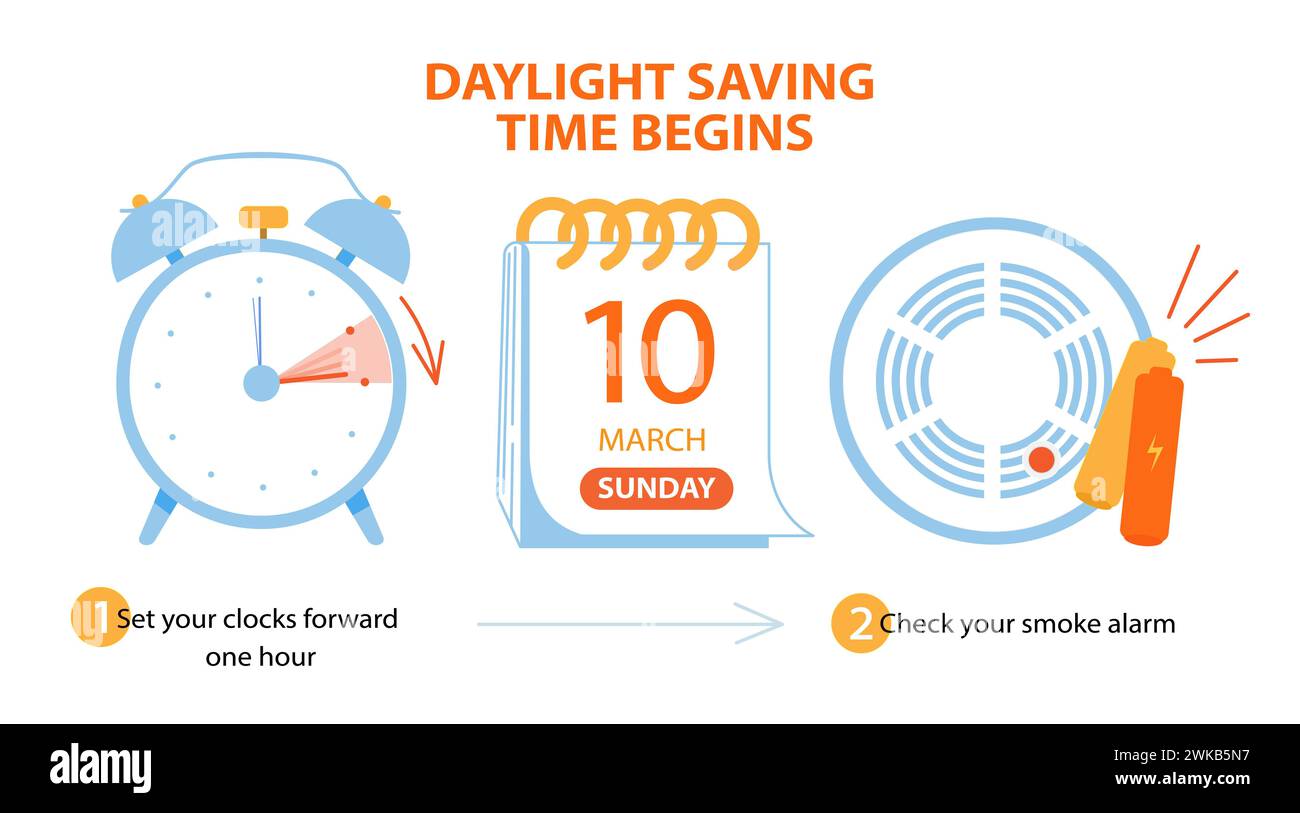
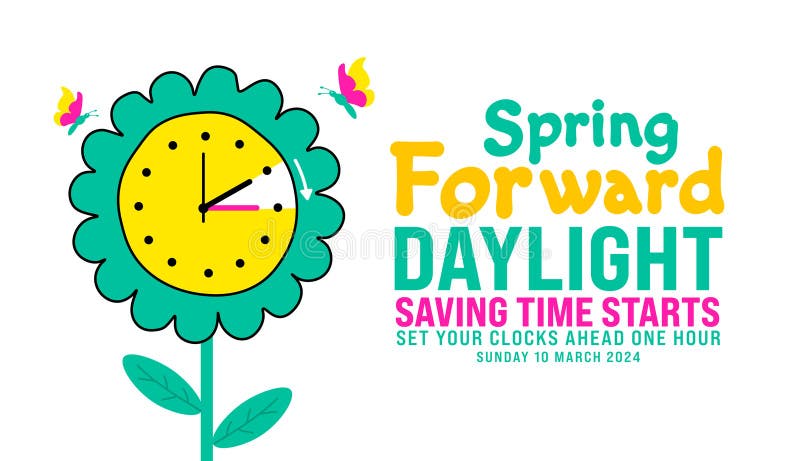
For those in regions observing Daylight Saving Time in 2026, primarily the United States, Canada, and parts of Europe, the moment to adjust your clocks forward will arrive in early spring. Specifically, for most of North America, the shift will occur on **Sunday, March 8, 2026, at 2:00 AM local time.**
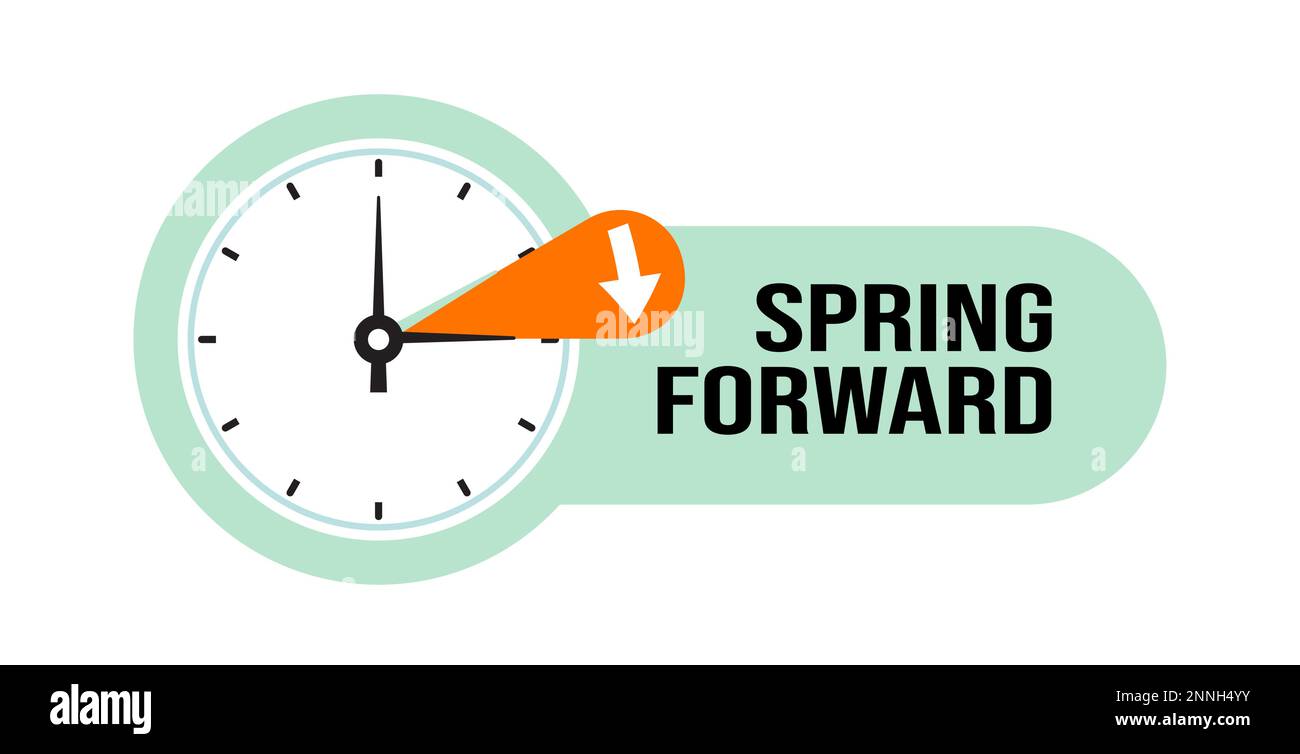
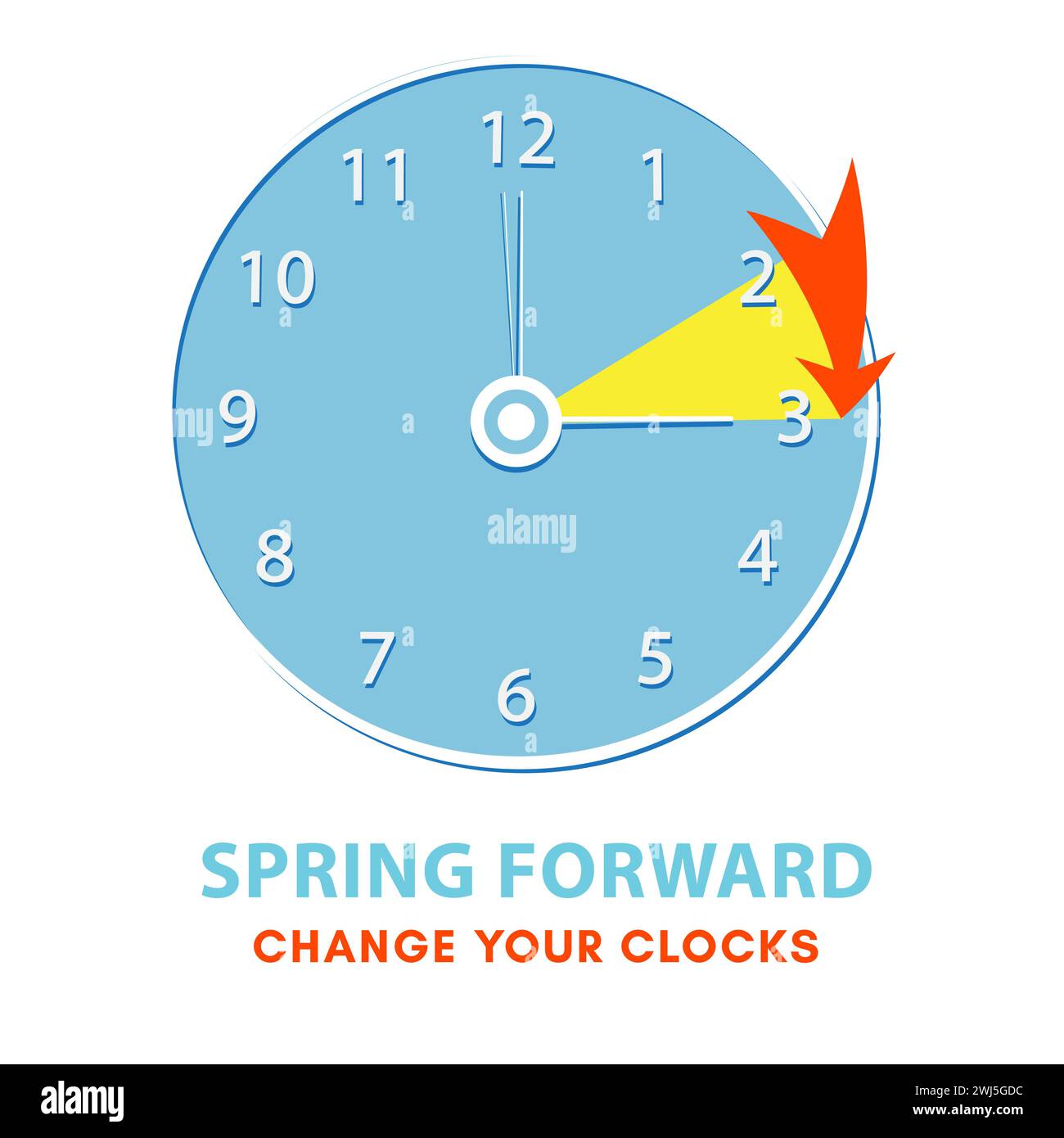
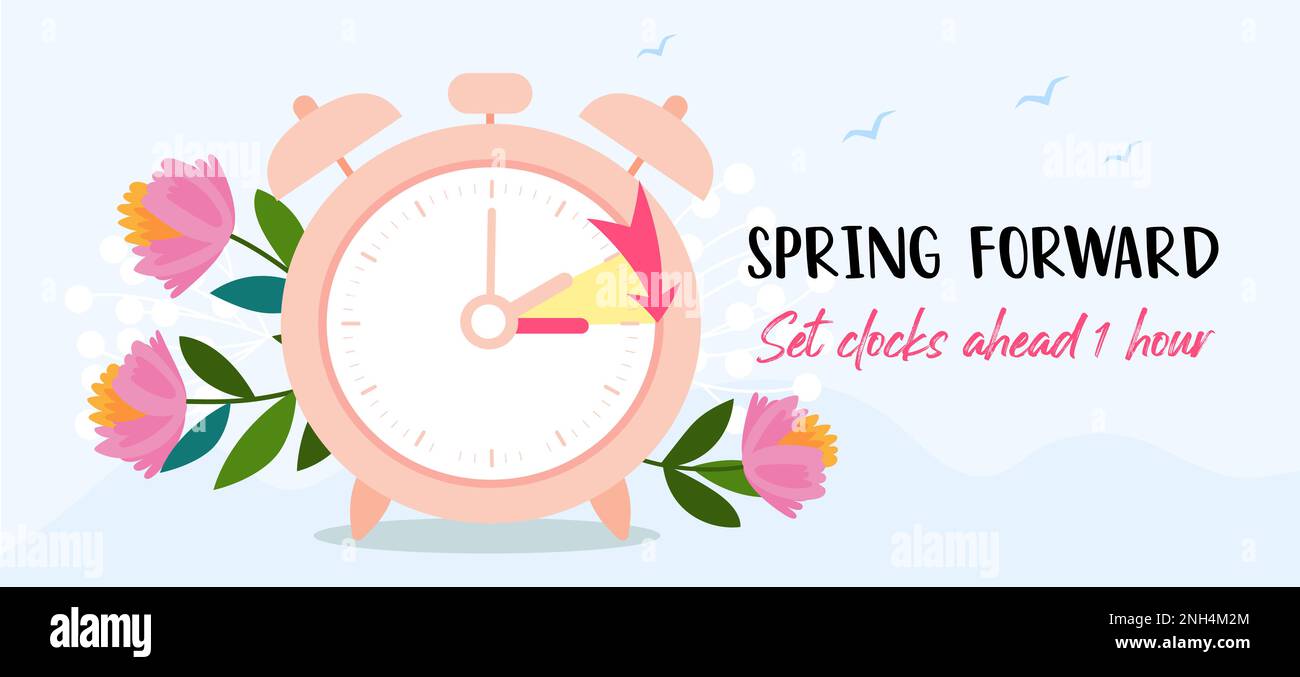
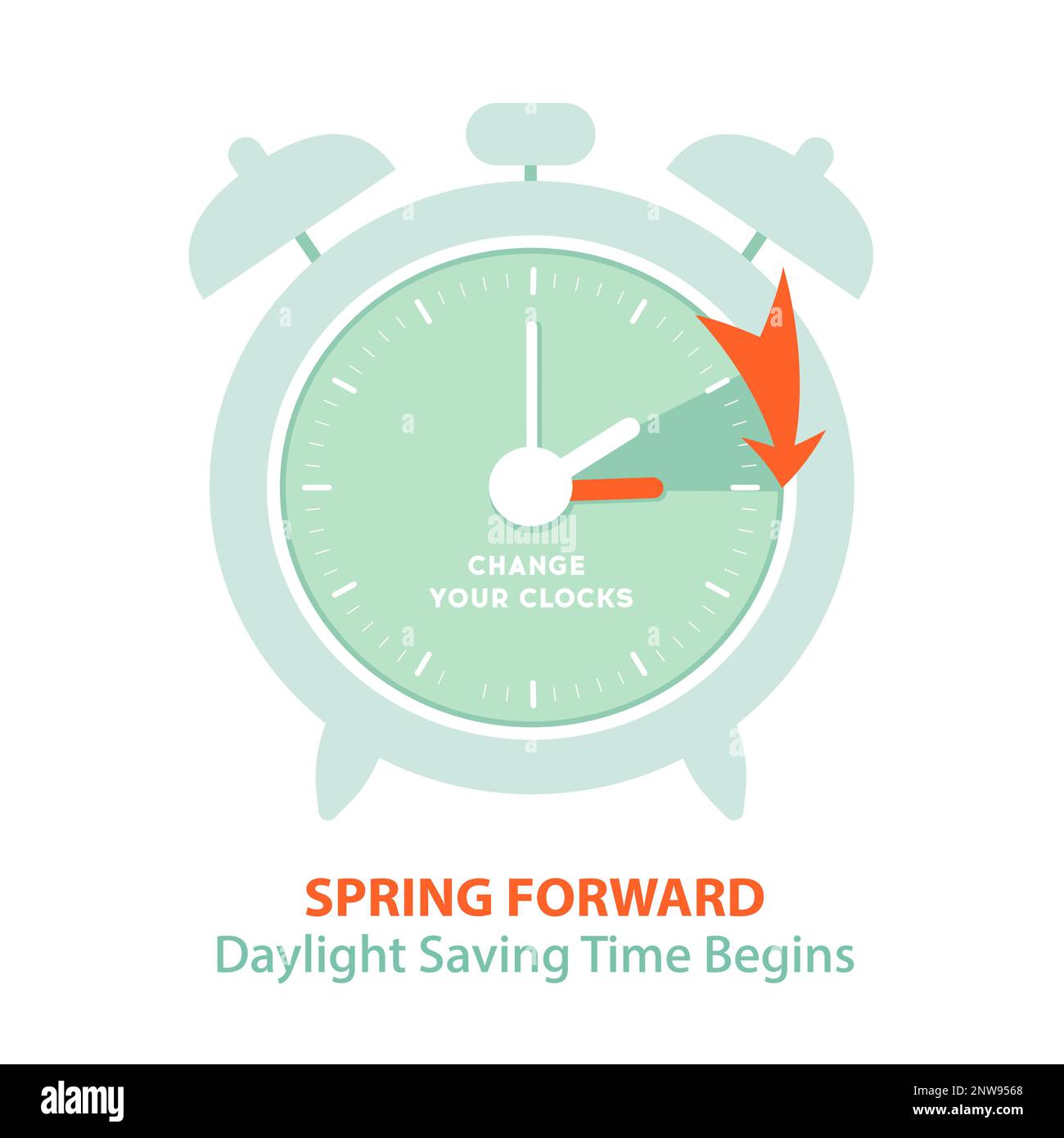
What does this mean for you? At precisely 2:00 AM, clocks will magically jump forward to 3:00 AM. This effectively "loses" an hour, but grants us an extra hour of daylight in the evening. It’s the annual trade-off for those longer, brighter evenings many cherish. While most modern devices like smartphones, computers, and smartwatches will update automatically, it's crucial to remember to manually adjust any analog clocks, microwaves, or car systems. Forgetting can lead to mild chaos, missed appointments, or a very early (or very late!) arrival to your Sunday plans. This time change happens on a weekend specifically to minimize disruption to the workweek, allowing most people an extra day to acclimatize to the new schedule. However, for night shift workers, it can mean a shorter shift, and those working on Sunday morning might find their shifts starting or ending an hour "earlier" than expected, highlighting some of the logistical quirks of the time change.
It's also worth noting that not all regions participate. In the United States, for instance, Arizona (with the exception of the Navajo Nation) and Hawaii do not observe Daylight Saving Time, remaining on Standard Time year-round. Similarly, many countries around the world have either never adopted DST or have abolished it, creating a complex patchwork of timekeeping across the globe. This often leads to increased confusion, especially for international travelers or businesses operating across multiple time zones. Knowing your local rules and the rules of your destination is key to avoiding an unwelcome time-related surprise.
The Enduring Debate: Why Do We Still Change Our Clocks?
The concept of Daylight Saving Time is steeped in a history that dates back more than a century, initially proposed by George Hudson in 1895 and widely adopted during World War I. The primary rationale then, and often cited now, was energy conservation. The idea was that by shifting daylight to the evening, people would use less artificial lighting, thus saving fuel. However, modern studies have cast significant doubt on these energy savings, with some research even suggesting a net increase in energy consumption due to higher air conditioning usage in warmer months.
Beyond energy, proponents argue that DST offers several benefits:
* **Increased Daylight in Evenings:** This is arguably the most popular reason. More daylight after the workday is linked to increased recreational activities, improved mood, and a perceived boost in quality of life. Think longer evenings for outdoor sports, gardening, or just relaxing on the patio.
* **Economic Boost:** Some industries, particularly retail and tourism, claim to benefit from extended daylight hours in the evening, as people are more likely to shop, dine out, or engage in leisure activities.
* **Reduced Crime:** Some studies suggest that more daylight in the evening could lead to a reduction in certain types of crime, as criminals prefer the cover of darkness.
However, a vocal and growing contingent advocates for ending DST, citing a range of negative impacts:
* **Sleep Disruption and Health Concerns:** The annual shift, particularly in spring, is associated with sleep deprivation and an increase in adverse health events. Studies have linked the "spring forward" to a temporary spike in heart attacks, strokes, and even traffic accidents in the days following the change. Our circadian rhythm struggles to adjust, leading to a kind of mini-jet lag.
* **Economic Costs:** While some industries benefit, others suffer. The logistical complexities of changing clocks across various sectors (transportation, healthcare, agriculture) lead to significant administrative costs and potential errors.
* **Questionable Energy Savings:** As mentioned, the original premise of energy saving has been largely debunked by contemporary research, which often shows negligible or even negative impacts on overall energy consumption.
* **Safety Issues:** The abrupt shift in daylight can also impact pedestrian safety, particularly in the mornings, as children go to school in darker conditions.
The debate has reached legislative bodies globally. In the United States, the "Sunshine Protection Act" has been introduced multiple times, aiming to make Daylight Saving Time permanent across the country. While it has passed the Senate, it has yet to be enacted into law, highlighting the deep divisions and practical challenges of such a change. Similar discussions are ongoing in the European Union and Canada, with no universal consensus in sight. The choice between permanent DST, permanent Standard Time, or the continuation of the biannual clock change remains a complex issue balancing tradition, perceived benefits, and real-world impacts.
Navigating the Shift: Tips for a Smooth Transition
Whether you love it or loathe it, the "spring forward" is a reality for 2026. Preparing for the lost hour can help minimize the disruption to your sleep, health, and daily routine. Here are some practical tips to ensure a smoother transition:
* **Adjust Gradually:** Don't wait until the last minute. In the days leading up to March 8, 2026, try shifting your bedtime and wake-up time by 15-20 minutes earlier each day. This gradual adjustment helps your body's internal clock adapt more easily.
* **Prioritize Sleep:** Ensure you're getting adequate sleep in the week before the change. A well-rested body will cope better with the lost hour. Avoid late-night activities and maintain a consistent sleep schedule.
* **Manage Light Exposure:** Light is a powerful cue for your circadian rhythm. On the morning of March 8th, expose yourself to bright light shortly after waking up to help reset your internal clock. Similarly, dim lights in the evening to signal to your body that it's time to wind down.
* **Check Your Devices (Manually and Automatically):** While most smartphones and computers will update automatically, it’s always a good idea to double-check. Don't forget any analog clocks, car systems, or appliances (like ovens or microwaves) that might require manual adjustment. A quick walk through your home on Saturday evening to ensure everything is covered can save you a Sunday morning headache.
* **Plan Your Weekend:** If you have important appointments or travel plans on Sunday, March 8th, confirm the timing in advance. Factor in the time change to avoid being late. For parents, adjust children's routines slightly earlier in the days leading up to the change to help them adapt.
* **Mind Your Meals and Exercise:** Try to keep your meal times and exercise schedule consistent with the new time. These routine activities also help anchor your internal clock and can aid in the adjustment process.
* **Be Patient with Yourself:** It can take a few days for your body to fully adjust to the new schedule. Don't be surprised if you feel a little more tired or "off" than usual. Give yourself grace and avoid over-scheduling yourself in the immediate aftermath of the time change.
* **Stay Hydrated and Eat Well:** Good nutrition and hydration are always important, but particularly when your body is undergoing a minor stressor like a time change. Avoid excessive caffeine or alcohol, especially close to bedtime.
The annual "spring forward" is more than just moving hands on a clock; it's a societal rhythm that impacts millions. As 2026 approaches, remember the date: **Sunday, March 8, 2026**. Prepare for the change, embrace the longer evenings, and perhaps ponder anew the ongoing global debate about whether this age-old tradition still serves our modern world. Whether it's a necessary evil or an outdated relic, being prepared is your best strategy for a seamless leap into Daylight Saving Time.
Daylight saving time 2026: When to 'spring forward'
Daylight saving time 2026: When to 'spring forward' Wallpapers
Collection of daylight saving time 2026: when to 'spring forward' wallpapers for your desktop and mobile devices.

Exquisite Daylight Saving Time 2026: When To 'spring Forward' Design for Mobile
Immerse yourself in the stunning details of this beautiful daylight saving time 2026: when to 'spring forward' wallpaper, designed for a captivating visual experience.

Breathtaking Daylight Saving Time 2026: When To 'spring Forward' Abstract Photography
Transform your screen with this vivid daylight saving time 2026: when to 'spring forward' artwork, a true masterpiece of digital design.

Beautiful Daylight Saving Time 2026: When To 'spring Forward' Scene Nature
Experience the crisp clarity of this stunning daylight saving time 2026: when to 'spring forward' image, available in high resolution for all your screens.
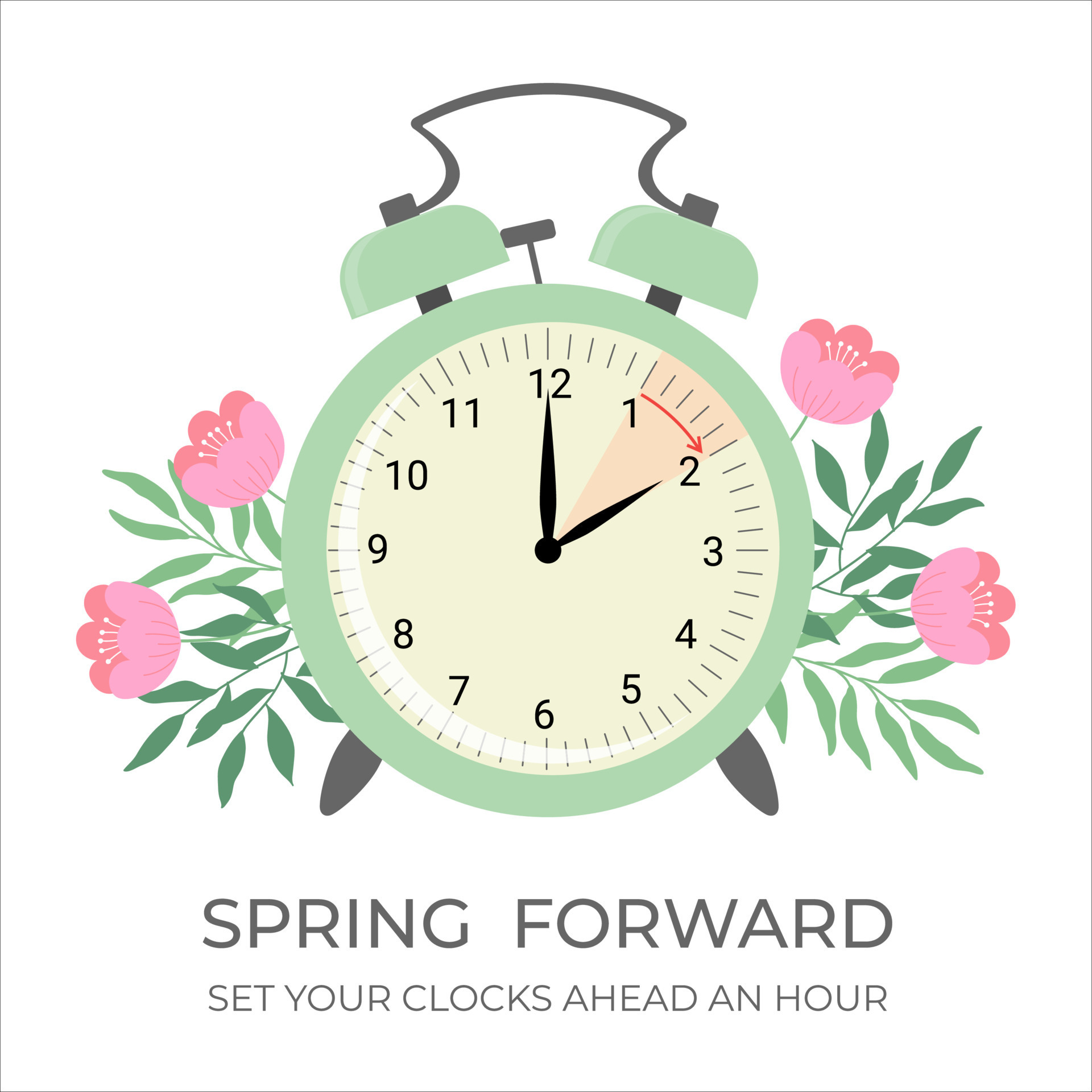
Breathtaking Daylight Saving Time 2026: When To 'spring Forward' View Photography
Explore this high-quality daylight saving time 2026: when to 'spring forward' image, perfect for enhancing your desktop or mobile wallpaper.
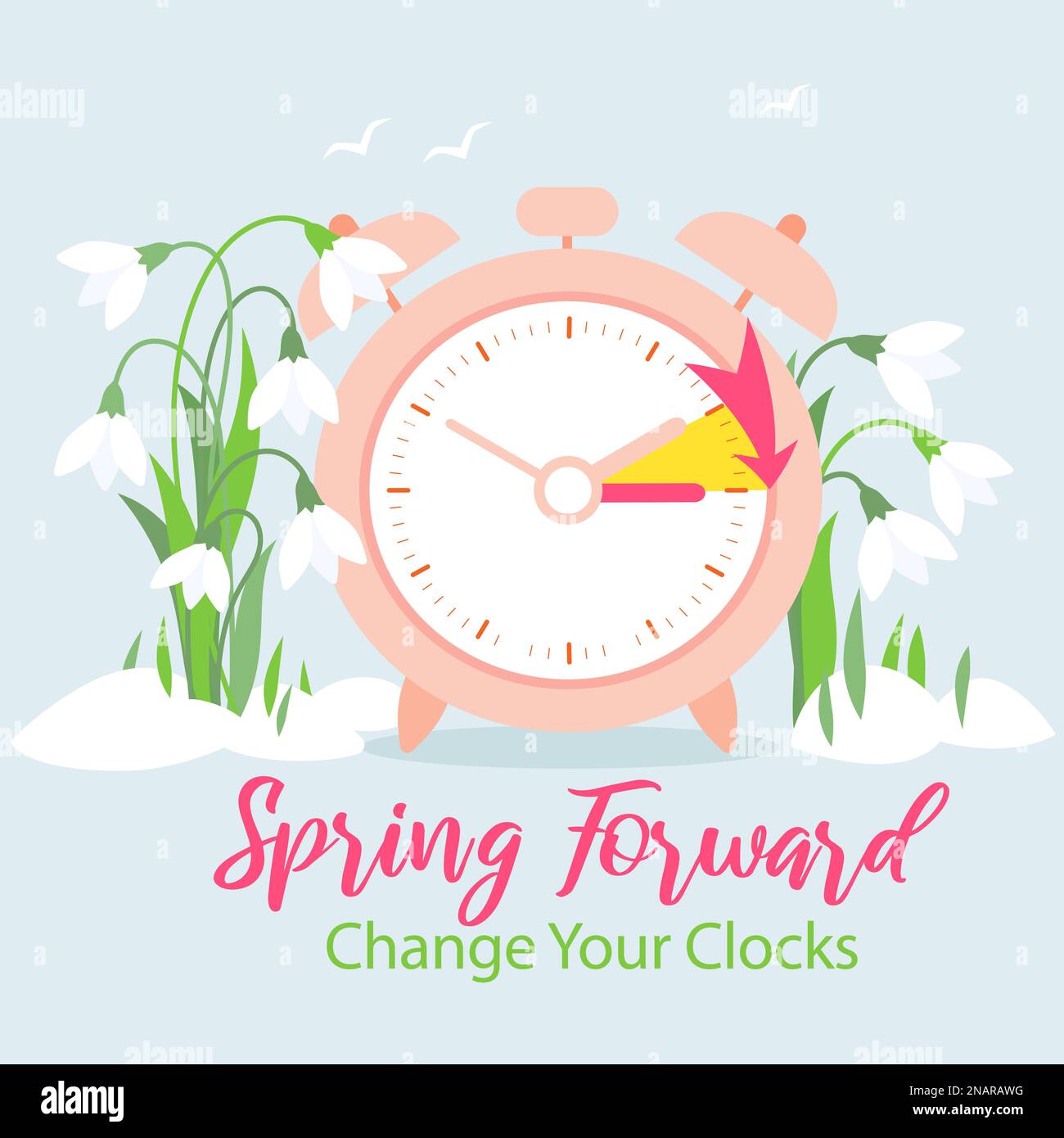
Gorgeous Daylight Saving Time 2026: When To 'spring Forward' Artwork Art
Immerse yourself in the stunning details of this beautiful daylight saving time 2026: when to 'spring forward' wallpaper, designed for a captivating visual experience.

Dynamic Daylight Saving Time 2026: When To 'spring Forward' Moment for Desktop
A captivating daylight saving time 2026: when to 'spring forward' scene that brings tranquility and beauty to any device.
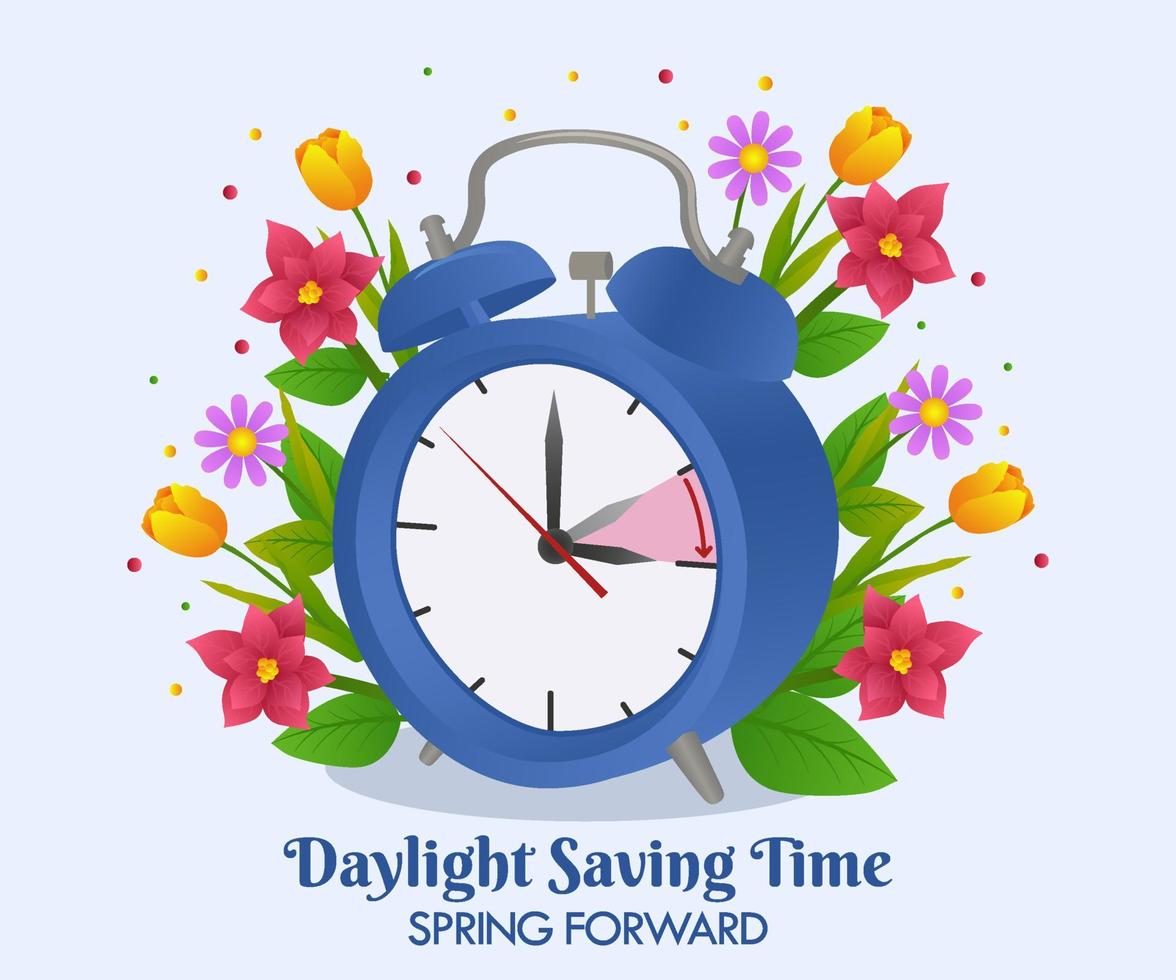
Mesmerizing Daylight Saving Time 2026: When To 'spring Forward' Abstract Collection
Explore this high-quality daylight saving time 2026: when to 'spring forward' image, perfect for enhancing your desktop or mobile wallpaper.
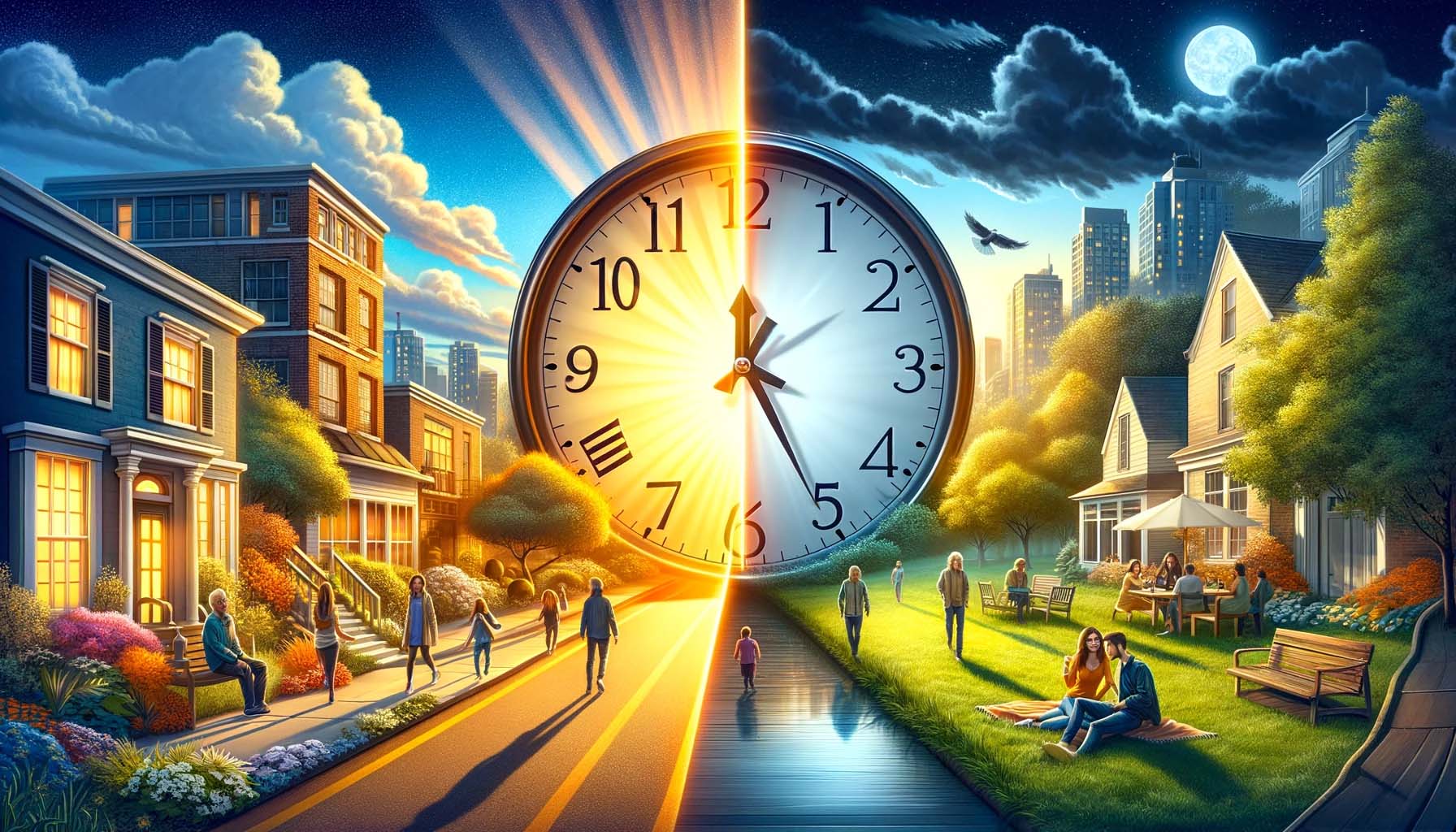
Breathtaking Daylight Saving Time 2026: When To 'spring Forward' Image in HD
Experience the crisp clarity of this stunning daylight saving time 2026: when to 'spring forward' image, available in high resolution for all your screens.
Spectacular Daylight Saving Time 2026: When To 'spring Forward' Photo Digital Art
Find inspiration with this unique daylight saving time 2026: when to 'spring forward' illustration, crafted to provide a fresh look for your background.

Exquisite Daylight Saving Time 2026: When To 'spring Forward' Design Concept
A captivating daylight saving time 2026: when to 'spring forward' scene that brings tranquility and beauty to any device.
Serene Daylight Saving Time 2026: When To 'spring Forward' Picture Art
Explore this high-quality daylight saving time 2026: when to 'spring forward' image, perfect for enhancing your desktop or mobile wallpaper.
Spectacular Daylight Saving Time 2026: When To 'spring Forward' Picture in 4K
This gorgeous daylight saving time 2026: when to 'spring forward' photo offers a breathtaking view, making it a perfect choice for your next wallpaper.
Amazing Daylight Saving Time 2026: When To 'spring Forward' Moment for Desktop
Discover an amazing daylight saving time 2026: when to 'spring forward' background image, ideal for personalizing your devices with vibrant colors and intricate designs.

Exquisite Daylight Saving Time 2026: When To 'spring Forward' Landscape Collection
Find inspiration with this unique daylight saving time 2026: when to 'spring forward' illustration, crafted to provide a fresh look for your background.

Exquisite Daylight Saving Time 2026: When To 'spring Forward' Picture for Mobile
Find inspiration with this unique daylight saving time 2026: when to 'spring forward' illustration, crafted to provide a fresh look for your background.
Mesmerizing Daylight Saving Time 2026: When To 'spring Forward' Capture Concept
Discover an amazing daylight saving time 2026: when to 'spring forward' background image, ideal for personalizing your devices with vibrant colors and intricate designs.
Breathtaking Daylight Saving Time 2026: When To 'spring Forward' Artwork for Desktop
Experience the crisp clarity of this stunning daylight saving time 2026: when to 'spring forward' image, available in high resolution for all your screens.
Lush Daylight Saving Time 2026: When To 'spring Forward' Abstract Nature
Find inspiration with this unique daylight saving time 2026: when to 'spring forward' illustration, crafted to provide a fresh look for your background.
Lush Daylight Saving Time 2026: When To 'spring Forward' Image Art
Immerse yourself in the stunning details of this beautiful daylight saving time 2026: when to 'spring forward' wallpaper, designed for a captivating visual experience.

Exquisite Daylight Saving Time 2026: When To 'spring Forward' View for Your Screen
Find inspiration with this unique daylight saving time 2026: when to 'spring forward' illustration, crafted to provide a fresh look for your background.
Download these daylight saving time 2026: when to 'spring forward' wallpapers for free and use them on your desktop or mobile devices.