Apollo 11: How the Historic Moon Landing Still Shapes Our Future in Space
Apollo 11: How the Historic Moon Landing Still Shapes Our Future in Space
The name Apollo 11 isn't just a chapter in a history book; it is a living legacy that continues to trend in global headlines today. As NASA pushes forward with the Artemis program, aiming to return humans to the lunar surface, the world is looking back at the mission that started it all. In an era of private spaceflight and Mars ambitions, the story of Apollo 11 remains the ultimate benchmark of human ingenuity and courage.
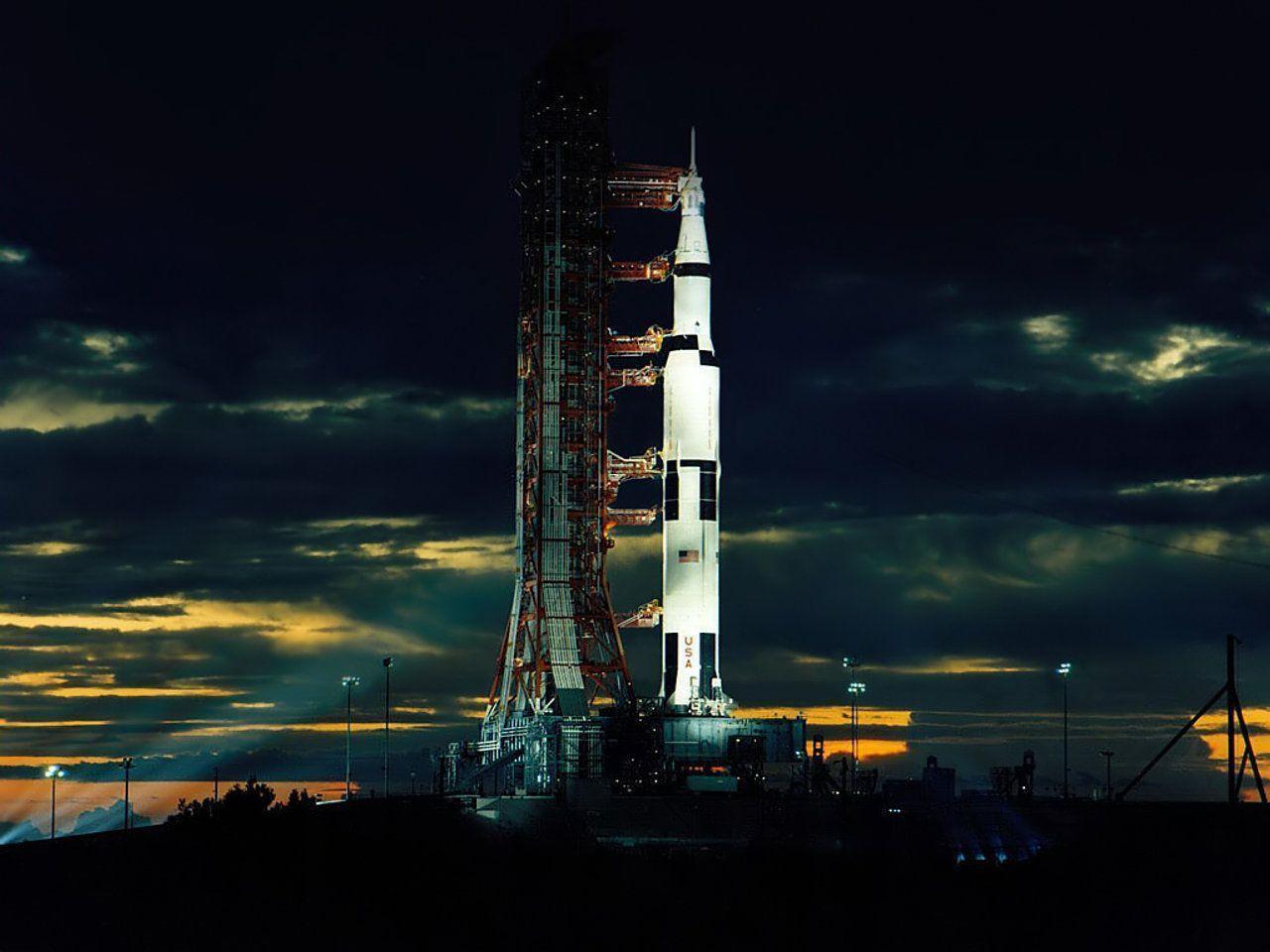
On July 16, 1969, the Saturn V rocket ignited at the Kennedy Space Center, carrying three men—Neil Armstrong, Buzz Aldrin, and Michael Collins—into the unknown. Today, we break down why this mission remains the most significant technological achievement of the 20th century and how its echoes are felt in every satellite launch and rover landing occurring right now.
The Mission That Defined an Era: Saturn V and the Journey to the Moon
To understand the magnitude of Apollo 11, one must first look at the machine that propelled it. The Saturn V rocket remains the most powerful launch vehicle ever successfully flown. Standing 363 feet tall, it generated 7.6 million pounds of thrust. For modern audiences used to the sleek, reusable rockets of SpaceX, the raw, brute force of the Saturn V is a reminder of the "Space Race" urgency during the Cold War.
Imagine the tension in Mission Control. The world was watching on grainy black-and-white televisions. The mission wasn't just about science; it was about proving that the impossible was attainable. The crew traveled over 240,000 miles, a distance that still humbles modern aerospace engineers. The journey took four days, during which the crew had to perform precise maneuvers to enter lunar orbit, a feat that required mathematical perfection without the help of modern high-speed internet or cloud computing.
- Commander: Neil Armstrong – The calm pilot who took the "First Step."
- Lunar Module Pilot: Buzz Aldrin – The brilliant engineer who walked the moon alongside Armstrong.
- Command Module Pilot: Michael Collins – The "loneliest man in history" who stayed in orbit to ensure their return.
- The Rocket: Saturn V – A three-stage liquid-fueled launch vehicle.
- The Destination: The Sea of Tranquility.
The storytelling of Apollo 11 is often centered on the landing, but the transit was equally harrowing. The astronauts lived in a space no larger than a small car, managing complex systems with computers that had less processing power than a modern-day digital watch. This disparity between their technology and their achievement is why Apollo 11 continues to inspire tech innovators today.
"The Eagle Has Landed": 1202 Alarms and the Heart-Stopping Descent
The most dramatic moment of the Apollo 11 mission occurred during the final descent of the Lunar Module (LM), named "Eagle." As Armstrong and Aldrin approached the lunar surface, their primitive computer began flashing "1202" and "1201" program alarms. These were executive overflow errors—the computer was being overworked. In the high-stakes environment of lunar descent, these alarms could have triggered an immediate abort.
In a display of nerves of steel, 26-year-old guidance officer Steve Bales in Houston told the flight director to "Go" through the alarms. But the drama didn't end there. Armstrong noticed that the automated landing system was heading straight for a boulder-strewn crater. With only seconds of fuel remaining, he took manual control, hovering the Eagle like a helicopter and searching for a flat spot to land.
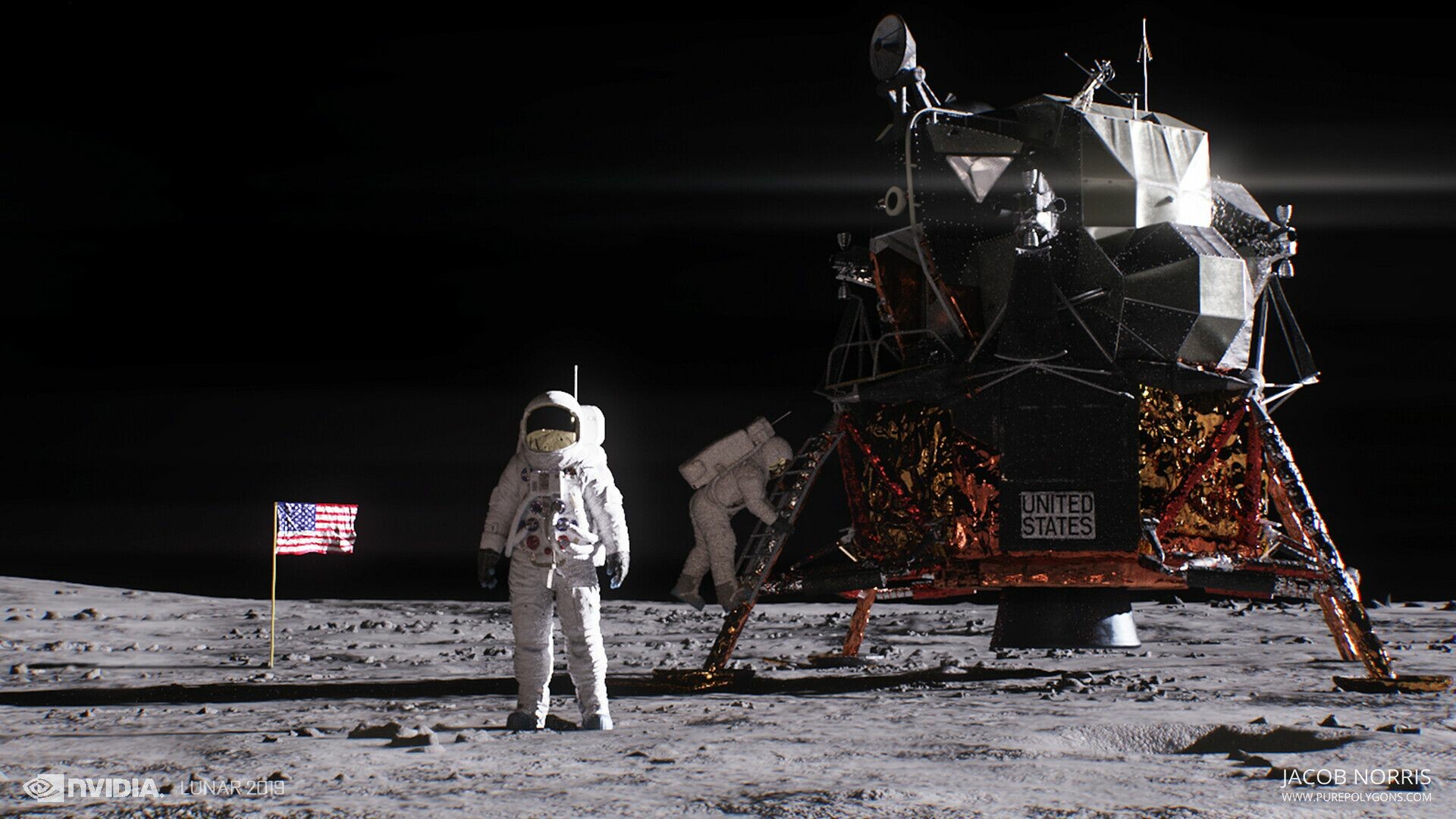
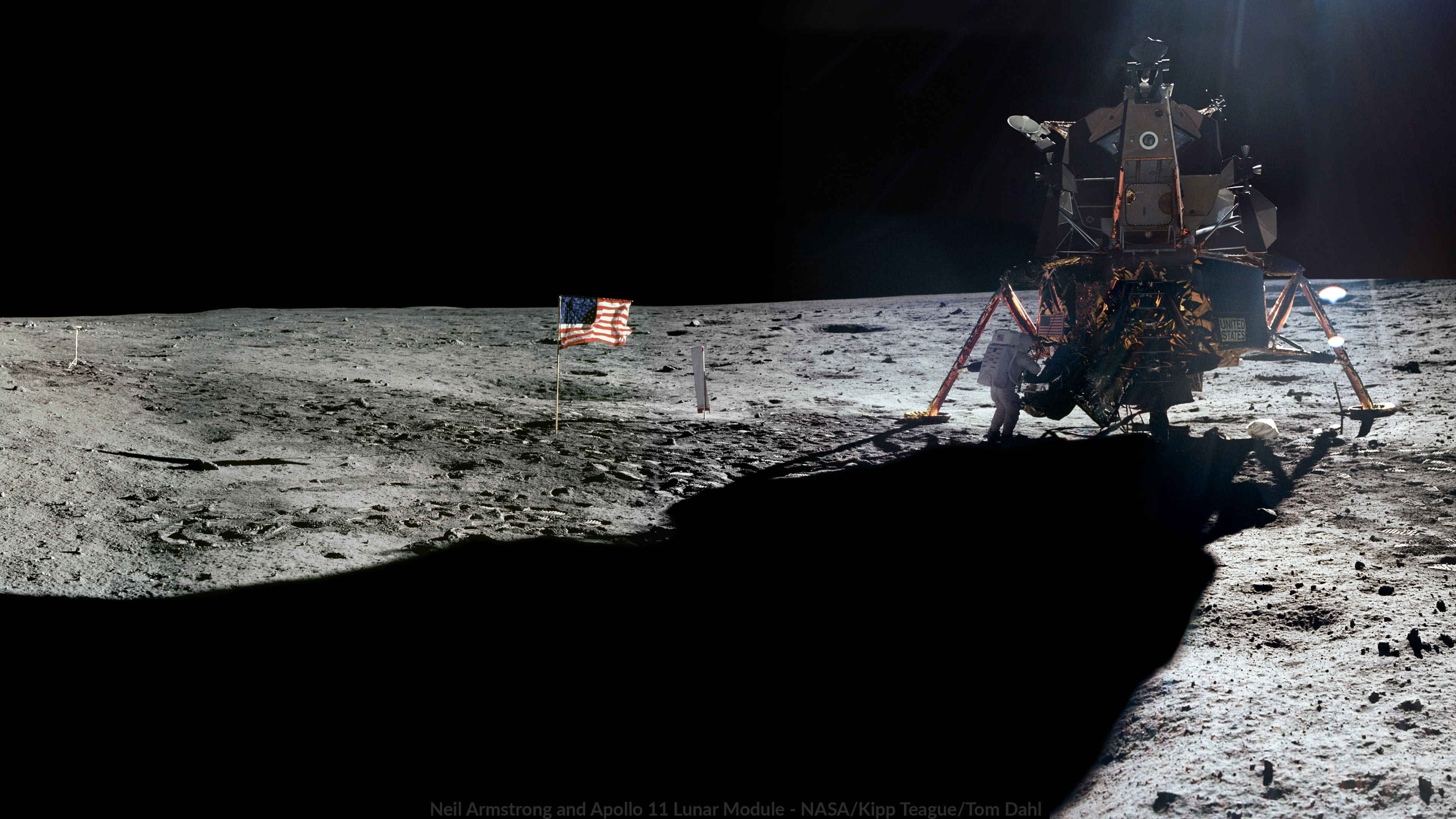
When the pads finally touched the lunar dust, Armstrong famously radioed: "Houston, Tranquility Base here. The Eagle has landed." They had only 25 seconds of usable fuel left. It is these "real-life" thriller moments that keep the Apollo 11 story trending. It wasn't just a triumph of machines, but a triumph of human intuition over mechanical failure.
The "small step for man" that followed changed our perspective of Earth forever. For the first time, humans were looking back at their home planet from the surface of another celestial body. The images brought back—the "Blue Marble"—sparked the modern environmental movement, showing us just how fragile and isolated our world really is.
The Scientific Legacy: What Did Apollo 11 Actually Find?
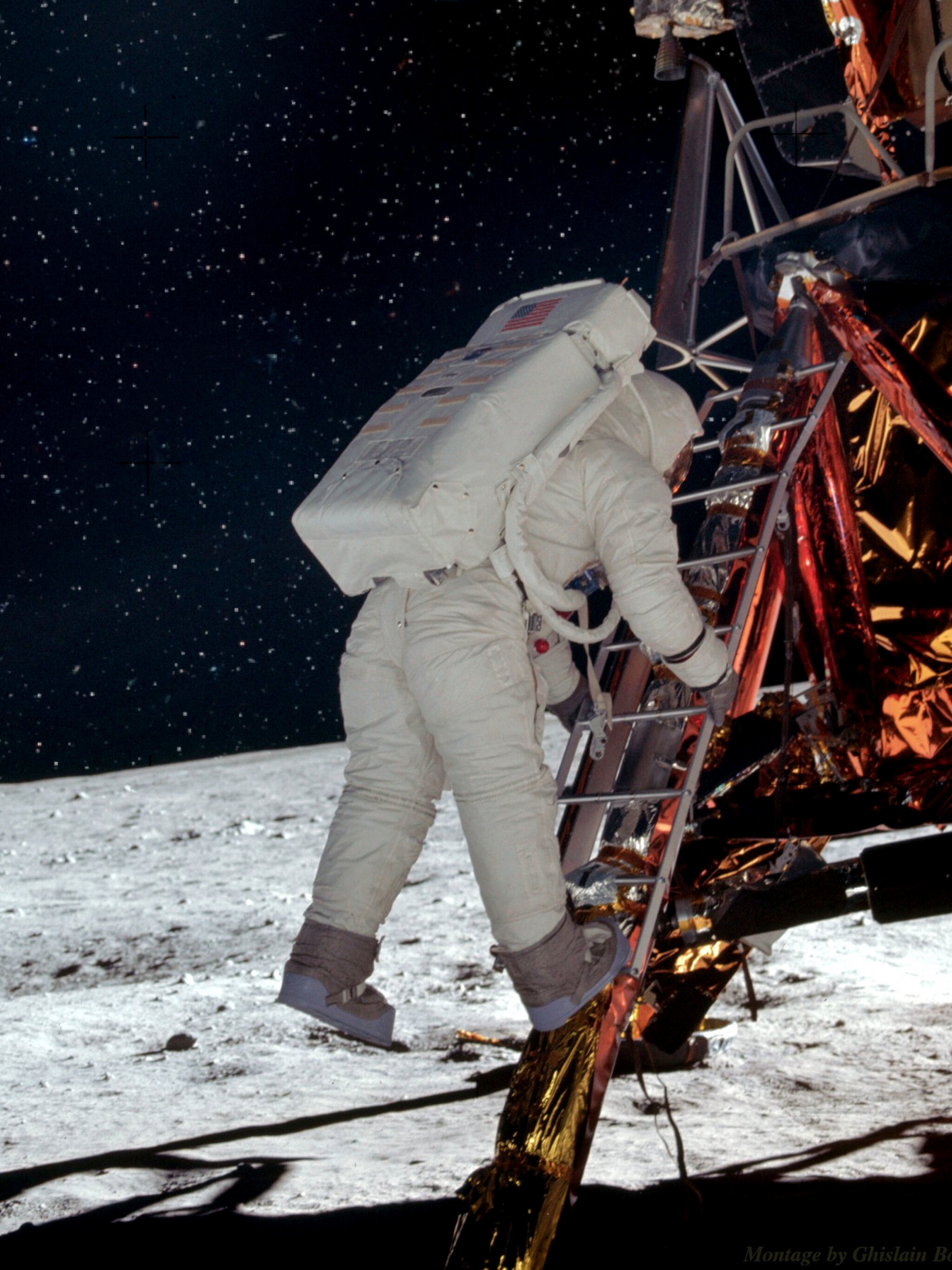
While the geopolitical victory was the headline, the scientific haul from Apollo 11 was transformative. The astronauts spent just over two hours on the lunar surface, but they worked with surgical precision to maximize their time. The Lunar Landing was not just a flag-planting exercise; it was a sophisticated field expedition.
They deployed the Early Apollo Scientific Experiments Package (EASEP), which included a passive seismometer to detect "moonquakes" and a Laser Ranging Retroreflector. Interestingly, that laser reflector is still used today. Scientists on Earth bounce lasers off it to measure the distance between the Earth and the Moon to within a few centimeters. This is a direct, ongoing link to the 1969 mission.
- Lunar Samples: Armstrong and Aldrin collected 47.5 pounds (21.5 kg) of moon rocks and soil.
- Basalt and Breccia: The rocks revealed that the Moon was once a world of molten magma.
- Solar Wind Composition: They deployed a foil sheet to capture particles from the sun, helping us understand space weather.
- Moonquakes: The seismic data proved that the Moon is not a dead rock but has internal activity.
The samples brought back by Apollo 11 (and subsequent missions) have been analyzed for decades. Even today, NASA releases "pristine" samples to new generations of scientists using technology that didn't exist in the 60s. This confirms that Apollo 11 was a gift that keeps on giving to the global scientific community.
From Apollo to Artemis: Why the 1969 Mission Matters Today
Why is Apollo 11 trending in news cycles today? The answer lies in the Artemis Program. NASA's new initiative aims to establish a sustainable human presence on the Moon and eventually send humans to Mars. Artemis is the "twin sister" of Apollo, and the lessons learned in 1969 are the foundation of this new era.
Today's space exploration is no longer a two-country race. It is a global effort involving the ESA, JAXA, and private partners like Blue Origin and SpaceX. However, the fundamental challenges remain the same: radiation protection, life support, and the sheer physics of leaving Earth's gravity. Apollo 11 proved it could be done with slide rules and grit; Artemis will do it with AI and 3D printing.
The storytelling of Apollo 11 serves as a bridge. For the older generation, it is a memory of a time when the world stood still. For the younger "Generation Mars," it is a blueprint for what is possible. When we see the high-definition feeds from the International Space Station or the images of the James Webb Space Telescope, we are seeing the direct descendants of the technology birthed by the Apollo program.
The Human Spirit: Remembering the "Third Man" Michael Collins
Every great story needs a hero, but Apollo 11 had three, each with a different burden. While Armstrong and Aldrin walked the moon, Michael Collins orbited alone in the Command Module, Columbia. Every time he passed behind the dark side of the moon, he was cut off from all radio contact with Earth and his crewmates. He was the only human, living or dead, not in the frame of the famous photographs of the lunar module rising over the moon.
Collins’ role is a vital part of the Apollo 11 narrative because it highlights the sacrifice and teamwork required for such a feat. He had to be prepared to return to Earth alone if his crewmates couldn't blast off from the lunar surface—a haunting possibility that President Nixon had already prepared a speech for. The "forgotten" astronaut's calm professionalism is a reminder that in space exploration, the support roles are just as critical as the ones taking the "giant leap."
Today, as we look toward the future of the Lunar Gateway—a space station that will orbit the moon—we see the evolution of Collins’ lonely vigil. We are no longer just visiting; we are preparing to stay.
Final Thoughts: The Eternal Spark of Apollo 11
Apollo 11 was more than a mission; it was a pivot point for the human species. It took us from a planet-bound civilization to a spacefaring one. As we celebrate the continued updates in space technology and the burgeoning "New Space" economy, the 1969 landing remains our North Star.
The mission taught us that when we combine political will, scientific excellence, and individual bravery, there is no limit to what we can achieve. Whether you are a space enthusiast following the latest SpaceX launch or a student looking at the stars, the story of Apollo 11 is a reminder that the "giant leap" was just the beginning. The moon is no longer a destination; it is a stepping stone to the stars.
In the coming years, we will see new boots on the lunar dust. They will be more diverse, better equipped, and staying for longer. But they will all be walking in the footsteps of the men of Apollo 11, the pioneers who turned a cold, distant light in the sky into a place called home.
Apollo 11
Apollo 11 Wallpapers
Collection of apollo 11 wallpapers for your desktop and mobile devices.
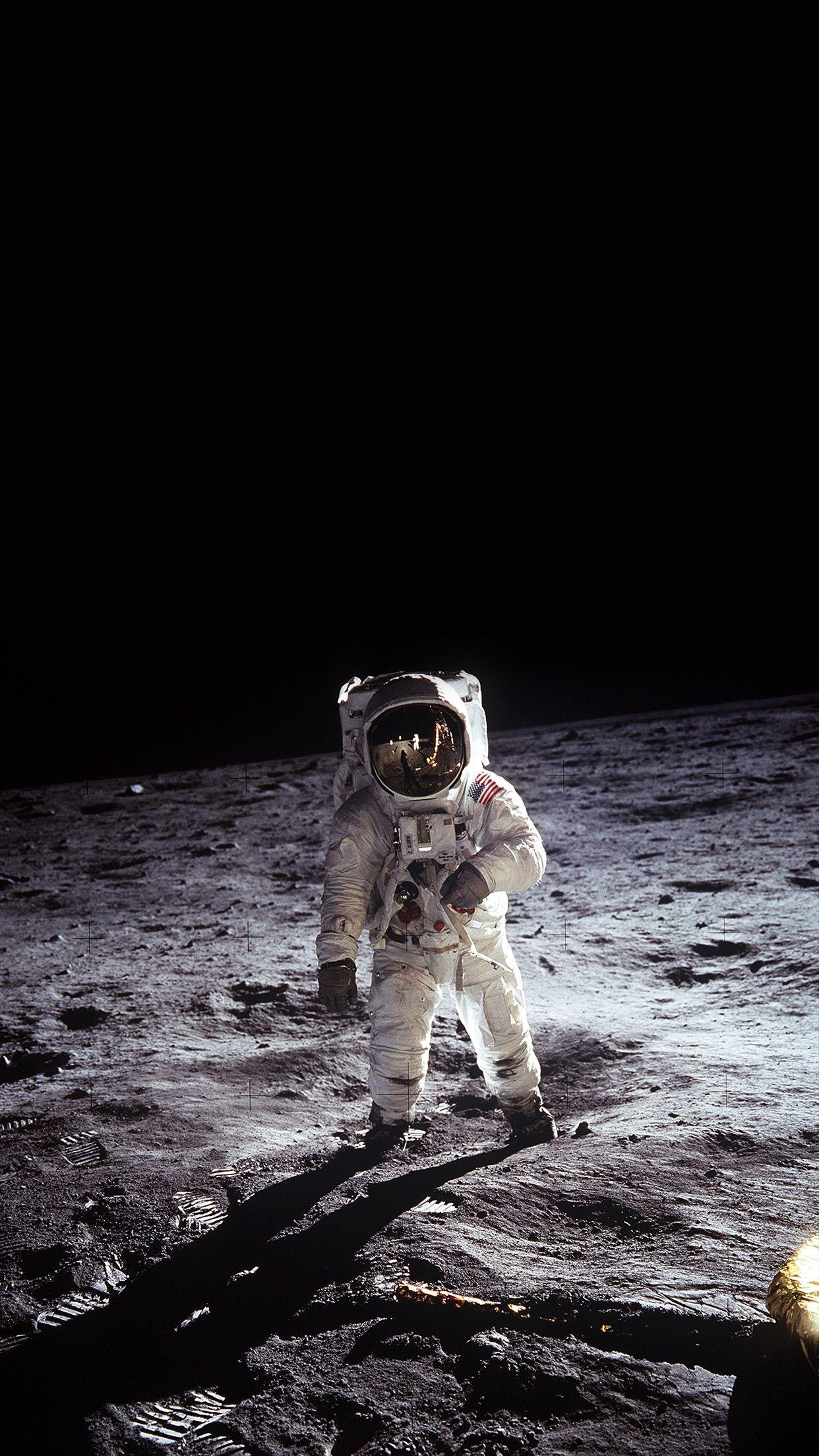
Lush Apollo 11 Moment in 4K
Immerse yourself in the stunning details of this beautiful apollo 11 wallpaper, designed for a captivating visual experience.
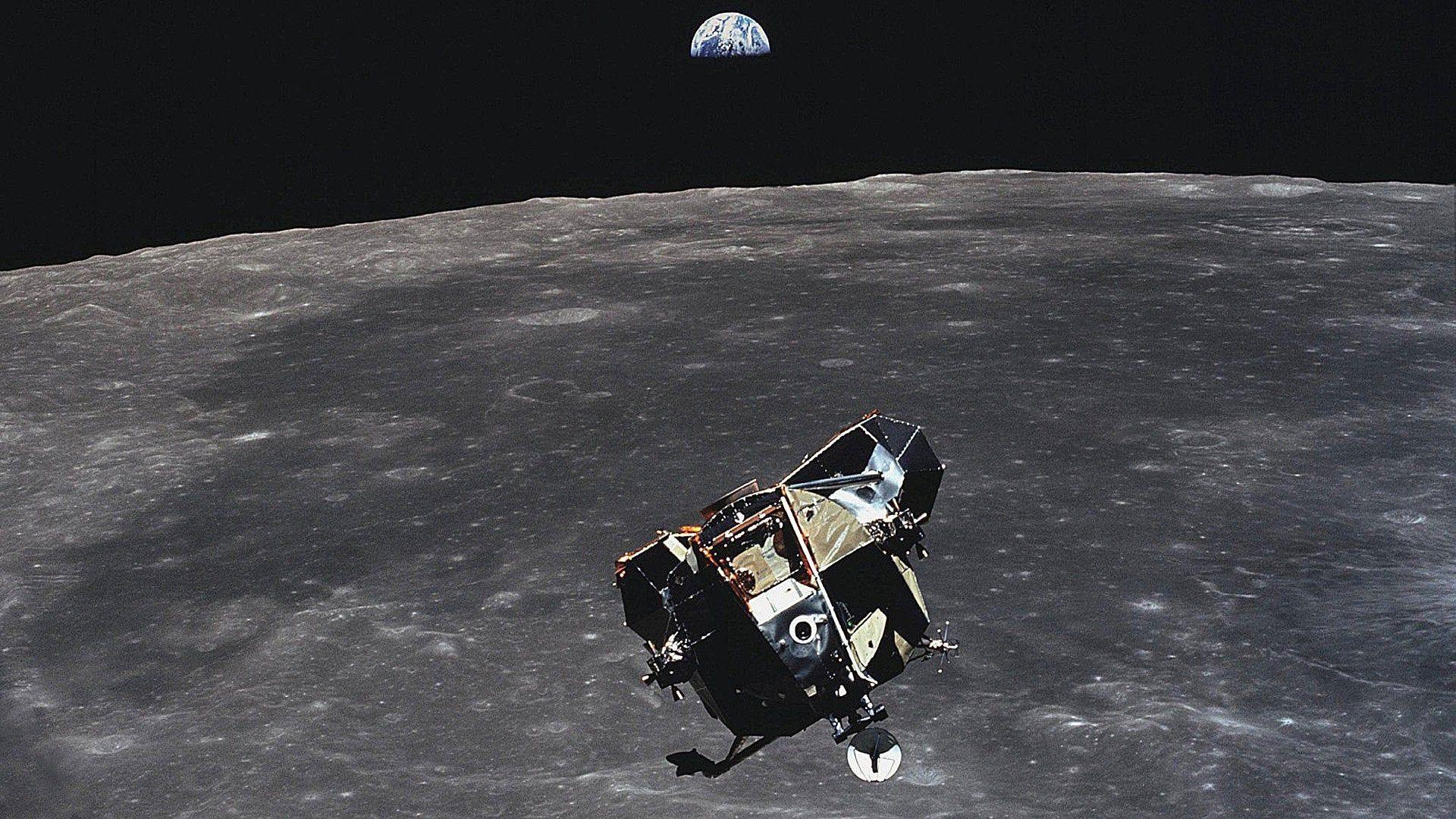
Detailed Apollo 11 Moment for Desktop
Transform your screen with this vivid apollo 11 artwork, a true masterpiece of digital design.
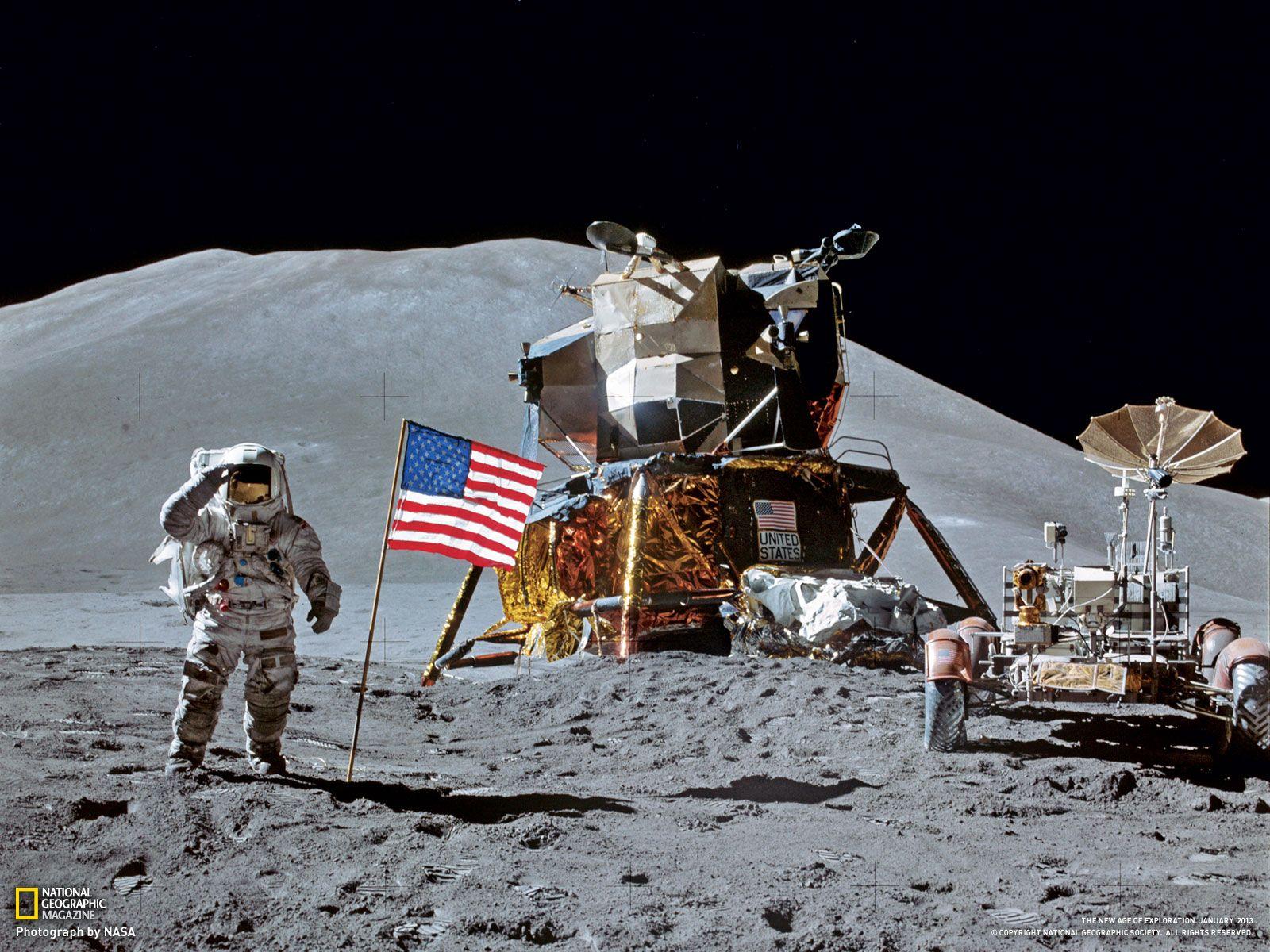
Lush Apollo 11 Image Concept
Find inspiration with this unique apollo 11 illustration, crafted to provide a fresh look for your background.
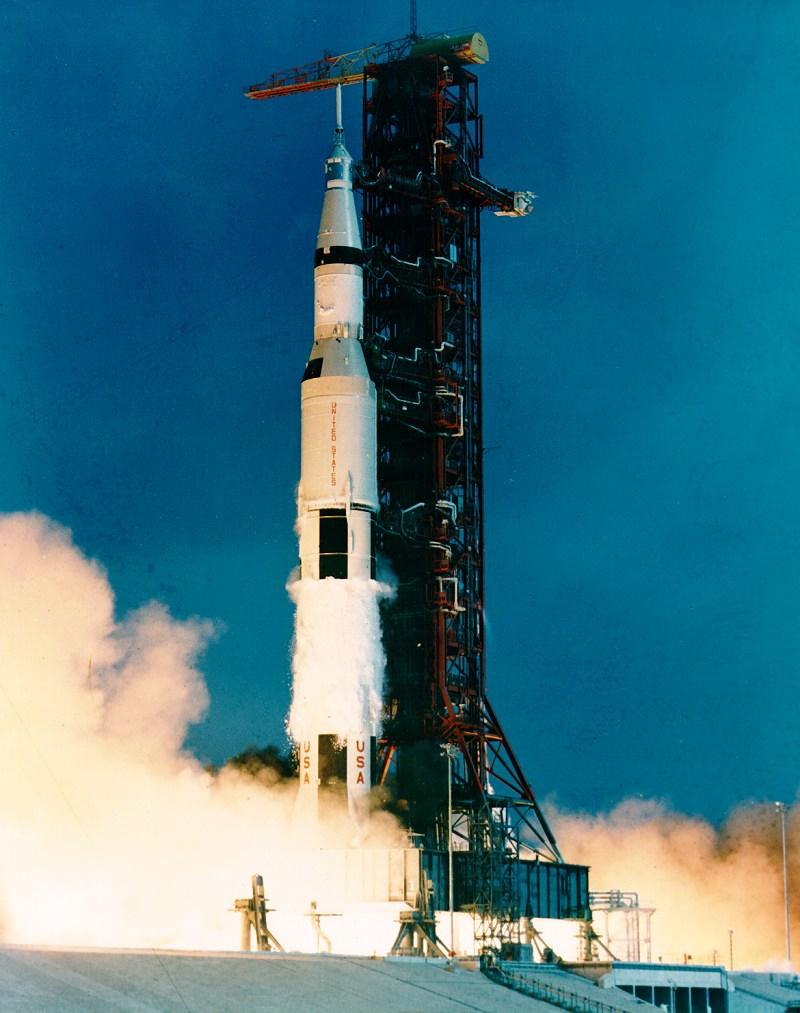
Stunning Apollo 11 Capture Illustration
Find inspiration with this unique apollo 11 illustration, crafted to provide a fresh look for your background.

Gorgeous Apollo 11 Picture Photography
A captivating apollo 11 scene that brings tranquility and beauty to any device.
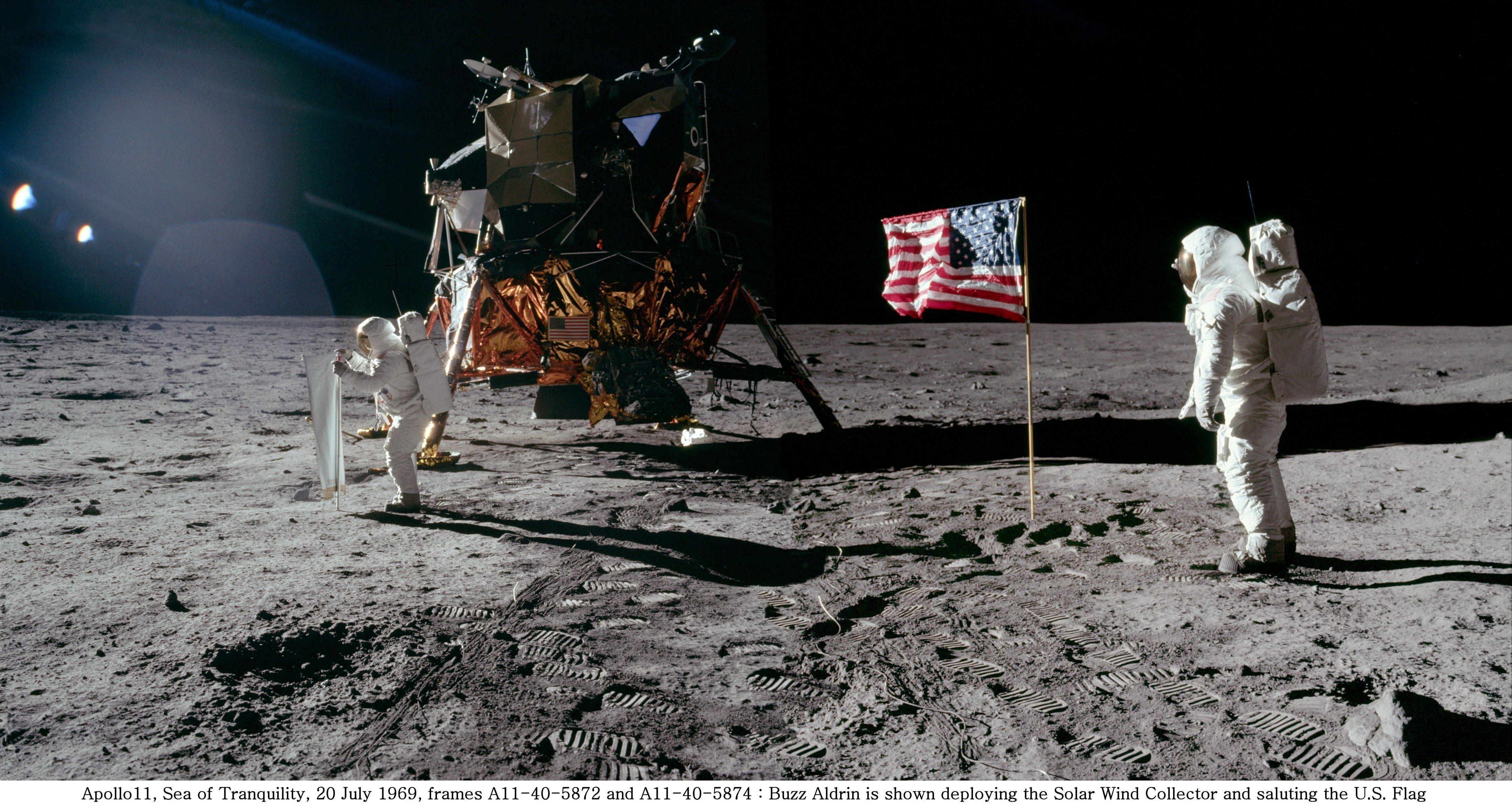
Exquisite Apollo 11 Background for Desktop
A captivating apollo 11 scene that brings tranquility and beauty to any device.
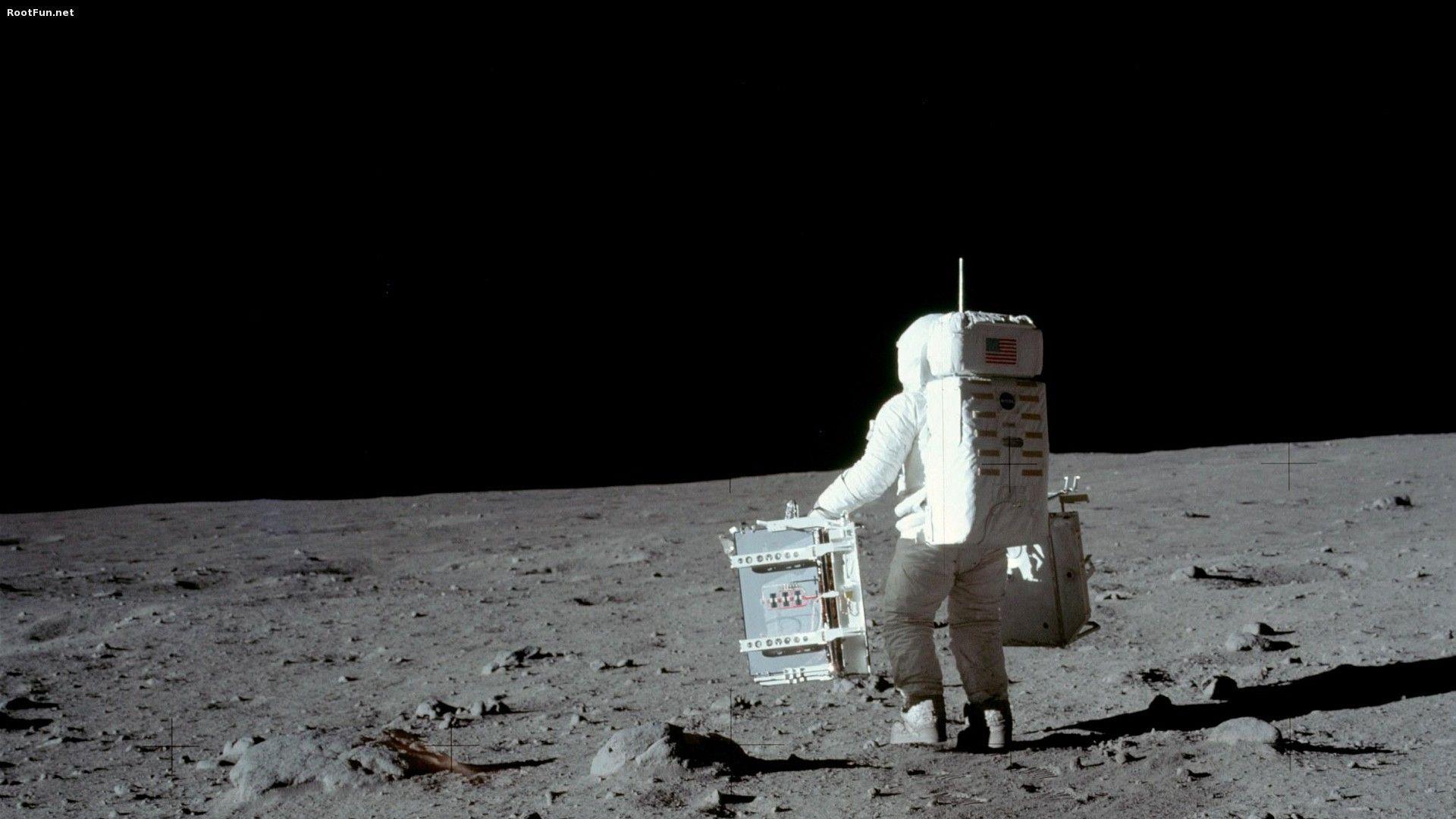
Artistic Apollo 11 Picture for Desktop
This gorgeous apollo 11 photo offers a breathtaking view, making it a perfect choice for your next wallpaper.
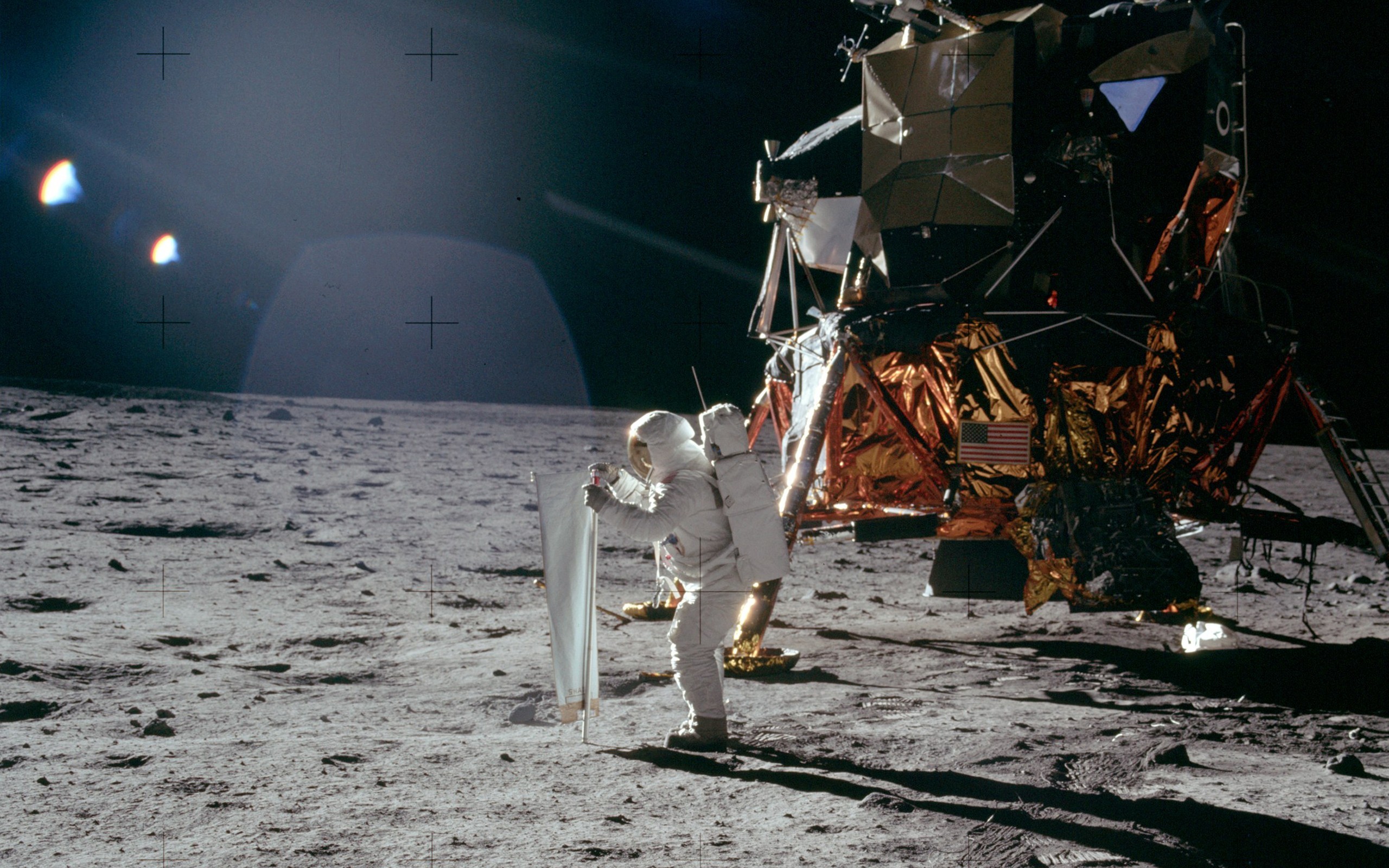
Serene Apollo 11 Scene in HD
Explore this high-quality apollo 11 image, perfect for enhancing your desktop or mobile wallpaper.
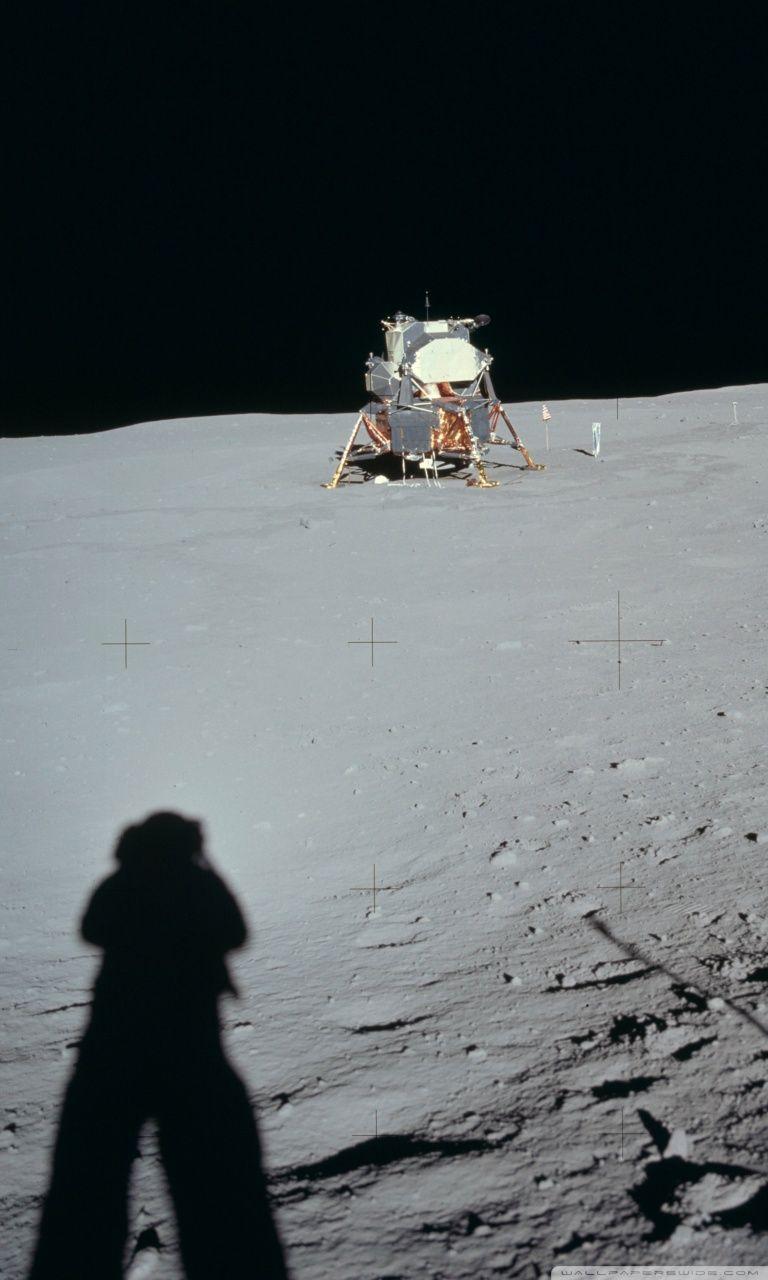
Artistic Apollo 11 Background Art
A captivating apollo 11 scene that brings tranquility and beauty to any device.
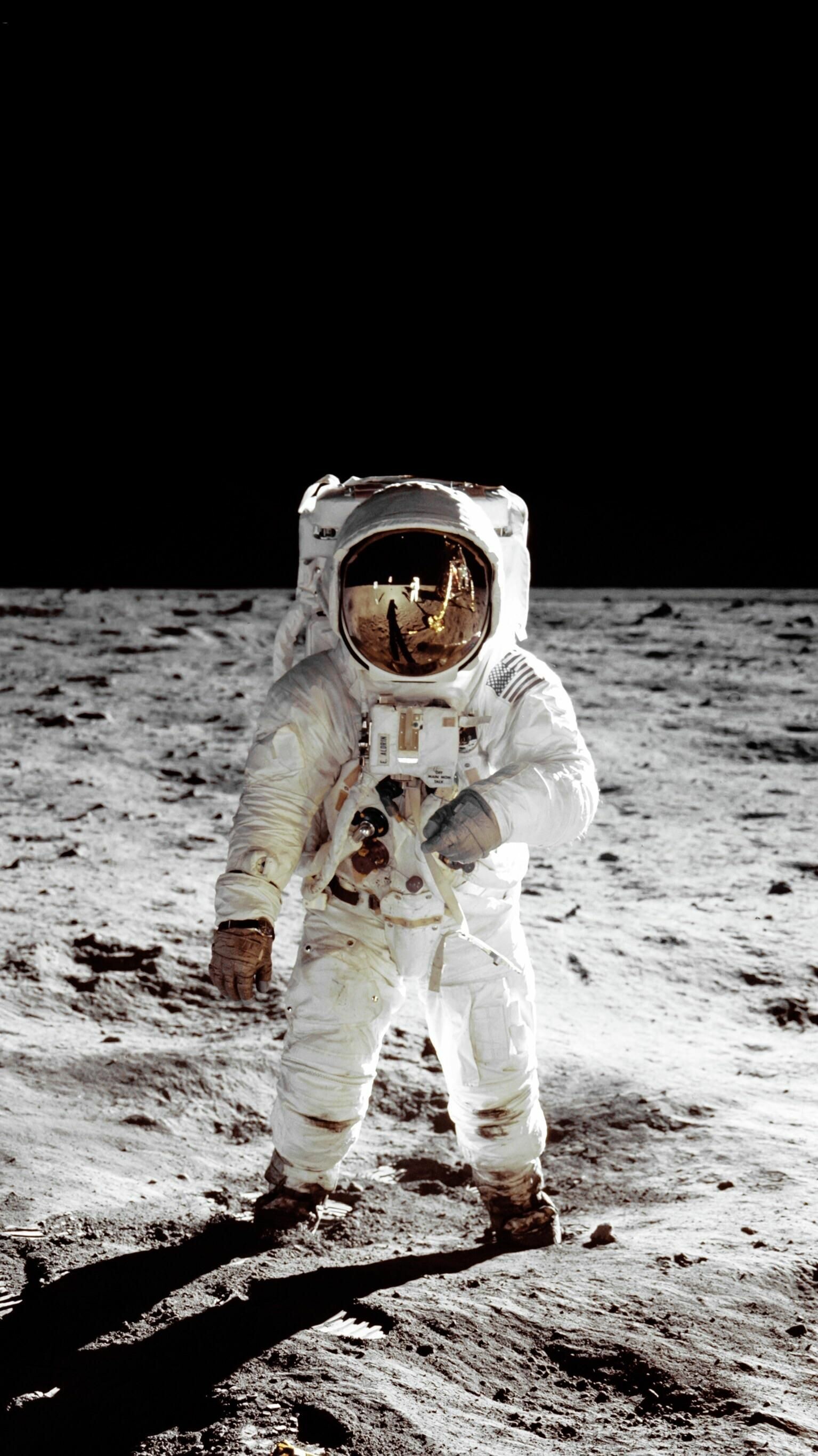
Lush Apollo 11 View in 4K
Find inspiration with this unique apollo 11 illustration, crafted to provide a fresh look for your background.
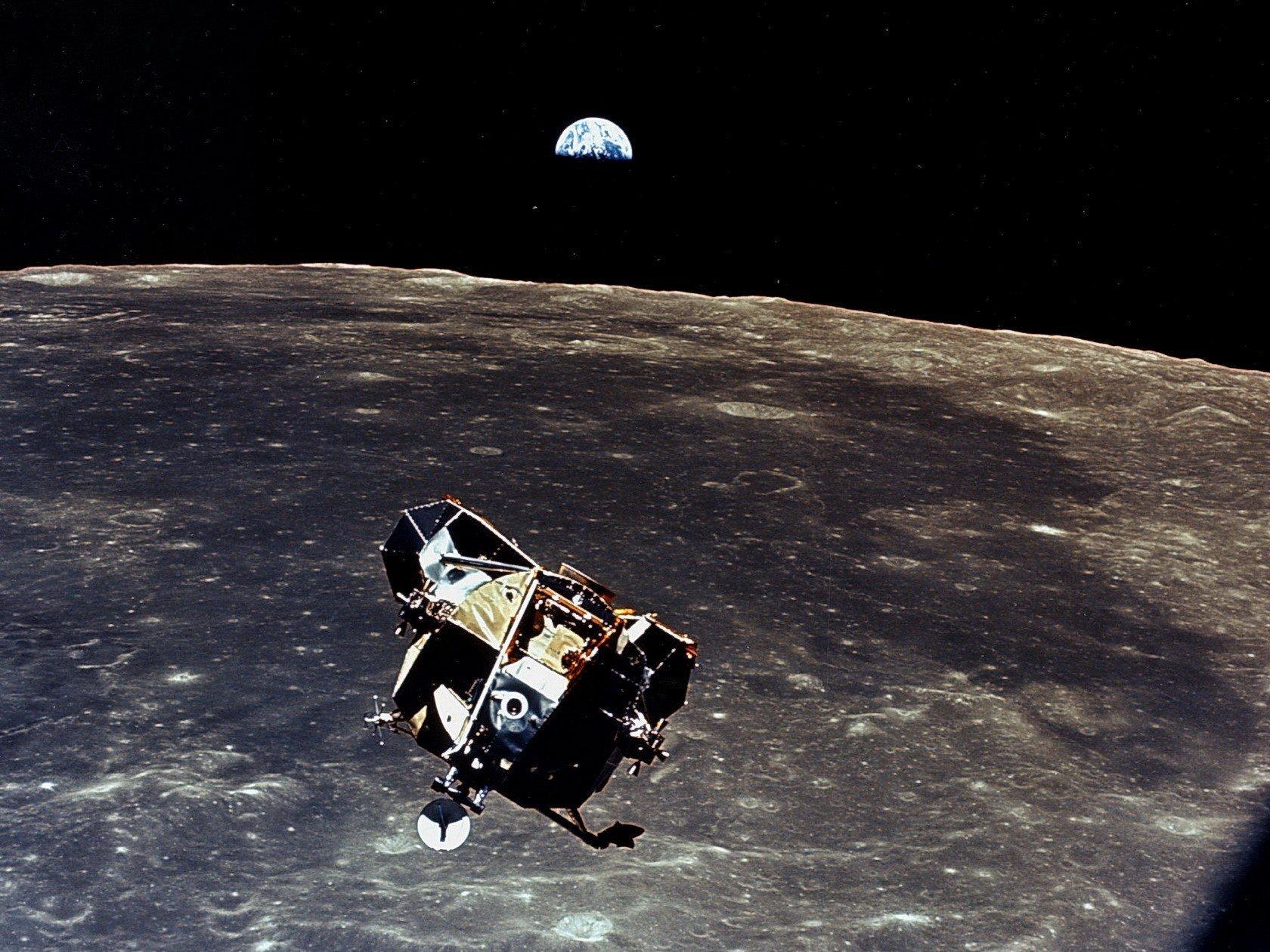
Beautiful Apollo 11 Moment for Desktop
Explore this high-quality apollo 11 image, perfect for enhancing your desktop or mobile wallpaper.
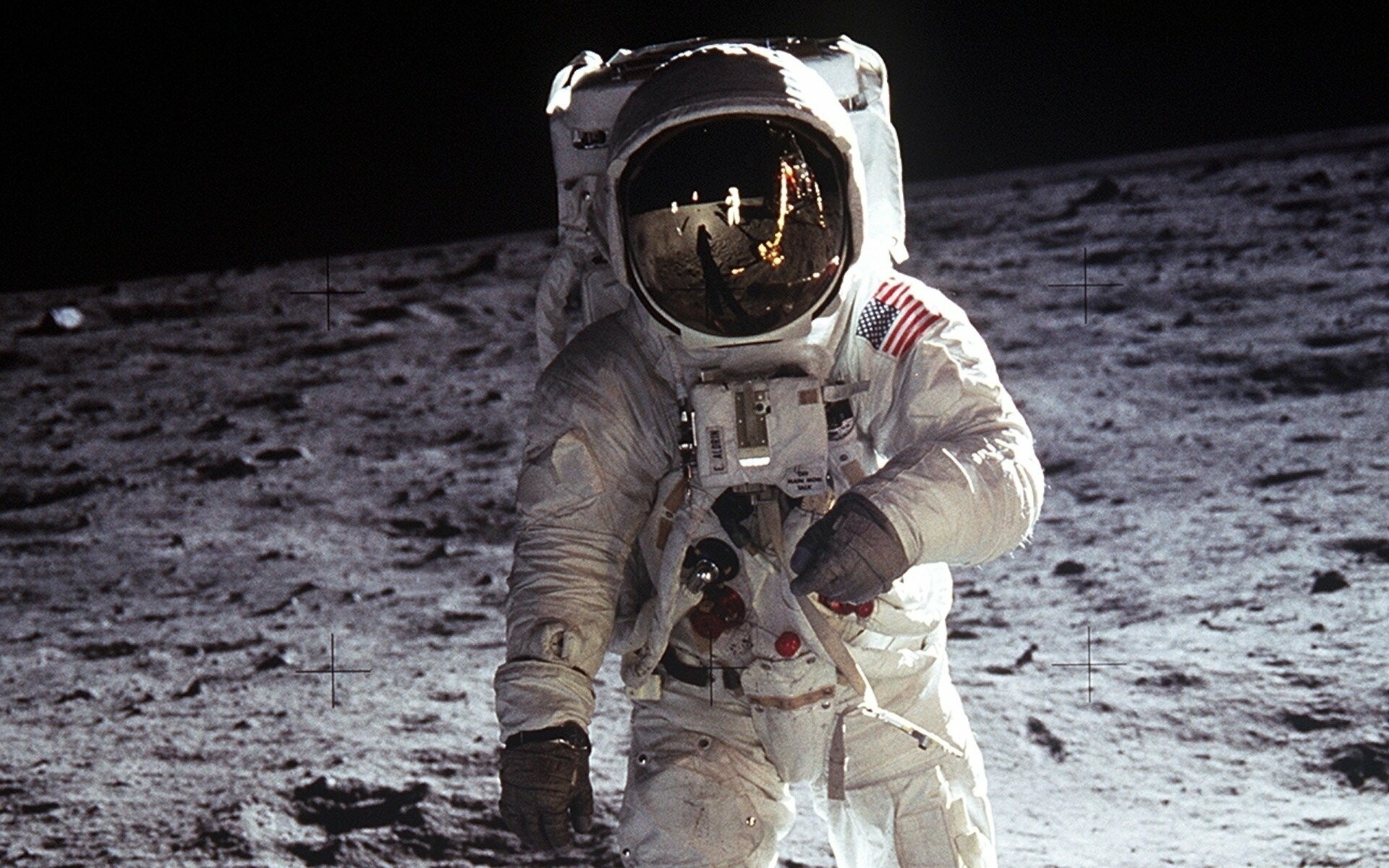
Gorgeous Apollo 11 Scene Collection
Immerse yourself in the stunning details of this beautiful apollo 11 wallpaper, designed for a captivating visual experience.
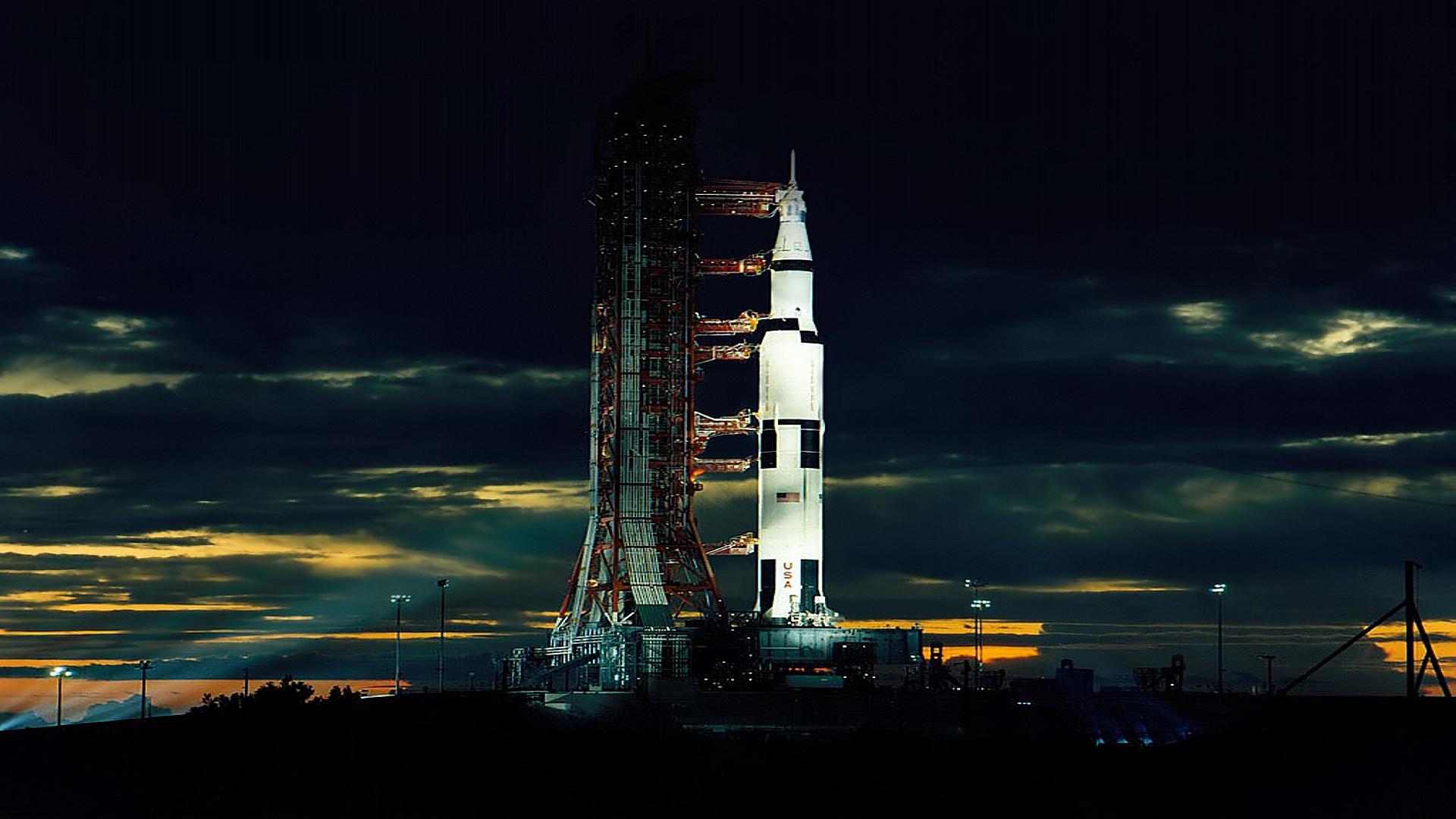
Spectacular Apollo 11 Capture Digital Art
Immerse yourself in the stunning details of this beautiful apollo 11 wallpaper, designed for a captivating visual experience.
Vivid Apollo 11 Artwork Collection
Discover an amazing apollo 11 background image, ideal for personalizing your devices with vibrant colors and intricate designs.
Crisp Apollo 11 Wallpaper in 4K
This gorgeous apollo 11 photo offers a breathtaking view, making it a perfect choice for your next wallpaper.
Serene Apollo 11 Moment Collection
Transform your screen with this vivid apollo 11 artwork, a true masterpiece of digital design.
Serene Apollo 11 Moment for Desktop
Transform your screen with this vivid apollo 11 artwork, a true masterpiece of digital design.
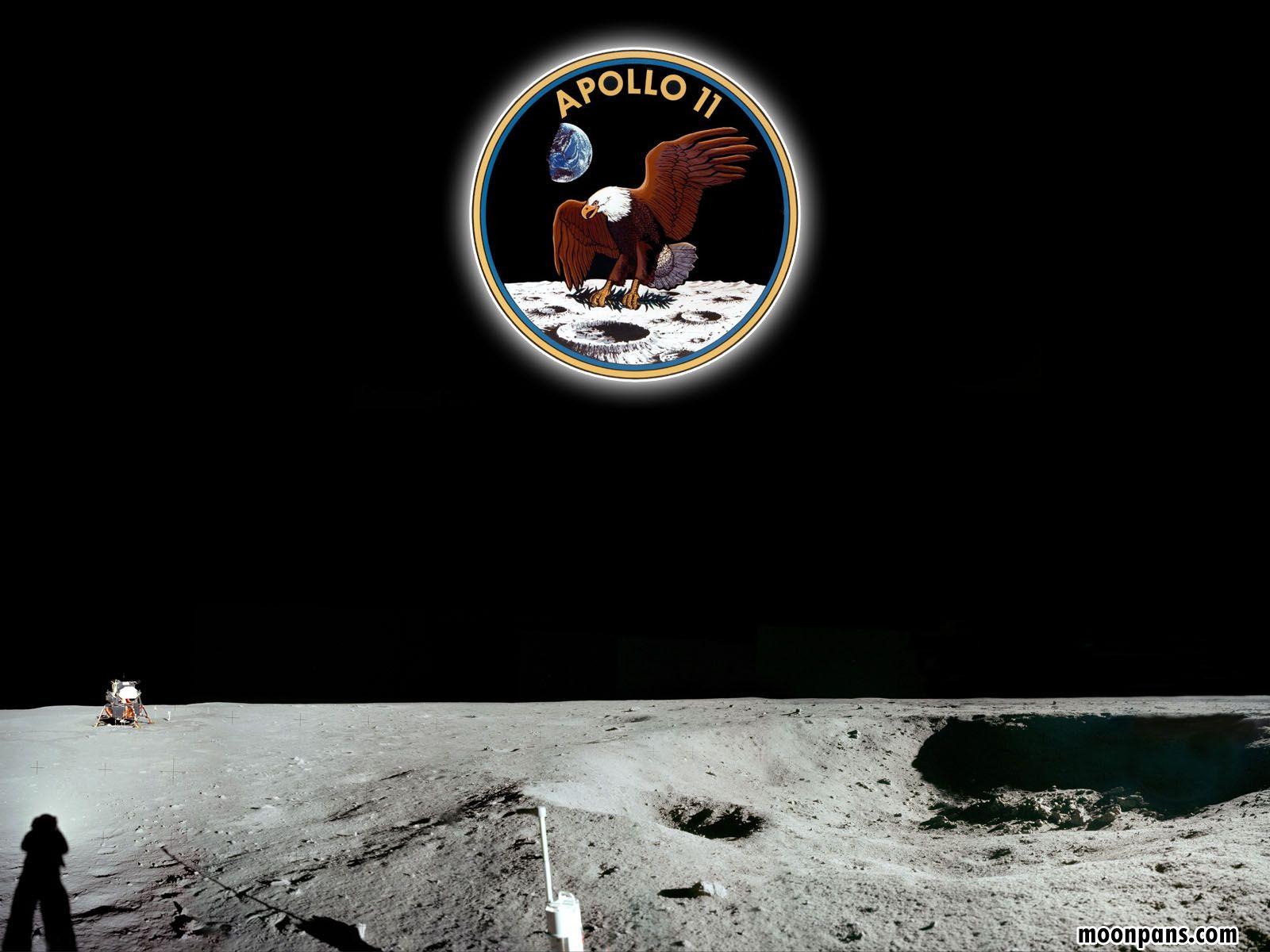
Beautiful Apollo 11 Image for Desktop
Explore this high-quality apollo 11 image, perfect for enhancing your desktop or mobile wallpaper.
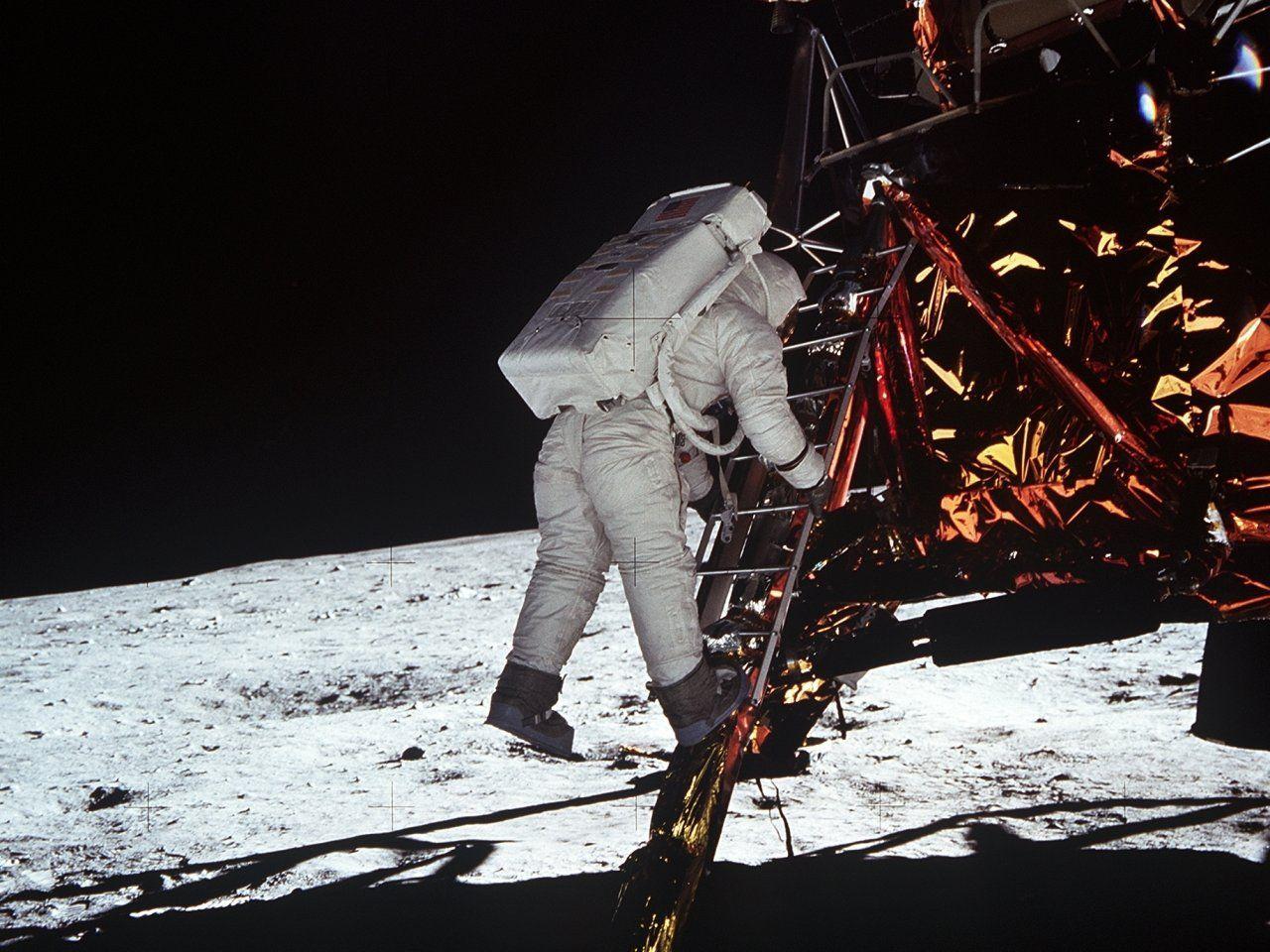
Serene Apollo 11 Wallpaper Concept
Discover an amazing apollo 11 background image, ideal for personalizing your devices with vibrant colors and intricate designs.
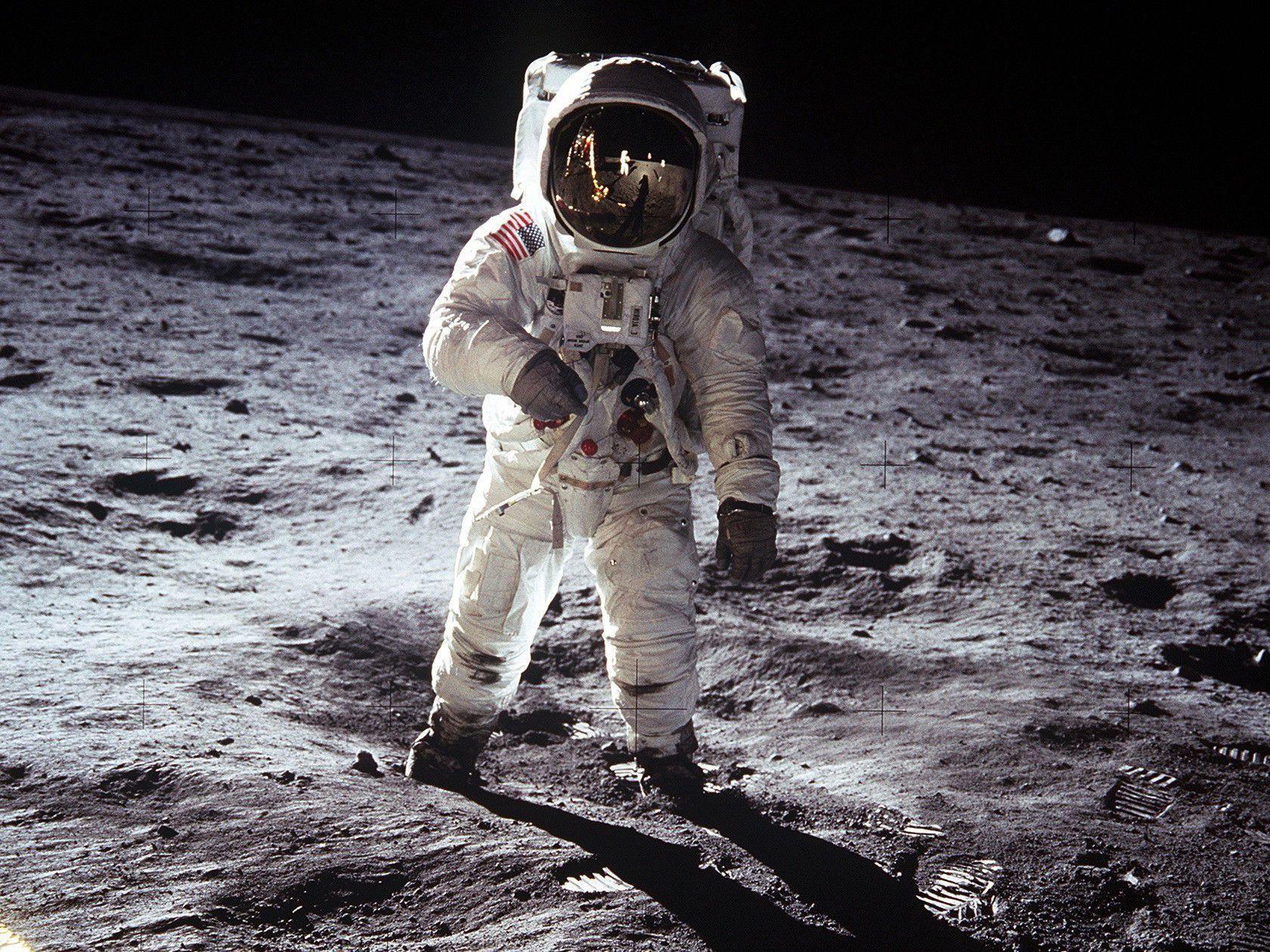
Detailed Apollo 11 Abstract in 4K
Transform your screen with this vivid apollo 11 artwork, a true masterpiece of digital design.
Download these apollo 11 wallpapers for free and use them on your desktop or mobile devices.