Etihad Airways Cuts Fares by 50% as War Hits Demand for Travel
Etihad Airways Cuts Fares by 50% as War Hits Demand for Travel
The global aviation industry is currently navigating through one of its most turbulent periods since the pandemic. In a move that has sent shockwaves through the travel market, Etihad Airways has announced a massive 50% reduction in airfares across several key routes. This drastic pricing strategy comes as escalating regional conflicts continue to dampen the public’s appetite for international travel, particularly through Middle Eastern hubs.
For many travelers, the sight of a 50% discount from a premium carrier like Etihad is unprecedented. Usually, such deep discounts are reserved for flash sales or off-peak seasonal promotions. However, the current geopolitical climate has forced the Abu Dhabi-based airline to prioritize "load factors"—the percentage of available seating capacity that is filled—over short-term profit margins. As news of the price cut spreads, it highlights a growing anxiety within the aviation sector regarding the long-term impact of war on global tourism.
The Strategic Price Slash: A Response to Shrinking Boarding Gates
The decision by Etihad Airways to slash prices is not merely a marketing gimmick; it is a calculated survival tactic. When regional instability hits the headlines, the first casualty is often discretionary spending on travel. Families and business travelers alike become hesitant to book flights that transit through or near conflict zones. This hesitation leads to "ghost flights"—aircraft flying with more empty seats than passengers—which is a financial nightmare for any airline.
By cutting fares by half, Etihad is attempting to stimulate demand among price-sensitive travelers who might be willing to overlook geopolitical concerns for the sake of a bargain. This strategy targets the budget-conscious backpacker, the expatriate looking to return home, and the adventurous tourist. Industry analysts suggest that this move is also a preemptive strike to prevent competitors like Emirates or Qatar Airways from capturing what little demand remains in the current market.
However, the 50% cut comes at a high cost. Maintaining a fleet of modern aircraft, paying for expensive aviation fuel, and keeping up with high-end cabin service standards requires significant revenue. When fares are halved, the airline must rely on high volume to break even. The big question for Etihad is whether the volume will return quickly enough to offset the loss in ticket value.
The Human Toll on Travel: Why Fear is Outpacing the Desire for Adventure
To understand why "Etihad Airways cuts fares by 50% as war hits demand for travel" is such a significant headline, we must look at the human element. Take the story of Elena, a freelance graphic designer based in London. For months, Elena had been planning a "bucket list" trip to the Maldives with a stopover in Abu Dhabi. She had saved specifically for an Etihad business class seat, known for its luxury and comfort.
But when news of the escalating conflict broke, Elena’s excitement turned to anxiety. "It wasn't just about my safety," she explains. "It was the uncertainty. What if the airspace closes? What if I get stuck? Suddenly, the luxury of the flight didn't matter as much as the peace of mind of staying home." Elena is not alone. Thousands of travelers have opted to cancel or postpone trips, leading to a sharp decline in forward bookings across the Middle Eastern corridor.
This "fear factor" is what Etihad is fighting against. The airline is not just selling a seat; it is trying to sell confidence. Along with the price cuts, Etihad has been emphasizing its rigorous safety protocols and flexible rebooking policies. They want to reassure travelers like Elena that even if the world feels unstable, their travel plans don't have to be. Yet, for many, even a 50% discount isn't enough to outweigh the perceived risks of flying during a time of war.
Navigating the Turbulence: How Geopolitics Reshapes Global Flight Paths
The impact of war on aviation goes far beyond simple demand and supply. It physically changes the map of the world. When conflict erupts, certain airspaces become "no-fly zones," forcing airlines to reroute their planes. These detours often result in longer flight times, which in turn increases fuel consumption—the single largest expense for any carrier.
- Increased Fuel Costs: Rerouting around conflict zones adds hours to journeys, burning thousands of extra gallons of jet fuel.
- Operational Logistics: Crew schedules must be adjusted for longer flights, and maintenance cycles are accelerated due to increased flight hours.
- Insurance Premiums: Airlines operating in or near sensitive regions often face higher insurance costs, further squeezing their margins.
- Hub Vitality: For airlines like Etihad, the success of the "hub-and-spoke" model depends on Abu Dhabi being a safe, attractive transit point. If travelers avoid the hub, the entire network suffers.
Despite these rising operational costs, Etihad’s choice to lower fares shows a commitment to maintaining its market share. It is a gamble that the conflict will be short-lived and that by keeping their planes in the air—even at a loss—they will be better positioned for the eventual recovery. It is a strategy of "staying visible" in a world that is currently looking away.
The Economic Ripple Effect: From Abu Dhabi to the World
The 50% fare cut doesn't just affect Etihad; it has a ripple effect on the global economy. Airlines are vital engines for trade and tourism. When a major carrier like Etihad struggles, it impacts hotel occupancy rates in the UAE, reduces foot traffic in duty-free shopping malls, and even affects the global supply chain, as much of the world's high-value cargo travels in the bellies of passenger planes.
Furthermore, this move could trigger a "price war" in the aviation industry. If other airlines follow suit to stay competitive, we could see a period of historically low airfares globally. While this is great news for the consumer's wallet, it can be devastating for the financial health of the airlines. Many carriers are still recovering from the debt accumulated during the COVID-19 pandemic, and another period of low yields could push some smaller players toward bankruptcy.
Economists are watching the situation closely. The aviation sector is often seen as a "canary in the coal mine" for the global economy. If travel demand remains low despite massive discounts, it signals a broader consumer retreat that could lead to a slowdown in international trade and tourism-dependent economies. Etihad's drastic move is a clear indicator that the industry is in a defensive crouch, waiting for the geopolitical storm to pass.
Safety First: Understanding the Risks and Realities of Regional Air Travel
For those tempted by the 50% discount, the primary question remains: is it safe? Etihad Airways, along with other major Gulf carriers, maintains some of the highest safety ratings in the world. Modern aviation technology allows airlines to monitor geopolitical developments in real-time, adjusting flight paths within minutes to avoid potential hazards. Global aviation bodies like IATA and ICAO provide constant guidance to ensure that civilian aircraft are never put in harm's way.
However, the "perception of safety" is often different from the "reality of safety." Even if a flight path is 500 miles away from a conflict, the proximity on a map can be enough to deter passengers. Etihad's marketing team is now tasked with a difficult job: they must acknowledge the global situation while emphasizing the normalcy and security of their operations. They are promoting Abu Dhabi not just as a transit hub, but as a safe haven for travelers seeking a stopover in a world-class city.
As we look toward the final quarter of the year, the success of this 50% fare cut will be a litmus test for the industry. Will travelers prioritize their budgets, or will they prioritize their peace of mind? For now, Etihad is betting on the former, hoping that the lure of a half-price ticket is strong enough to overcome the shadows of war.
- Check for flexible cancellation policies before booking.
- Monitor travel advisories from your local government.
- Consider travel insurance that includes "cancel for any reason" (CFAR) coverage.
- Stay updated on Etihad's official newsroom for real-time schedule changes.
In conclusion, the news that Etihad Airways cuts fares by 50% as war hits demand for travel is a sobering reminder of how interconnected our world is. While the discounts offer a golden opportunity for some to see the world at a fraction of the cost, they also highlight the fragility of global peace and the immense pressure currently facing the aviation industry. As the situation evolves, both the airline and its passengers will have to navigate a complex landscape of risk, reward, and the enduring human desire to explore.
Etihad Airways cuts fares by 50% as war hits demand for travel
Etihad Airways cuts fares by 50% as war hits demand for travel Wallpapers
Collection of etihad airways cuts fares by 50% as war hits demand for travel wallpapers for your desktop and mobile devices.
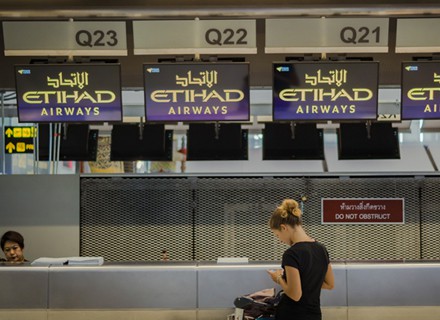
Beautiful Etihad Airways Cuts Fares By 50% As War Hits Demand For Travel Wallpaper Concept
Explore this high-quality etihad airways cuts fares by 50% as war hits demand for travel image, perfect for enhancing your desktop or mobile wallpaper.
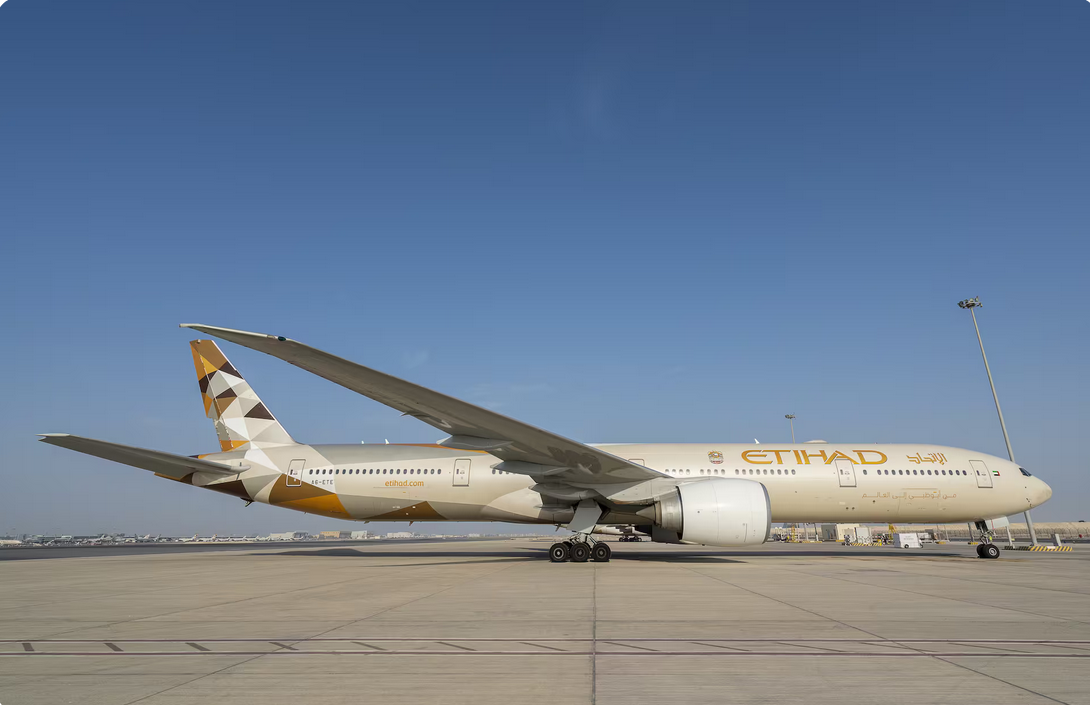
Vibrant Etihad Airways Cuts Fares By 50% As War Hits Demand For Travel Abstract for Desktop
Transform your screen with this vivid etihad airways cuts fares by 50% as war hits demand for travel artwork, a true masterpiece of digital design.
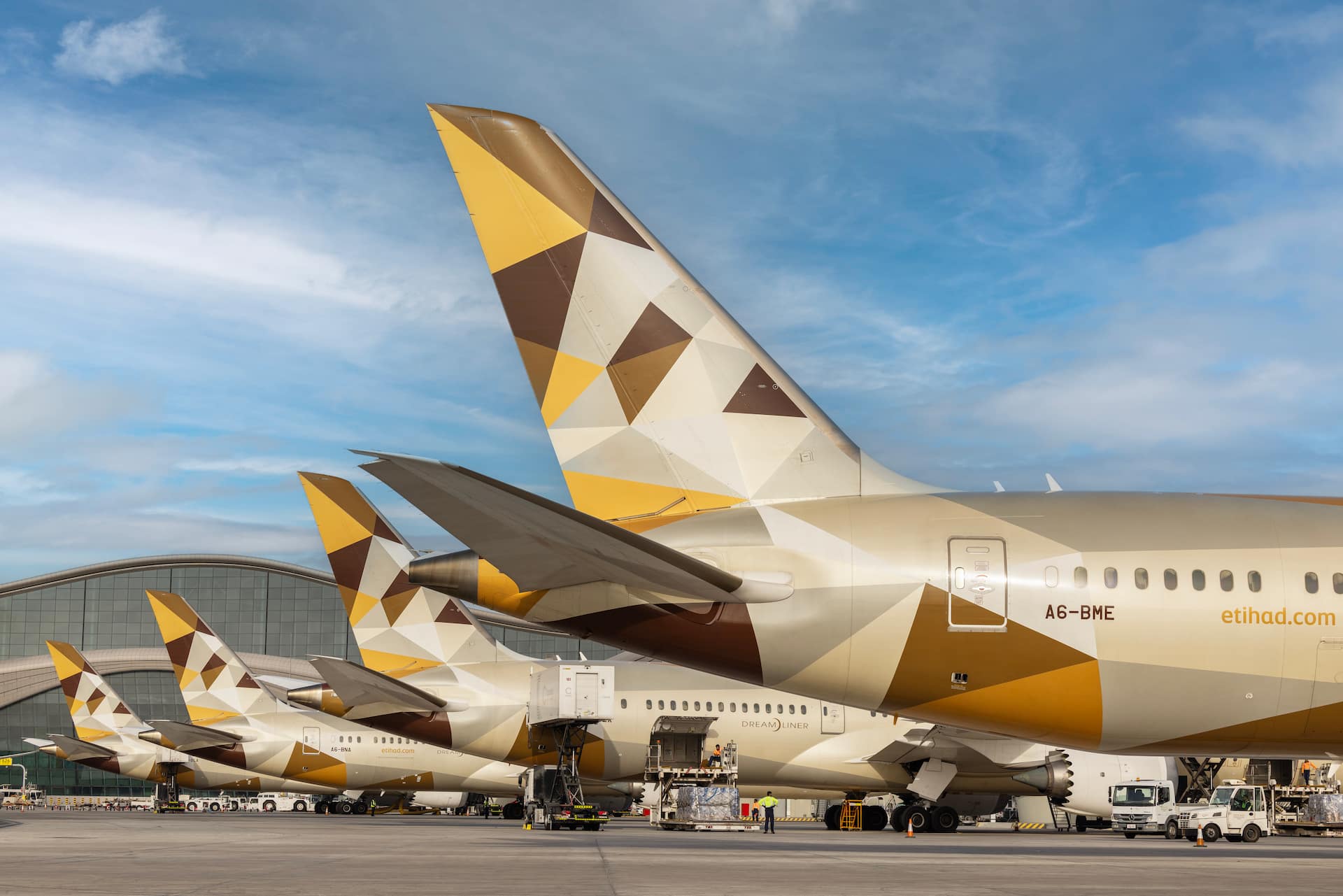
Dynamic Etihad Airways Cuts Fares By 50% As War Hits Demand For Travel Abstract for Desktop
A captivating etihad airways cuts fares by 50% as war hits demand for travel scene that brings tranquility and beauty to any device.
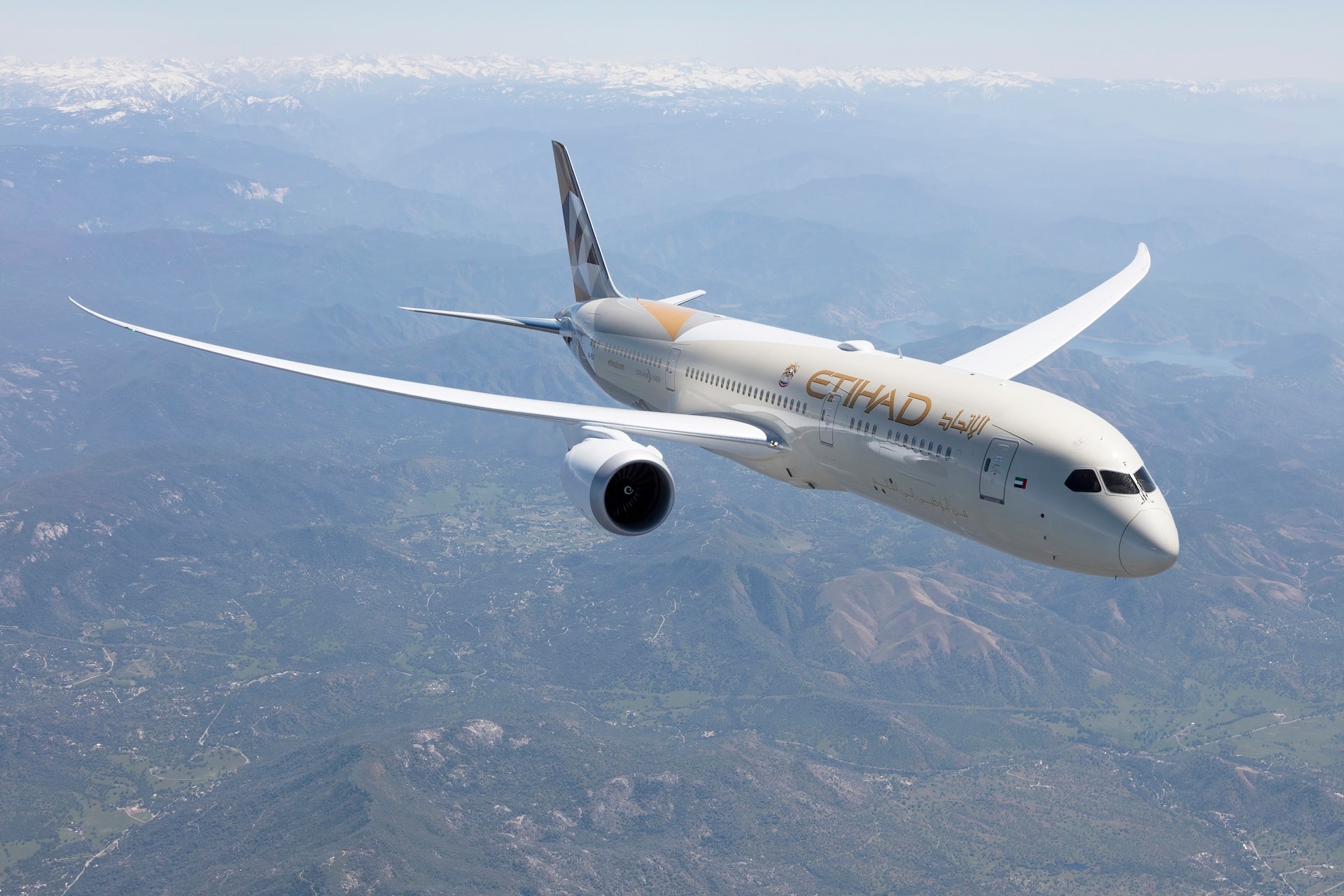
Vibrant Etihad Airways Cuts Fares By 50% As War Hits Demand For Travel Landscape Collection
Experience the crisp clarity of this stunning etihad airways cuts fares by 50% as war hits demand for travel image, available in high resolution for all your screens.
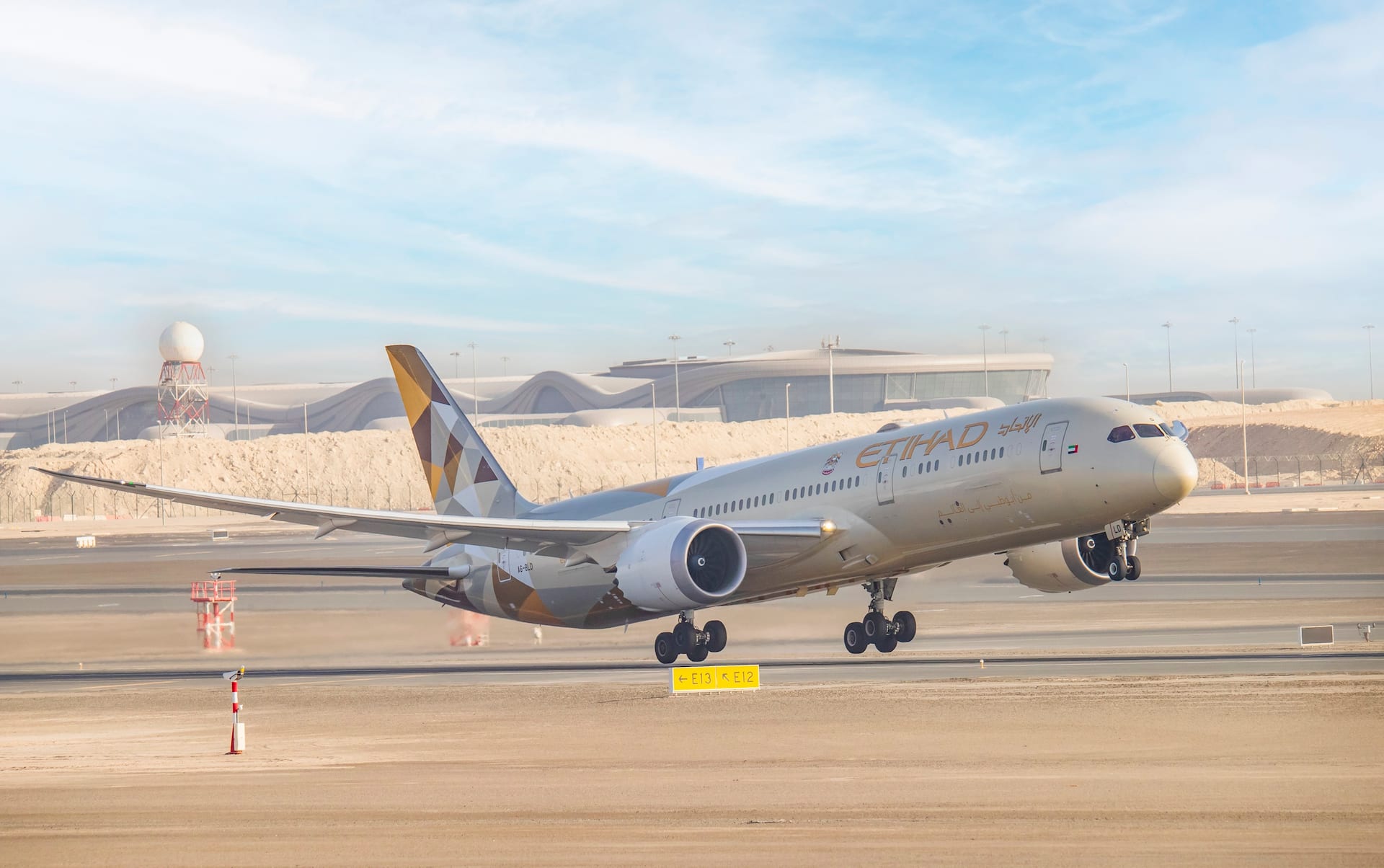
Gorgeous Etihad Airways Cuts Fares By 50% As War Hits Demand For Travel Scene for Your Screen
This gorgeous etihad airways cuts fares by 50% as war hits demand for travel photo offers a breathtaking view, making it a perfect choice for your next wallpaper.
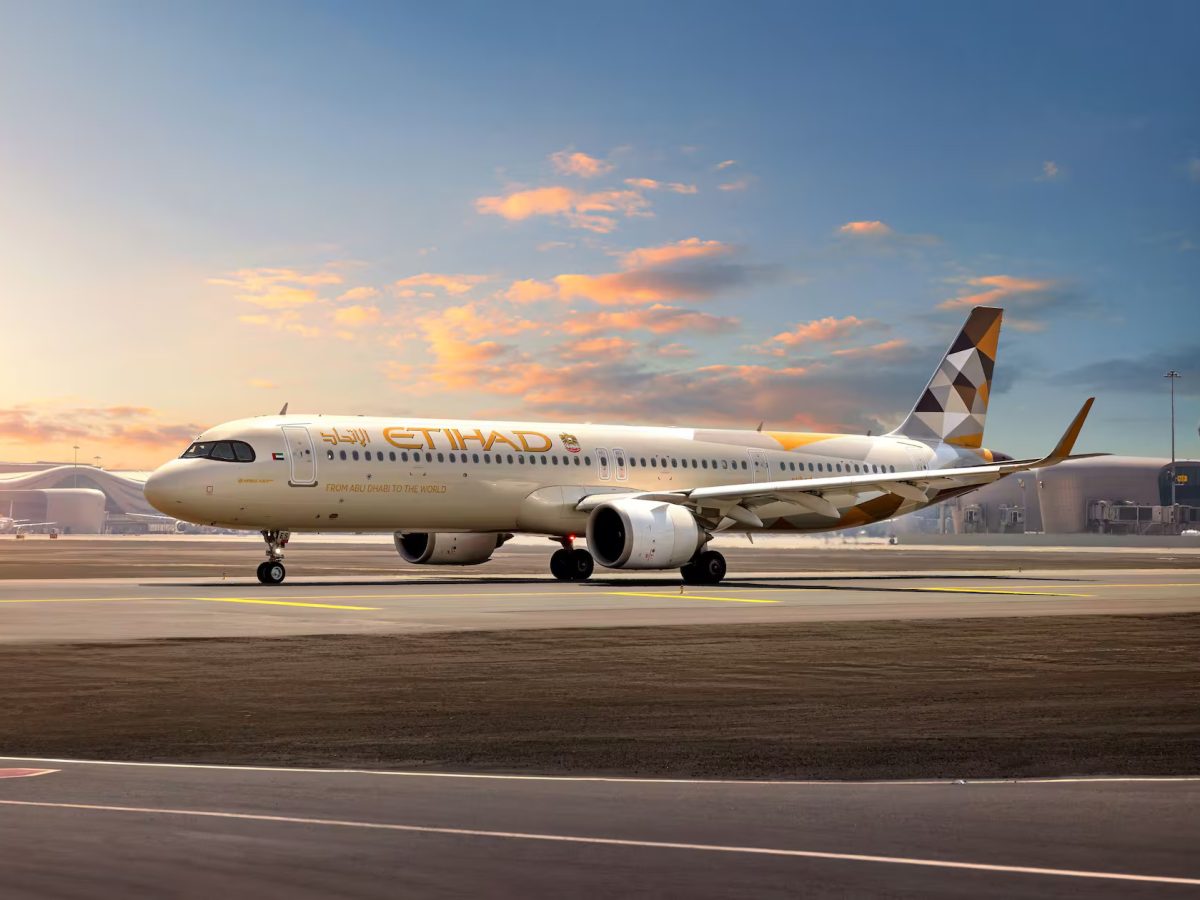
Stunning Etihad Airways Cuts Fares By 50% As War Hits Demand For Travel View Art
Find inspiration with this unique etihad airways cuts fares by 50% as war hits demand for travel illustration, crafted to provide a fresh look for your background.

Crisp Etihad Airways Cuts Fares By 50% As War Hits Demand For Travel Photo Collection
A captivating etihad airways cuts fares by 50% as war hits demand for travel scene that brings tranquility and beauty to any device.
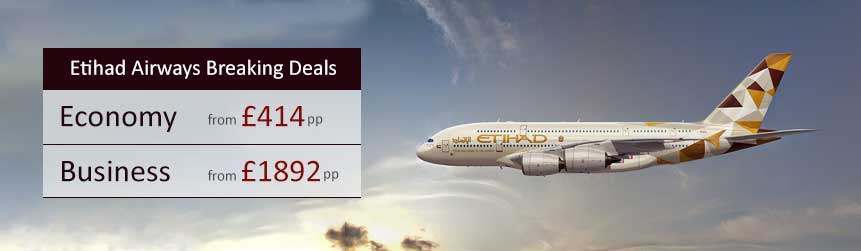
Lush Etihad Airways Cuts Fares By 50% As War Hits Demand For Travel Scene for Mobile
A captivating etihad airways cuts fares by 50% as war hits demand for travel scene that brings tranquility and beauty to any device.
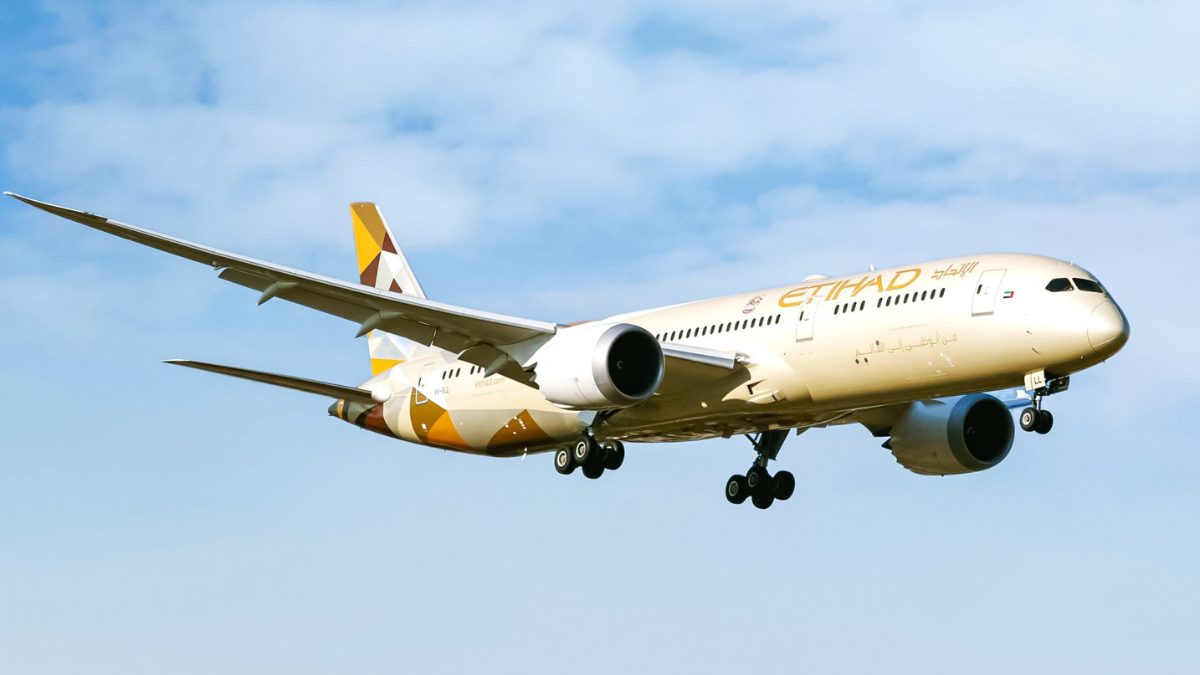
Lush Etihad Airways Cuts Fares By 50% As War Hits Demand For Travel Picture Art
Immerse yourself in the stunning details of this beautiful etihad airways cuts fares by 50% as war hits demand for travel wallpaper, designed for a captivating visual experience.
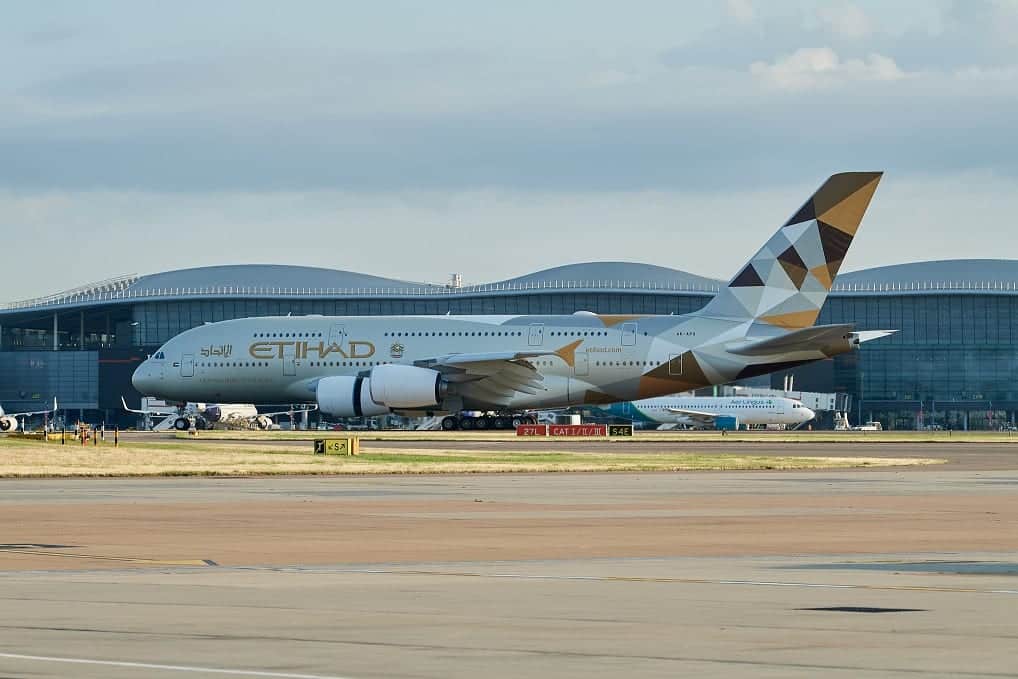
Stunning Etihad Airways Cuts Fares By 50% As War Hits Demand For Travel Landscape for Desktop
Immerse yourself in the stunning details of this beautiful etihad airways cuts fares by 50% as war hits demand for travel wallpaper, designed for a captivating visual experience.
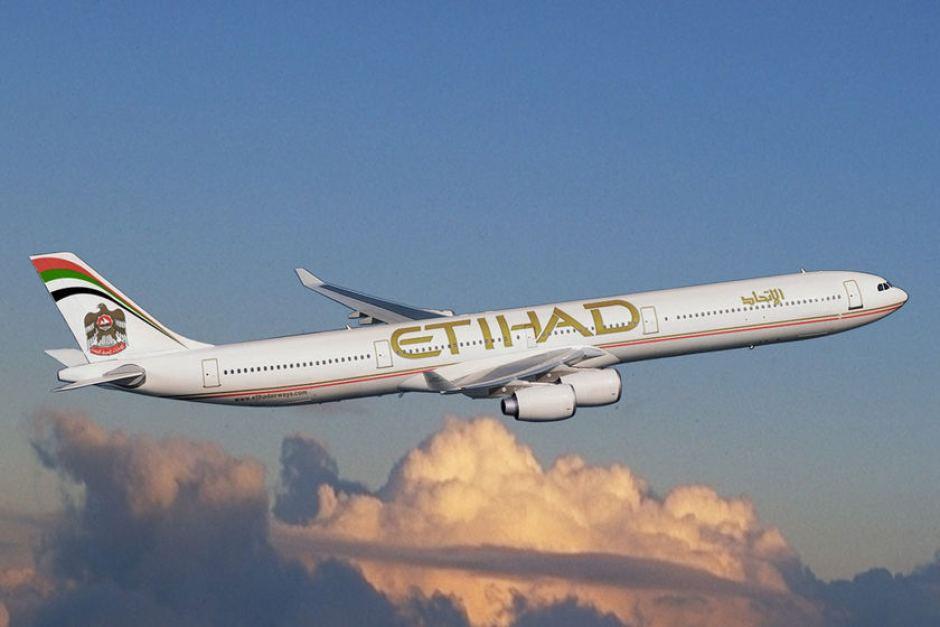
Serene Etihad Airways Cuts Fares By 50% As War Hits Demand For Travel Image Concept
Transform your screen with this vivid etihad airways cuts fares by 50% as war hits demand for travel artwork, a true masterpiece of digital design.
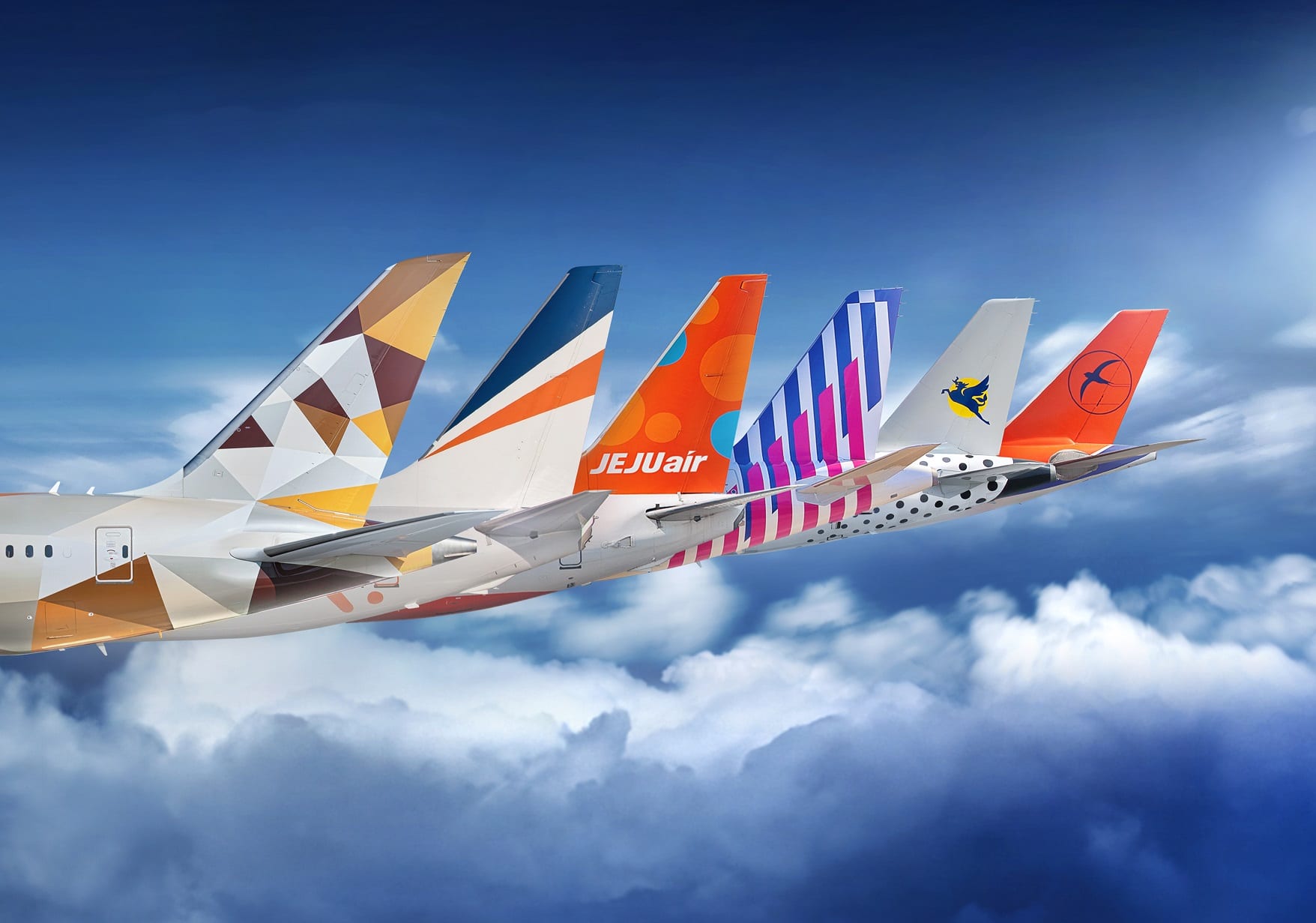
Lush Etihad Airways Cuts Fares By 50% As War Hits Demand For Travel Photo Digital Art
Immerse yourself in the stunning details of this beautiful etihad airways cuts fares by 50% as war hits demand for travel wallpaper, designed for a captivating visual experience.
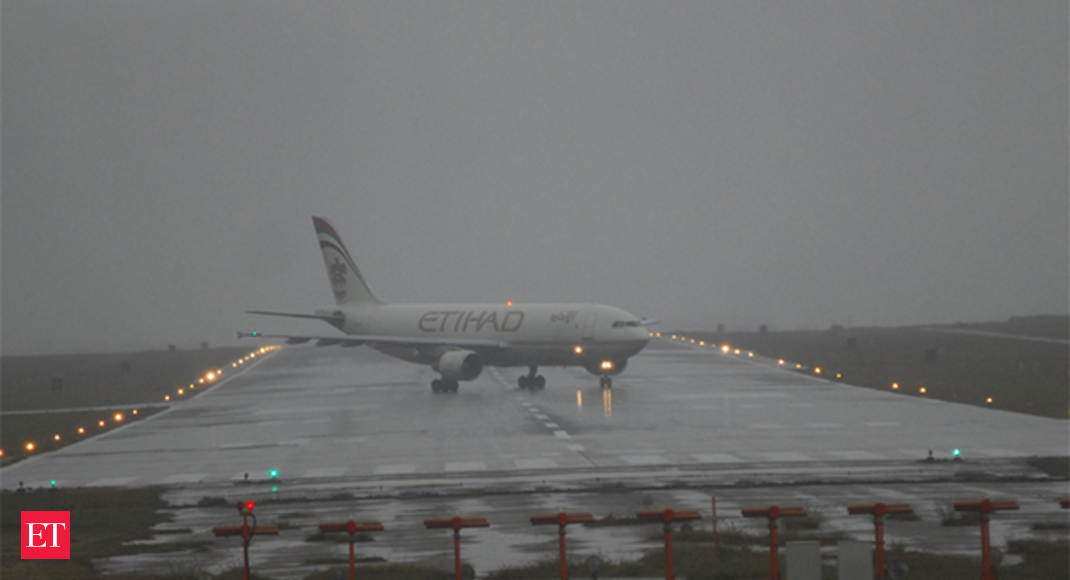
Mesmerizing Etihad Airways Cuts Fares By 50% As War Hits Demand For Travel Artwork Collection
Explore this high-quality etihad airways cuts fares by 50% as war hits demand for travel image, perfect for enhancing your desktop or mobile wallpaper.

Dynamic Etihad Airways Cuts Fares By 50% As War Hits Demand For Travel Capture Illustration
This gorgeous etihad airways cuts fares by 50% as war hits demand for travel photo offers a breathtaking view, making it a perfect choice for your next wallpaper.
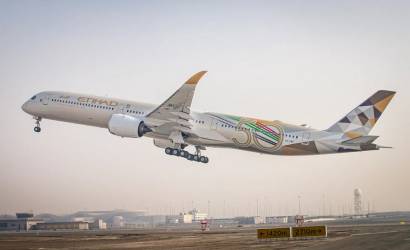
Crisp Etihad Airways Cuts Fares By 50% As War Hits Demand For Travel Picture Digital Art
This gorgeous etihad airways cuts fares by 50% as war hits demand for travel photo offers a breathtaking view, making it a perfect choice for your next wallpaper.
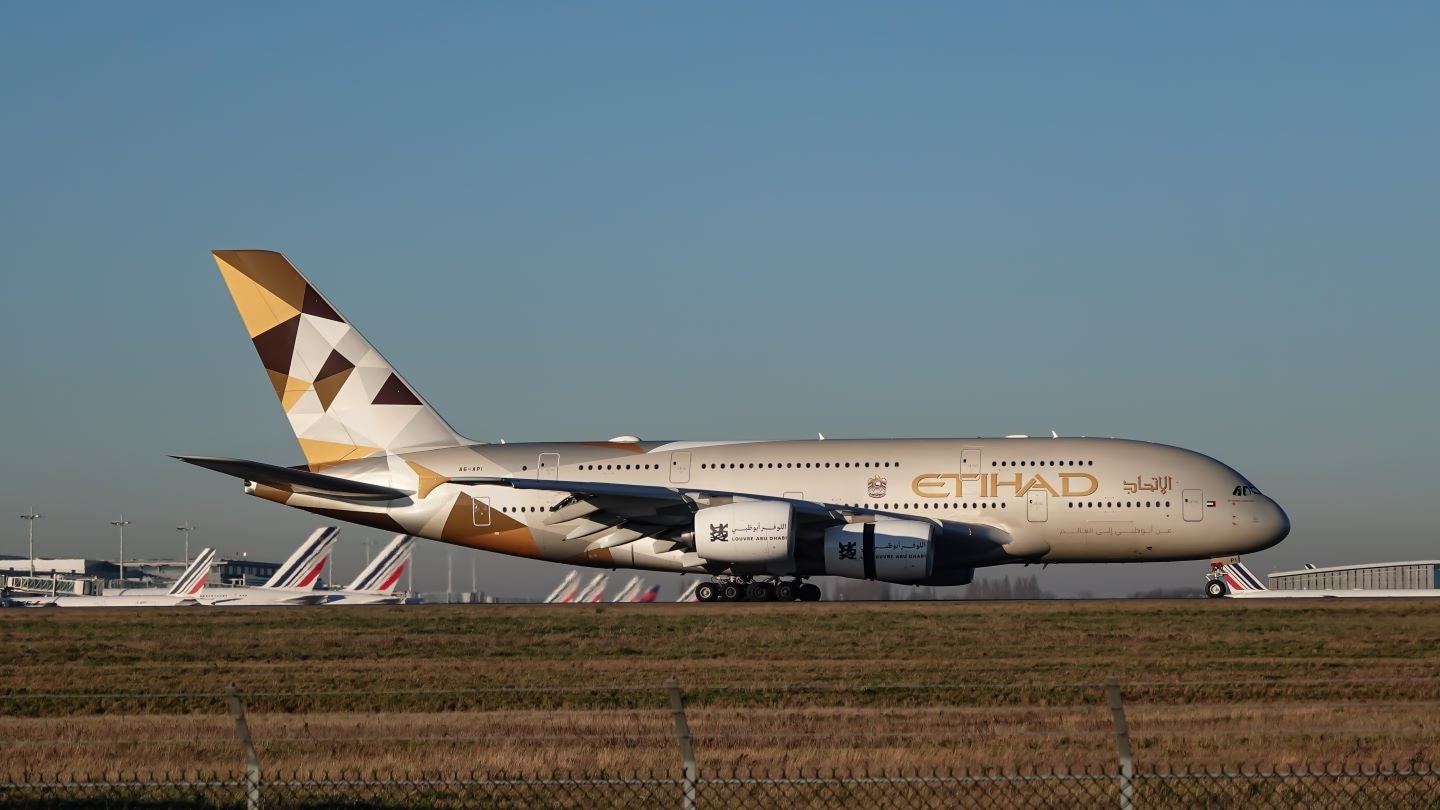
Lush Etihad Airways Cuts Fares By 50% As War Hits Demand For Travel View for Mobile
This gorgeous etihad airways cuts fares by 50% as war hits demand for travel photo offers a breathtaking view, making it a perfect choice for your next wallpaper.
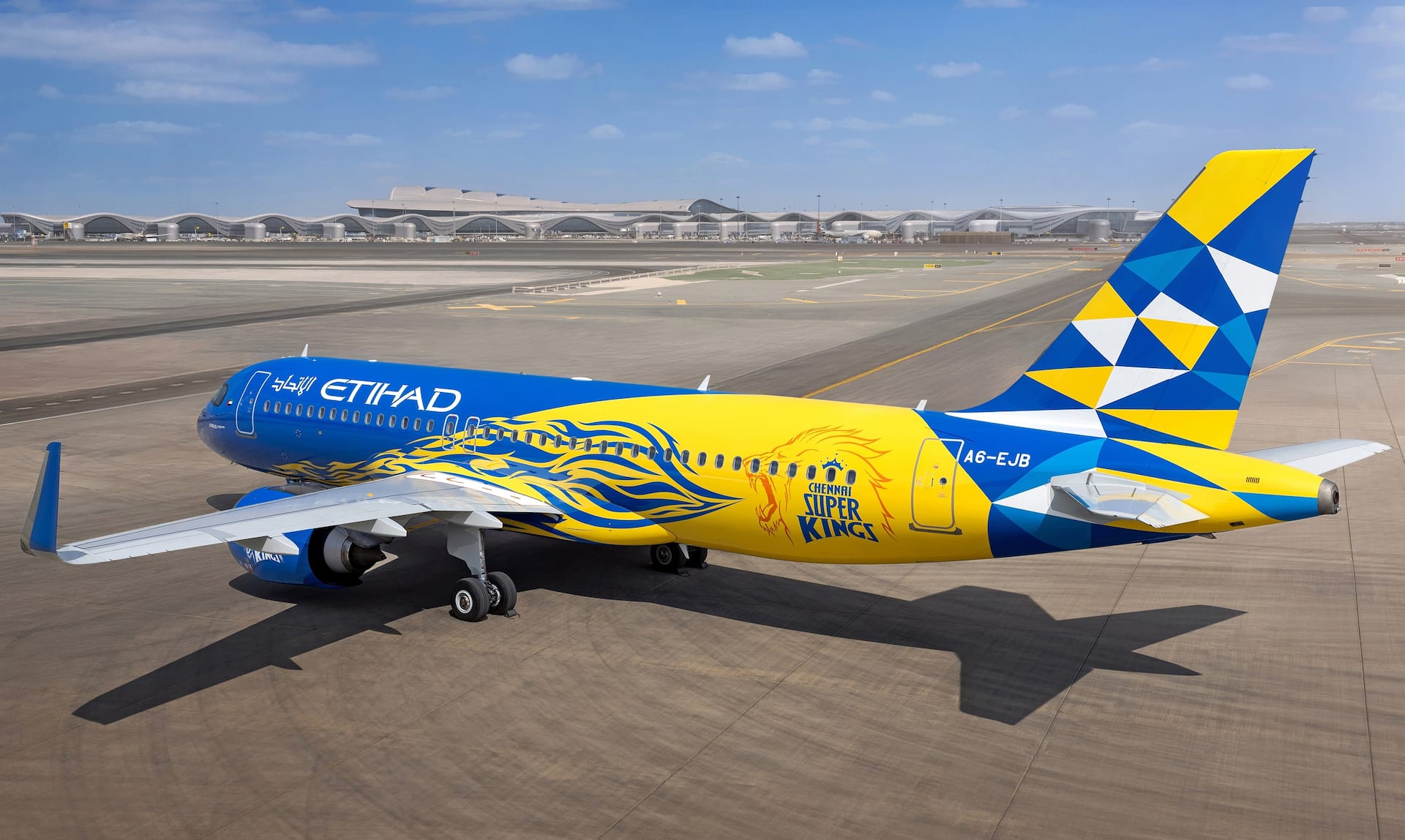
Serene Etihad Airways Cuts Fares By 50% As War Hits Demand For Travel Scene Concept
Discover an amazing etihad airways cuts fares by 50% as war hits demand for travel background image, ideal for personalizing your devices with vibrant colors and intricate designs.
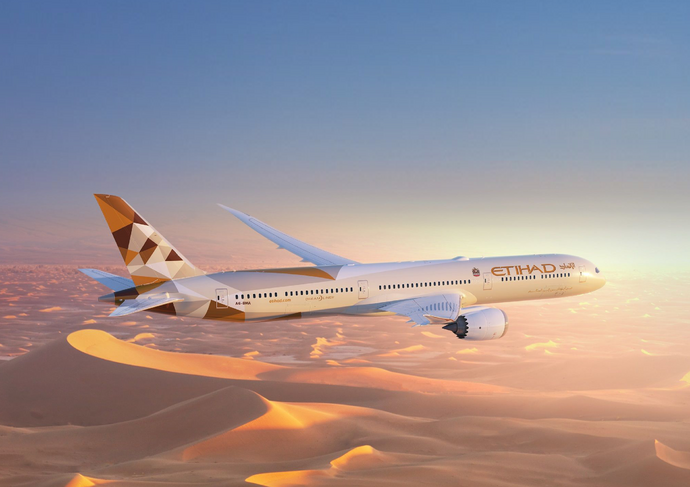
Vibrant Etihad Airways Cuts Fares By 50% As War Hits Demand For Travel Capture for Desktop
Experience the crisp clarity of this stunning etihad airways cuts fares by 50% as war hits demand for travel image, available in high resolution for all your screens.

High-Quality Etihad Airways Cuts Fares By 50% As War Hits Demand For Travel View Nature
Experience the crisp clarity of this stunning etihad airways cuts fares by 50% as war hits demand for travel image, available in high resolution for all your screens.

Lush Etihad Airways Cuts Fares By 50% As War Hits Demand For Travel Image Concept
Find inspiration with this unique etihad airways cuts fares by 50% as war hits demand for travel illustration, crafted to provide a fresh look for your background.
Download these etihad airways cuts fares by 50% as war hits demand for travel wallpapers for free and use them on your desktop or mobile devices.