Navy MQ-4C Triton Surveillance Drone Crash In The Middle East Finally Confirmed
Navy MQ-4C Triton Surveillance Drone Crash In The Middle East Finally Confirmed
In a significant development for maritime security and military aviation enthusiasts, the United States Navy has officially confirmed the crash of an MQ-4C Triton High-Altitude Long-Endurance (HALE) unmanned aerial vehicle (UAV) in the Middle East. For weeks, rumors had circulated across social media and various defense intelligence circles regarding the missing multimillion-dollar asset. The confirmation marks a pivotal moment in the ongoing surveillance operations within the region, highlighting both the capabilities and the inherent risks of deploying advanced unmanned systems in highly contested environments.
The Official Confirmation: A Major Blow to US Naval Surveillance
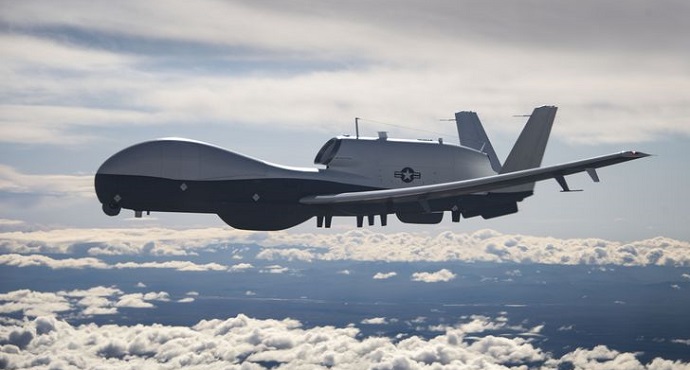
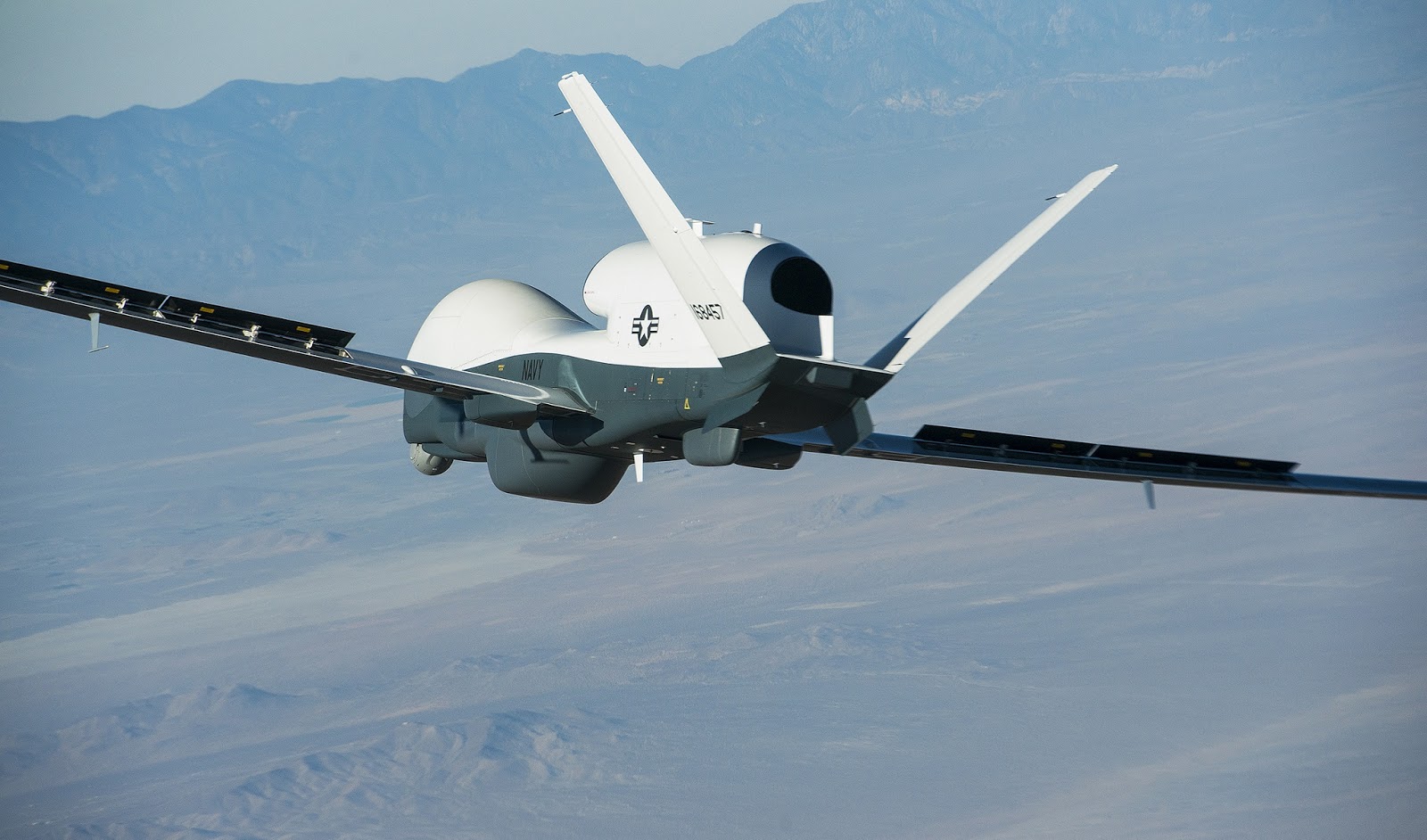
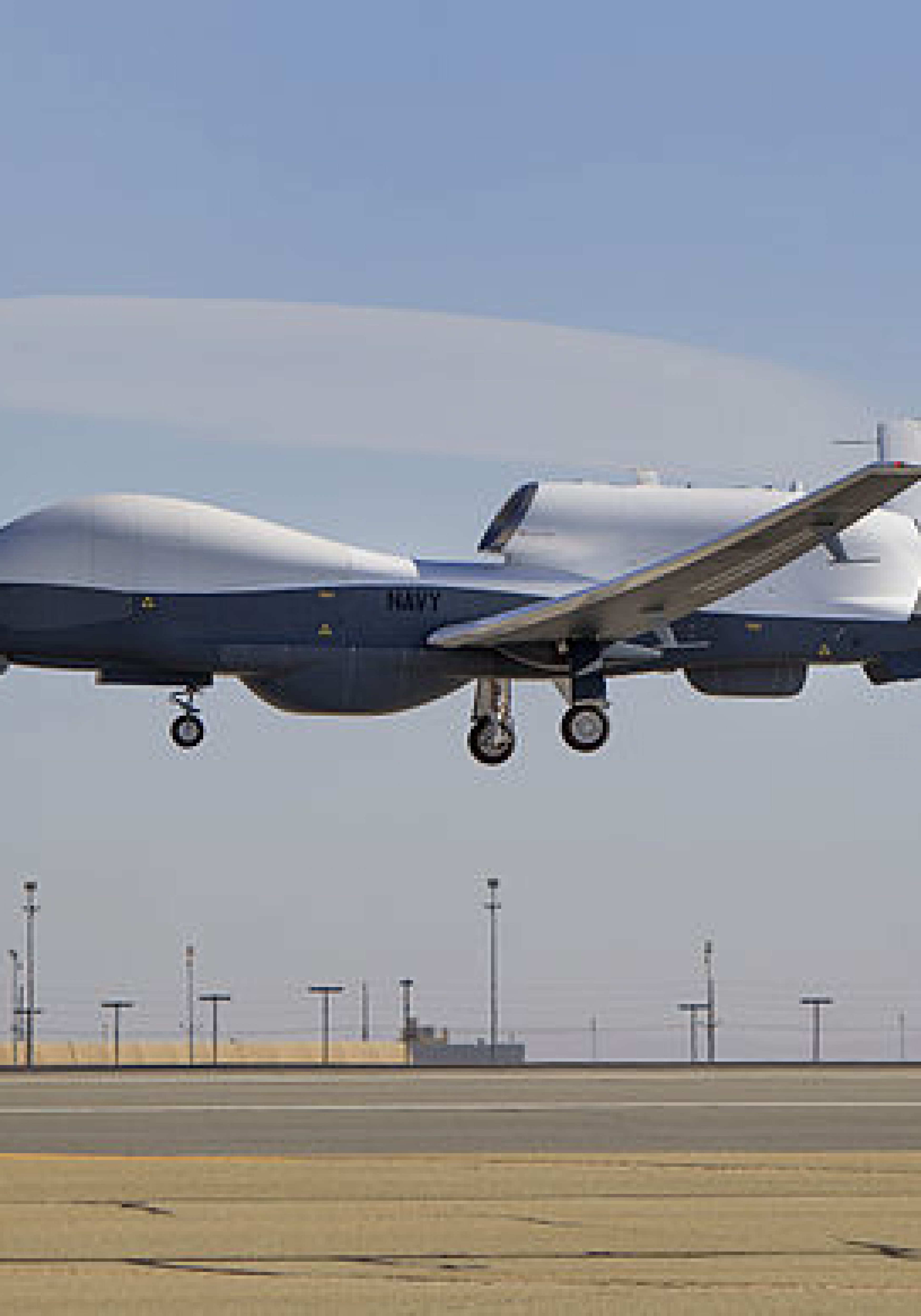
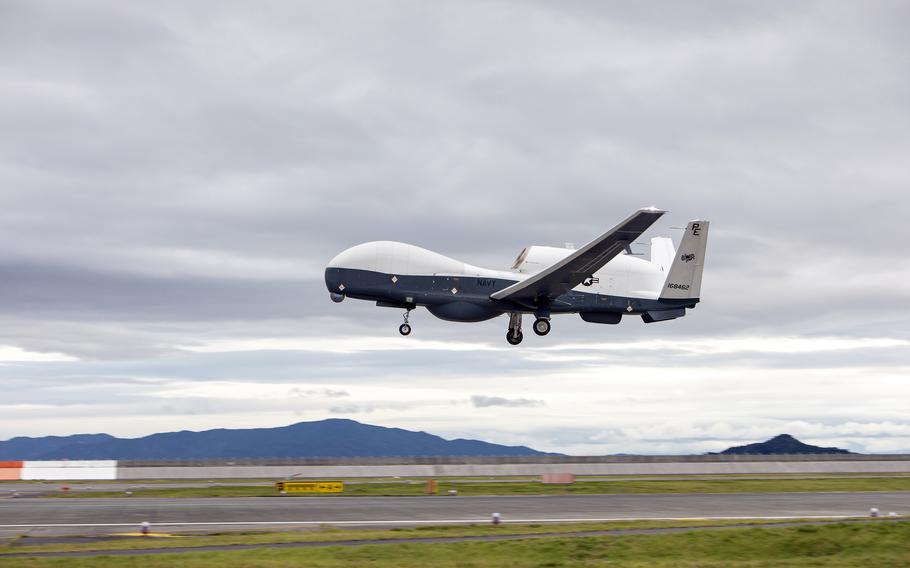
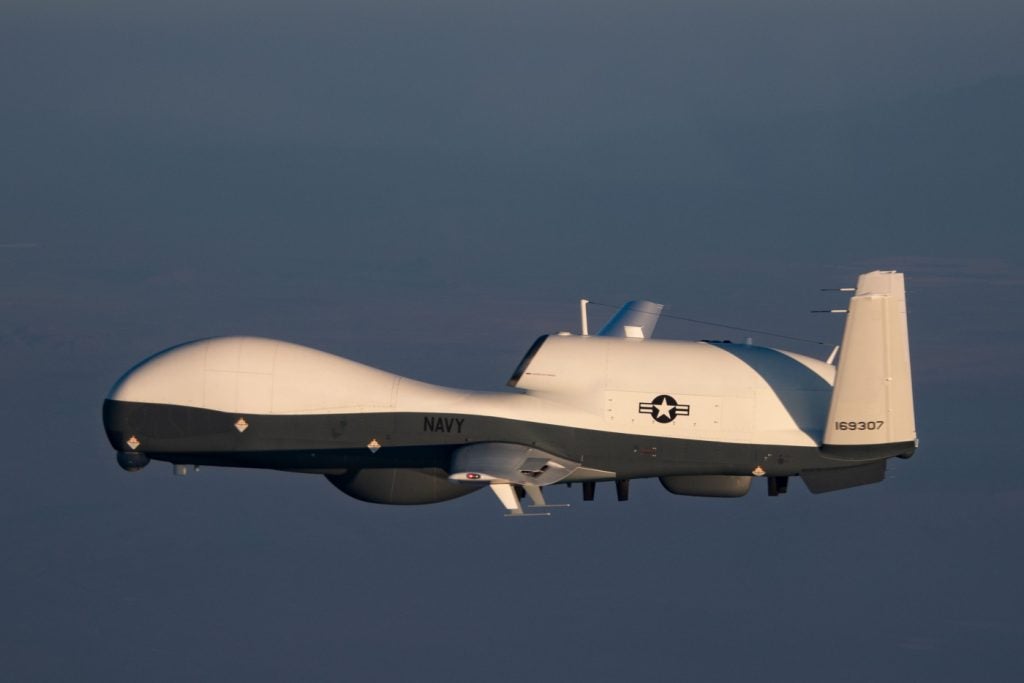
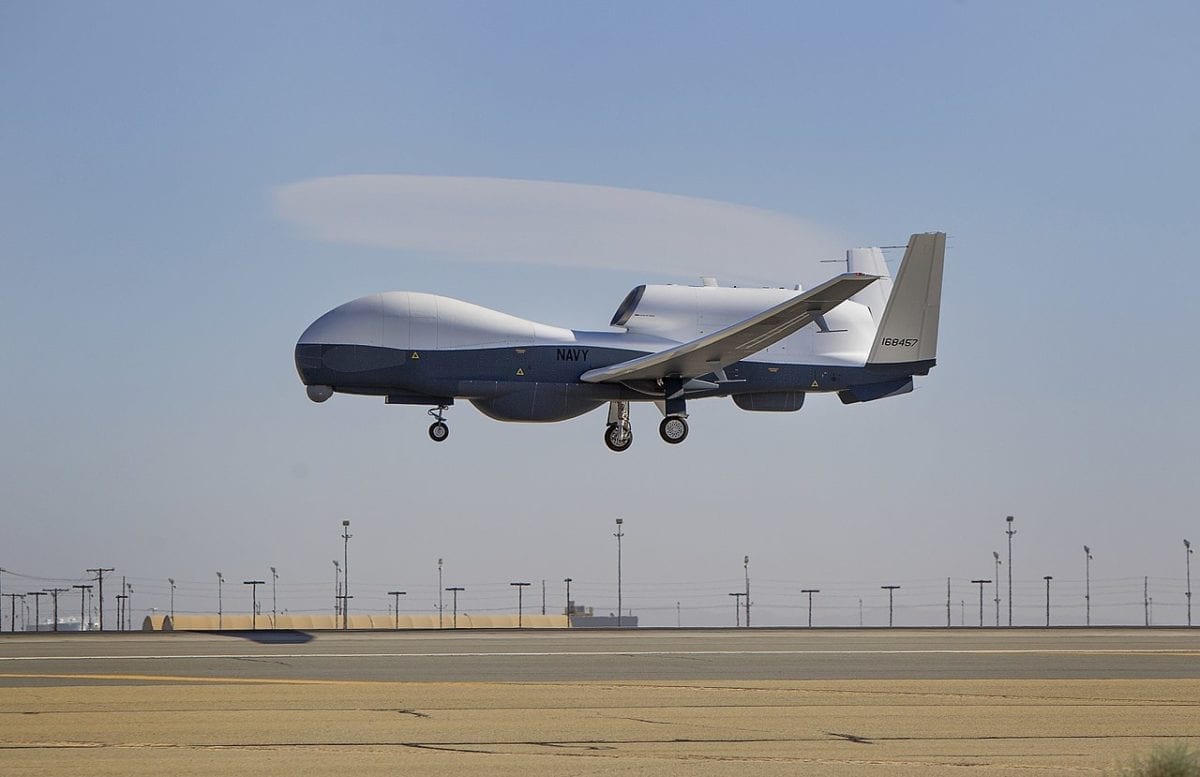
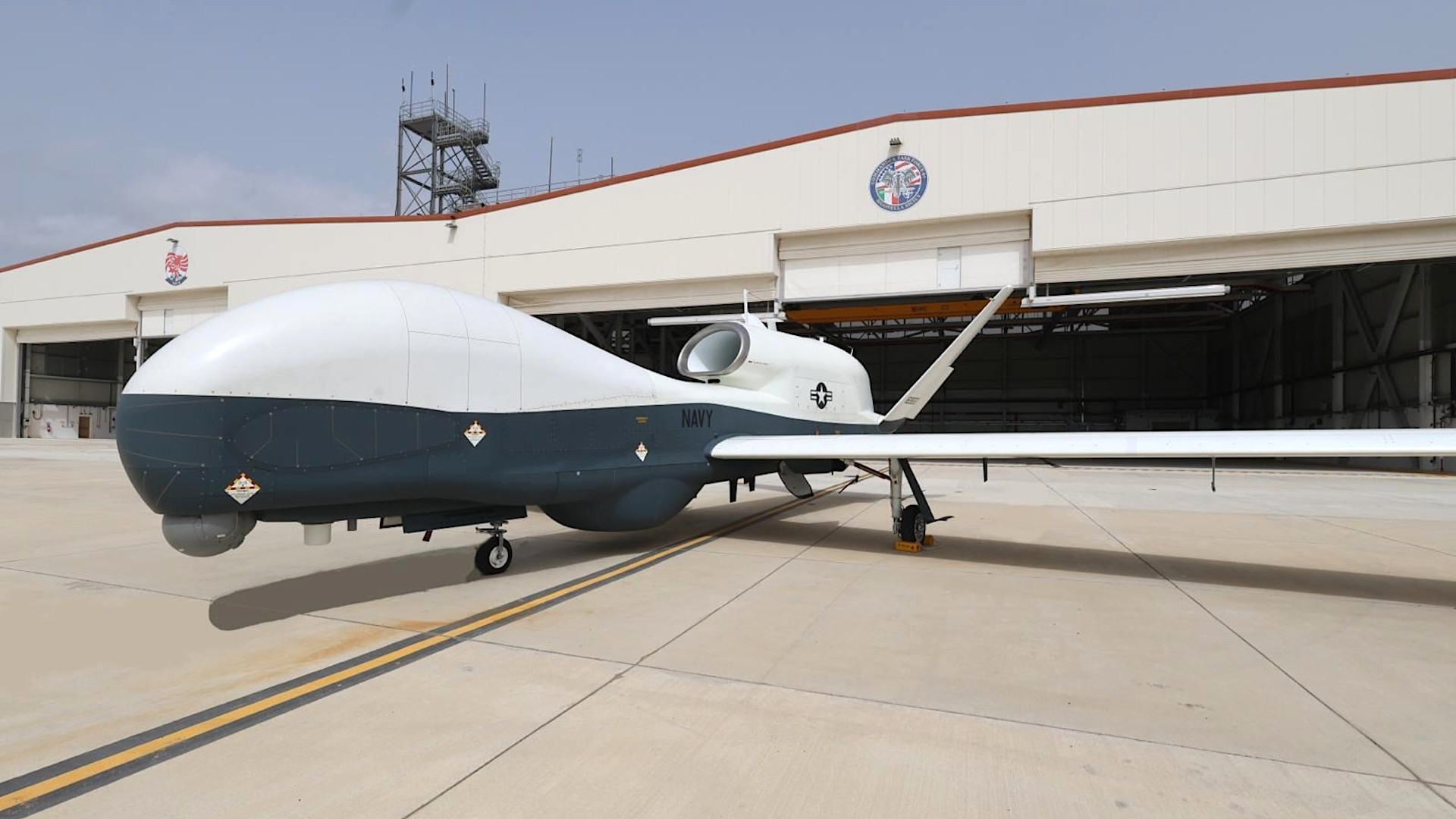
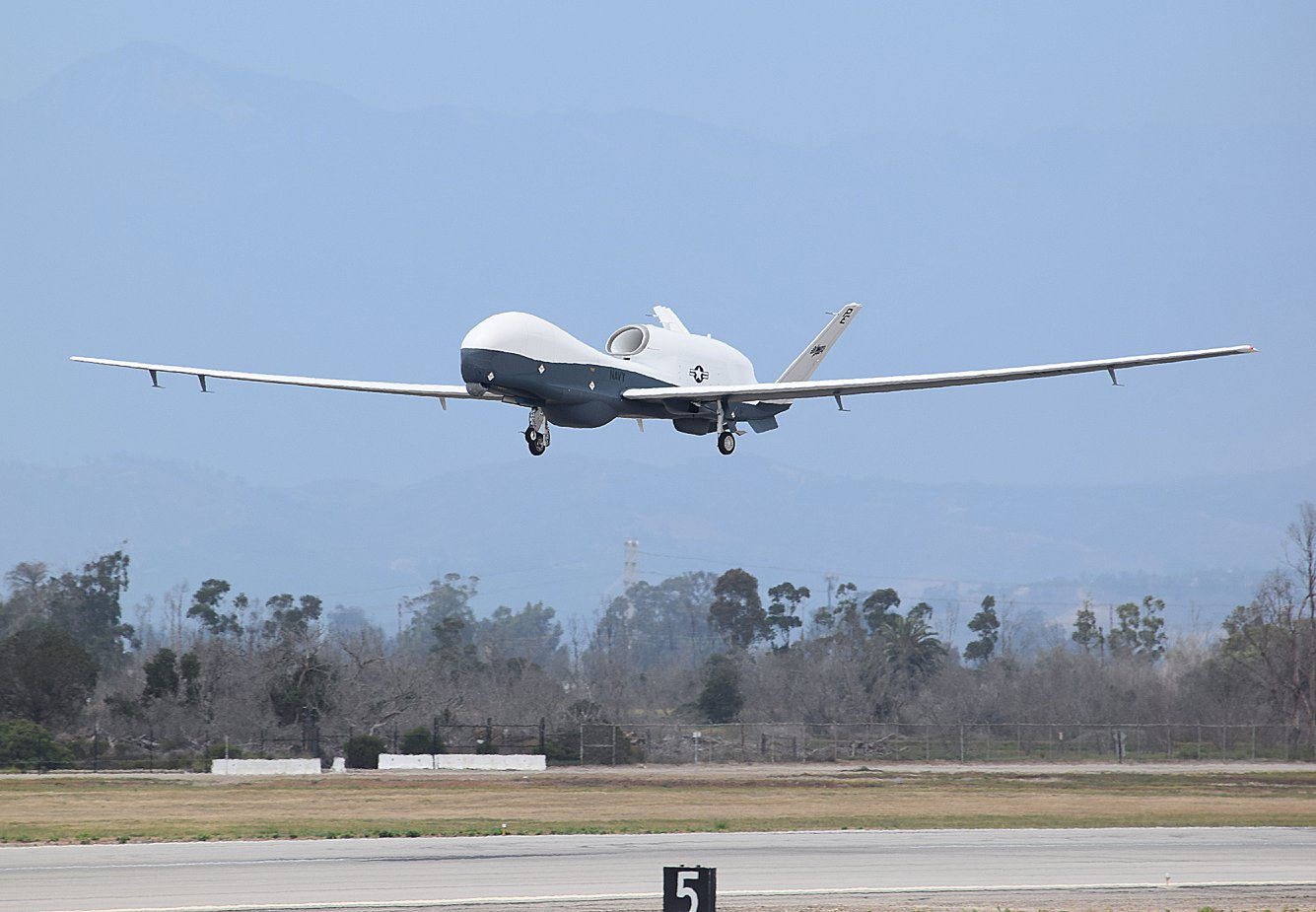
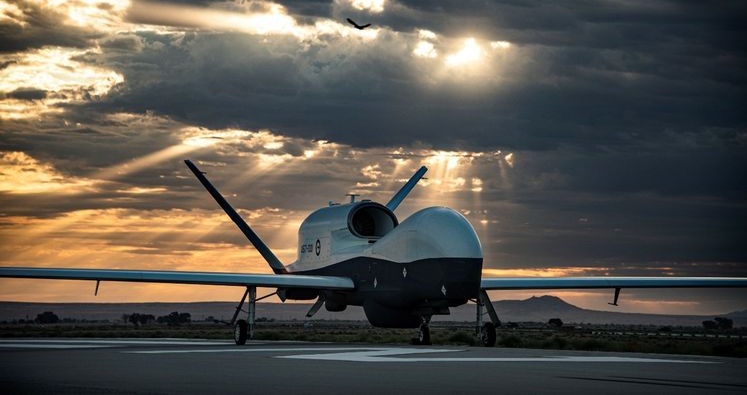
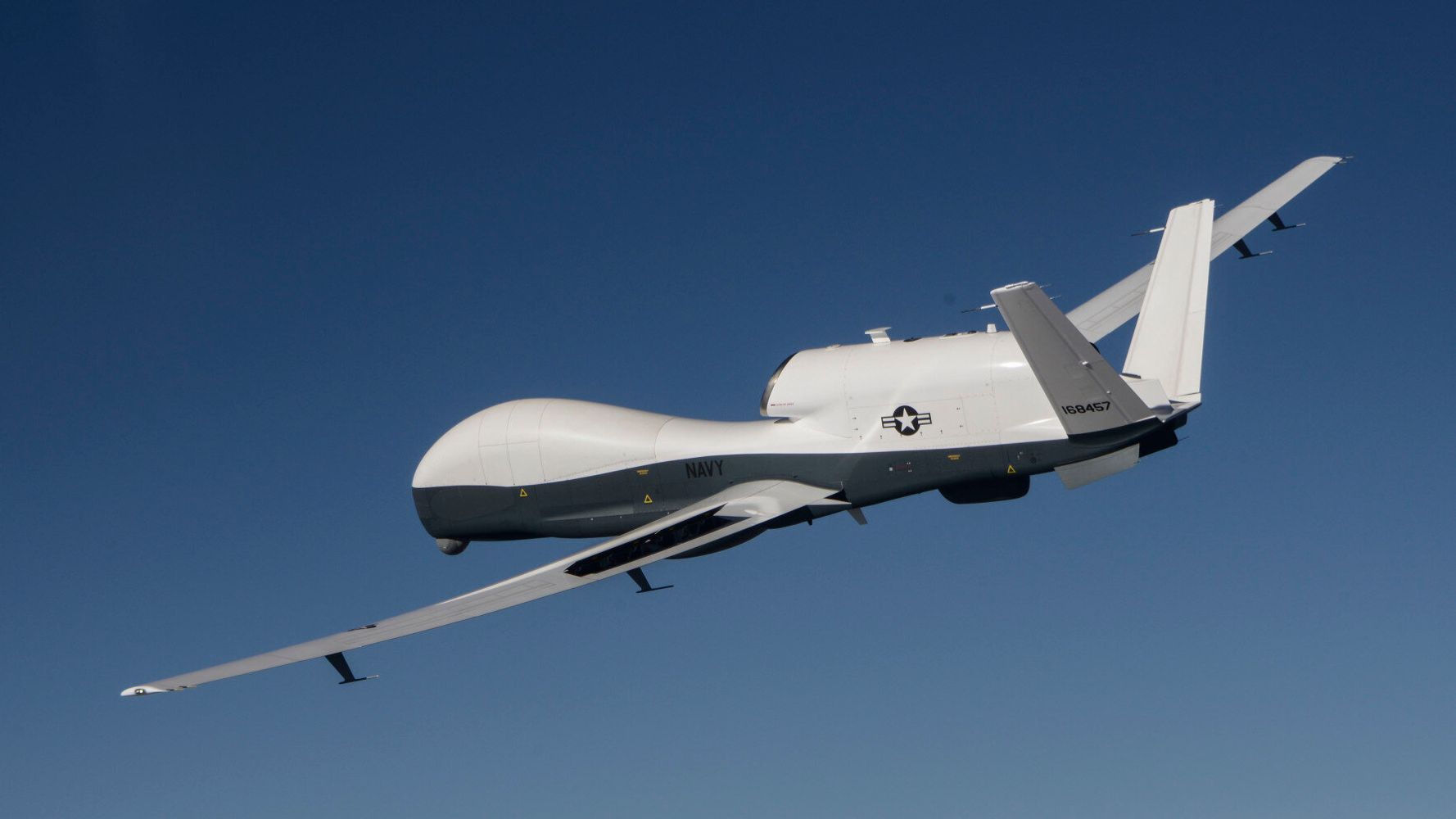
The MQ-4C Triton, a maritime version of the RQ-4 Global Hawk, is the crown jewel of the U.S. Navy’s persistent maritime surveillance program. Developed by Northrop Grumman, the Triton is designed to provide real-time intelligence, surveillance, and reconnaissance (ISR) over vast ocean and coastal regions. The recent confirmation of its crash in the Middle East—a region currently simmering with geopolitical tensions—raises several critical questions about the nature of the mission and the cause of the incident.
According to official statements, the aircraft was conducting a routine surveillance mission when ground control lost communication. While the Navy initially remained tight-lipped about the drone's status, the confirmation comes after an extensive search and recovery effort. The loss of a Triton is not merely a financial blow—each unit costs upwards of $120 million—but it also represents a temporary gap in the Navy’s ability to monitor maritime traffic in strategic chokepoints like the Strait of Hormuz and the Bab al-Mandab Strait.
Analysts suggest that the timing of the crash is particularly sensitive. With increased activities from non-state actors and regional powers, the Triton's role in providing early warning and "maritime domain awareness" is more crucial than ever. The Navy has stated that an investigation is currently underway to determine whether the crash was due to mechanical failure, pilot error (from remote stations), or external interference such as electronic warfare or kinetic action.
Unpacking the MQ-4C Triton: Why This Drone is a Multimillion-Dollar Asset
To understand the gravity of this loss, one must look at the technical sophistication of the MQ-4C Triton. This is not your average hobbyist drone or even a standard tactical UAV. The Triton is a massive aircraft with a wingspan larger than a Boeing 737, capable of flying at altitudes exceeding 50,000 feet for over 24 hours at a time.
Equipped with the AN/ZPY-3 Multi-Function Active Sensor (MFAS) radar, the Triton can "see" through clouds and track thousands of targets across thousands of square miles in a single mission. This capability is vital for the Navy's "distributed lethality" strategy, allowing manned ships to stay out of harm's way while the Triton identifies potential threats from afar. Below is a breakdown of the core features of the MQ-4C Triton:
| Feature/Aspect | Description |
|---|---|
| Manufacturer | Northrop Grumman |
| Primary Mission | Maritime Intelligence, Surveillance, and Reconnaissance (ISR) |
| Wingspan | 130.9 feet (approx. 40 meters) |
| Maximum Altitude | Over 50,000 feet |
| Endurance | Up to 30 hours of continuous flight |
| Unit Cost | Estimated $120 - $180 million (including R&D) |
| Sensors | MFAS Radar, EO/IR cameras, and Electronic Support Measures (ESM) |
The loss of this specific hardware means that a highly specialized sensor suite is now at the bottom of the ocean or, worse, scattered in an area where adversaries might attempt to recover the debris. The MQ-4C’s ability to integrate with the P-8A Poseidon manned aircraft makes it a linchpin of modern naval warfare, providing a "high-low" mix of surveillance that is difficult for any other military to match.
The Geopolitical Chessboard: Navigating Middle Eastern Tensions
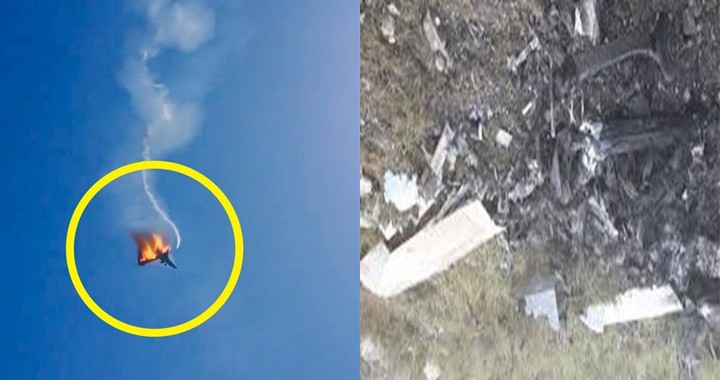
The Middle East remains a volatile theater where "shadow wars" are often fought in the electromagnetic spectrum and through unmanned systems. The confirmation of the Triton crash adds another layer of complexity to the region's security dynamics. If the drone was indeed downed by hostile action—though the Navy has not yet confirmed this—it would echo the 2019 incident where Iran's Revolutionary Guard Corps (IRGC) shot down a US Global Hawk (the Triton's cousin) over the Strait of Hormuz.
Currently, the region is seeing heightened activity involving various actors, including Houthi rebels in Yemen and various militias across Iraq and Syria. The U.S. Navy uses the Triton to monitor these groups, specifically looking for illicit arms transfers and threats to commercial shipping. A crash in this environment is never "just an accident" in the eyes of international observers; it is analyzed for signs of vulnerability or escalatory signaling.
Furthermore, the recovery of such an asset is a high-stakes race. In the past, adversaries have gone to great lengths to salvage crashed U.S. drones to attempt "reverse engineering." While the Triton is equipped with self-destruct mechanisms for its most sensitive data and software, the physical hardware still contains valuable secrets regarding radar-absorbent materials and sensor optics. Protecting the crash site is likely a top priority for the U.S. Central Command (CENTCOM) right now.
Search, Recovery, and the Risk of Reverse Engineering
Once a crash is confirmed, the immediate focus shifts from "where is it?" to "who can get to it first?" The U.S. Navy typically deploys specialized salvage teams, often supported by destroyers or littoral combat ships, to secure the site. In the deep waters of the Middle Eastern maritime corridors, this often involves the use of Remotely Operated Vehicles (ROVs) and deep-sea divers.
The fear of reverse engineering is legitimate. Countries like Iran and China have historically shown a keen interest in U.S. drone technology. By analyzing the wreckage, an adversary could potentially develop countermeasures against the Triton’s radar or identify weaknesses in its communication links. This is why the Navy often prefers to destroy the wreckage if recovery is not feasible. The "confirmation" of the crash suggests that the Navy has either secured the site or has determined that the technology is no longer at risk of falling into the wrong hands.
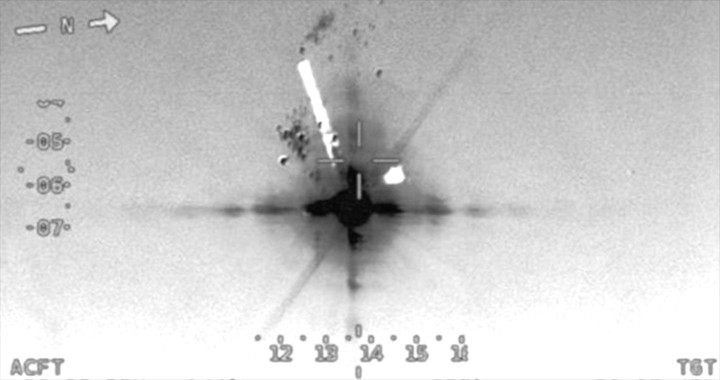
Beyond the hardware, the data collected during the final moments of the flight is of immense value. Telemetry data can tell investigators if the aircraft was being "painted" by hostile radar or if it suffered a sudden catastrophic mechanical failure. This forensics process is crucial for the safety of the remaining Triton fleet, which is still in its early operational stages.
The Future of High-Altitude ISR Operations in Contested Environments
This incident will undoubtedly lead to a review of how the MQ-4C Triton is deployed. While its high-altitude capability is meant to keep it out of range of most short-range surface-to-air missiles (SAMs), it remains vulnerable to sophisticated long-range systems like the S-300 or S-400, as well as electronic jamming. The Navy may need to adjust its "concept of operations" (CONOPS) to include more robust escort measures or to utilize the Triton in tandem with stealthier assets.
Despite this setback, the Triton program is expected to continue. The U.S. Navy’s commitment to "unmanned integration" is a cornerstone of its 21st-century strategy. As the Navy moves toward a more "hybrid" fleet, the lessons learned from this crash will be used to harden future systems against both environmental and man-made threats. The goal remains the same: persistent, unblinking eyes over the world's oceans to ensure the freedom of navigation and the security of global trade.
The Middle East crash serves as a sobering reminder that even the most advanced technology is not invincible. As the investigation continues, the defense community will be watching closely for updates on the "why" and "how" of the incident, which will likely influence the procurement and operational strategies of navies around the world for years to come.
Frequently Asked Questions (FAQ)
1. Was the MQ-4C Triton shot down by an enemy?
As of the latest official confirmation, the U.S. Navy has not specified if the crash was due to hostile action, mechanical failure, or pilot error. An investigation is currently ongoing to determine the exact cause.
2. How much does an MQ-4C Triton drone cost?
The unit cost of a Triton drone is estimated to be between $120 million and $180 million. This high cost reflects its advanced sensor suites, long-range capabilities, and specialized maritime radar systems.
3. Is the Triton the same as the Global Hawk?
The MQ-4C Triton is derived from the RQ-4 Global Hawk but is specifically modified for maritime environments. It features a reinforced airframe, de-icing systems, and lightning protection to operate at lower altitudes when necessary to identify ships.
4. What happens if an adversary finds the wreckage?
The U.S. military has strict protocols to prevent "technology transfer." If recovery is not possible, the Navy may use targeted strikes to destroy the debris or rely on the drone's internal data-wiping systems to protect sensitive information.
Conclusion
The confirmation of the Navy MQ-4C Triton crash in the Middle East is a significant event that underscores the high stakes of modern aerial surveillance. While the loss of such a sophisticated and expensive asset is a setback, it also highlights the critical role these unmanned systems play in maintaining maritime security in the world’s most volatile regions. As the Navy concludes its investigation, the focus will remain on recovery and the lessons that can be applied to ensure the resilience of future ISR missions. In an era where information is the most valuable commodity on the battlefield, the "eyes in the sky" provided by the Triton remain indispensable, despite the risks inherent in their deployment.
Navy MQ-4C Triton Surveillance Drone Crash In The Middle East Finally Confirmed
Navy MQ-4C Triton Surveillance Drone Crash In The Middle East Finally Confirmed Wallpapers
Collection of navy mq-4c triton surveillance drone crash in the middle east finally confirmed wallpapers for your desktop and mobile devices.
Captivating Navy Mq-4c Triton Surveillance Drone Crash In The Middle East Finally Confirmed Capture for Desktop
Immerse yourself in the stunning details of this beautiful navy mq-4c triton surveillance drone crash in the middle east finally confirmed wallpaper, designed for a captivating visual experience.

Vivid Navy Mq-4c Triton Surveillance Drone Crash In The Middle East Finally Confirmed Artwork Photography
Explore this high-quality navy mq-4c triton surveillance drone crash in the middle east finally confirmed image, perfect for enhancing your desktop or mobile wallpaper.

Detailed Navy Mq-4c Triton Surveillance Drone Crash In The Middle East Finally Confirmed View Nature
Explore this high-quality navy mq-4c triton surveillance drone crash in the middle east finally confirmed image, perfect for enhancing your desktop or mobile wallpaper.
Vivid Navy Mq-4c Triton Surveillance Drone Crash In The Middle East Finally Confirmed Abstract for Mobile
Experience the crisp clarity of this stunning navy mq-4c triton surveillance drone crash in the middle east finally confirmed image, available in high resolution for all your screens.

Amazing Navy Mq-4c Triton Surveillance Drone Crash In The Middle East Finally Confirmed View for Your Screen
Experience the crisp clarity of this stunning navy mq-4c triton surveillance drone crash in the middle east finally confirmed image, available in high resolution for all your screens.
Serene Navy Mq-4c Triton Surveillance Drone Crash In The Middle East Finally Confirmed Photo Digital Art
Explore this high-quality navy mq-4c triton surveillance drone crash in the middle east finally confirmed image, perfect for enhancing your desktop or mobile wallpaper.
Breathtaking Navy Mq-4c Triton Surveillance Drone Crash In The Middle East Finally Confirmed Artwork in 4K
Transform your screen with this vivid navy mq-4c triton surveillance drone crash in the middle east finally confirmed artwork, a true masterpiece of digital design.
Vibrant Navy Mq-4c Triton Surveillance Drone Crash In The Middle East Finally Confirmed Picture Nature
Experience the crisp clarity of this stunning navy mq-4c triton surveillance drone crash in the middle east finally confirmed image, available in high resolution for all your screens.

Captivating Navy Mq-4c Triton Surveillance Drone Crash In The Middle East Finally Confirmed Capture Nature
Find inspiration with this unique navy mq-4c triton surveillance drone crash in the middle east finally confirmed illustration, crafted to provide a fresh look for your background.
Lush Navy Mq-4c Triton Surveillance Drone Crash In The Middle East Finally Confirmed Abstract Illustration
This gorgeous navy mq-4c triton surveillance drone crash in the middle east finally confirmed photo offers a breathtaking view, making it a perfect choice for your next wallpaper.
Beautiful Navy Mq-4c Triton Surveillance Drone Crash In The Middle East Finally Confirmed Capture for Your Screen
Transform your screen with this vivid navy mq-4c triton surveillance drone crash in the middle east finally confirmed artwork, a true masterpiece of digital design.

Amazing Navy Mq-4c Triton Surveillance Drone Crash In The Middle East Finally Confirmed View Digital Art
Experience the crisp clarity of this stunning navy mq-4c triton surveillance drone crash in the middle east finally confirmed image, available in high resolution for all your screens.
High-Quality Navy Mq-4c Triton Surveillance Drone Crash In The Middle East Finally Confirmed Background for Your Screen
Explore this high-quality navy mq-4c triton surveillance drone crash in the middle east finally confirmed image, perfect for enhancing your desktop or mobile wallpaper.
Artistic Navy Mq-4c Triton Surveillance Drone Crash In The Middle East Finally Confirmed Image for Your Screen
A captivating navy mq-4c triton surveillance drone crash in the middle east finally confirmed scene that brings tranquility and beauty to any device.

Gorgeous Navy Mq-4c Triton Surveillance Drone Crash In The Middle East Finally Confirmed Abstract in HD
Immerse yourself in the stunning details of this beautiful navy mq-4c triton surveillance drone crash in the middle east finally confirmed wallpaper, designed for a captivating visual experience.
Lush Navy Mq-4c Triton Surveillance Drone Crash In The Middle East Finally Confirmed Image for Mobile
This gorgeous navy mq-4c triton surveillance drone crash in the middle east finally confirmed photo offers a breathtaking view, making it a perfect choice for your next wallpaper.
Amazing Navy Mq-4c Triton Surveillance Drone Crash In The Middle East Finally Confirmed Scene Digital Art
Transform your screen with this vivid navy mq-4c triton surveillance drone crash in the middle east finally confirmed artwork, a true masterpiece of digital design.
Lush Navy Mq-4c Triton Surveillance Drone Crash In The Middle East Finally Confirmed Moment Art
Find inspiration with this unique navy mq-4c triton surveillance drone crash in the middle east finally confirmed illustration, crafted to provide a fresh look for your background.
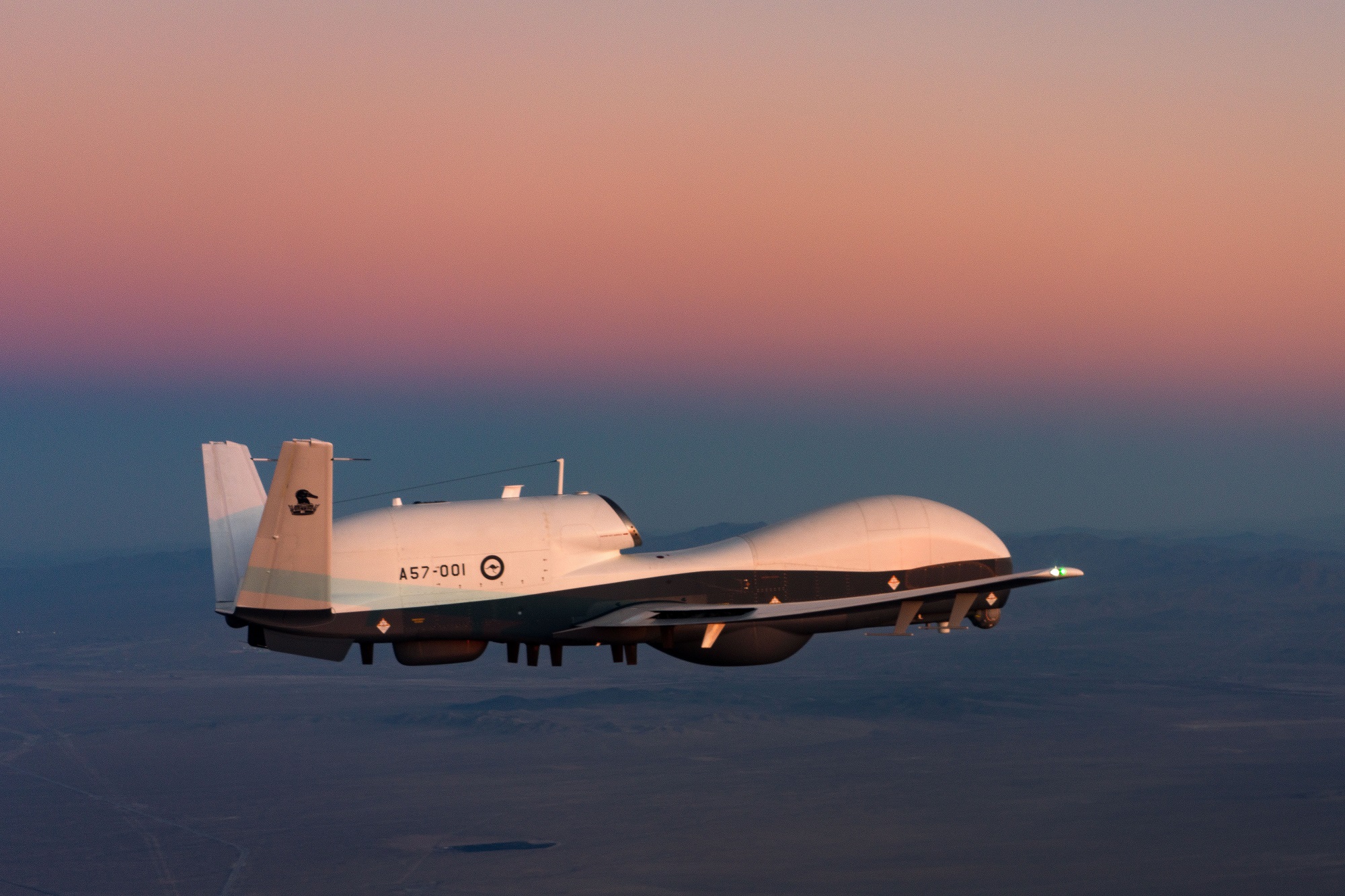
Detailed Navy Mq-4c Triton Surveillance Drone Crash In The Middle East Finally Confirmed Landscape Digital Art
Experience the crisp clarity of this stunning navy mq-4c triton surveillance drone crash in the middle east finally confirmed image, available in high resolution for all your screens.
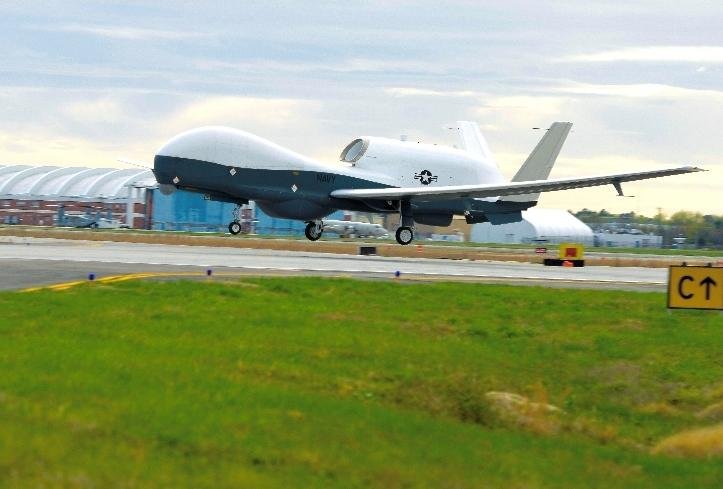
Crisp Navy Mq-4c Triton Surveillance Drone Crash In The Middle East Finally Confirmed View in HD
Find inspiration with this unique navy mq-4c triton surveillance drone crash in the middle east finally confirmed illustration, crafted to provide a fresh look for your background.
Download these navy mq-4c triton surveillance drone crash in the middle east finally confirmed wallpapers for free and use them on your desktop or mobile devices.