Trump’s Strait of Hormuz Blockade Threat: Rising Geopolitical Risks and the Persistence of Regional Predicaments
Trump’s Strait of Hormuz Blockade Threat: Rising Geopolitical Risks and the Persistence of Regional Predicaments
The geopolitical landscape of the Middle East has once again been thrust into the global spotlight following recent statements from Donald Trump regarding a potential blockade of the Strait of Hormuz. As one of the world's most critical maritime chokepoints, any threat to the free flow of traffic through this narrow waterway sends shockwaves through global energy markets and international diplomatic circles. Trump’s rhetoric, characterized by a return to the "maximum pressure" philosophy, suggests a more aggressive stance toward Iran’s maritime influence. However, while such threats significantly elevate the risk of military miscalculation, they leave the fundamental predicaments of the region—ranging from nuclear proliferation to proxy warfare—largely unchanged. This article explores the multifaceted implications of a Strait of Hormuz blockade threat, the economic stakes involved, and why military posturing often fails to address the root causes of the Iran-U.S. standoff.
The Strategic Significance of the Strait of Hormuz
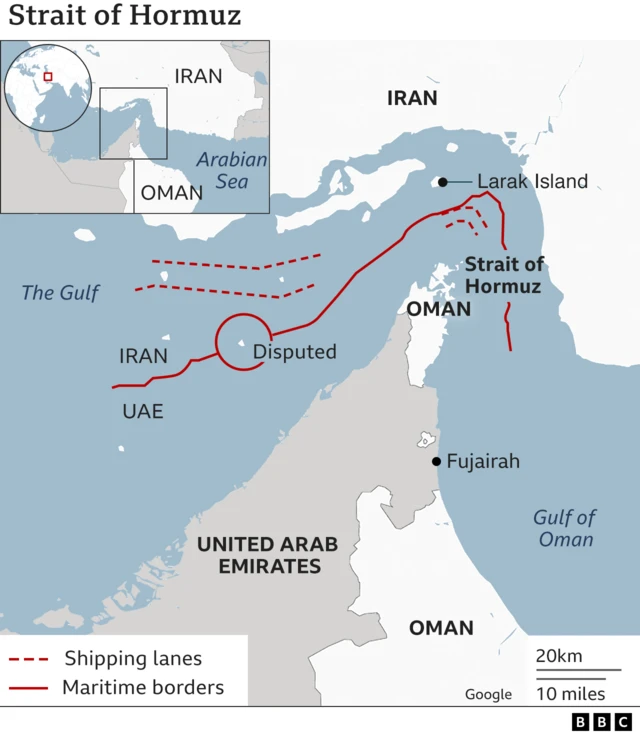
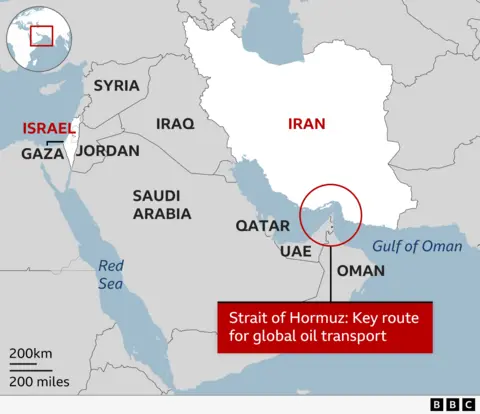
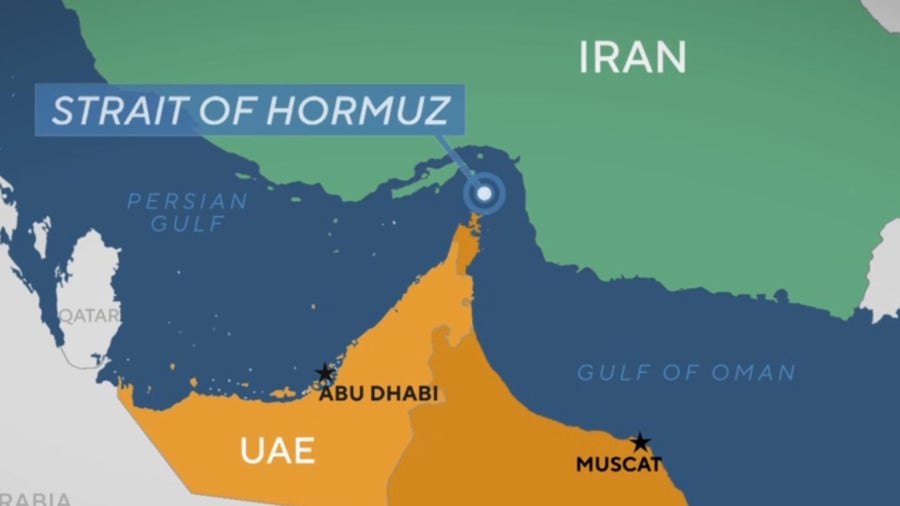
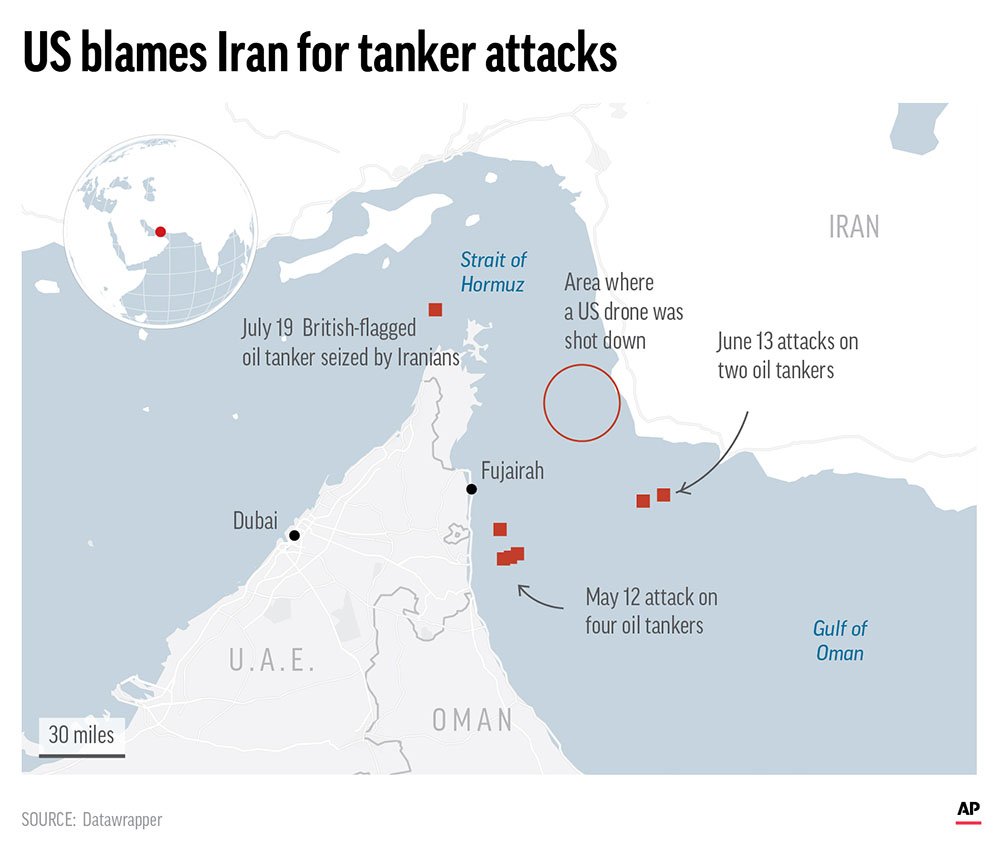
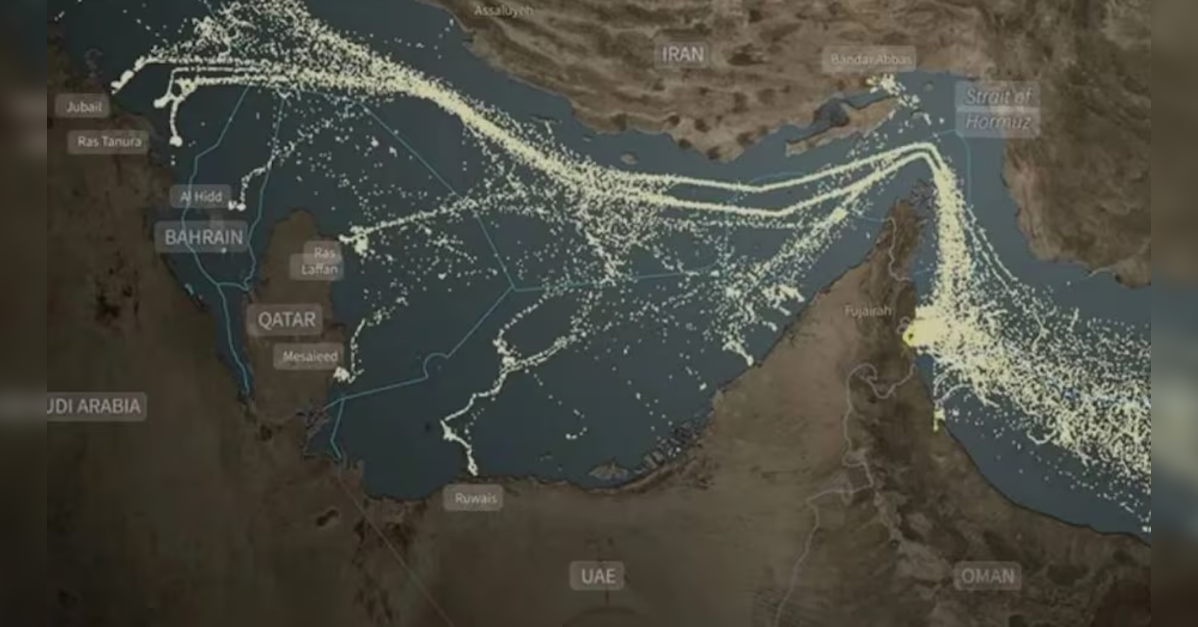
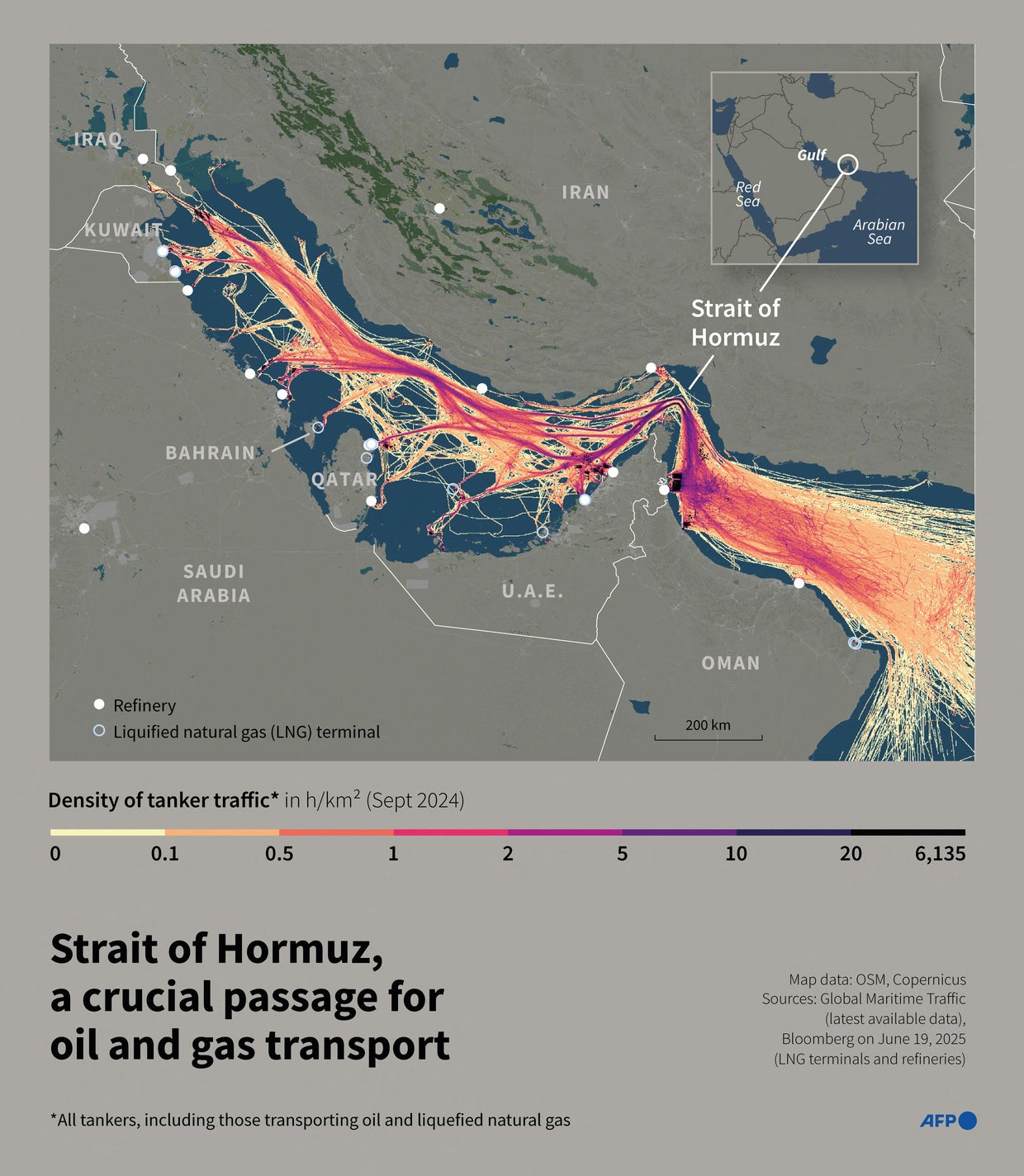
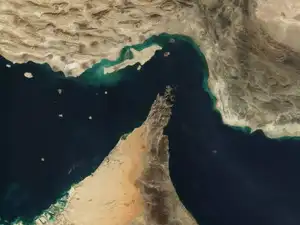
To understand the weight of Trump’s blockade threats, one must first grasp the sheer strategic importance of the Strait of Hormuz. Located between Oman and Iran, the strait connects the Persian Gulf with the Gulf of Oman and the Arabian Sea. It is the world's most important oil transit chokepoint. Approximately 21 million barrels of oil per day—roughly 20% of global petroleum liquids consumption—pass through this 21-mile-wide passage. For many Gulf nations, including Saudi Arabia, Kuwait, the UAE, and Iraq, the strait is the primary artery for their economic lifeblood.
Beyond oil, the strait is a vital corridor for Liquefied Natural Gas (LNG), particularly from Qatar, which is a major supplier to Europe and Asia. Any disruption, even a temporary one, threatens to destabilize global energy security. The physical geography of the strait adds to the tension; shipping lanes are narrow, and much of the navigable water lies within the territorial seas of Oman and Iran. This proximity gives Iran significant leverage to harass or halt commercial shipping, a tactic they have used historically as a counter-pressure mechanism against Western sanctions.
Trump’s Rhetoric: Strategy or Brinkmanship?
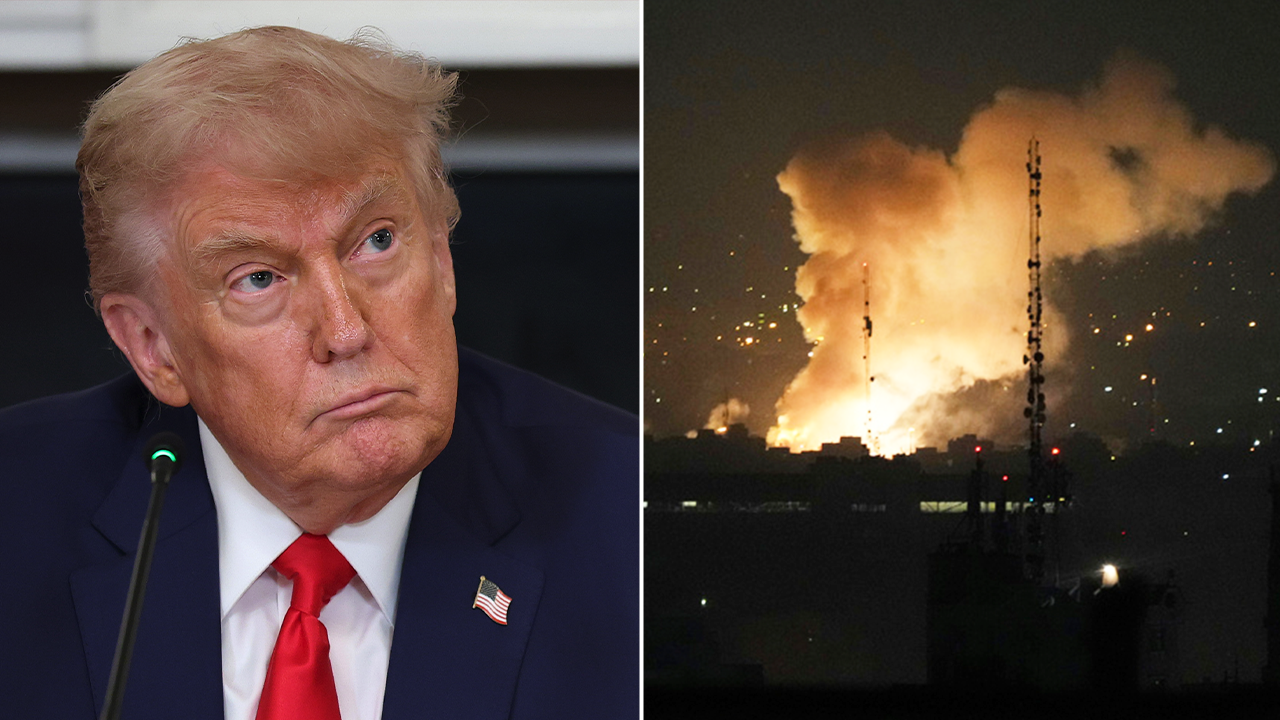
Donald Trump’s approach to Iran has consistently favored high-stakes confrontation over diplomatic nuance. By suggesting a blockade or a military response to Iranian "aggression" in the strait, Trump aims to re-establish a "credible deterrent." From his perspective, the previous administration's perceived leniency allowed Iran to expand its influence across the Middle East. Trump’s threats are designed to signal to Tehran that the costs of regional destabilization will be borne directly by the Iranian economy and military infrastructure.
However, critics argue that this brand of "brinkmanship" carries immense risks. Unlike traditional diplomacy, which seeks to provide "off-ramps" for de-escalation, blockade threats often corner an adversary. For Iran, the Strait of Hormuz is its most potent "asymmetric" weapon. If Tehran feels its own oil exports are being completely throttled by U.S. sanctions, it has often warned that "no one will export oil through the strait." Trump’s threats may therefore trigger the very behavior they are intended to prevent, leading to a cycle of escalation that could spiral into a full-scale naval conflict.
| Aspect of the Conflict | Detailed Description and Impact |
|---|---|
| Daily Oil Flux | Approximately 21 million barrels per day, representing 20-25% of global supply. |
| Economic Sensitivity | A blockade could trigger an immediate $30-$50 spike in oil prices per barrel. |
| Military Presence | U.S. Fifth Fleet (Bahrain) vs. Iranian IRGC Navy swarm tactics and mine warfare. |
| Geographic Constraint | Shipping lanes are only 2 miles wide in each direction, separated by a 2-mile buffer zone. |
| Primary Commodities | Crude oil, condensate, and Liquefied Natural Gas (LNG) primarily destined for Asian markets. |
The Economic Fallout: Why Markets Fear a Blockade
The global economy is currently in a fragile state, recovering from inflationary pressures and supply chain disruptions. A blockade of the Strait of Hormuz would be a "black swan" event of catastrophic proportions. If shipping were to cease, the immediate result would be a massive supply shock. Unlike other disruptions, the volume of oil flowing through Hormuz cannot be easily bypassed. While pipelines exist across Saudi Arabia and the UAE to the Red Sea and Gulf of Oman, their capacity is limited and cannot handle the full 21 million barrels per day.
For the American consumer, this translates to higher prices at the pump, which historically has been a political nightmare for any sitting president. For the global market, the "fear premium" alone would drive up costs for manufacturing and transportation, potentially tipping vulnerable economies into recession. Furthermore, a blockade would affect more than just oil; it would disrupt global trade routes for consumer goods and food, as insurance premiums for vessels in the region would skyrocket, making transit cost-prohibitive for many commercial fleets.
Persistent Predicaments: Why Threats Don't Solve the Root Issues
Despite the "tough talk," the underlying issues between the U.S. and Iran remain unchanged. A blockade threat is a tactical move in a much larger strategic chess match. The fundamental "predicaments" include:
- The Nuclear Stalemate: Iran continues to advance its enrichment capabilities. Threats of a blockade do not provide a roadmap for a new nuclear agreement or a way to roll back Tehran's technical gains.
- Asymmetric Warfare: Iran does not need a conventional navy to cause chaos. Through the use of fast-attack boats, sea mines, and drones, the Islamic Revolutionary Guard Corps (IRGC) can engage in "gray zone" tactics that are difficult for large U.S. carrier strike groups to counter without escalating to total war.
- Proxy Dynamics: From the Houthis in Yemen to Hezbollah in Lebanon, Iran’s regional influence is decentralized. A naval blockade in the Persian Gulf does little to mitigate the influence of Iranian-backed groups elsewhere in the Middle East.
- The China Factor: China is the largest buyer of Iranian oil and a major trading partner for Gulf Arab states. Any U.S.-led blockade would directly harm Chinese economic interests, potentially drawing Beijing into the conflict as a diplomatic or even logistical supporter of Iran, further complicating the global geopolitical balance.
Essentially, while Trump’s rhetoric may satisfy a domestic base looking for strength, it lacks a clear diplomatic "end state." Without a comprehensive strategy that includes both pressure and a viable path for negotiations, the risk of a "forever war" in the maritime domain increases without actually solving the problems of regional instability or nuclear proliferation.
Military Realities and the Fifth Fleet
If a blockade threat were ever realized, the burden of maintaining "freedom of navigation" would fall on the U.S. Navy's Fifth Fleet, based in Manama, Bahrain. The U.S. military has long practiced for such a scenario, emphasizing mine-sweeping operations and protecting tanker convoys. However, modern warfare has changed. The introduction of hypersonic missiles and advanced drone swarms means that even the most sophisticated Western warships are vulnerable in the narrow confines of the Gulf.
The Iranian military strategy is built on the concept of "anti-access/area denial" (A2/AD). By saturating the strait with low-cost, high-impact weapons, Iran aims to make the cost of U.S. intervention too high to sustain. This creates a dangerous paradox: the more the U.S. threatens a blockade or military action, the more Iran invests in the very asymmetric tools that make such a blockade a nightmare to break. This "unchanged predicament" highlights the limits of traditional military power in a region defined by unconventional threats.
The Role of Regional Allies
Arab nations in the Persian Gulf find themselves in a precarious position. On one hand, they rely on U.S. security guarantees to protect their sovereignty. On the other hand, they are the first to suffer if a war breaks out in their backyard. Countries like the UAE and Saudi Arabia have recently attempted to de-escalate tensions with Iran through direct talks, realizing that a regional conflagration would destroy their ambitious economic diversification plans (such as Saudi Arabia’s Vision 2030). Trump’s aggressive stance could inadvertently undermine these local diplomatic efforts, forcing regional allies into a conflict they desperately wish to avoid.
Conclusion: A High-Stakes Gamble with No Easy Exit
Trump’s Strait of Hormuz blockade threat serves as a stark reminder of the volatility inherent in Middle Eastern geopolitics. While intended as a tool of coercion to force Iran into submission, the reality is far more complex. The threat raises the risk of accidental escalation, market instability, and international isolation, yet it fails to address the structural issues that have fueled U.S.-Iran enmity for decades. The "predicaments" remain: a lack of mutual trust, the absence of a viable nuclear framework, and a region bristling with advanced weaponry.
In the final analysis, "maximum pressure" without a clear diplomatic objective is a high-stakes gamble. The Strait of Hormuz is too small for a large-scale conflict and too important for the world to ignore. Moving forward, the international community must find a way to balance the need for security with the necessity of keeping the world's most vital energy artery open, ensuring that rhetoric does not turn into a reality that no nation can afford.
Frequently Asked Questions (FAQ)
1. Why is the Strait of Hormuz so important to the U.S.?
While the U.S. has become more energy-independent through domestic shale production, it is still tied to global oil prices. A disruption in the strait would cause global prices to spike, hurting the U.S. economy. Furthermore, the U.S. is committed to the principle of "Freedom of Navigation" as a cornerstone of international maritime law and global trade security.
2. Can Iran actually close the Strait of Hormuz?
Technically, Iran could temporarily disrupt traffic using sea mines, coastal missiles, and small-boat swarms. However, the U.S. military and its allies possess superior technology to eventually reopen the strait. The real danger is not a permanent closure, but the massive economic damage and loss of life that would occur during the time it takes to clear the passage.
3. How would a blockade affect the average consumer?
The most immediate effect would be a significant increase in gasoline and heating oil prices. Beyond that, since oil is a primary cost in the supply chain for almost all goods, the prices of groceries, electronics, and air travel would likely rise as companies pass on increased transportation and energy costs to consumers.
4. Is there an alternative route for oil if the strait is blocked?
There are a few pipelines, such as the Petroline in Saudi Arabia and the ADCOP pipeline in the UAE, which can move oil to the Red Sea or the Gulf of Oman. However, these pipelines can only handle a fraction of the total volume that usually passes through the strait, leaving the world with a massive daily deficit of oil.
This report provides a comprehensive analysis of the trending geopolitical developments regarding the Strait of Hormuz. For more updates on global security and energy markets, stay tuned to our expert analysis series.
Trump's Strait of Hormuz blockade threat raises risks and leaves predicaments unchanged
Trump's Strait of Hormuz blockade threat raises risks and leaves predicaments unchanged Wallpapers
Collection of trump's strait of hormuz blockade threat raises risks and leaves predicaments unchanged wallpapers for your desktop and mobile devices.
Breathtaking Trump's Strait Of Hormuz Blockade Threat Raises Risks And Leaves Predicaments Unchanged Design Digital Art
Discover an amazing trump's strait of hormuz blockade threat raises risks and leaves predicaments unchanged background image, ideal for personalizing your devices with vibrant colors and intricate designs.
Artistic Trump's Strait Of Hormuz Blockade Threat Raises Risks And Leaves Predicaments Unchanged Artwork Illustration
A captivating trump's strait of hormuz blockade threat raises risks and leaves predicaments unchanged scene that brings tranquility and beauty to any device.
Amazing Trump's Strait Of Hormuz Blockade Threat Raises Risks And Leaves Predicaments Unchanged Abstract Illustration
Experience the crisp clarity of this stunning trump's strait of hormuz blockade threat raises risks and leaves predicaments unchanged image, available in high resolution for all your screens.

Stunning Trump's Strait Of Hormuz Blockade Threat Raises Risks And Leaves Predicaments Unchanged Picture in HD
A captivating trump's strait of hormuz blockade threat raises risks and leaves predicaments unchanged scene that brings tranquility and beauty to any device.
Spectacular Trump's Strait Of Hormuz Blockade Threat Raises Risks And Leaves Predicaments Unchanged Background Photography
Find inspiration with this unique trump's strait of hormuz blockade threat raises risks and leaves predicaments unchanged illustration, crafted to provide a fresh look for your background.

Crisp Trump's Strait Of Hormuz Blockade Threat Raises Risks And Leaves Predicaments Unchanged Abstract for Your Screen
Find inspiration with this unique trump's strait of hormuz blockade threat raises risks and leaves predicaments unchanged illustration, crafted to provide a fresh look for your background.

Artistic Trump's Strait Of Hormuz Blockade Threat Raises Risks And Leaves Predicaments Unchanged Picture Photography
Find inspiration with this unique trump's strait of hormuz blockade threat raises risks and leaves predicaments unchanged illustration, crafted to provide a fresh look for your background.

Dynamic Trump's Strait Of Hormuz Blockade Threat Raises Risks And Leaves Predicaments Unchanged Capture in HD
Immerse yourself in the stunning details of this beautiful trump's strait of hormuz blockade threat raises risks and leaves predicaments unchanged wallpaper, designed for a captivating visual experience.
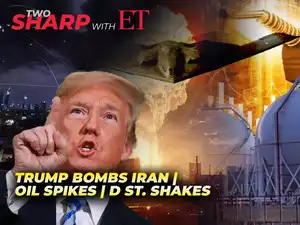
High-Quality Trump's Strait Of Hormuz Blockade Threat Raises Risks And Leaves Predicaments Unchanged Landscape Concept
Explore this high-quality trump's strait of hormuz blockade threat raises risks and leaves predicaments unchanged image, perfect for enhancing your desktop or mobile wallpaper.
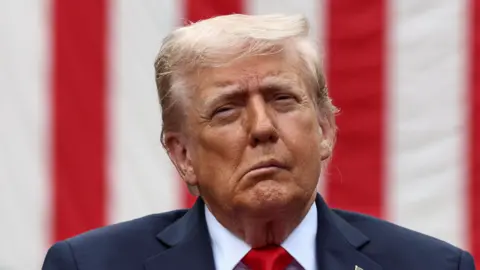
Breathtaking Trump's Strait Of Hormuz Blockade Threat Raises Risks And Leaves Predicaments Unchanged Picture in HD
Discover an amazing trump's strait of hormuz blockade threat raises risks and leaves predicaments unchanged background image, ideal for personalizing your devices with vibrant colors and intricate designs.
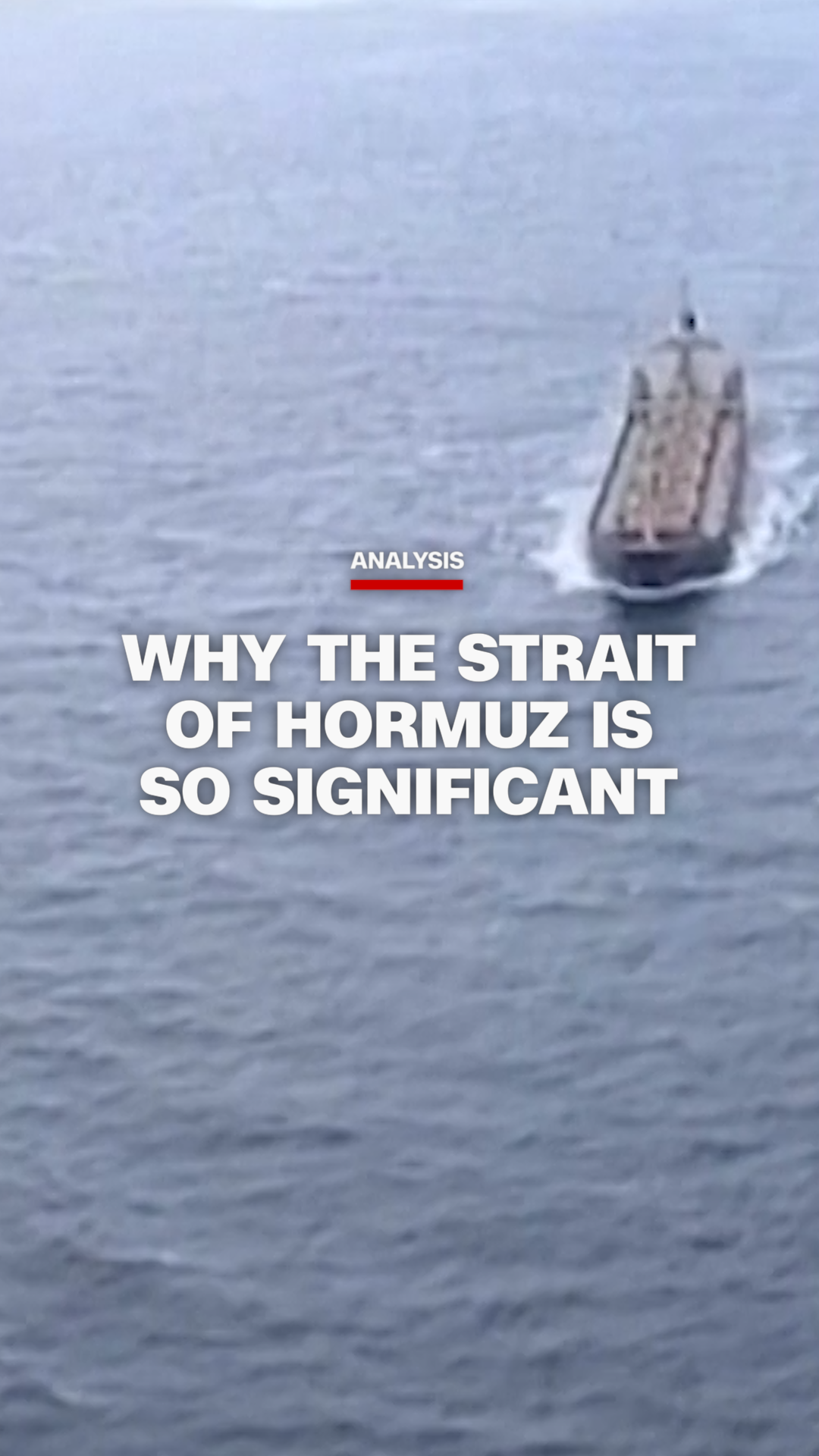
Gorgeous Trump's Strait Of Hormuz Blockade Threat Raises Risks And Leaves Predicaments Unchanged View for Desktop
Immerse yourself in the stunning details of this beautiful trump's strait of hormuz blockade threat raises risks and leaves predicaments unchanged wallpaper, designed for a captivating visual experience.
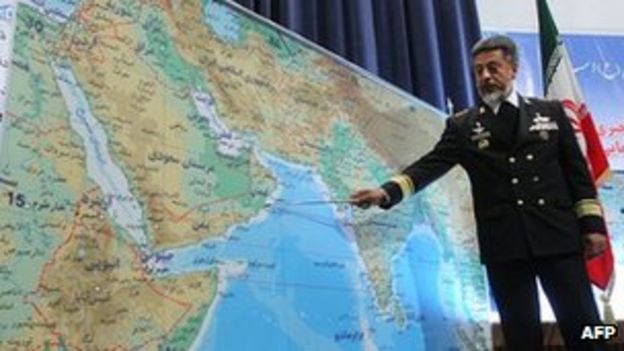
Detailed Trump's Strait Of Hormuz Blockade Threat Raises Risks And Leaves Predicaments Unchanged Capture Nature
Transform your screen with this vivid trump's strait of hormuz blockade threat raises risks and leaves predicaments unchanged artwork, a true masterpiece of digital design.

Serene Trump's Strait Of Hormuz Blockade Threat Raises Risks And Leaves Predicaments Unchanged Capture Digital Art
Transform your screen with this vivid trump's strait of hormuz blockade threat raises risks and leaves predicaments unchanged artwork, a true masterpiece of digital design.
High-Quality Trump's Strait Of Hormuz Blockade Threat Raises Risks And Leaves Predicaments Unchanged Design Nature
Discover an amazing trump's strait of hormuz blockade threat raises risks and leaves predicaments unchanged background image, ideal for personalizing your devices with vibrant colors and intricate designs.
Lush Trump's Strait Of Hormuz Blockade Threat Raises Risks And Leaves Predicaments Unchanged Background Collection
Immerse yourself in the stunning details of this beautiful trump's strait of hormuz blockade threat raises risks and leaves predicaments unchanged wallpaper, designed for a captivating visual experience.

Serene Trump's Strait Of Hormuz Blockade Threat Raises Risks And Leaves Predicaments Unchanged Background in HD
Discover an amazing trump's strait of hormuz blockade threat raises risks and leaves predicaments unchanged background image, ideal for personalizing your devices with vibrant colors and intricate designs.
Serene Trump's Strait Of Hormuz Blockade Threat Raises Risks And Leaves Predicaments Unchanged Abstract Art
Explore this high-quality trump's strait of hormuz blockade threat raises risks and leaves predicaments unchanged image, perfect for enhancing your desktop or mobile wallpaper.
Captivating Trump's Strait Of Hormuz Blockade Threat Raises Risks And Leaves Predicaments Unchanged Artwork Collection
Find inspiration with this unique trump's strait of hormuz blockade threat raises risks and leaves predicaments unchanged illustration, crafted to provide a fresh look for your background.

Artistic Trump's Strait Of Hormuz Blockade Threat Raises Risks And Leaves Predicaments Unchanged Image for Mobile
Immerse yourself in the stunning details of this beautiful trump's strait of hormuz blockade threat raises risks and leaves predicaments unchanged wallpaper, designed for a captivating visual experience.
Crisp Trump's Strait Of Hormuz Blockade Threat Raises Risks And Leaves Predicaments Unchanged Design Collection
A captivating trump's strait of hormuz blockade threat raises risks and leaves predicaments unchanged scene that brings tranquility and beauty to any device.
Download these trump's strait of hormuz blockade threat raises risks and leaves predicaments unchanged wallpapers for free and use them on your desktop or mobile devices.