Two Ships From Iranian Ports Passed Hormuz Strait Despite US Blockade — Tracker Confirms Movement
Two Ships From Iranian Ports Passed Hormuz Strait Despite US Blockade — Tracker Confirms Movement
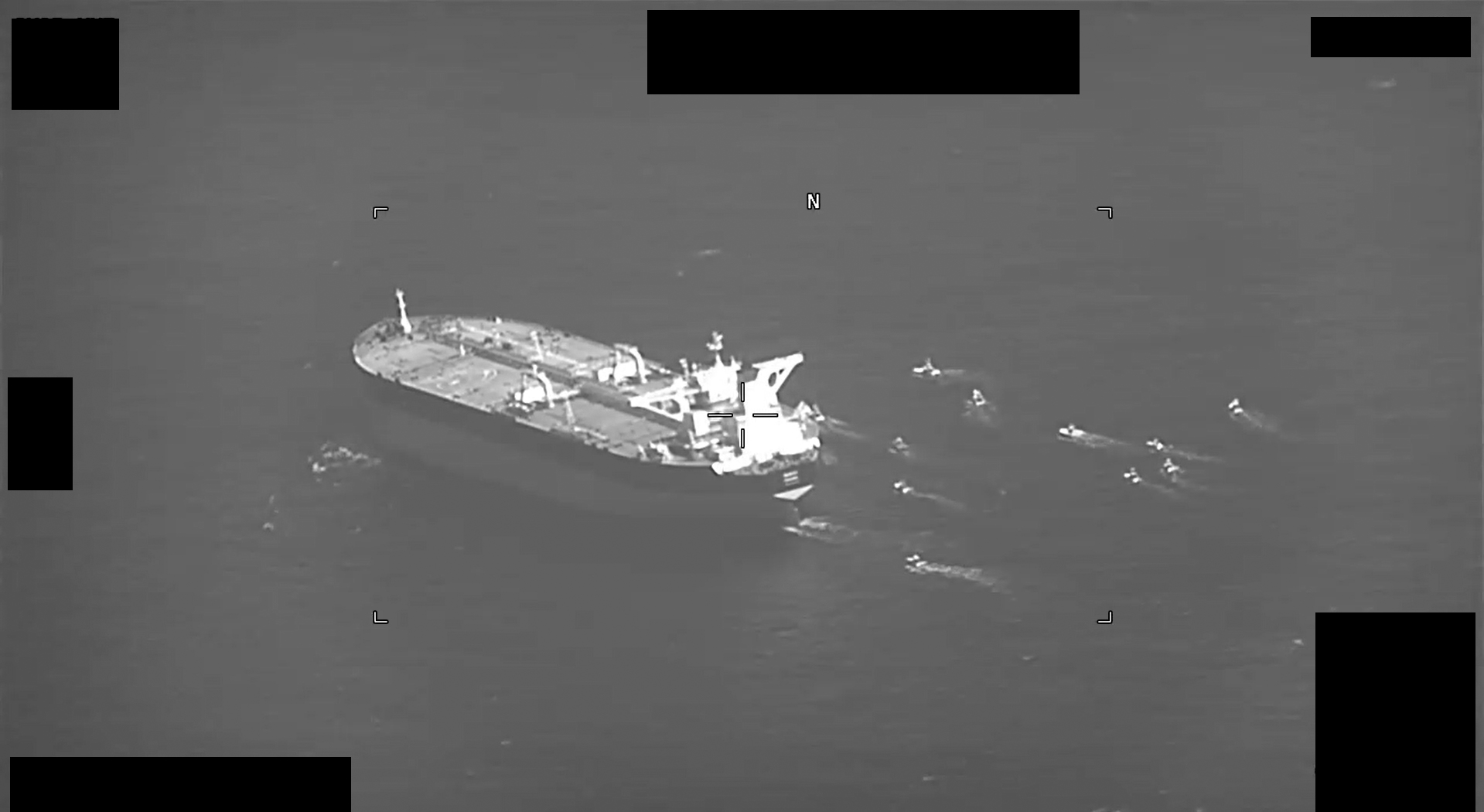
In a significant development that has sent ripples through global energy markets and geopolitical circles, maritime tracking data has confirmed that two large vessels originating from Iranian ports have successfully navigated the Strait of Hormuz. This maneuver occurred despite the stringent maritime surveillance and the "maximum pressure" blockade strategy maintained by US forces in the region. The incident highlights the ongoing tension between Tehran and Washington, underscoring the complexities of enforcing international sanctions in one of the world's most vital maritime chokepoints.
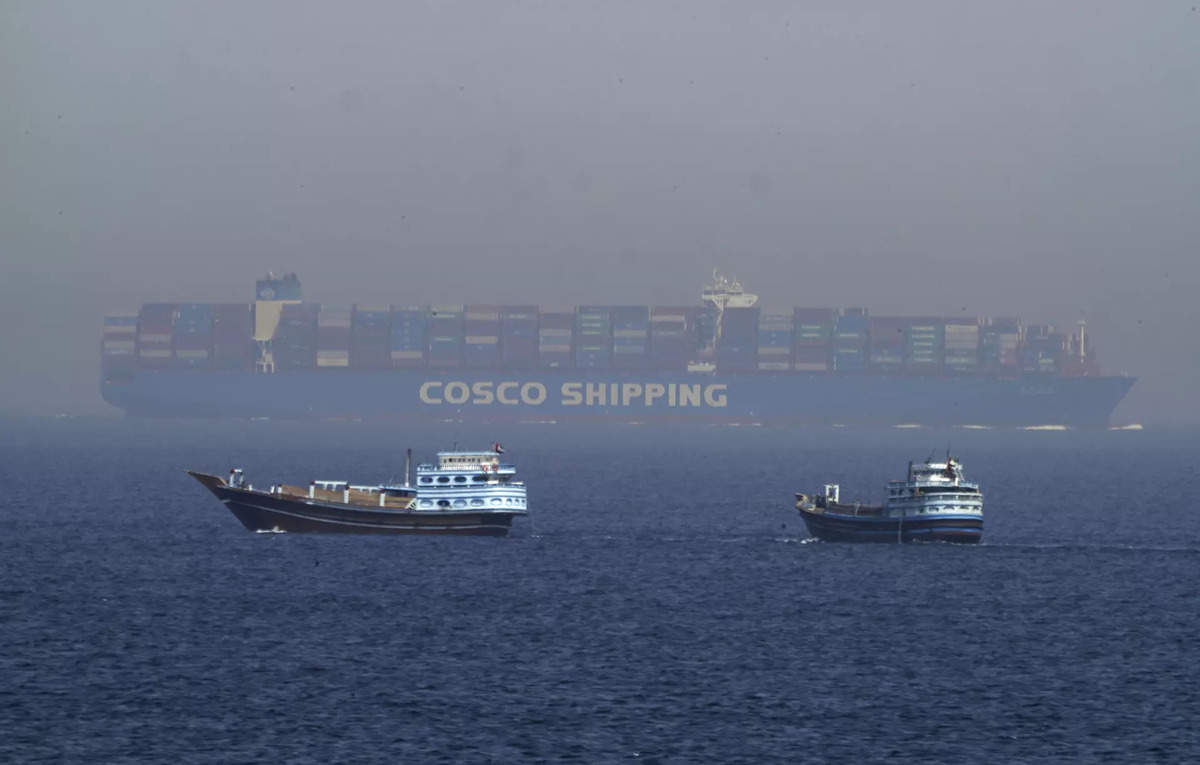
The Strait of Hormuz, a narrow waterway separating the Persian Gulf from the Gulf of Oman, serves as the primary artery for global oil supplies. Approximately one-fifth of the world's total oil consumption passes through this strait daily. Consequently, any movement of Iranian vessels—especially those suspected of carrying sanctioned petroleum products—is monitored with extreme scrutiny by satellite trackers, naval intelligence units, and independent maritime analysts. The recent passage of these two ships represents a tactical challenge to the status quo of regional maritime security.
The Strategic Significance of the Strait of Hormuz
To understand the gravity of the report that two ships from Iranian ports passed the Hormuz Strait, one must first grasp the strategic geography of the region. The strait is only 21 miles wide at its narrowest point, with shipping lanes in each direction being only two miles wide. This creates a natural bottleneck that is easily monitored but difficult to control without risking significant international conflict.
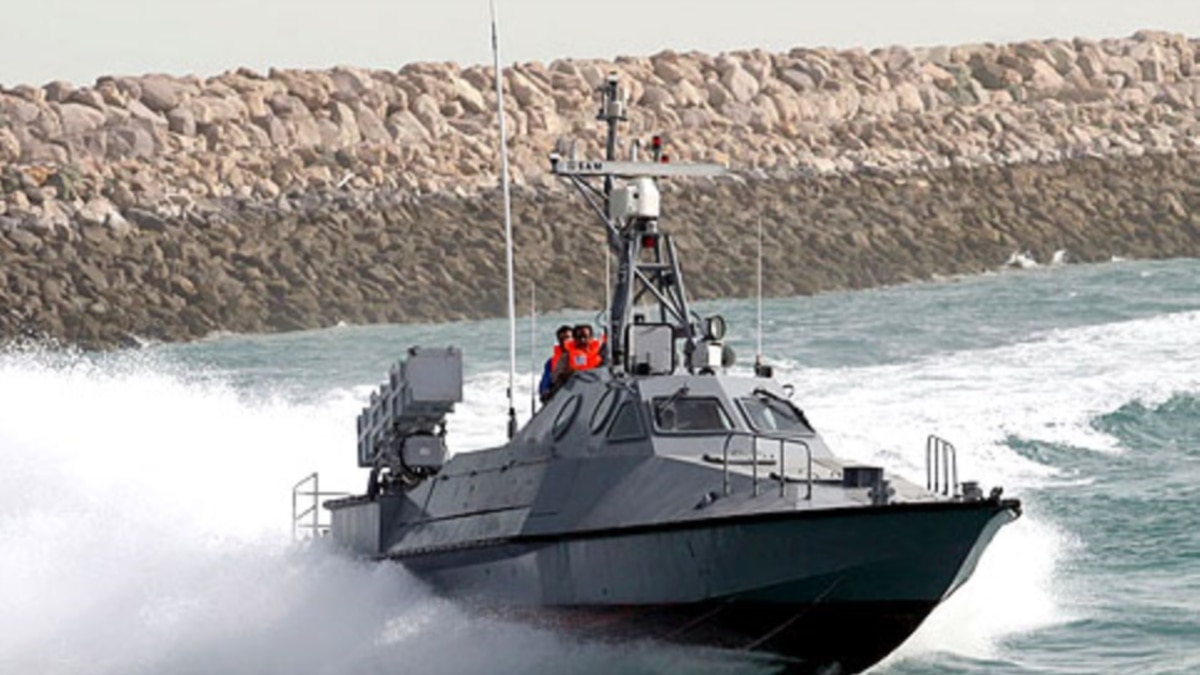
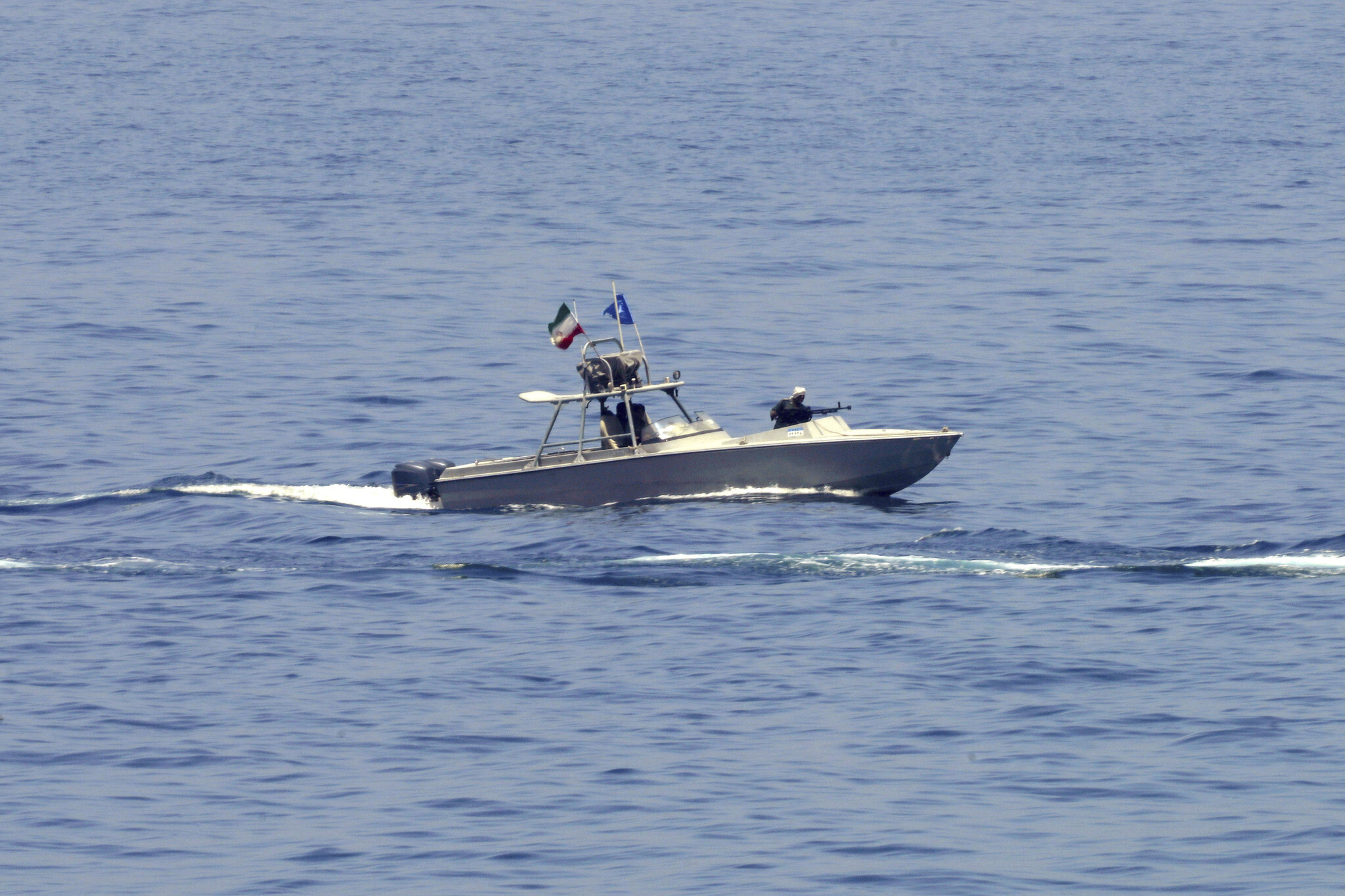
For Iran, the Strait of Hormuz is both a lifeline and a lever. It is the only exit for their maritime exports and a tool for geopolitical leverage. For the United States and its allies, ensuring the "freedom of navigation" in these waters is a cornerstone of global economic stability. The US 5th Fleet, based in Bahrain, is tasked with patrolling these waters to prevent disruption. However, the definition of "blockade" in this context often refers to the aggressive enforcement of secondary sanctions—targeting any vessel, insurer, or port authority that facilitates Iranian trade—rather than a physical line of warships preventing all movement.
The recent tracking data suggests that despite the high risks of seizure or sanctioning, the demand for Iranian energy remains high enough for certain actors to bypass the established restrictions. This incident raises questions about the efficacy of current maritime enforcement and the evolving tactics used by "dark fleet" operators to move cargo across contested waters.
Details of the Vessel Movement and Tracking Intelligence
According to maritime tracking platforms such as MarineTraffic and TankerTrackers.com, the two vessels were spotted departing from major Iranian terminals earlier this week. The ships, which have been identified as Suezmax-class tankers, reportedly disabled their Automatic Identification System (AIS) transponders shortly after leaving the port—a common tactic known as "going dark" to avoid real-time detection by satellite monitors.
However, modern maritime intelligence uses more than just AIS signals. Satellite imagery, synthetic aperture radar (SAR), and radio frequency (RF) monitoring allow analysts to track vessels even when their onboard systems are turned off. The data indicated that the ships re-emerged on the eastern side of the Strait of Hormuz, heading toward international waters in the Indian Ocean. This successful transit suggests a sophisticated level of coordination, possibly timed to coincide with gaps in aerial surveillance or during periods of high commercial traffic to "blend in" with the hundreds of other ships in the area.
Industry experts suggest that these ships may be destined for Asian markets, where the appetite for discounted Iranian crude remains robust despite the threat of US sanctions. The ability of these vessels to pass through the Strait of Hormuz without intervention highlights the delicate balance the US Navy must strike: enforcing sanctions without escalating to a hot war in a region that provides the world's energy security.
| Aspek Analisis | Deskripsi dan Detail |
|---|---|
| Vessel Origins | Major Iranian oil terminals (likely Kharg Island or Bandar Abbas). |
| Tracking Status | Intermittent AIS signals; confirmed via satellite imagery and maritime trackers. |
| Geographic Point | The Strait of Hormuz (Chokepoint between Iran and Oman). |
| Enforcement Context | US 5th Fleet presence and "Maximum Pressure" economic sanctions. |
| Market Impact | Potential stabilization of supply in specific Asian markets; increased risk premium on oil prices. |
| Tactics Used | "Dark" sailing, ship-to-ship transfers, and potential re-flagging. |
The "Dark Fleet" and the Evolution of Sanction Evasion
The term "Dark Fleet" refers to a growing number of aging tankers that operate outside the mainstream maritime industry to transport sanctioned oil from countries like Iran, Venezuela, and more recently, Russia. The passage of two ships from Iranian ports through the Hormuz Strait is a testament to the resilience of this shadow economy. These ships often lack standard P&I (Protection and Indemnity) insurance and frequently change their names and flags to stay one step ahead of regulators.
The tactics have become increasingly sophisticated. Beyond just turning off AIS, these vessels often engage in "spoofing," where they broadcast a false location to make it appear as though they are in one part of the ocean while they are actually loading oil in an Iranian port. The fact that trackers were able to confirm the passage of these two specific ships suggests that maritime intelligence is becoming more adept at piercing this veil of secrecy, yet it also shows that "detection" does not always equate to "prevention."
For the US blockade to be truly effective, it requires the cooperation of regional neighbors like the UAE and Oman. However, many of these nations prefer a policy of de-escalation, fearing that aggressive seizures of Iranian tankers could lead to retaliatory attacks on their own infrastructure or commercial shipping, as has happened in the recent past with "limpet mine" attacks and drone strikes.
Geopolitical Implications and Energy Security
The successful navigation of the Strait of Hormuz by these vessels is a symbolic victory for Tehran. It signals to the international community that Iran can still export its primary resource despite the most comprehensive sanctions regime in modern history. This has several implications for the global landscape:
1. Impact on Oil Prices
Whenever tensions flare in the Strait of Hormuz, oil prices typically see a "geopolitical risk premium." If the US were to respond by seizing these vessels, prices could spike due to fears of a wider conflict. Conversely, the fact that the oil is reaching the market helps maintain global supply levels, which ironically helps keep prices down—a goal the US administration often balances against its desire to penalize Iran.
2. Diplomatic Leverage
This incident occurs against the backdrop of stalled nuclear negotiations. By demonstrating its ability to bypass the "blockade," Iran strengthens its bargaining position, showing that it can survive under the current sanctions indefinitely. It also places pressure on the US to decide whether to escalate its naval presence or continue a policy of monitored containment.
3. Maritime Law and Sovereignty
The Strait of Hormuz is governed by the United Nations Convention on the Law of the Sea (UNCLOS), which provides for "transit passage" through international straits. While the US does not recognize Iran's right to restrict shipping, Iran often asserts its influence over the waters. The movement of these two ships is a practical exercise of what Iran considers its sovereign right to trade, challenging the US interpretation of international maritime enforcement.
Technical Monitoring: How Trackers Identify "Ghost" Ships
The role of independent trackers has become crucial in modern journalism and intelligence. Organizations like the United Against Nuclear Iran (UANI) and various open-source intelligence (OSINT) accounts on social media provide real-time updates that were once the sole province of government agencies. They use a combination of technologies to verify reports like the one concerning these two ships.
Synthetic Aperture Radar (SAR) is particularly effective because it can "see" through clouds and at night, detecting the metallic hulls of large tankers even if they are not broadcasting their position. When these images are cross-referenced with "optical" satellite photos (which show the color and markings of a ship), analysts can confirm a vessel's identity with high confidence. The report that two ships passed the strait is likely based on this multi-layered verification process.
Furthermore, the "bunker" fuel consumption of these ships is tracked. Large tankers require significant refueling, and the ports they visit for fuel often provide clues to their destination and cargo. By monitoring these logistical footprints, trackers can piece together the journey of a vessel from its departure in Iran to its eventual offloading point.
Conclusion: A High-Stakes Game of Cat and Mouse
The passage of two ships from Iranian ports through the Hormuz Strait despite the US blockade is more than just a routine maritime update; it is a pulse-check on the current state of global power dynamics. It illustrates the limits of economic sanctions when faced with a determined state actor and a clandestine network of maritime trade. As long as there is a global demand for energy and a price discrepancy created by sanctions, "ghost ships" will continue to navigate the world's most dangerous waterways.
For the international community, the incident serves as a reminder of the fragility of the global supply chain. The Strait of Hormuz remains a flashpoint where a single miscalculation by either a naval commander or a tanker captain could lead to a crisis with global economic consequences. For now, the tracker updates provide a window into a hidden world of maritime defiance, where the stakes are as high as the price of a barrel of oil.
Frequently Asked Questions (FAQ)
1. Why is the Strait of Hormuz so important for oil shipping?
The Strait of Hormuz is the world's most important oil transit chokepoint. Nearly 20% of the world's oil passes through it. It is the only sea route from the Persian Gulf to the open ocean, making it vital for exporters like Saudi Arabia, Iraq, the UAE, Kuwait, and Iran.
2. How does the US enforce a "blockade" against Iranian ships?
The "blockade" is primarily economic and regulatory rather than a physical line of ships. The US uses sanctions to penalize any entity that buys Iranian oil or assists in its transport. The US Navy's 5th Fleet patrols the region to ensure freedom of navigation and to monitor for illegal activities, occasionally seizing vessels if they are found to be in violation of specific international warrants or sanctions laws.
3. What is a "Dark Fleet" or "Ghost Ship"?
These are vessels that operate outside of standard maritime regulations to transport sanctioned goods. They often turn off their AIS (tracking) transponders, use fraudulent documentation, and undergo multiple ship-to-ship transfers at sea to hide the true origin of their cargo.
4. Will this incident lead to higher gas prices?
Directly, maybe not. However, if this leads to increased naval tensions or a physical confrontation in the Strait, market speculation usually drives oil prices higher, which eventually reflects in the cost of gasoline for consumers worldwide.
Final Note: The situation in the Persian Gulf is fluid. Tracking data is subject to change as more satellite imagery becomes available. Stay tuned for further updates on maritime movements and geopolitical shifts.
Two ships from Iranian ports passed Hormuz Strait despite US blockade — tracker
Two ships from Iranian ports passed Hormuz Strait despite US blockade — tracker Wallpapers
Collection of two ships from iranian ports passed hormuz strait despite us blockade — tracker wallpapers for your desktop and mobile devices.
Serene Two Ships From Iranian Ports Passed Hormuz Strait Despite Us Blockade — Tracker View in 4K
Transform your screen with this vivid two ships from iranian ports passed hormuz strait despite us blockade — tracker artwork, a true masterpiece of digital design.
Dynamic Two Ships From Iranian Ports Passed Hormuz Strait Despite Us Blockade — Tracker Scene Concept
Find inspiration with this unique two ships from iranian ports passed hormuz strait despite us blockade — tracker illustration, crafted to provide a fresh look for your background.
Artistic Two Ships From Iranian Ports Passed Hormuz Strait Despite Us Blockade — Tracker Background Collection
Find inspiration with this unique two ships from iranian ports passed hormuz strait despite us blockade — tracker illustration, crafted to provide a fresh look for your background.
Amazing Two Ships From Iranian Ports Passed Hormuz Strait Despite Us Blockade — Tracker Design Collection
Transform your screen with this vivid two ships from iranian ports passed hormuz strait despite us blockade — tracker artwork, a true masterpiece of digital design.
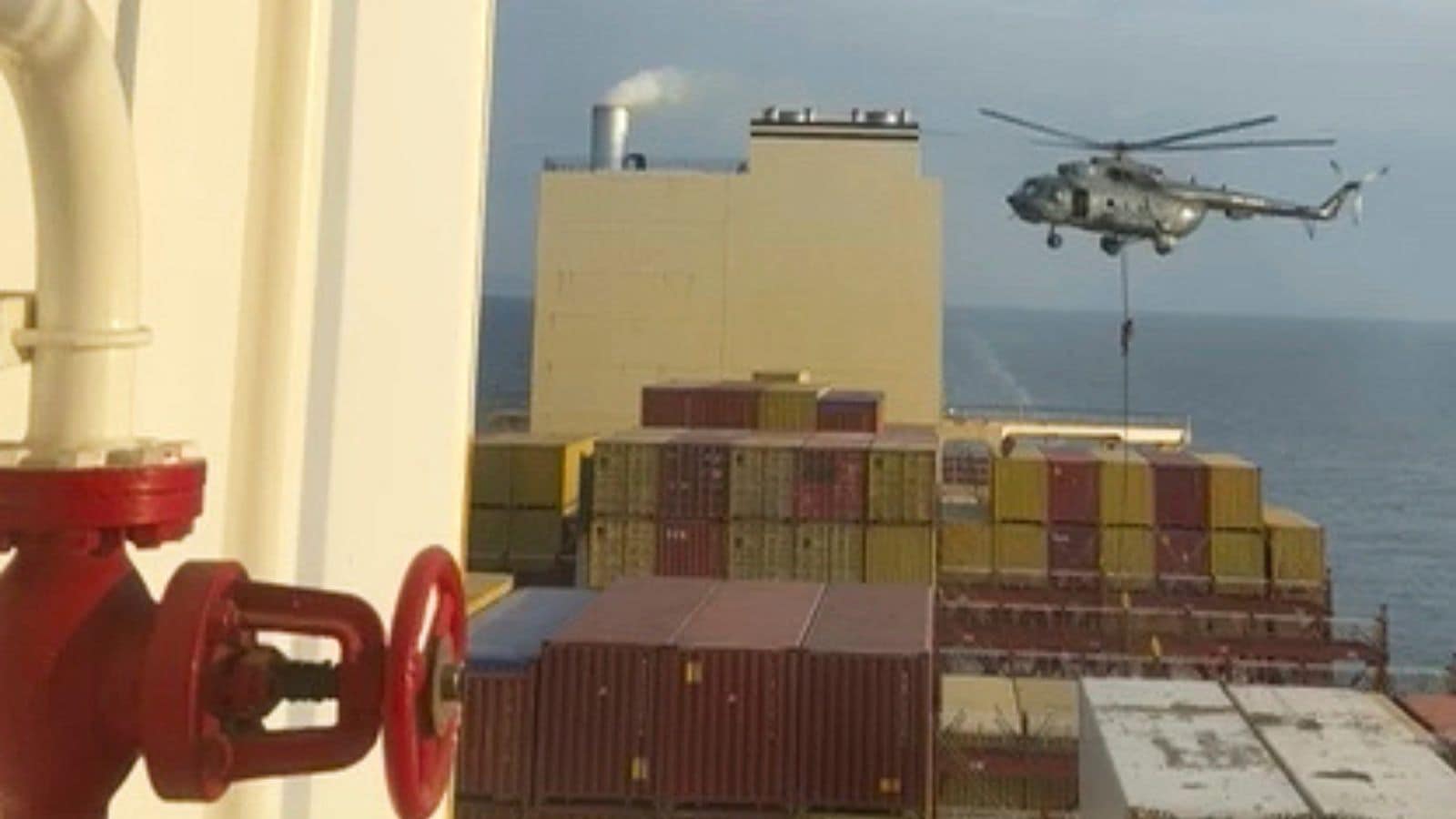
High-Quality Two Ships From Iranian Ports Passed Hormuz Strait Despite Us Blockade — Tracker Landscape in HD
Explore this high-quality two ships from iranian ports passed hormuz strait despite us blockade — tracker image, perfect for enhancing your desktop or mobile wallpaper.
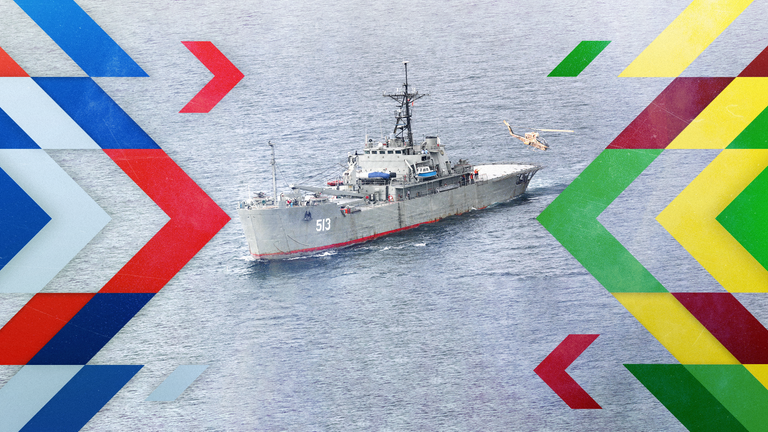
Dynamic Two Ships From Iranian Ports Passed Hormuz Strait Despite Us Blockade — Tracker Landscape Digital Art
This gorgeous two ships from iranian ports passed hormuz strait despite us blockade — tracker photo offers a breathtaking view, making it a perfect choice for your next wallpaper.

Crisp Two Ships From Iranian Ports Passed Hormuz Strait Despite Us Blockade — Tracker Picture for Desktop
Find inspiration with this unique two ships from iranian ports passed hormuz strait despite us blockade — tracker illustration, crafted to provide a fresh look for your background.
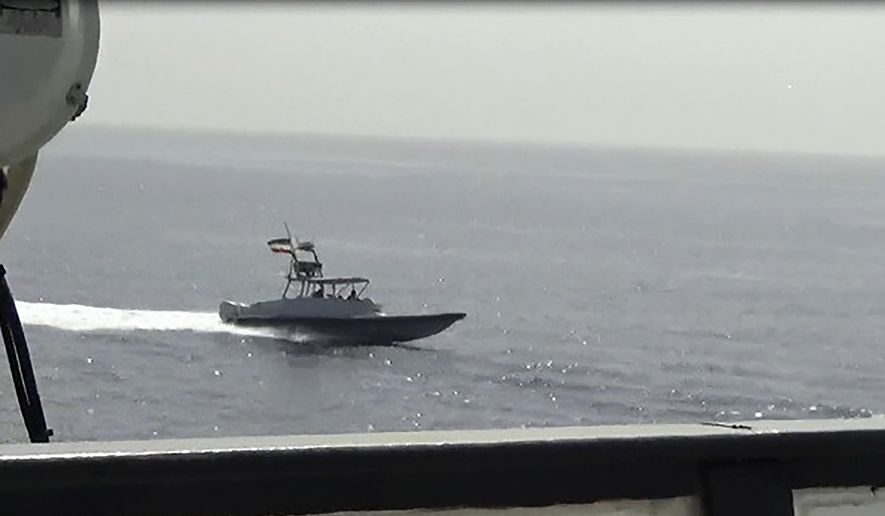
Crisp Two Ships From Iranian Ports Passed Hormuz Strait Despite Us Blockade — Tracker Scene Illustration
This gorgeous two ships from iranian ports passed hormuz strait despite us blockade — tracker photo offers a breathtaking view, making it a perfect choice for your next wallpaper.

Spectacular Two Ships From Iranian Ports Passed Hormuz Strait Despite Us Blockade — Tracker View for Your Screen
Immerse yourself in the stunning details of this beautiful two ships from iranian ports passed hormuz strait despite us blockade — tracker wallpaper, designed for a captivating visual experience.
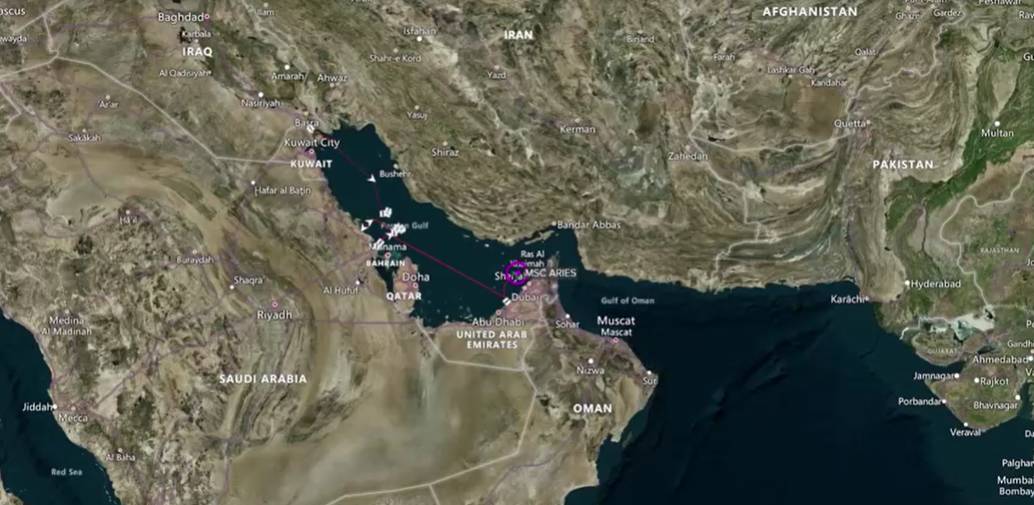
Detailed Two Ships From Iranian Ports Passed Hormuz Strait Despite Us Blockade — Tracker Photo Nature
Explore this high-quality two ships from iranian ports passed hormuz strait despite us blockade — tracker image, perfect for enhancing your desktop or mobile wallpaper.
Crisp Two Ships From Iranian Ports Passed Hormuz Strait Despite Us Blockade — Tracker Landscape Nature
A captivating two ships from iranian ports passed hormuz strait despite us blockade — tracker scene that brings tranquility and beauty to any device.
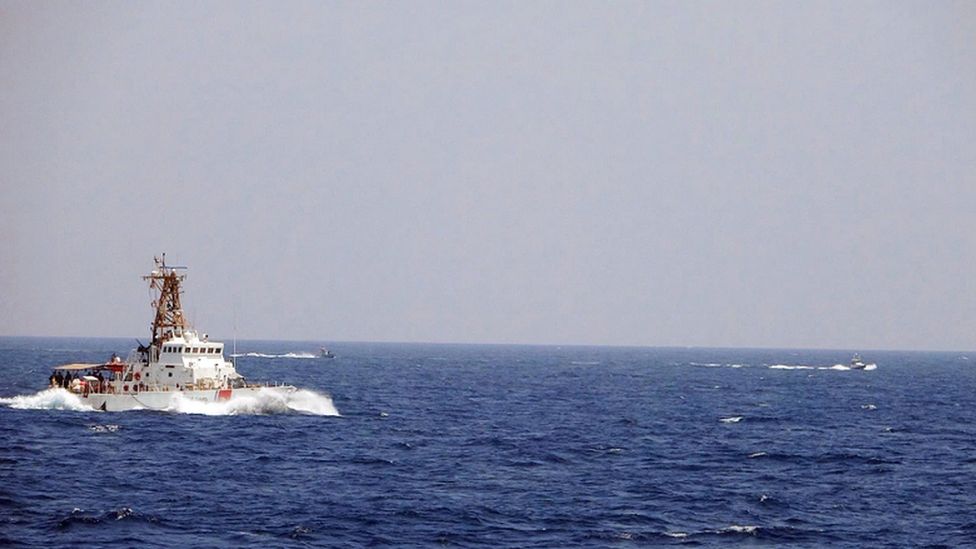
Vivid Two Ships From Iranian Ports Passed Hormuz Strait Despite Us Blockade — Tracker Scene Nature
Discover an amazing two ships from iranian ports passed hormuz strait despite us blockade — tracker background image, ideal for personalizing your devices with vibrant colors and intricate designs.

Breathtaking Two Ships From Iranian Ports Passed Hormuz Strait Despite Us Blockade — Tracker Artwork in 4K
Explore this high-quality two ships from iranian ports passed hormuz strait despite us blockade — tracker image, perfect for enhancing your desktop or mobile wallpaper.

Amazing Two Ships From Iranian Ports Passed Hormuz Strait Despite Us Blockade — Tracker Scene in HD
Discover an amazing two ships from iranian ports passed hormuz strait despite us blockade — tracker background image, ideal for personalizing your devices with vibrant colors and intricate designs.

High-Quality Two Ships From Iranian Ports Passed Hormuz Strait Despite Us Blockade — Tracker Abstract Digital Art
Experience the crisp clarity of this stunning two ships from iranian ports passed hormuz strait despite us blockade — tracker image, available in high resolution for all your screens.
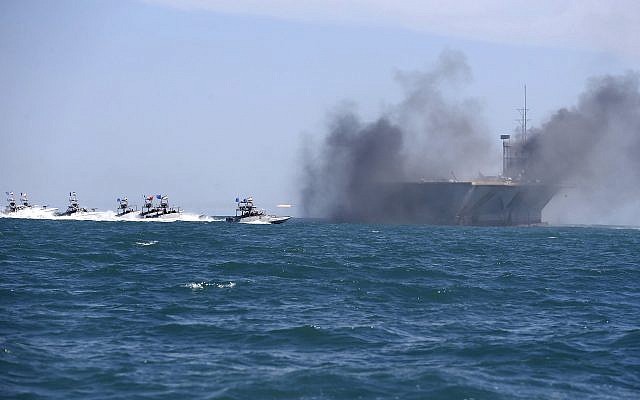
Serene Two Ships From Iranian Ports Passed Hormuz Strait Despite Us Blockade — Tracker Moment Concept
Transform your screen with this vivid two ships from iranian ports passed hormuz strait despite us blockade — tracker artwork, a true masterpiece of digital design.
:quality(70)/cloudfront-us-east-1.images.arcpublishing.com/archetype/YYGK3QSKI5FVBMLBDEW4EZQRIA.jpg "Detailed Two Ships From Iranian Ports Passed Hormuz Strait Despite Us Blockade — Tracker Abstract Photography")
Detailed Two Ships From Iranian Ports Passed Hormuz Strait Despite Us Blockade — Tracker Abstract Photography
Discover an amazing two ships from iranian ports passed hormuz strait despite us blockade — tracker background image, ideal for personalizing your devices with vibrant colors and intricate designs.
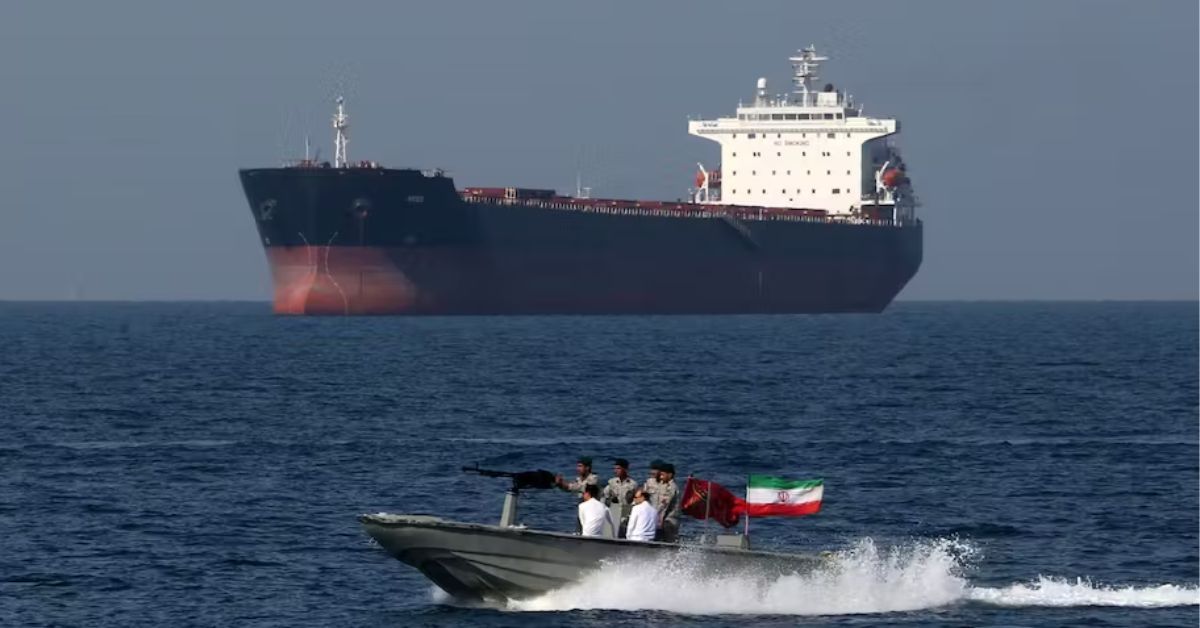
Lush Two Ships From Iranian Ports Passed Hormuz Strait Despite Us Blockade — Tracker Design for Desktop
This gorgeous two ships from iranian ports passed hormuz strait despite us blockade — tracker photo offers a breathtaking view, making it a perfect choice for your next wallpaper.

Amazing Two Ships From Iranian Ports Passed Hormuz Strait Despite Us Blockade — Tracker Background Art
Discover an amazing two ships from iranian ports passed hormuz strait despite us blockade — tracker background image, ideal for personalizing your devices with vibrant colors and intricate designs.

Artistic Two Ships From Iranian Ports Passed Hormuz Strait Despite Us Blockade — Tracker Capture Digital Art
This gorgeous two ships from iranian ports passed hormuz strait despite us blockade — tracker photo offers a breathtaking view, making it a perfect choice for your next wallpaper.
Download these two ships from iranian ports passed hormuz strait despite us blockade — tracker wallpapers for free and use them on your desktop or mobile devices.