Why Malaysians are Losing Patience with Leaders Amid Fuel Crisis and Subsidy Rationalization
Why Malaysians are Losing Patience with Leaders Amid Fuel Crisis and Subsidy Rationalization
The socio-political landscape of Malaysia is currently navigating a period of intense friction. For decades, the Malaysian public has enjoyed one of the most heavily subsidized fuel regimes in Southeast Asia. However, the tides are turning. As the government transitions from blanket subsidies to a targeted assistance model, the "rakyat" (the people) are finding their patience stretched to a breaking point. The narrative is no longer just about the price at the pump; it is about trust, the rising cost of living, and the perceived disconnect between the political elite and the common citizen struggling to make ends meet in a post-pandemic economy.
The End of an Era: The Shift from Blanket to Targeted Subsidies
For generations, Malaysians viewed low fuel prices as a birthright. Whether driving a luxury sedan or a modest motorcycle, the price of RON95 and diesel remained artificially low compared to global market rates, thanks to massive government injections. However, the current administration, led by Prime Minister Datuk Seri Anwar Ibrahim under the MADANI framework, has argued that this "blanket" approach is unsustainable. In 2023 alone, the government spent over RM80 billion on subsidies, a figure that many economists argue could be better spent on healthcare, education, and infrastructure.
The transition began in earnest with the rationalization of diesel prices, which saw a significant jump overnight for many sectors. While the government introduced the BUDI MADANI initiative to provide cash transfers to eligible individuals and small-scale farmers, the implementation has been met with skepticism. The complexity of registration, coupled with the immediate inflationary pressure on logistics and goods, has created a sense of urgency and panic among the middle class (M40) and lower-income (B40) groups.
Economic Pressures: The Ripple Effect of Fuel Price Hikes
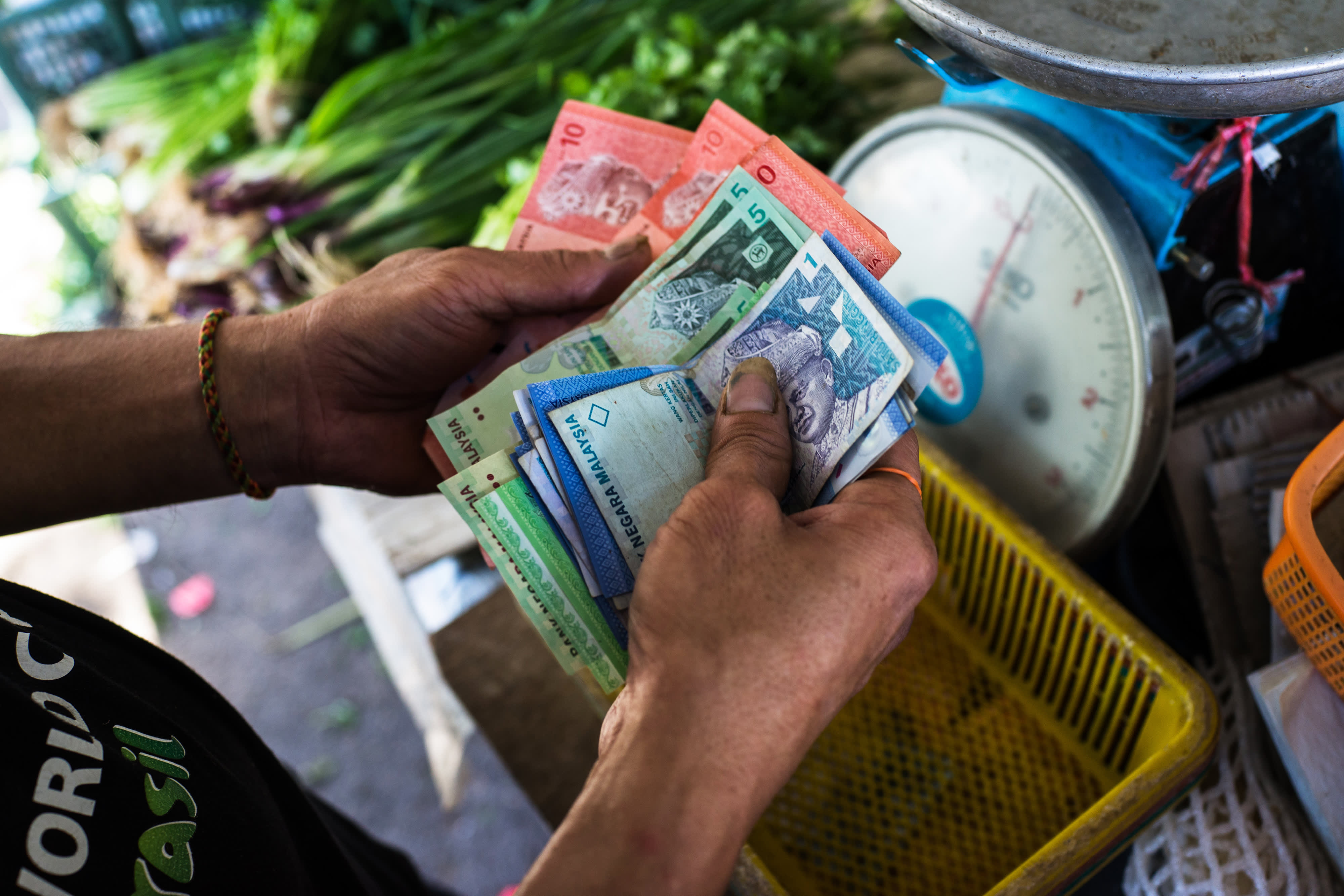
One of the primary reasons Malaysians are losing patience is the immediate "domino effect" that fuel prices have on the general cost of living. In Malaysia, fuel is the lifeblood of the logistics chain. When diesel prices rise, the cost of transporting vegetables from Cameron Highlands to Kuala Lumpur increases. When fuel for fishing boats becomes less accessible or more expensive, the price of "ikan kembung" (mackerel) at the local market spikes.
Despite government assurances that enforcement agencies like the Ministry of Domestic Trade and Cost of Living (KPDN) will prevent profiteering, consumers are seeing a different reality. Daily essentials—from eggs to bread—have seen price adjustments. For the average Malaysian family, whose wages have largely remained stagnant while the Ringgit fluctuates against the US Dollar, the additional burden of increased fuel costs feels like a bridge too far. The sentiment on the ground is that while the "crisis" might be fiscal for the government, it is existential for the household budget.
The Struggling Middle Class (M40) and the "Squeeze"
While the B40 group receives direct cash aid, the M40—the group that often pays the most in income tax—finds itself in a precarious position. Many M40 households do not qualify for the RM200 monthly assistance but are equally affected by the rise in service prices and goods. This "squeezed middle" feels neglected by the current policy shifts. They are the ones who drive older cars that are not fuel-efficient and rely on personal transport due to the gaps in public transit connectivity outside the Klang Valley. For them, the fuel crisis is a direct hit to their disposable income and their ability to save for the future.
Political Promises vs. Policy Reality
Patience is also wearing thin due to the perceived reversal of political stances. Many within the current ruling coalition once campaigned on platforms that promised lower fuel prices and immediate relief for the rakyat. Archival videos of political leaders protesting fuel hikes during previous administrations frequently go viral on social media, serving as a reminder of the "Reformasi" era's promises.
The public perception is that the government is now doing exactly what it once criticized. While the administration argues that the global economic context has changed and that fiscal responsibility is paramount to avoid a national debt crisis, the emotional response from the electorate is one of betrayal. The narrative of "we must save the economy" is difficult to sell to a mother who can no longer afford to fill her tank to take her children to school. The disconnect between macroeconomic data (GDP growth, FDI) and microeconomic reality (wallet empty by the 20th of the month) is the core of the political friction.
| Aspect of the Fuel Crisis | Description & Impact |
|---|---|
| Subsidy Rationalization | Moving from blanket subsidies to targeted aid for B40 and eligible groups. |
| Inflationary Pressure | Increase in transportation costs leading to higher prices for food and services. |
| Public Sentiment | Widespread frustration due to the perceived gap between campaign promises and current policy. |
| Government Justification | Aiming to reduce national debt and redirect funds toward high-impact social sectors. |
| The "Squeezed" M40 | Middle-income earners who bear the brunt of price hikes without significant cash aid. |
Communication Gaps and the PADU Controversy
Another major hurdle has been the government's communication strategy. The introduction of the Pangkalan Data Utama (PADU), designed to be a central database for targeted subsidies, was marred by concerns over data security and a lack of clarity on how the data would be used. While the goal was noble—ensuring that only those truly in need receive aid—the execution left many Malaysians feeling uneasy.
Confusion surrounding the eligibility criteria for the BUDI MADANI fuel aid has added fuel to the fire. Reports of individuals being rejected without clear reasons or facing technical glitches during the application process have flooded social media platforms like TikTok and X (formerly Twitter). In an age where information travels at light speed, any delay or ambiguity in government communication is filled with speculation and anger. The "rakyat" feel that they are being asked to sacrifice without a clear, transparent, and easy-to-navigate safety net in place.
The Global Context: Why Malaysia is Not Alone
It is important to note that Malaysia is not the only country grappling with fuel price volatility and the need for subsidy reform. Across the globe, nations are trying to move away from fossil fuel subsidies to meet climate goals and stabilize national budgets. Neighbors like Indonesia and Thailand have also undergone similar, often painful, transitions. However, the unique social contract in Malaysia, where fuel subsidies were a cornerstone of social stability for decades, makes this transition particularly volatile.
The global oil market remains unpredictable due to geopolitical tensions in the Middle East and the ongoing conflict in Ukraine. These external factors dictate the market price of oil, which in turn determines the amount of subsidy the Malaysian government must cover. When market prices are high, the subsidy burden becomes astronomical. While the government’s logic of "saving the budget" is sound from an accounting perspective, it lacks the "human touch" that many Malaysians feel is missing from the current leadership's approach.
Looking Ahead: Can Trust Be Rebuilt?
The road ahead for the Malaysian government is fraught with challenges. To regain the patience and trust of the public, several things need to happen. First, there must be a tangible and visible improvement in public services. If the money saved from fuel subsidies is indeed being redirected, the rakyat need to see better hospitals, more efficient public transport, and improved school facilities. Without these "fruits of reform," the subsidy removal is seen only as an austerity measure that punishes the poor.
Secondly, the government must enhance its empathy in communication. Leaders need to acknowledge the pain that these policies cause and provide more robust support for the "near-poor" and the M40. Increasing the monthly cash transfer or expanding the eligibility criteria could go a long way in soothing public anger. Finally, there must be a zero-tolerance policy for corruption and wastage. The public is far more likely to accept personal financial hardship if they believe that the government is being equally frugal and transparent with the national coffers.
FAQ Section
Frequently Asked Questions
1. Why is the Malaysian government removing fuel subsidies now?
The government argues that the current blanket subsidy system is too expensive (costing billions annually) and benefits the wealthy and foreigners (through smuggling) more than the poor. By removing blanket subsidies, they aim to redirect funds toward targeted social welfare and national development.
2. Who is eligible for the new targeted fuel aid (BUDI MADANI)?
Generally, the aid is targeted at B40 individuals, small-scale farmers, and certain commercial vehicle owners. Applicants must usually meet specific income thresholds and own vehicles that meet the government's criteria. Specific details are updated on the official BUDI MADANI portal.
3. How will fuel price hikes affect the price of food and groceries?
Since transport and logistics rely heavily on fuel (particularly diesel), an increase in fuel prices often leads to higher transport costs. These costs are frequently passed on to consumers, resulting in higher prices for groceries, restaurant meals, and various services.
4. Is RON95 fuel subsidy being removed as well?
The government has indicated that RON95 subsidy rationalization is on the horizon, though it is being approached with extreme caution due to its widespread use among almost all Malaysian households. As of now, the focus has primarily been on diesel rationalization.
Conclusion
The "fuel crisis" in Malaysia is as much a psychological and political crisis as it is an economic one. For a nation used to the cushion of subsidies, the transition to a market-driven or targeted model is a jarring experience. The loss of patience among Malaysians is a signal to the leadership that policy changes, no matter how economically sound, cannot be divorced from the daily lived experience of the people. As the cost of living continues to climb, the government faces the monumental task of proving that its vision for a "New Malaysia" is worth the current hardship. Transparency, empathy, and visible results will be the only currency that can buy back the public's trust in these turbulent times. Without a clear path toward shared prosperity, the current discontent could very well reshape the future of Malaysian politics.
Why Malaysians are losing patience with leaders amid fuel crisis
Why Malaysians are losing patience with leaders amid fuel crisis Wallpapers
Collection of why malaysians are losing patience with leaders amid fuel crisis wallpapers for your desktop and mobile devices.

Beautiful Why Malaysians Are Losing Patience With Leaders Amid Fuel Crisis Abstract for Your Screen
Discover an amazing why malaysians are losing patience with leaders amid fuel crisis background image, ideal for personalizing your devices with vibrant colors and intricate designs.
Captivating Why Malaysians Are Losing Patience With Leaders Amid Fuel Crisis Artwork for Mobile
This gorgeous why malaysians are losing patience with leaders amid fuel crisis photo offers a breathtaking view, making it a perfect choice for your next wallpaper.
Stunning Why Malaysians Are Losing Patience With Leaders Amid Fuel Crisis View for Your Screen
This gorgeous why malaysians are losing patience with leaders amid fuel crisis photo offers a breathtaking view, making it a perfect choice for your next wallpaper.

Vibrant Why Malaysians Are Losing Patience With Leaders Amid Fuel Crisis Capture Illustration
Explore this high-quality why malaysians are losing patience with leaders amid fuel crisis image, perfect for enhancing your desktop or mobile wallpaper.
Detailed Why Malaysians Are Losing Patience With Leaders Amid Fuel Crisis Picture Nature
Experience the crisp clarity of this stunning why malaysians are losing patience with leaders amid fuel crisis image, available in high resolution for all your screens.

Serene Why Malaysians Are Losing Patience With Leaders Amid Fuel Crisis View Nature
Transform your screen with this vivid why malaysians are losing patience with leaders amid fuel crisis artwork, a true masterpiece of digital design.

Gorgeous Why Malaysians Are Losing Patience With Leaders Amid Fuel Crisis Artwork Concept
Find inspiration with this unique why malaysians are losing patience with leaders amid fuel crisis illustration, crafted to provide a fresh look for your background.

Exquisite Why Malaysians Are Losing Patience With Leaders Amid Fuel Crisis Moment in HD
A captivating why malaysians are losing patience with leaders amid fuel crisis scene that brings tranquility and beauty to any device.
Beautiful Why Malaysians Are Losing Patience With Leaders Amid Fuel Crisis Design Art
Experience the crisp clarity of this stunning why malaysians are losing patience with leaders amid fuel crisis image, available in high resolution for all your screens.
Detailed Why Malaysians Are Losing Patience With Leaders Amid Fuel Crisis Background Concept
Explore this high-quality why malaysians are losing patience with leaders amid fuel crisis image, perfect for enhancing your desktop or mobile wallpaper.
Mesmerizing Why Malaysians Are Losing Patience With Leaders Amid Fuel Crisis Photo Illustration
Transform your screen with this vivid why malaysians are losing patience with leaders amid fuel crisis artwork, a true masterpiece of digital design.

Crisp Why Malaysians Are Losing Patience With Leaders Amid Fuel Crisis Design in 4K
A captivating why malaysians are losing patience with leaders amid fuel crisis scene that brings tranquility and beauty to any device.
Exquisite Why Malaysians Are Losing Patience With Leaders Amid Fuel Crisis Abstract Photography
Immerse yourself in the stunning details of this beautiful why malaysians are losing patience with leaders amid fuel crisis wallpaper, designed for a captivating visual experience.
Dynamic Why Malaysians Are Losing Patience With Leaders Amid Fuel Crisis View Collection
This gorgeous why malaysians are losing patience with leaders amid fuel crisis photo offers a breathtaking view, making it a perfect choice for your next wallpaper.

Amazing Why Malaysians Are Losing Patience With Leaders Amid Fuel Crisis Scene Nature
Transform your screen with this vivid why malaysians are losing patience with leaders amid fuel crisis artwork, a true masterpiece of digital design.
Exquisite Why Malaysians Are Losing Patience With Leaders Amid Fuel Crisis Photo Digital Art
Immerse yourself in the stunning details of this beautiful why malaysians are losing patience with leaders amid fuel crisis wallpaper, designed for a captivating visual experience.
Beautiful Why Malaysians Are Losing Patience With Leaders Amid Fuel Crisis Scene Illustration
Explore this high-quality why malaysians are losing patience with leaders amid fuel crisis image, perfect for enhancing your desktop or mobile wallpaper.

Beautiful Why Malaysians Are Losing Patience With Leaders Amid Fuel Crisis Moment for Desktop
Transform your screen with this vivid why malaysians are losing patience with leaders amid fuel crisis artwork, a true masterpiece of digital design.
Vibrant Why Malaysians Are Losing Patience With Leaders Amid Fuel Crisis Wallpaper for Mobile
Transform your screen with this vivid why malaysians are losing patience with leaders amid fuel crisis artwork, a true masterpiece of digital design.
Serene Why Malaysians Are Losing Patience With Leaders Amid Fuel Crisis Capture in 4K
Experience the crisp clarity of this stunning why malaysians are losing patience with leaders amid fuel crisis image, available in high resolution for all your screens.
Download these why malaysians are losing patience with leaders amid fuel crisis wallpapers for free and use them on your desktop or mobile devices.