Germany Braces for More Strikes in 2026: Economic Anxiety and Labor Showdowns
Germany Braces for More Strikes in 2026: Economic Anxiety and Labor Showdowns
The economic landscape in Germany is becoming increasingly volatile. After years characterized by industrial peace and consensus-driven negotiations, the country is now facing a sustained era of industrial action. Forecasts for 2026 indicate that the peak of labor unrest seen in previous years was not a temporary blip, but the new normal. Businesses and consumers alike must prepare for significant disruptions as unions double down on demands for massive wage increases and improved working conditions.
The central driver remains the persistent erosion of purchasing power. While official inflation rates may have cooled from their peak, the accumulated cost of living crisis has left German workers feeling significantly poorer. As major collective bargaining agreements are set to expire in 2025 and early 2026, the stage is set for a widespread confrontation between powerful unions and corporations battling economic headwinds.
Analysts suggest that 2026 could surpass previous records for strike days, impacting critical infrastructure, manufacturing output, and global supply chains. The stability once synonymous with the German economy is under profound threat.
The Lingering Shadow of 2024: Why Workers Are Still Restless
I remember standing on the platform at Frankfurt Hauptbahnhof in early 2024. The board showed delays stretching into the next day, courtesy of a last-minute rail strike. The frustration was palpable, yet underneath it was a quiet understanding: workers felt pushed too far. That snapshot of chaos is a potent reminder of the deep structural tensions that were only temporarily masked by short-term agreements.
The strikes of 2024 and 2025—which hit sectors ranging from aviation (Lufthansa ground staff) to municipal transport (Verdi)—often resulted in settlements that included significant, sometimes double-digit, one-off payments and modest long-term wage hikes. However, these deals were largely viewed by the workforce as playing catch-up, not securing future prosperity. This accumulated dissatisfaction is rolling forward into 2026.
Many German workers feel that corporate profits rebounded faster than their salaries during the post-pandemic recovery. They argue that they bore the brunt of the energy crisis and deserve a substantial share of any subsequent economic uplift. The focus has shifted from simply demanding inflation compensation to demanding a real, sustained increase in standard of living.
Key indicators suggest the leverage remains with the unions:
- Tight Labor Market: Germany still faces acute shortages in skilled labor, giving unions considerable negotiating power.
- Union Membership Stabilization: After years of decline, membership in major unions like IG Metall and Verdi has stabilized, reinforcing their strength during negotiations.
- Precedent Set: High-profile, successful strikes (even those that caused massive inconvenience) have normalized industrial action as a primary negotiation tool.
This environment ensures that the upcoming rounds of collective bargaining will be highly confrontational, making widespread strikes in 2026 a near certainty.
Transportation, Public Service, and Manufacturing: The Epicenters of Future Conflict
Three main sectors are expected to be the focal points of disruption in 2026, each with unique underlying demands that extend beyond simple salary adjustments.
Transportation and Logistics
The ongoing saga involving the state-owned railway operator, Deutsche Bahn (DB), is the most visible battleground. The 2026 negotiations are anticipated to revolve around issues of scheduling, shift flexibility, and modernization, alongside pay hikes. The specific union representing locomotive drivers (GDL) has shown zero tolerance for compromise, often opting for short, sharp, and highly effective warning strikes.
The aviation sector will also be vulnerable. As air travel demands recover fully, ground services and security personnel—many organized under Verdi—will demand significant increases to reflect the high pressure and unsociable hours required in airport operations.
Public Services
Verdi, representing millions of workers in the public sector, faces an intense challenge: ensuring parity across disparate roles, from waste management to municipal offices. The demands are fueled by the need to attract and retain talent in sectors often perceived as underpaid relative to the private economy. Strikes here directly impact daily life, closing kindergartens, public swimming pools, and administrative offices.
Expect tough negotiations regarding regional wage differences and minimum wage floors, especially in areas struggling with low recruitment numbers. The threat of prolonged strikes in public transportation networks (buses, trams, subways) across major German cities remains high.
The Manufacturing Giant: IG Metall
IG Metall, Europe's largest industrial union, sets the precedent for wage policy across the powerful German manufacturing heartland, including automotive and engineering. While pay remains critical, the 2026 talks will also heavily feature demands for structural changes in working time.
The push for the 32-hour working week (or a version thereof) with no reduction in pay is gaining serious traction. Employers view this demand as existential, arguing it would drastically increase labor costs and decrease competitiveness just as the sector is navigating the complex transition to electric vehicles and digitalization.
If IG Metall initiates large-scale warning strikes in 2026, the resulting production halts could send shockwaves through international supply chains, leading to a noticeable dip in German GDP figures.
Economic Headwinds: Inflation, Wage Demands, and the Threat to German Competitiveness
From the perspective of employers, the relentless demand for high wage increases poses a serious threat to Germany's ability to compete globally. Germany is currently grappling with a protracted period of sluggish growth, bordering on recession in certain quarters. Companies are facing higher energy costs and increased regulatory burdens.
The core economic tension revolves around the feared "wage-price spiral" (*Lohn-Preis-Spirale*). Employers argue that granting 8-10% pay rises consistently will force them to raise prices, fueling further inflation and requiring even higher wage demands later. This cycle could severely hamper the fight against high consumer costs.
The German government and the Bundesbank have repeatedly urged both sides to show restraint, stressing the need for productivity gains to justify significant salary hikes. However, unions dismiss these warnings, pointing out that corporate profits have held up well despite the recent downturn.
The debate often centers on real wage growth versus nominal wage growth. Workers are determined to see their pay packets outpace inflation significantly in 2026 to make up for lost ground. For Germany, a nation built on export excellence and stability, persistent labor disputes and high labor costs threaten its image as a reliable business partner.
The uncertainty caused by strike action also deters foreign investment. Companies prefer predictable environments, and the current forecast of sustained labor disputes undermines this reliability.
Navigating the Impasse: Potential Policy Responses and Mitigation Strategies
The frequency and severity of strikes projected for 2026 put immense pressure on political leaders. While the German government traditionally maintains a non-interventionist stance on collective bargaining, repeated national paralysis might necessitate mediation or legislative review.
One potential area of focus is mandatory arbitration. Calls are growing for mechanisms that force long-running disputes—particularly those involving critical infrastructure like railways—into binding arbitration after a certain period of failed negotiation and strike activity. This, however, is fiercely resisted by unions, who see it as limiting their fundamental right to strike.
For businesses, strategies for mitigating the impact of 2026 strikes include:
- Diversified Logistics: Relying less on single modes of transport (e.g., diversifying away from DB freight).
- Buffer Stocking: Increasing inventory levels ahead of anticipated negotiation deadlines, particularly in the manufacturing sector.
- Enhanced Communication: Proactive internal communication and clear messaging to stakeholders about potential disruptions.
Ultimately, 2026 promises to be a defining year for labor relations in Germany. The negotiations will test the limits of both corporate flexibility and union power, determining whether the nation can successfully balance workers' demands for increased prosperity against the overarching need for economic stability and global competitiveness.
The stakes are high. Germany is not just bracing for more strikes; it is bracing for a fundamental reset of its social contract.
Germany braces for more strikes in 2026
Germany braces for more strikes in 2026 Wallpapers
Collection of germany braces for more strikes in 2026 wallpapers for your desktop and mobile devices.

Vivid Germany Braces For More Strikes In 2026 Wallpaper Collection
Discover an amazing germany braces for more strikes in 2026 background image, ideal for personalizing your devices with vibrant colors and intricate designs.

Gorgeous Germany Braces For More Strikes In 2026 Capture for Your Screen
This gorgeous germany braces for more strikes in 2026 photo offers a breathtaking view, making it a perfect choice for your next wallpaper.
Gorgeous Germany Braces For More Strikes In 2026 Picture for Mobile
A captivating germany braces for more strikes in 2026 scene that brings tranquility and beauty to any device.

Serene Germany Braces For More Strikes In 2026 Design Collection
Experience the crisp clarity of this stunning germany braces for more strikes in 2026 image, available in high resolution for all your screens.

Exquisite Germany Braces For More Strikes In 2026 Landscape Nature
Immerse yourself in the stunning details of this beautiful germany braces for more strikes in 2026 wallpaper, designed for a captivating visual experience.

Mesmerizing Germany Braces For More Strikes In 2026 View for Mobile
Experience the crisp clarity of this stunning germany braces for more strikes in 2026 image, available in high resolution for all your screens.

Crisp Germany Braces For More Strikes In 2026 Photo Digital Art
A captivating germany braces for more strikes in 2026 scene that brings tranquility and beauty to any device.
Artistic Germany Braces For More Strikes In 2026 Design Concept
This gorgeous germany braces for more strikes in 2026 photo offers a breathtaking view, making it a perfect choice for your next wallpaper.

Captivating Germany Braces For More Strikes In 2026 View Photography
A captivating germany braces for more strikes in 2026 scene that brings tranquility and beauty to any device.
Dynamic Germany Braces For More Strikes In 2026 View for Mobile
Find inspiration with this unique germany braces for more strikes in 2026 illustration, crafted to provide a fresh look for your background.
Dynamic Germany Braces For More Strikes In 2026 Image for Desktop
Immerse yourself in the stunning details of this beautiful germany braces for more strikes in 2026 wallpaper, designed for a captivating visual experience.
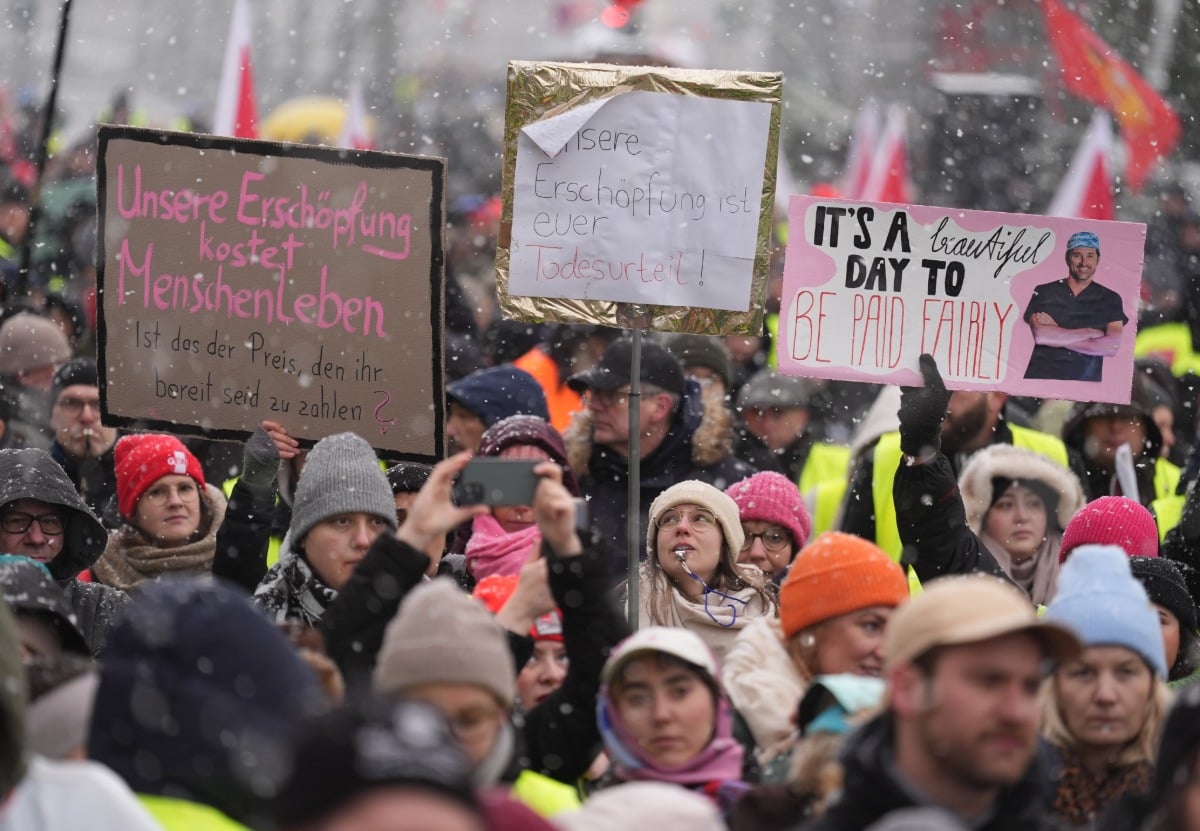
Spectacular Germany Braces For More Strikes In 2026 Design Nature
Find inspiration with this unique germany braces for more strikes in 2026 illustration, crafted to provide a fresh look for your background.
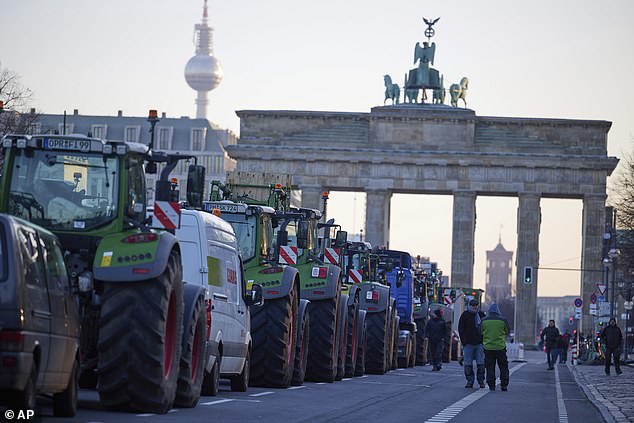
Gorgeous Germany Braces For More Strikes In 2026 Background Art
This gorgeous germany braces for more strikes in 2026 photo offers a breathtaking view, making it a perfect choice for your next wallpaper.

Breathtaking Germany Braces For More Strikes In 2026 Design Digital Art
Explore this high-quality germany braces for more strikes in 2026 image, perfect for enhancing your desktop or mobile wallpaper.

Spectacular Germany Braces For More Strikes In 2026 Wallpaper Illustration
Find inspiration with this unique germany braces for more strikes in 2026 illustration, crafted to provide a fresh look for your background.

Artistic Germany Braces For More Strikes In 2026 Artwork Art
This gorgeous germany braces for more strikes in 2026 photo offers a breathtaking view, making it a perfect choice for your next wallpaper.

Serene Germany Braces For More Strikes In 2026 Landscape Digital Art
Transform your screen with this vivid germany braces for more strikes in 2026 artwork, a true masterpiece of digital design.

Gorgeous Germany Braces For More Strikes In 2026 Capture in HD
Immerse yourself in the stunning details of this beautiful germany braces for more strikes in 2026 wallpaper, designed for a captivating visual experience.

Vibrant Germany Braces For More Strikes In 2026 Moment for Mobile
Discover an amazing germany braces for more strikes in 2026 background image, ideal for personalizing your devices with vibrant colors and intricate designs.

Spectacular Germany Braces For More Strikes In 2026 Moment in 4K
This gorgeous germany braces for more strikes in 2026 photo offers a breathtaking view, making it a perfect choice for your next wallpaper.
Download these germany braces for more strikes in 2026 wallpapers for free and use them on your desktop or mobile devices.