Winter Olympics 2026: What is the Difference Between Bobsleigh, Skeleton, and Luge?
Winter Olympics 2026: What is the Difference Between Bobsleigh, Skeleton, and Luge?
The Winter Olympics in Milan Cortina 2026 promises high-octane drama, especially when the sliding sports take center stage. For the casual viewer, the sight of athletes hurtling down an icy track at breakneck speeds can be both exhilarating and utterly confusing. They all look fast, they all wear helmets, and they all rely on gravity and courage. But are bobsleigh, skeleton, and luge truly interchangeable?
Absolutely not. While these three events—collectively known as the “sliding sports”—share the same refrigerated track, they are fundamentally different disciplines, requiring unique skills, equipment, and levels of nerve. Understanding these distinctions is key to appreciating the incredible athleticism on display.
I remember watching the 2018 games, trying to explain the difference to my younger cousin. After witnessing a skeleton run where the athlete’s face was mere inches from the ice, followed immediately by a luge doubles run, the only thing she registered was "they are insane." While that's true, the subtle differences in body position and sled design dictate everything about strategy, speed, and safety. Let's break down the mechanics before Milan Cortina rolls around.
The Rider’s View: Position, Sled, and Setup
The most immediate and critical difference between the three events is the orientation of the athlete on the sled. This factor dictates aerodynamics, steering methods, and, crucially, which sport appears the most terrifying.
Bobsleigh (The Aerodynamic Sled)
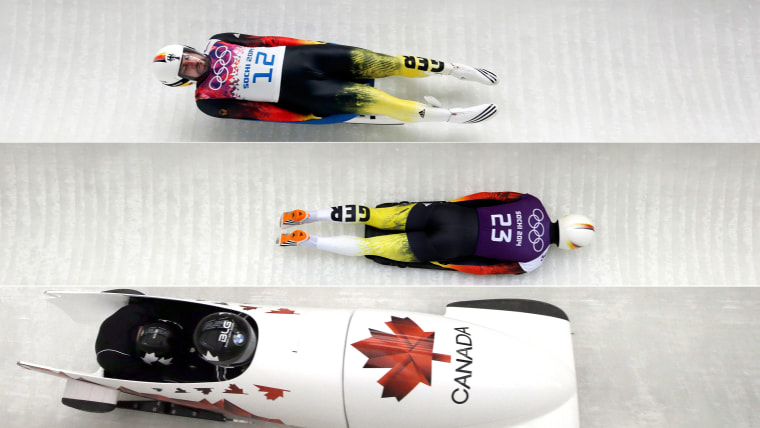
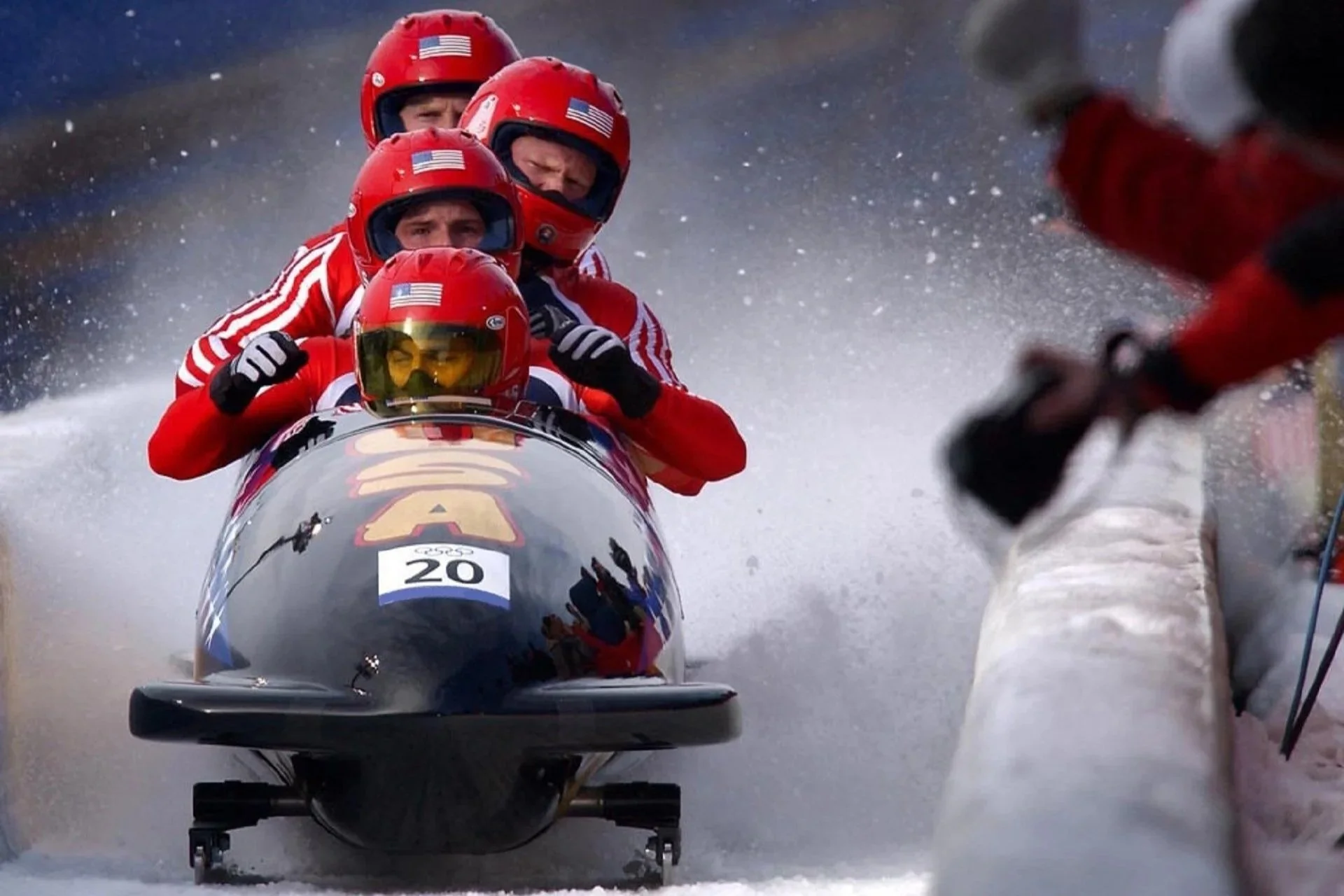

Bobsleigh, often seen as the flagship sliding sport, is characterized by its large, streamlined, and heavy fiberglass shell. It is the only event that involves multiple crew members, focusing on synchronization and explosive power during the starting push. The athletes ride inside the sled, protected by the aerodynamic canopy.
- Riding Position: Seated (feet first). The crew is tucked tightly inside the sled after the initial sprinting push.
- Steering: Controlled by the driver using ropes or pulleys attached to the front axles (similar to a steering wheel, but with far less margin for error).
- Crew Size: Bobsleigh features two-man, two-woman, and four-man events. The crew consists of a pilot (driver) and a brakeman (who stops the sled after the finish line), plus two pushers in the four-man event.
- Goal: Optimize the push start and maintain the fastest, most efficient line through the high-G-force corners.
Luge (The Speed Demon, Feet First)
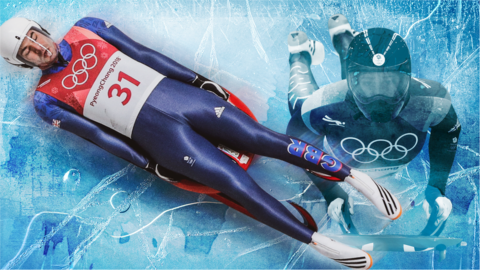
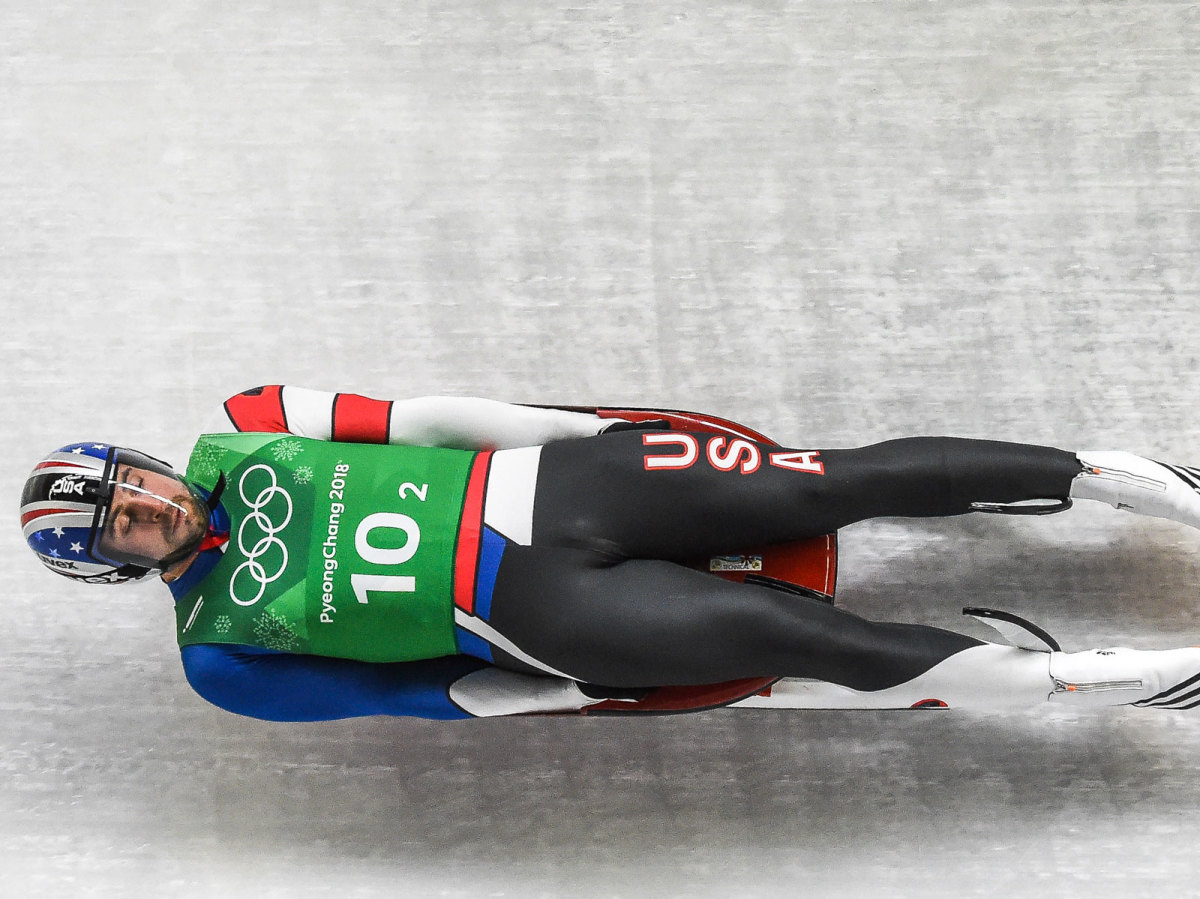
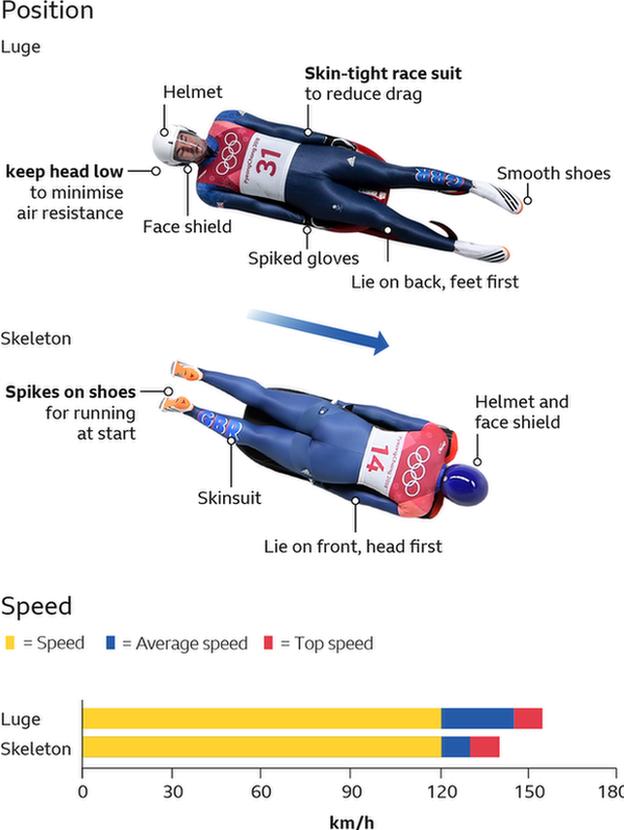
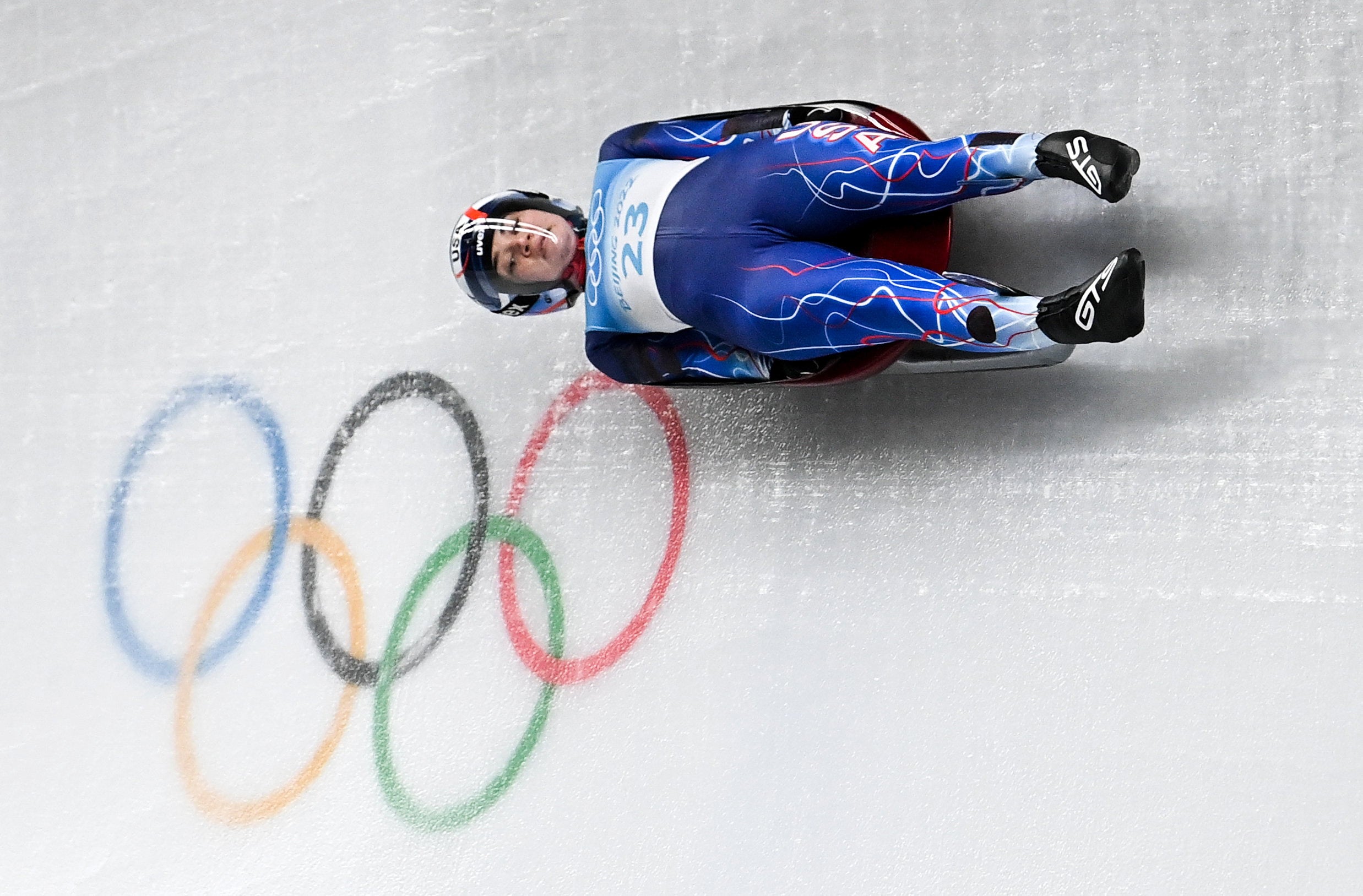
Luge (the French word for "sled") is widely regarded as the fastest Olympic sliding sport, often reaching speeds exceeding 90 mph (145 km/h). Luge athletes ride a highly specialized, minimalist sled made of fiberglass and steel runners. They have virtually no protection other than their helmet and suit.
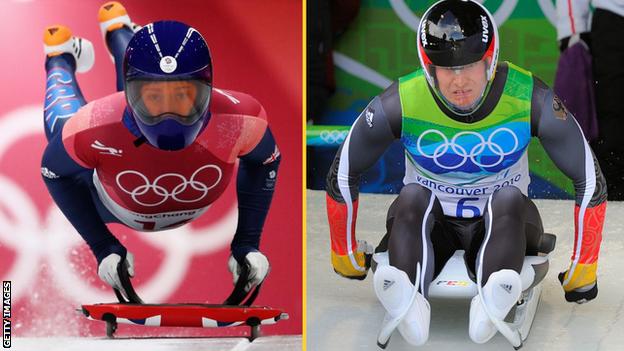
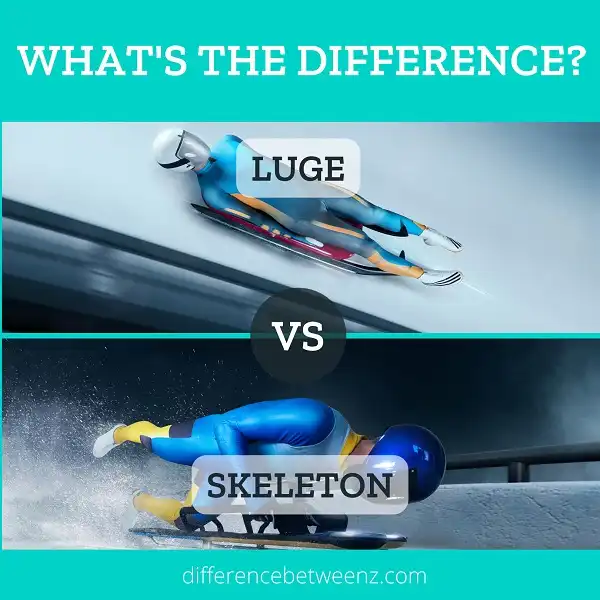
- Riding Position: Supine (on their back, feet first). The athlete lies flat, ensuring the lowest possible profile to reduce wind resistance.
- Steering: Incredibly delicate and relies on subtle movements. Athletes steer by flexing their calves (pushing on the sled’s runners) and shifting their body weight, primarily using their shoulders.
- Crew Size: Luge involves singles (men’s and women’s), doubles (any combination), and a team relay event.
- Danger Factor: Because they ride supine, they cannot see much of the track ahead, making precise body control essential. They must navigate based on memory, sound, and feel.
Skeleton (The Ultimate Rush, Head First)
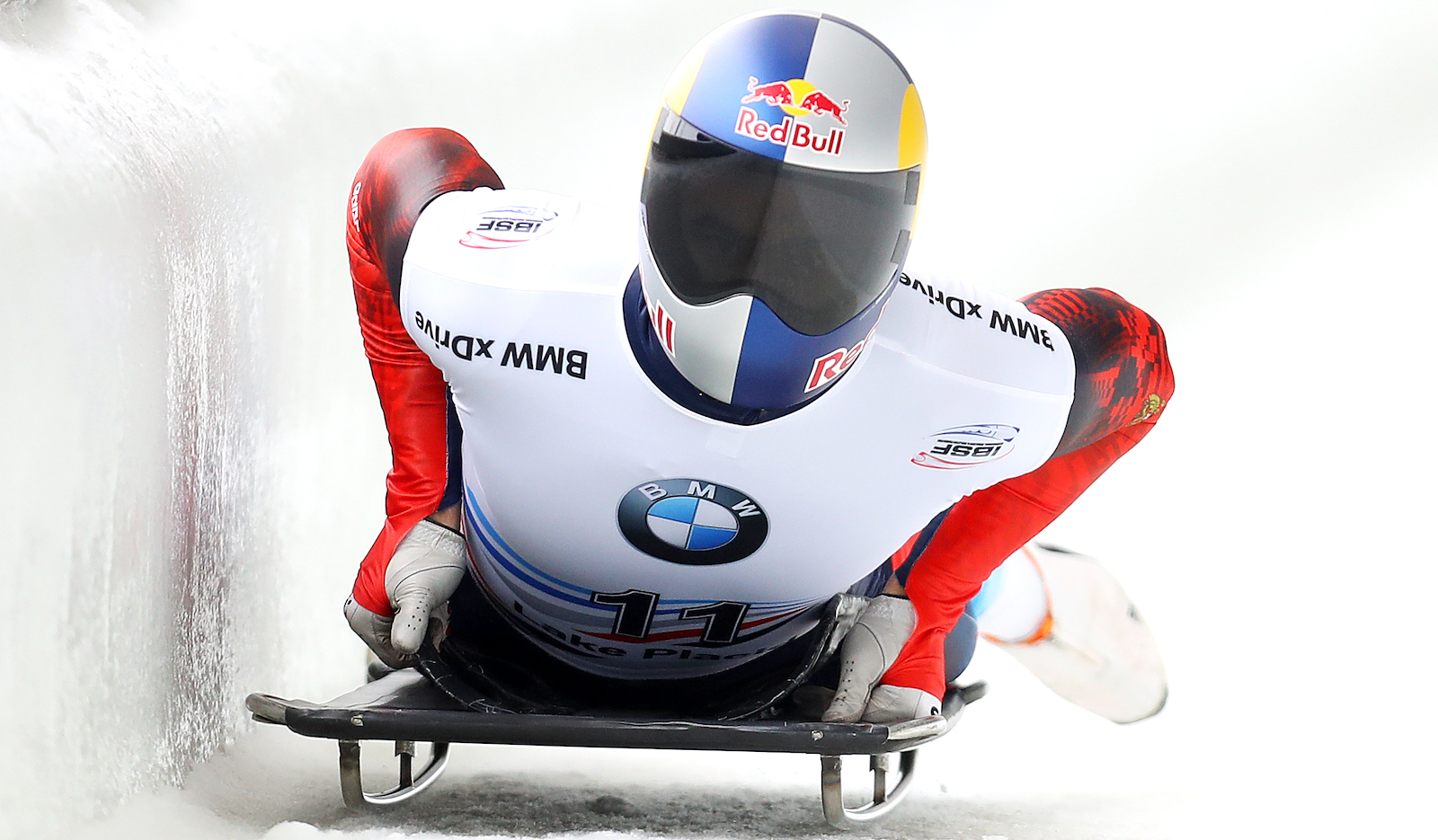
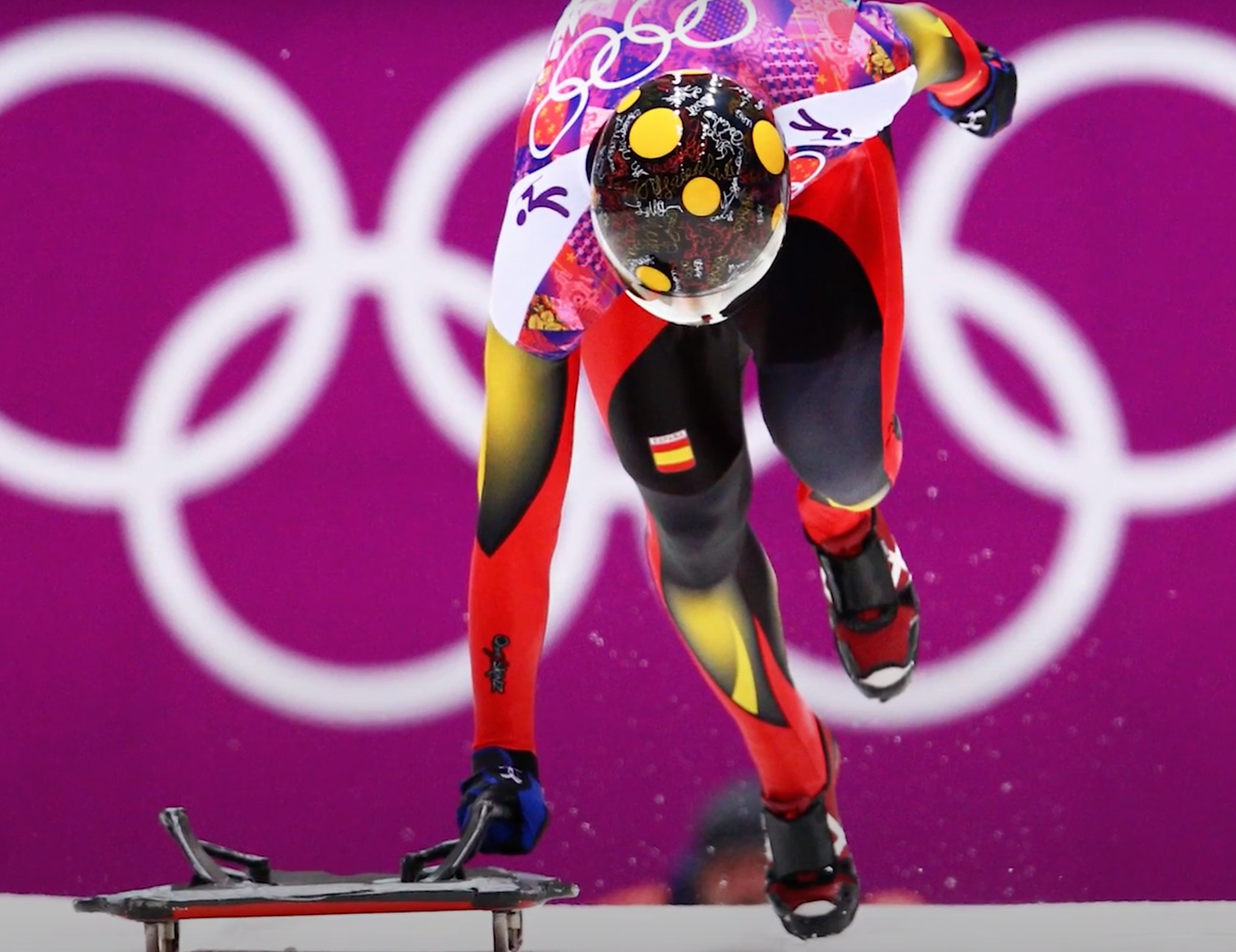
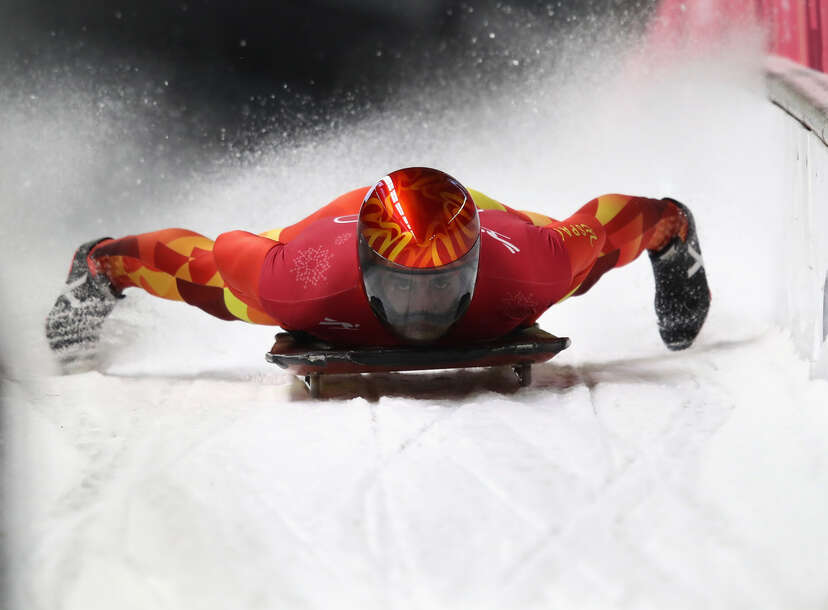
Skeleton is arguably the most visceral of the three sports, and certainly the one that most terrifies spectators. Unlike bobsleigh and luge, skeleton athletes ride head-first, prone (on their stomach), creating an intense visual of the athlete skimming the ice.
- Riding Position: Prone (on their stomach, head first). This position exposes the rider directly to the track surface.
- Steering: Controlled by micro-shifts in weight, primarily using the shoulders and knees to put pressure on the runners. Athletes also drag a toe spike on the ice for very minor course corrections, though this slows them down.
- Crew Size: Singles only (men’s and women’s events).
- Why the Name? The sport originated on simple metal sleds in the 19th century, which resembled a human skeleton, though modern sleds are highly refined machines.
Velocity and Precision: How Fast Do They Go?
While all sliding sports are incredibly fast, the design and weight distribution of the sled directly impact top speed and overall G-forces experienced by the athletes. The differences in speed are subtle, but critical for breaking Olympic records.
Luge holds the record for the highest sustained velocity. Because the athlete is lying supine and the fiberglass sled is designed for optimal aerodynamics and minimal friction, luge speeds often peak around 95 mph. Steering movements are minimal, keeping the flow clean and fast.
Bobsleigh comes in a close second. While the sled is heavier, the tightly tucked crew creates a highly efficient missile. Top speeds often hover between 85 and 90 mph. However, the cornering maneuvers in bobsleigh are often more violent, subjecting the crew to higher sustained G-forces (sometimes up to 5G) than the solo sports.
Skeleton, despite the terrifying view of the athlete’s face inches from the ice, is generally the slowest. The prone position, while creating a thrill, is less aerodynamically efficient than the luge or bobsleigh shell. Speeds usually top out around 80-85 mph. This difference means that the skeleton athlete’s start—the initial sprinting push—is disproportionately important to their final time.
The Critical Starting Push
In bobsleigh and skeleton, the initial sprint is paramount. Athletes wear spiked shoes and literally run alongside their heavy sleds, trying to build as much momentum as possible before jumping aboard. This starting time is often the difference between a medal and fourth place.
In luge, however, the start is different. Since the athlete begins lying down, they use spiked gloves to paddle along the ice and then pump special handles built into the track to gain that initial burst of speed before tucking into the supine position.
Strategy and Squad Size: Teamwork vs. Solo Grit
The strategy employed by competitors varies significantly based on whether they are flying solo or relying on a perfectly synchronized team.
Luge and Skeleton demand a unique type of solitary mastery. In these events, the athlete’s physical conditioning, track memory, and ability to make micro-adjustments are the sole determinants of success. It is a purist's sport—man or woman against the track.
Bobsleigh, conversely, is a highly complex team effort. The driver’s ability to navigate the track is crucial, but equally important is the push crew's explosive power at the start. The strategic placement of weight within the sled (often right before the race) is also regulated, adding another layer of complexity. If the four-man push is poorly synchronized, the race is often lost before the first corner.
Quick Comparison Chart: The Essentials
- Bobsleigh: Team event (2 or 4 people). Seated (feet first). Steers via ropes/pulleys. Protected shell.
- Luge: Solo or Doubles. Supine (feet first). Steers via calf and shoulder pressure. Minimal sled. Fastest speed.
- Skeleton: Solo event. Prone (head first). Steers via shoulder and knee pressure. Moderate speed.
As we look forward to the 2026 Winter Olympics in Milan Cortina, keep these distinctions in mind. Whether you are watching a four-man bobsleigh team surge past at 80 mph, or witnessing a luge athlete glide by, the difference isn’t just speed—it’s the terrifying commitment each athlete makes to conquer the ice on their own specialized terms. The next time you watch, you'll see more than just sleds; you'll see three entirely separate battles against gravity, friction, and G-forces.
Get ready for the rush.
Winter Olympics 2026: What is the difference between bobsleigh, skeleton and luge?
Winter Olympics 2026: What is the difference between bobsleigh, skeleton and luge? Wallpapers
Collection of winter olympics 2026: what is the difference between bobsleigh, skeleton and luge? wallpapers for your desktop and mobile devices.
Captivating Winter Olympics 2026: What Is The Difference Between Bobsleigh, Skeleton And Luge? Image Art
This gorgeous winter olympics 2026: what is the difference between bobsleigh, skeleton and luge? photo offers a breathtaking view, making it a perfect choice for your next wallpaper.
Dynamic Winter Olympics 2026: What Is The Difference Between Bobsleigh, Skeleton And Luge? Photo Digital Art
This gorgeous winter olympics 2026: what is the difference between bobsleigh, skeleton and luge? photo offers a breathtaking view, making it a perfect choice for your next wallpaper.

Vivid Winter Olympics 2026: What Is The Difference Between Bobsleigh, Skeleton And Luge? Photo Photography
Explore this high-quality winter olympics 2026: what is the difference between bobsleigh, skeleton and luge? image, perfect for enhancing your desktop or mobile wallpaper.

High-Quality Winter Olympics 2026: What Is The Difference Between Bobsleigh, Skeleton And Luge? View in 4K
Experience the crisp clarity of this stunning winter olympics 2026: what is the difference between bobsleigh, skeleton and luge? image, available in high resolution for all your screens.
Detailed Winter Olympics 2026: What Is The Difference Between Bobsleigh, Skeleton And Luge? Picture for Mobile
Discover an amazing winter olympics 2026: what is the difference between bobsleigh, skeleton and luge? background image, ideal for personalizing your devices with vibrant colors and intricate designs.
High-Quality Winter Olympics 2026: What Is The Difference Between Bobsleigh, Skeleton And Luge? View in HD
Experience the crisp clarity of this stunning winter olympics 2026: what is the difference between bobsleigh, skeleton and luge? image, available in high resolution for all your screens.
Vibrant Winter Olympics 2026: What Is The Difference Between Bobsleigh, Skeleton And Luge? Landscape Art
Transform your screen with this vivid winter olympics 2026: what is the difference between bobsleigh, skeleton and luge? artwork, a true masterpiece of digital design.

Lush Winter Olympics 2026: What Is The Difference Between Bobsleigh, Skeleton And Luge? Capture Art
Immerse yourself in the stunning details of this beautiful winter olympics 2026: what is the difference between bobsleigh, skeleton and luge? wallpaper, designed for a captivating visual experience.
Amazing Winter Olympics 2026: What Is The Difference Between Bobsleigh, Skeleton And Luge? Landscape in HD
Discover an amazing winter olympics 2026: what is the difference between bobsleigh, skeleton and luge? background image, ideal for personalizing your devices with vibrant colors and intricate designs.
Beautiful Winter Olympics 2026: What Is The Difference Between Bobsleigh, Skeleton And Luge? Artwork Concept
Transform your screen with this vivid winter olympics 2026: what is the difference between bobsleigh, skeleton and luge? artwork, a true masterpiece of digital design.
Spectacular Winter Olympics 2026: What Is The Difference Between Bobsleigh, Skeleton And Luge? Scene Photography
Find inspiration with this unique winter olympics 2026: what is the difference between bobsleigh, skeleton and luge? illustration, crafted to provide a fresh look for your background.
Vivid Winter Olympics 2026: What Is The Difference Between Bobsleigh, Skeleton And Luge? Moment Photography
Explore this high-quality winter olympics 2026: what is the difference between bobsleigh, skeleton and luge? image, perfect for enhancing your desktop or mobile wallpaper.

Stunning Winter Olympics 2026: What Is The Difference Between Bobsleigh, Skeleton And Luge? Image Photography
Immerse yourself in the stunning details of this beautiful winter olympics 2026: what is the difference between bobsleigh, skeleton and luge? wallpaper, designed for a captivating visual experience.
Dynamic Winter Olympics 2026: What Is The Difference Between Bobsleigh, Skeleton And Luge? Capture Digital Art
This gorgeous winter olympics 2026: what is the difference between bobsleigh, skeleton and luge? photo offers a breathtaking view, making it a perfect choice for your next wallpaper.
/origin-imgresizer.tntsports.io/2022/02/11/3312464-67729548-2560-1440.jpg "High-Quality Winter Olympics 2026: What Is The Difference Between Bobsleigh, Skeleton And Luge? Moment in 4K")
High-Quality Winter Olympics 2026: What Is The Difference Between Bobsleigh, Skeleton And Luge? Moment in 4K
Discover an amazing winter olympics 2026: what is the difference between bobsleigh, skeleton and luge? background image, ideal for personalizing your devices with vibrant colors and intricate designs.
Beautiful Winter Olympics 2026: What Is The Difference Between Bobsleigh, Skeleton And Luge? Picture Art
Experience the crisp clarity of this stunning winter olympics 2026: what is the difference between bobsleigh, skeleton and luge? image, available in high resolution for all your screens.

Vibrant Winter Olympics 2026: What Is The Difference Between Bobsleigh, Skeleton And Luge? View Illustration
Discover an amazing winter olympics 2026: what is the difference between bobsleigh, skeleton and luge? background image, ideal for personalizing your devices with vibrant colors and intricate designs.
/origin-imgresizer.tntsports.io/2022/02/05/3304257-67565408-2560-1440.jpg "Serene Winter Olympics 2026: What Is The Difference Between Bobsleigh, Skeleton And Luge? Capture Collection")
Serene Winter Olympics 2026: What Is The Difference Between Bobsleigh, Skeleton And Luge? Capture Collection
Experience the crisp clarity of this stunning winter olympics 2026: what is the difference between bobsleigh, skeleton and luge? image, available in high resolution for all your screens.

Lush Winter Olympics 2026: What Is The Difference Between Bobsleigh, Skeleton And Luge? Abstract in HD
Find inspiration with this unique winter olympics 2026: what is the difference between bobsleigh, skeleton and luge? illustration, crafted to provide a fresh look for your background.
Serene Winter Olympics 2026: What Is The Difference Between Bobsleigh, Skeleton And Luge? Background Nature
Experience the crisp clarity of this stunning winter olympics 2026: what is the difference between bobsleigh, skeleton and luge? image, available in high resolution for all your screens.
Download these winter olympics 2026: what is the difference between bobsleigh, skeleton and luge? wallpapers for free and use them on your desktop or mobile devices.