Afghanistan says two children killed as fighting with Pakistan continues
Afghanistan says two children killed as fighting with Pakistan continues
The geopolitical landscape of South Asia is currently witnessing a volatile escalation as Afghanistan reports the tragic deaths of two children amidst ongoing cross-border skirmishes with Pakistan. This latest flare-up, occurring primarily along the shared frontier and extending into airstrikes within urban centers like Kabul, underscores a deteriorating security situation that has transitioned into what some officials describe as an open state of war. As both nations trade accusations of sovereignty violations and harboring militant proxies, the humanitarian toll is mounting, with civilian infrastructure and vulnerable populations increasingly caught in the crossfire of this intense military confrontation.
According to reports from Taliban authorities, the death of two children in recent artillery and mortar fire from the Pakistani side highlights the severe risks faced by non-combatants in the border regions. The conflict, which surged in late February 2026, has seen a cycle of retaliatory strikes involving drones, airstrikes, and ground-based exchanges. While Pakistan maintains that its operations are precision-based intelligence missions targeting terrorist hideouts such as the Tehrik-e-Taliban Pakistan (TTP), Afghan officials contend that civilian homes and public facilities are being systematically hit, leading to hundreds of casualties and significant internal displacement.
The Escalation of Cross-Border Clashes
The current hostilities represent the most significant military engagement between Afghanistan and Pakistan in recent memory. What began as localized border skirmishes has rapidly evolved into a broader conflict. The friction points are numerous, primarily centered around the Durand Line, the disputed border that has long been a source of tension. In late February, the situation reached a breaking point when Afghanistan launched attacks into Pakistani territory, citing retaliation for earlier Pakistani airstrikes that Kabul claimed killed only civilians.
The breakdown of a previously brokered ceasefire, mediated by Qatar in late 2025, has left a diplomatic vacuum. Without a functional communication channel to de-escalate, both militaries have moved heavy equipment and personnel to the front lines. The use of long-range artillery and unmanned aerial vehicles (UAVs) has expanded the theater of war, moving the violence away from remote outposts and into populated villages and provincial capitals.
Tragic Civilian Toll: Children and Families in the Crossfire
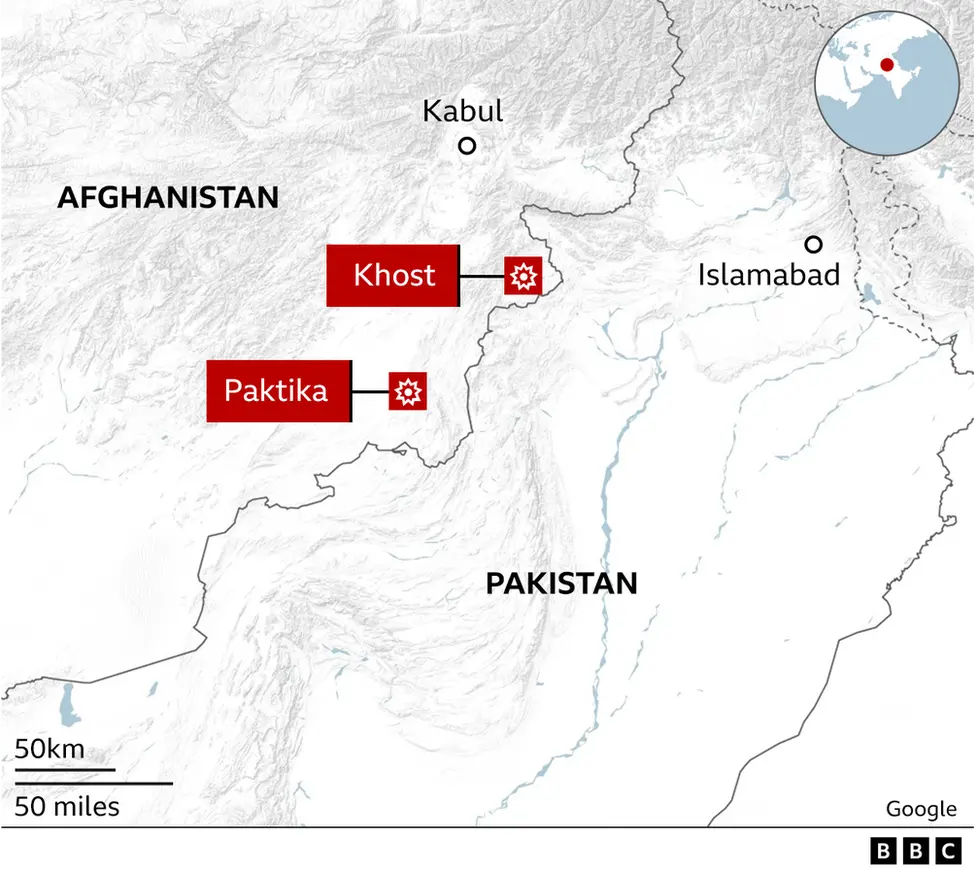
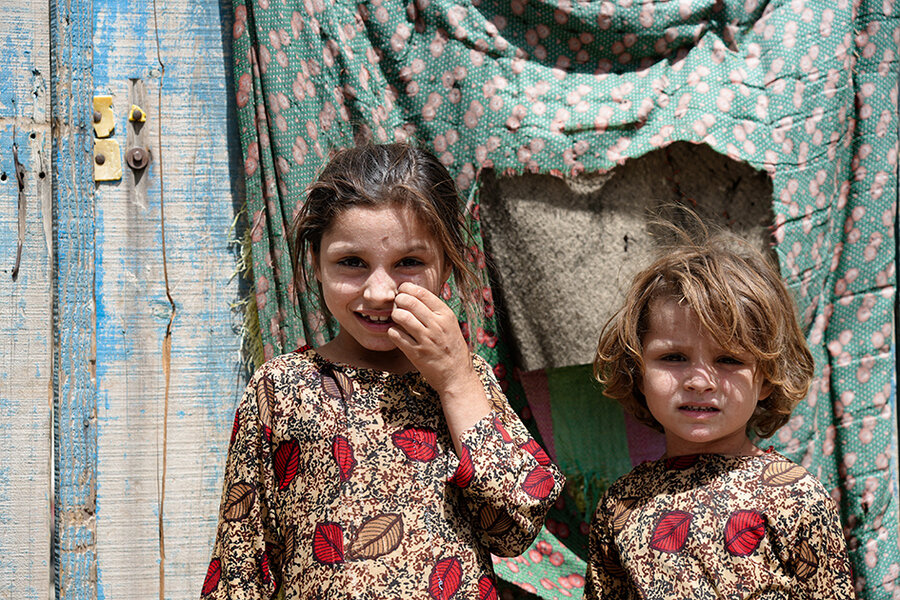
The human cost of this "open war" is becoming increasingly visible. Afghan deputy government spokesman Hamdullah Fitrat recently highlighted specific incidents where Pakistani shells struck civilian areas in Khost and Nangarhar provinces. In one particularly harrowing report from the village of Sadqo, mortar fire claimed the lives of four members of a single family, including two young children. Such incidents are not isolated; the UN Assistance Mission in Afghanistan (UNAMA) has been monitoring the situation, noting a sharp rise in civilian casualties since the hostilities began.
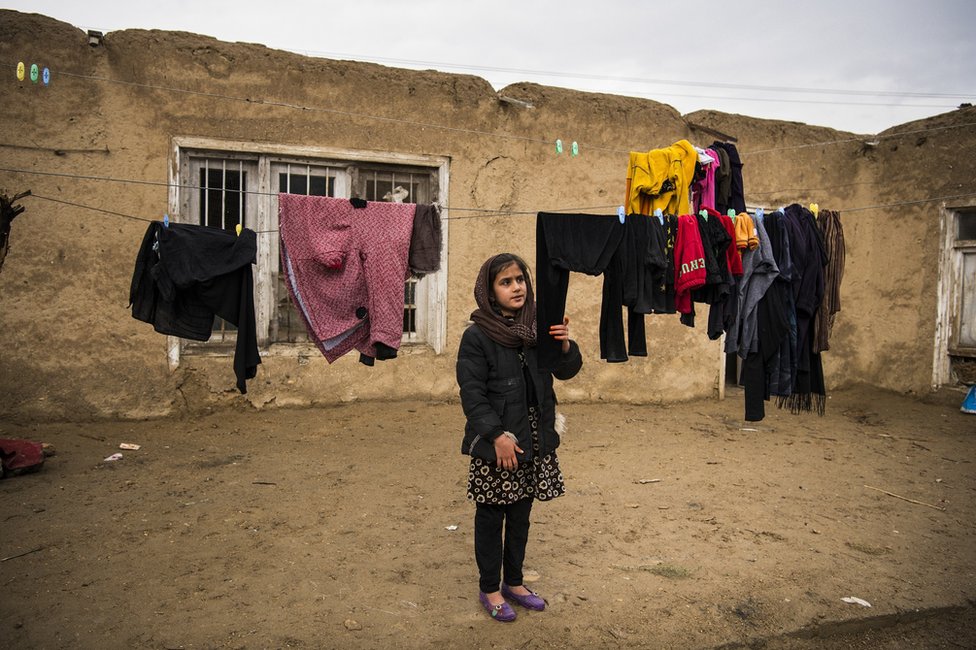
Beyond the immediate fatalities, the psychological and social impact on border communities is profound. Families who have lived along the frontier for generations are now fleeing their homes, seeking refuge in internal displacement camps. The UNHCR has estimated that over 115,000 people have been forced to move due to the shelling and the fear of impending airstrikes. This displacement creates a secondary humanitarian crisis as resources for food, shelter, and medical care in the host regions are stretched to their limits.
Pakistan's Stance: Targeting Militant Infrastructure
From the perspective of Islamabad, the military actions are a necessary response to a persistent and growing threat. Pakistan has long accused the Taliban-led government in Kabul of providing safe haven to the TTP and other militant groups that carry out frequent attacks inside Pakistan. The Pakistani Ministry of Information has been vocal about its "Operation Ghazab lil-Haq," describing it as a precision-focused campaign aimed at dismantling the logistical support networks and ammunition storage facilities used by these proxies.
Pakistani officials insist that their targeting is based on high-grade intelligence and is designed to minimize collateral damage. They argue that the Afghan government uses reports of civilian casualties as a propaganda tool to deflect international attention from its alleged failure to combat terrorism. For Pakistan, the "red line" was crossed when Afghan-based militants launched drone attacks and suicide bombings on Pakistani soil, necessitating a robust and sustained military response to secure its borders.
Kabul's Accusations: Sovereignty and Human Rights
The Taliban administration in Kabul has rejected Pakistan's claims of harboring terrorists, asserting that they do not allow Afghan soil to be used against any other country. Instead, they frame the Pakistani military's actions as an illegal invasion and a violation of international law. The recent strike on a drug rehabilitation hospital in Kabul, which Afghan officials claim killed up to 400 people, has become a focal point of this narrative. While Pakistan denies hitting the facility, the Afghan Ministry of Health has provided footage of the ruins, calling the act a "crime against humanity."
This war of narratives complicates any potential for a diplomatic resolution. Kabul views the airstrikes as a bullying tactic by a larger neighbor, while Islamabad views the Taliban's denials as evidence of a double game. The rhetoric from the Afghan Defense Ministry has become increasingly defiant, with warnings of a "measured and calculated response" to any further violations of their airspace or territory.
The Role of International Observers and the UN
The international community has watched the spiraling conflict with growing alarm. The United Nations Security Council recently passed a resolution calling for an immediate end to the violence and urging the Taliban to step up efforts to combat terrorism. While the resolution did not explicitly name Pakistan, the timing and context clearly addressed the cross-border tensions. The UNAMA mandate has also been extended to facilitate monitoring of human rights and civilian protection during this period of instability.
| Conflict Aspect | Recent Data / Status |
|---|---|
| Confirmed Civilian Deaths | Varying reports; hundreds claimed in Kabul hospital strike |
| Internal Displacement | Over 115,000 individuals forced to flee border areas |
| Primary Conflict Zones | Kabul, Kandahar, Nangarhar, Khost, and Bajaur |
| Diplomatic Status | Ceasefire collapsed; "Open War" declared by Pakistan |
Efforts by regional powers and international organizations to mediate have so far yielded little fruit. The mistrust between the two sides is deep-seated, fueled by decades of border disputes and proxy warfare. Humanitarian organizations like the International Organization for Migration (IOM) have also reported damage to their transit centers, further hindering the aid response for the thousands of people affected by the fighting.
Economic Consequences and Regional Stability
The economic impact of the conflict is being felt across both nations. The Torkham border crossing, a vital artery for trade between Central and South Asia, has seen repeated closures. This disruption affects the movement of essential goods, leading to price spikes and shortages in local markets. For Afghanistan, a country already grappling with a collapsed economy and widespread poverty, the cost of war is unsustainable. Pakistan, too, faces economic strain as it redirects resources toward a major military operation while dealing with internal security threats.
On a regional level, the fighting risks drawing in other actors. The instability in the border regions provides an opening for groups like the Islamic State (ISIL-K) to expand their influence. Furthermore, the tension between these two neighbors distracts from collective efforts to address broader regional challenges, such as water rights and energy transit projects. The longer the conflict persists, the higher the likelihood of a permanent rift that could reshape the security architecture of the region for years to come.
Military Capabilities and Tactics in Use
The shift in tactics observed in this conflict is noteworthy. Both sides have moved beyond traditional infantry skirmishes. Pakistan's use of its Air Force to strike deep within Afghan territory signals a high level of military confidence and a willingness to escalate. Conversely, the Afghan Taliban's use of drones to strike military targets in Pakistani garrison towns like Kohat shows a surprising degree of technological adaptation. This "drone war" adds a new layer of complexity, as traditional border defenses are less effective against aerial threats.
The deployment of heavy artillery in provinces like Paktika and Khost has turned the frontier into a conventional battleground. Reports of hundreds of soldiers killed on both sides, though often disputed by the opposing party, suggest a high intensity of combat. The capture and recapture of border outposts have become common, with each side claiming significant territorial gains and losses inflicted on the enemy.
Historical Context: The Long Shadow of the Durand Line
To understand the current crisis, one must look at the historical root: the Durand Line. Established in 1893, this 2,640-kilometer border has never been officially recognized by any Afghan government, including the current Taliban administration. It divides the ethnic Pashtun population, leading to a natural sympathy for cross-border movement and a resistance to state-enforced fencing and patrolling. This lack of a settled border provides the perfect breeding ground for the friction currently erupting into war.
Previous decades have seen similar cycles of tension, but the 2026 escalation is unique in its scale and the explicit nature of the military engagement. The transition from supporting proxies to direct state-on-state violence marks a dangerous new chapter. The shadow of history looms large, as past failures to resolve border issues and address the underlying causes of militancy continue to haunt the relationship between Kabul and Islamabad.
FAQ: Afghanistan-Pakistan Conflict 2026
1. What started the recent fighting between Afghanistan and Pakistan?
The current escalation began in late February 2026, following a series of cross-border attacks and airstrikes. Tensions have been building since the collapse of a ceasefire in late 2025, primarily over the issue of militant groups operating along the border.
2. Who are the main targets of the Pakistani airstrikes?
Pakistan states that its airstrikes are targeting hideouts and support infrastructure for the Tehrik-e-Taliban Pakistan (TTP) and other militant groups. However, Afghanistan claims that these strikes frequently hit civilian homes and public facilities, including hospitals.
3. How many civilians have been affected by the conflict?
While exact figures are disputed, thousands have been killed or injured. Afghan officials reported up to 400 deaths in a single hospital strike in Kabul. Additionally, over 115,000 people have been displaced from their homes in border provinces.
4. What is the Durand Line and why is it significant?
The Durand Line is the 1893 border between Afghanistan and Pakistan. Afghanistan does not officially recognize it, leading to constant disputes over territory, border fencing, and the movement of people and militants across the line.
5. Is there a ceasefire currently in place?
No, there is no active ceasefire. Previous agreements have collapsed, and Pakistani officials have recently described the situation as an "open war." International bodies are calling for a de-escalation, but no formal peace talks are underway.
Conclusion
The report that Afghanistan says two children killed as fighting with Pakistan continues is a somber reminder of the human fragility at the heart of state-level conflicts. The shift toward "open war" between these neighbors has created a humanitarian emergency that threatens regional stability and the lives of thousands of innocents. While the strategic goals of dismantling militant networks or defending national sovereignty are cited by leaders in Islamabad and Kabul, the reality on the ground is one of fire, displacement, and grief. Without urgent international intervention and a return to the negotiating table, the cycle of retaliation is likely to deepen, leaving a trail of destruction that will take generations to repair.
Afghanistan says two children killed as fighting with Pakistan continues
Afghanistan says two children killed as fighting with Pakistan continues Wallpapers
Collection of afghanistan says two children killed as fighting with pakistan continues wallpapers for your desktop and mobile devices.

Mesmerizing Afghanistan Says Two Children Killed As Fighting With Pakistan Continues Background Art
Discover an amazing afghanistan says two children killed as fighting with pakistan continues background image, ideal for personalizing your devices with vibrant colors and intricate designs.
Artistic Afghanistan Says Two Children Killed As Fighting With Pakistan Continues Artwork Nature
Immerse yourself in the stunning details of this beautiful afghanistan says two children killed as fighting with pakistan continues wallpaper, designed for a captivating visual experience.
Stunning Afghanistan Says Two Children Killed As Fighting With Pakistan Continues Capture for Your Screen
Immerse yourself in the stunning details of this beautiful afghanistan says two children killed as fighting with pakistan continues wallpaper, designed for a captivating visual experience.
Detailed Afghanistan Says Two Children Killed As Fighting With Pakistan Continues Abstract in 4K
Experience the crisp clarity of this stunning afghanistan says two children killed as fighting with pakistan continues image, available in high resolution for all your screens.
Vivid Afghanistan Says Two Children Killed As Fighting With Pakistan Continues Capture Collection
Transform your screen with this vivid afghanistan says two children killed as fighting with pakistan continues artwork, a true masterpiece of digital design.
High-Quality Afghanistan Says Two Children Killed As Fighting With Pakistan Continues Design Illustration
Explore this high-quality afghanistan says two children killed as fighting with pakistan continues image, perfect for enhancing your desktop or mobile wallpaper.

Breathtaking Afghanistan Says Two Children Killed As Fighting With Pakistan Continues Image Collection
Explore this high-quality afghanistan says two children killed as fighting with pakistan continues image, perfect for enhancing your desktop or mobile wallpaper.
Breathtaking Afghanistan Says Two Children Killed As Fighting With Pakistan Continues Image Photography
Transform your screen with this vivid afghanistan says two children killed as fighting with pakistan continues artwork, a true masterpiece of digital design.
Crisp Afghanistan Says Two Children Killed As Fighting With Pakistan Continues Moment for Mobile
Immerse yourself in the stunning details of this beautiful afghanistan says two children killed as fighting with pakistan continues wallpaper, designed for a captivating visual experience.
Detailed Afghanistan Says Two Children Killed As Fighting With Pakistan Continues Design Art
Discover an amazing afghanistan says two children killed as fighting with pakistan continues background image, ideal for personalizing your devices with vibrant colors and intricate designs.
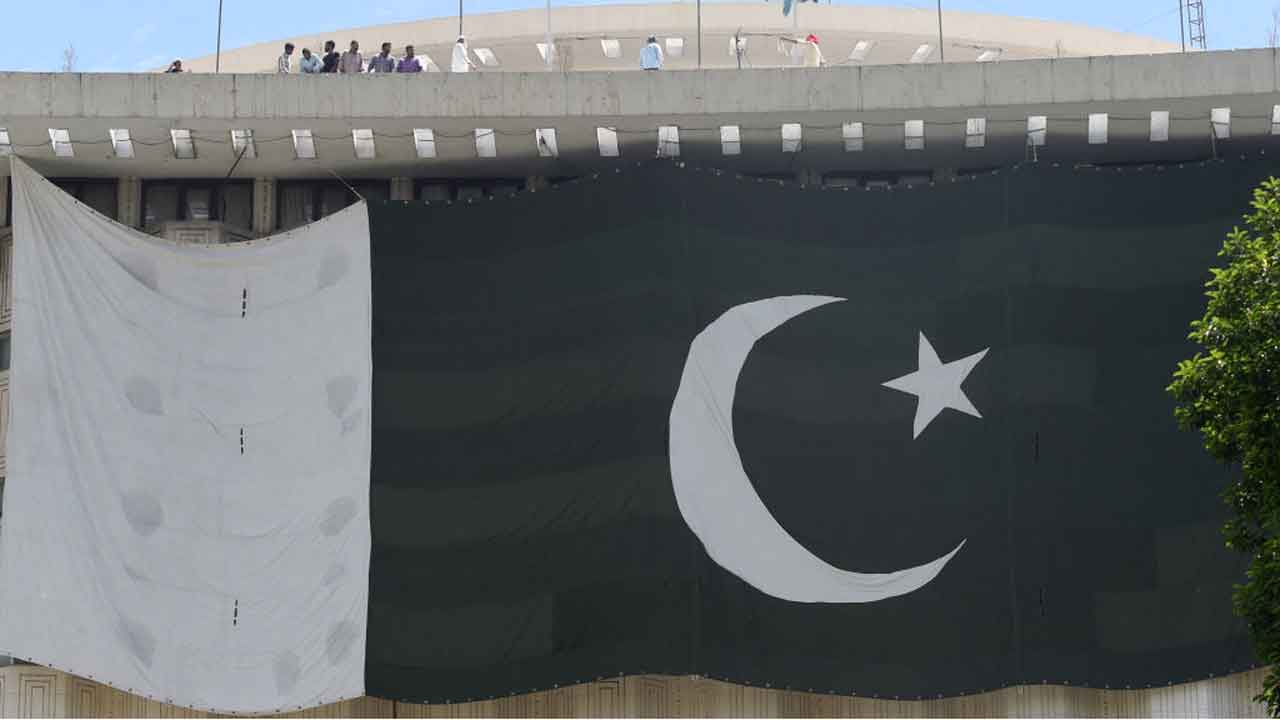
Gorgeous Afghanistan Says Two Children Killed As Fighting With Pakistan Continues Photo Collection
A captivating afghanistan says two children killed as fighting with pakistan continues scene that brings tranquility and beauty to any device.
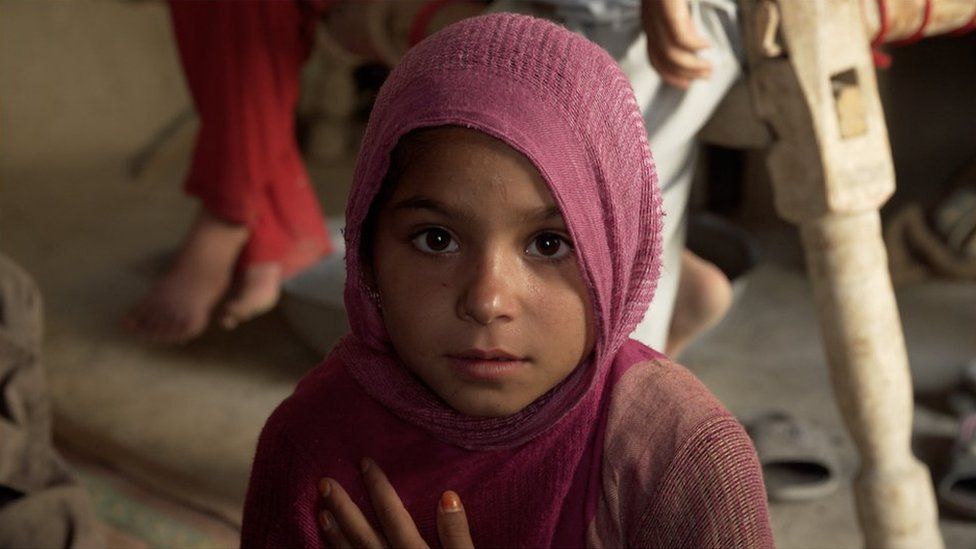
Vibrant Afghanistan Says Two Children Killed As Fighting With Pakistan Continues Photo Photography
Discover an amazing afghanistan says two children killed as fighting with pakistan continues background image, ideal for personalizing your devices with vibrant colors and intricate designs.
Mesmerizing Afghanistan Says Two Children Killed As Fighting With Pakistan Continues Moment Collection
Discover an amazing afghanistan says two children killed as fighting with pakistan continues background image, ideal for personalizing your devices with vibrant colors and intricate designs.

Artistic Afghanistan Says Two Children Killed As Fighting With Pakistan Continues Landscape for Mobile
Find inspiration with this unique afghanistan says two children killed as fighting with pakistan continues illustration, crafted to provide a fresh look for your background.

Spectacular Afghanistan Says Two Children Killed As Fighting With Pakistan Continues Capture in 4K
This gorgeous afghanistan says two children killed as fighting with pakistan continues photo offers a breathtaking view, making it a perfect choice for your next wallpaper.

Dynamic Afghanistan Says Two Children Killed As Fighting With Pakistan Continues Design for Mobile
Find inspiration with this unique afghanistan says two children killed as fighting with pakistan continues illustration, crafted to provide a fresh look for your background.

Amazing Afghanistan Says Two Children Killed As Fighting With Pakistan Continues Capture Art
Explore this high-quality afghanistan says two children killed as fighting with pakistan continues image, perfect for enhancing your desktop or mobile wallpaper.
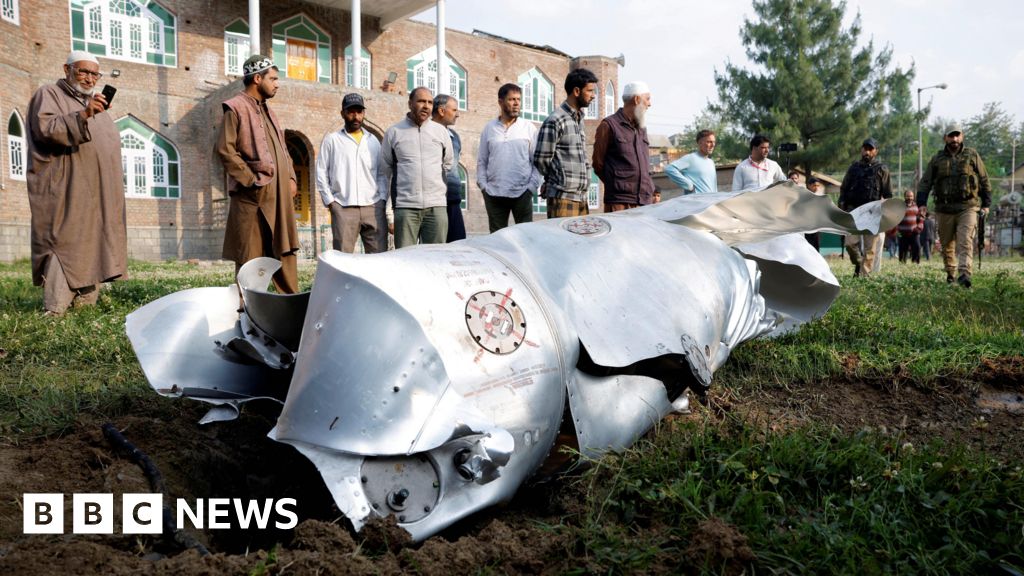
Stunning Afghanistan Says Two Children Killed As Fighting With Pakistan Continues Photo Collection
A captivating afghanistan says two children killed as fighting with pakistan continues scene that brings tranquility and beauty to any device.
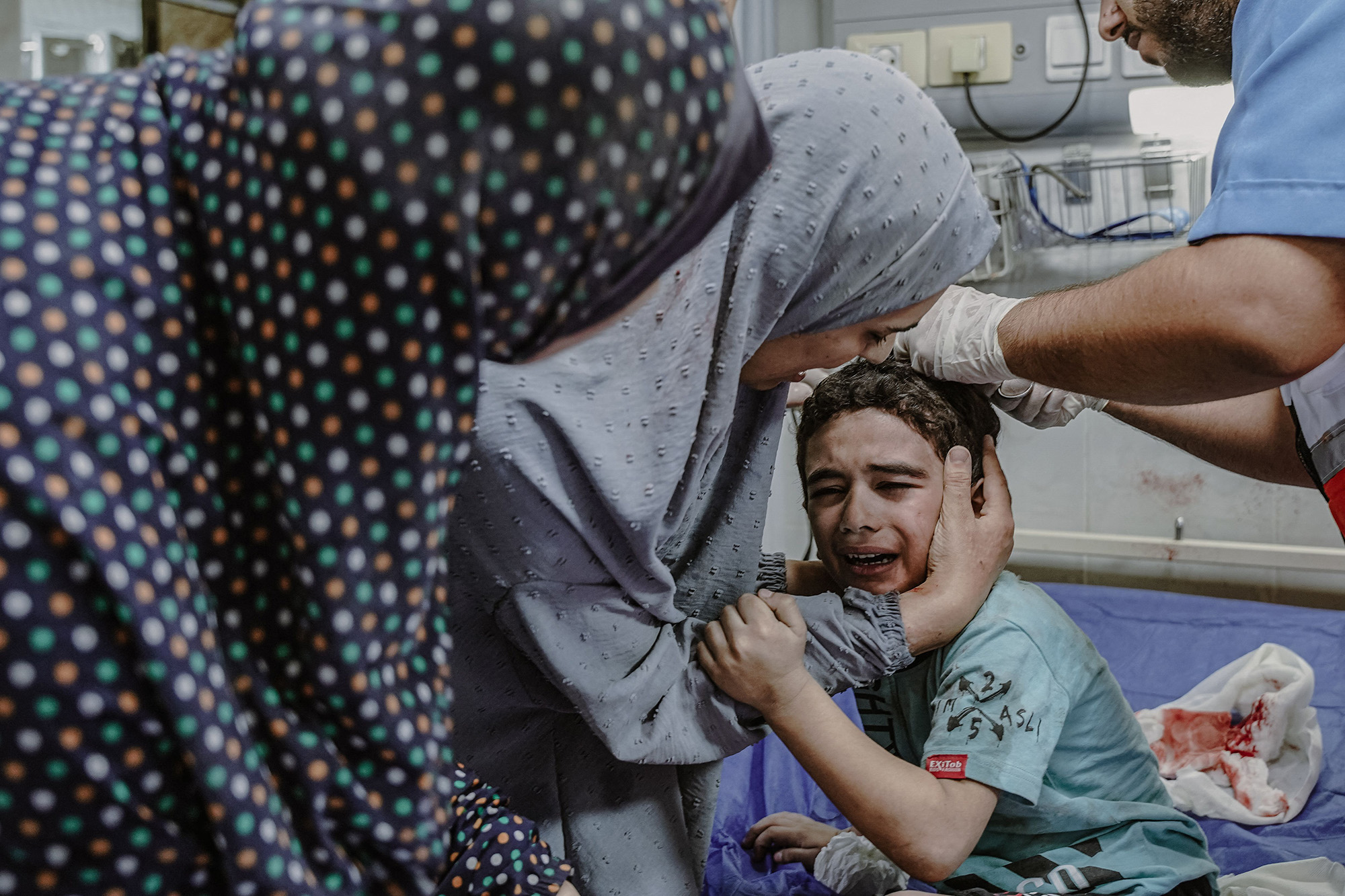
Breathtaking Afghanistan Says Two Children Killed As Fighting With Pakistan Continues Background Photography
Experience the crisp clarity of this stunning afghanistan says two children killed as fighting with pakistan continues image, available in high resolution for all your screens.

Captivating Afghanistan Says Two Children Killed As Fighting With Pakistan Continues Wallpaper in HD
This gorgeous afghanistan says two children killed as fighting with pakistan continues photo offers a breathtaking view, making it a perfect choice for your next wallpaper.
Download these afghanistan says two children killed as fighting with pakistan continues wallpapers for free and use them on your desktop or mobile devices.