Iran names Mojtaba Khamenei as new supreme leader
Iran names Mojtaba Khamenei as new supreme leader
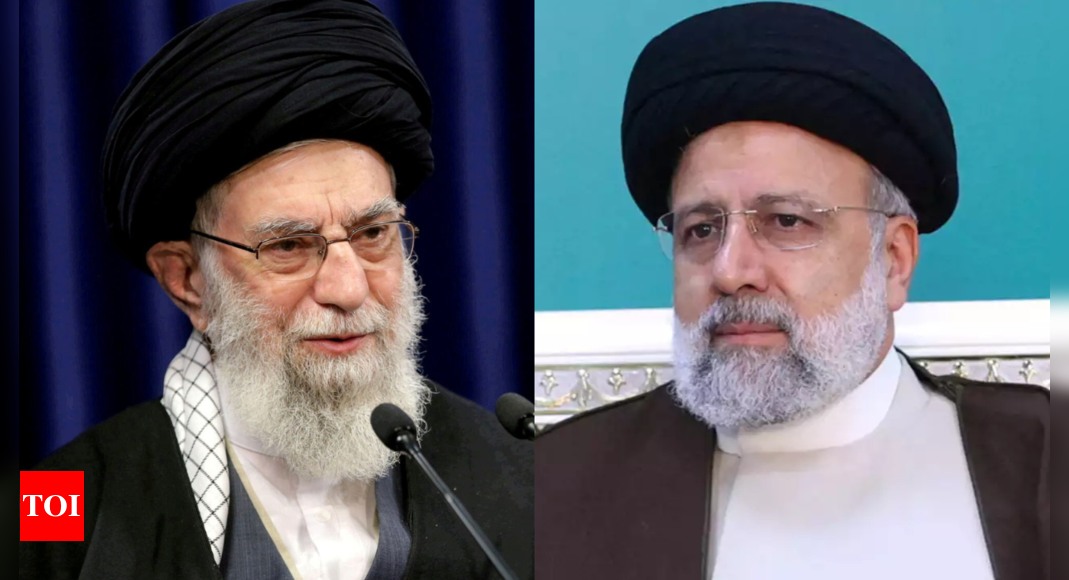
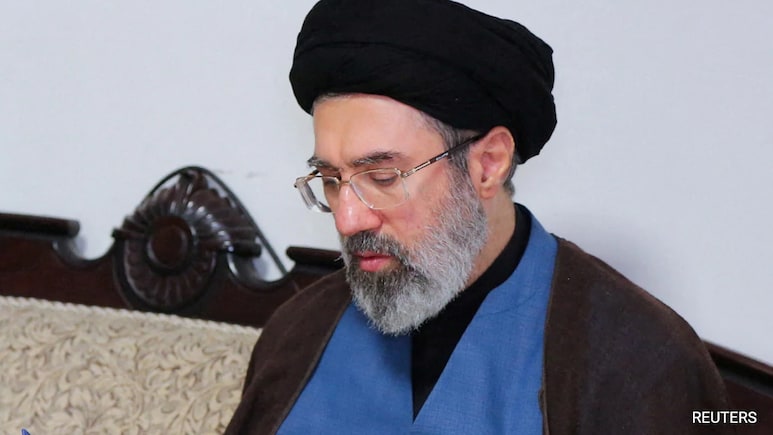
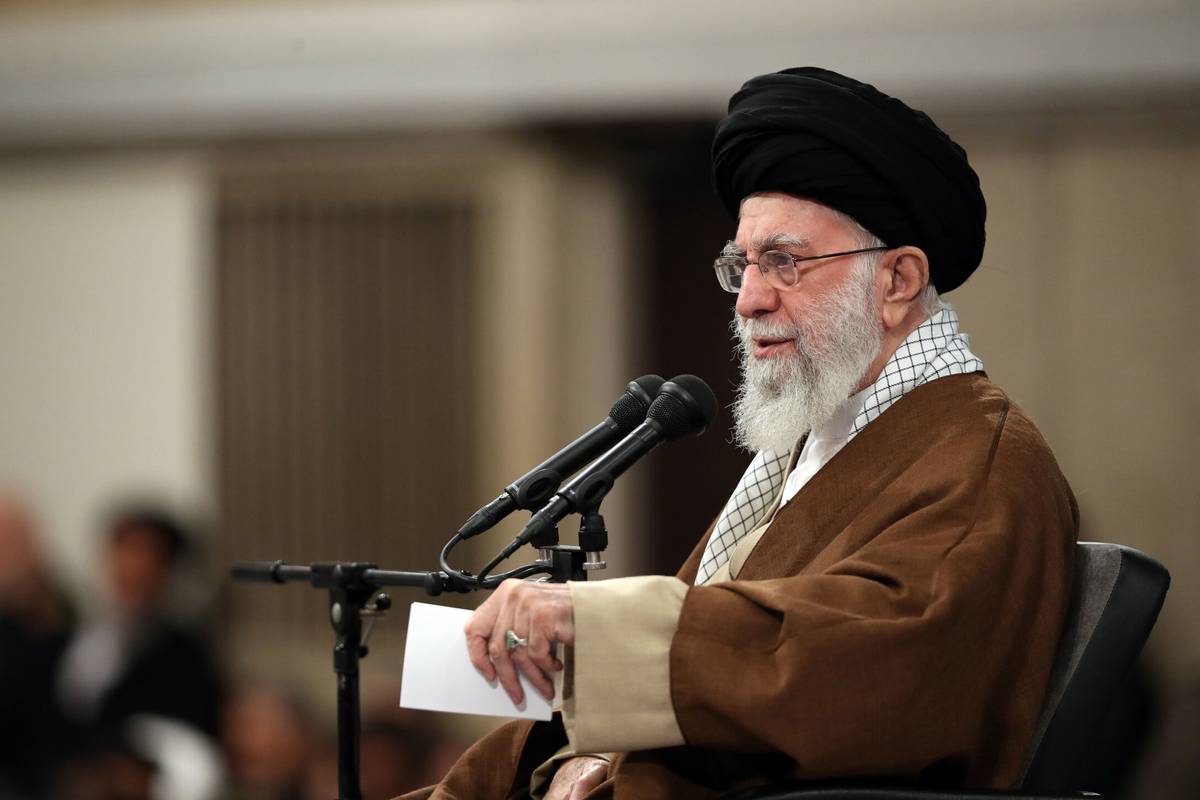
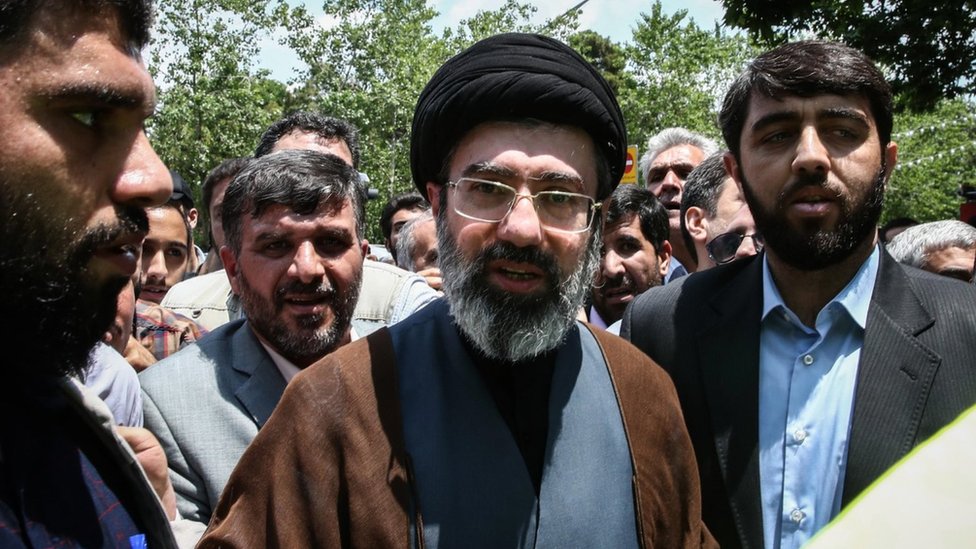
In a historic and highly controversial transition of power that has sent shockwaves through the Middle East and the international community, the Islamic Republic of Iran has officially appointed Mojtaba Khamenei as its third Supreme Leader. Following the death of his father, Ayatollah Ali Khamenei, in a joint U.S.-Israeli airstrike just nine days prior, the secretive and powerful 56-year-old cleric has ascended to the highest office in the land. This move, announced by state media early Monday morning, March 9, 2026, marks the first time since the 1979 Revolution that the country’s leadership has followed a hereditary line, effectively ending a long-standing ideological resistance to dynastic rule. As the nation remains embroiled in an active armed conflict, the selection of a known hardliner signifies a commitment to the "status quo" of resistance and security-first governance.
The new Supreme Leader of Iran is Mojtaba Khamenei, the second son of the late Ayatollah Ali Khamenei. He was officially selected by the 88-member Assembly of Experts on March 8, 2026, receiving a decisive vote after a series of high-pressure meetings conducted amidst ongoing military strikes. Mojtaba Khamenei, a mid-ranking cleric with deep ties to the Islamic Revolutionary Guard Corps (IRGC), succeeds his father as the ultimate authority in the Islamic Republic, assuming control over the military, the nuclear program, and all matters of state policy.
The Assembly of Experts and the Decisive Vote
The appointment of Mojtaba Khamenei did not come without internal friction. Reports from inside Tehran suggest that the Assembly of Experts, the clerical body tasked with selecting the Supreme Leader, faced significant pressure to expedite the process. With the country under constant threat of further airstrikes and its previous leader "martyred," the council leaders argued that a vacuum in leadership was a greater risk than a rushed election. Sources indicate that the Islamic Revolutionary Guard Corps (IRGC) played a pivotal role behind the scenes, ensuring that the assembly members felt the urgency of national security over the usual deliberative clerical procedures.
On March 3, an initial online session was held due to the security risks of an in-person gathering in Tehran. During this session, which some members described as "unnatural," the atmosphere was tense. Opponents of hereditary succession were reportedly given limited time to speak, and the IRGC was accused of applying "psychological and political pressure" to secure a consensus. Despite a second session being planned for March 5 to address procedural objections, the momentum for Mojtaba was irreversible. By the night of March 8, the official statement was read on state television, confirming that Ayatollah Seyyed Mojtaba Hosseini Khamenei had been appointed by a decisive vote.
Who is Mojtaba Khamenei? The Shadowy Figure Behind the Throne
For decades, Mojtaba Khamenei has been a figure of immense influence who rarely appeared in the public eye. Born in 1969 in the holy city of Mashhad, he grew up in the shadow of his father’s revolutionary activities against the Shah. As a young man, he served on the front lines of the Iran-Iraq War in the 1980s, an experience that forged his lifelong alliance with the military elite. It was during these years that he developed the networks within the Revolutionary Guard that would eventually facilitate his rise to power.
Unlike many political figures in the Islamic Republic, Mojtaba never held an elected office. Instead, he operated from within the "Beyt," his father’s official office, serving as a gatekeeper, confidant, and power broker. His influence grew substantially after the 2009 Green Revolution, where he was believed to be instrumental in coordinating the state’s forceful response to protesters. Despite his lack of high-ranking clerical credentials—holding the title of Hojatoleslam rather than the more senior Ayatollah—he has been teaching at the Qom seminary for several years, a move many analysts saw as a deliberate attempt to bolster his religious legitimacy for this very moment.
A Departure from Revolutionary Ideology: The Question of Dynasty
One of the most significant aspects of Mojtaba Khamenei’s ascension is what it represents for the ideology of the 1979 Islamic Revolution. The revolution was founded, in large part, on the rejection of the Pahlavi dynasty’s hereditary monarchy. For nearly fifty years, the principle of Velayat-e Faqih (Guardianship of the Jurist) was presented as a meritocratic system based on religious scholarship and revolutionary character. By passing the mantle of leadership from father to son, the Islamic Republic risks alienating even its most loyal supporters who see this as a return to the very "Sultanism" they once overthrew.
Critics, including exiled figures like Reza Pahlavi, have highlighted this irony, claiming the new leadership lacks legitimacy. Even within the clerical establishment in Qom, there are those who worry that a "Khamenei dynasty" undermines the religious foundations of the state. However, the Assembly of Experts has countered these claims by insisting that the selection was a "merit-based" decision, necessitated by the unique challenges of the ongoing war and Mojtaba’s intimate knowledge of the state’s security apparatus.
International Reactions and the Warning from Donald Trump
The international community has reacted with a mixture of concern and outright hostility. Perhaps the most vocal critic has been U.S. President Donald Trump, who labeled Mojtaba Khamenei an "unacceptable" choice long before the official announcement. In an interview with ABC News just hours before the news broke, Trump warned that any leader selected without American approval would "not last long." This hardline stance from Washington suggests that the U.S. may not recognize the legitimacy of the new leadership, further complicating any potential for diplomatic de-escalation.
Israel, meanwhile, has maintained a stance of targeted aggression. Following the announcement, Israeli officials reiterated their pledge to pursue any successor who continues the late Ayatollah’s policies of regional destabilization. Prime Minister Netanyahu has explicitly stated that the goal of the current military operations is to "enable change" within the regime. The appointment of a hardliner like Mojtaba, who is unlikely to compromise on Iran’s regional proxies or its nuclear ambitions, suggests that the conflict is far from over.
| Key Detail | Information |
|---|---|
| Name | Mojtaba Hosseini Khamenei |
| Date of Appointment | March 8, 2026 |
| Predecessor | Ayatollah Ali Khamenei |
| Age at Accession | 56 Years Old |
| Primary Support Base | IRGC and Security Establishment |
| U.S. Response | Labelled "Unacceptable" by President Trump |
The Role of the Islamic Revolutionary Guard Corps (IRGC)
The IRGC is perhaps the greatest winner in this leadership transition. As an institution that answers directly to the Supreme Leader, the Guard has always been the backbone of the regime’s survival. Mojtaba Khamenei’s close ties to the IRGC leadership, specifically those he served with during the Iran-Iraq War, ensure that the military and the theocracy are more intertwined than ever before. Immediately following the announcement, the IRGC issued a statement of "complete obedience and self-sacrifice," signaling to the world that there would be no internal coup or fracturing of the security services.
This alliance is crucial as Iran navigates its current war strategy. As the Commander-in-Chief, Mojtaba now has the final say over the use of Iran’s missile arsenal and its stockpile of highly enriched uranium. Analysts suggest that the IRGC’s push for Mojtaba was driven by a desire for "continuity of command." In a time of war, the Guards preferred a known entity who has spent twenty years at the center of the Beyt’s decision-making process over an outsider or a more traditional cleric who might be less inclined toward military solutions.
War Context: A Leadership Transition Under Fire
The timing of this appointment is unprecedented. While the first transition of power in 1989 occurred after the end of the Iran-Iraq War, Mojtaba takes the helm while the "Joint U.S.-Israeli strikes" continue to target Iranian infrastructure. The death of Ali Khamenei on February 28 served as the opening salvo of a conflict that has already seen oil prices surge above $100 a barrel and regional tensions reach a breaking point. The Assembly of Experts had to convene while airstrikes were still being reported in Tehran and Qom, highlighting the existential threat facing the regime.
The "emergency" nature of the selection has been used by regime supporters to justify the skip in traditional protocols. Figures like Ali Larijani have praised the assembly for "courageously" meeting despite the physical dangers. This narrative of a "war-time leader" is being used to build a cult of personality around Mojtaba, portraying him as the only figure capable of "guiding the ship of the revolution" through the storm of foreign aggression. However, the physical toll of the war, including the death of Mojtaba’s own wife, Zahra Haddad Adel, in the same strike that killed his father, adds a deeply personal and potentially vengeful layer to his new role.
The Domestic Impact: Dissent and Celebration
Domestically, the reaction to Mojtaba’s appointment has been polarized. State television has broadcast scenes of choreographed celebrations in parts of Tehran, with loyalists carrying portraits of the new leader and his martyred father. For the regime's core supporters, Mojtaba represents the survival of the Islamic system against "the Great Satan" and the "Zionist regime." To them, his appointment is a victory for the revolution and a message of defiance to the West.
Conversely, beneath the surface of state-controlled media, a different story emerges. Reports of private celebrations over the elder Khamenei's death and a sense of "dread" regarding Mojtaba's hardline reputation are common among the urban middle class and the youth. The brutal crackdown on protests in previous years, which many attribute to Mojtaba's influence, has left a legacy of bitterness. The transition to a hereditary system may provide the regime with short-term stability, but it risks fueling the long-term fires of domestic dissent among those who feel the original promises of the revolution have been betrayed.
What This Means for Regional Stability
For the broader Middle East, the rise of Mojtaba Khamenei likely means a continuation of Iran's assertive foreign policy. Iran's regional proxies, including Hezbollah in Lebanon and the Houthi rebels in Yemen, were among the first to congratulate the new leader. The Houthis described his selection as a "resounding blow to the enemies of the nation," suggesting that the "Axis of Resistance" will remain fully funded and operational under the new leadership.
The central question remains whether Mojtaba will be a pragmatic leader or a true believer in the ideological struggle. Given his history and his reliance on the IRGC, most analysts lean toward the latter. With Iran's nuclear facilities still a primary target for the U.S. and Israel, and the new leader possessing the authority to decree the construction of a nuclear weapon, the stakes have never been higher. The transition from father to son may have secured the regime's immediate future, but it has arguably made the path to a peaceful resolution in the Middle East much narrower.
Who is the new Supreme Leader of Iran?
How was Mojtaba Khamenei selected?
What is the international reaction to his appointment?
Does Mojtaba Khamenei have a military background?
Why is his appointment considered controversial in Iran?
Conclusion
The appointment of Mojtaba Khamenei as the new Supreme Leader represents a pivotal and perilous moment for the Islamic Republic of Iran. By choosing the path of hereditary succession, the regime has signaled that its primary goal is the preservation of power and continuity of its hardline ideological stance, even at the cost of its original revolutionary principles. While Mojtaba’s deep connections to the security services provide him with a strong internal foundation, his lack of external legitimacy and the explicit opposition of the United States set the stage for a period of intensified conflict. As the smoke clears from the latest round of airstrikes, the world watches to see how this secretive "master" of the Beyt will handle the ultimate authority over a nation at war. The era of the second Khamenei has begun, and with it, a new and uncertain chapter in Middle Eastern history.
Iran names Mojtaba Khamenei as new supreme leader
Iran names Mojtaba Khamenei as new supreme leader Wallpapers
Collection of iran names mojtaba khamenei as new supreme leader wallpapers for your desktop and mobile devices.
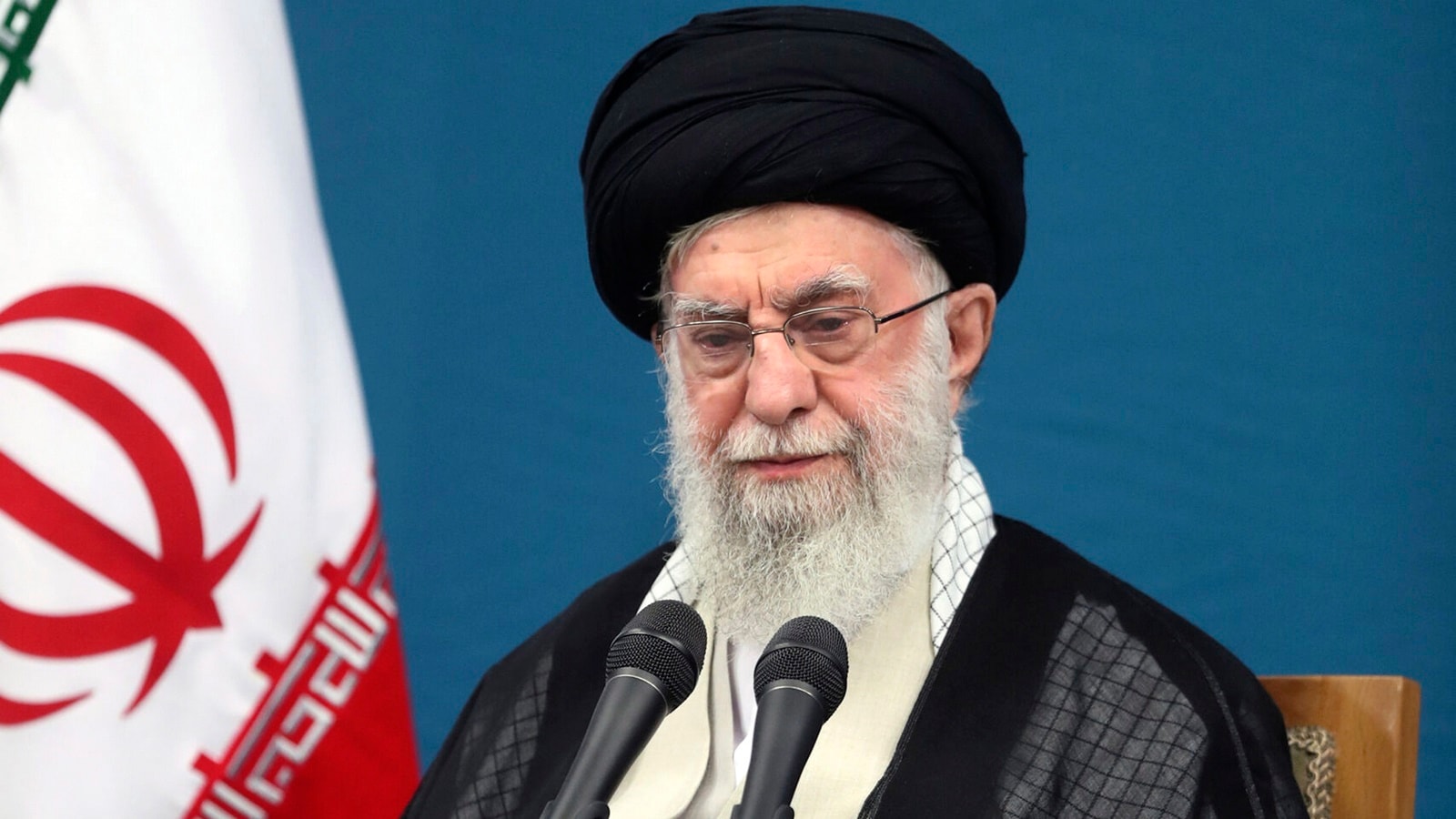
Serene Iran Names Mojtaba Khamenei As New Supreme Leader Landscape Illustration
Experience the crisp clarity of this stunning iran names mojtaba khamenei as new supreme leader image, available in high resolution for all your screens.

Crisp Iran Names Mojtaba Khamenei As New Supreme Leader Moment for Your Screen
Find inspiration with this unique iran names mojtaba khamenei as new supreme leader illustration, crafted to provide a fresh look for your background.

Gorgeous Iran Names Mojtaba Khamenei As New Supreme Leader Scene Concept
Find inspiration with this unique iran names mojtaba khamenei as new supreme leader illustration, crafted to provide a fresh look for your background.
Detailed Iran Names Mojtaba Khamenei As New Supreme Leader Design in HD
Discover an amazing iran names mojtaba khamenei as new supreme leader background image, ideal for personalizing your devices with vibrant colors and intricate designs.
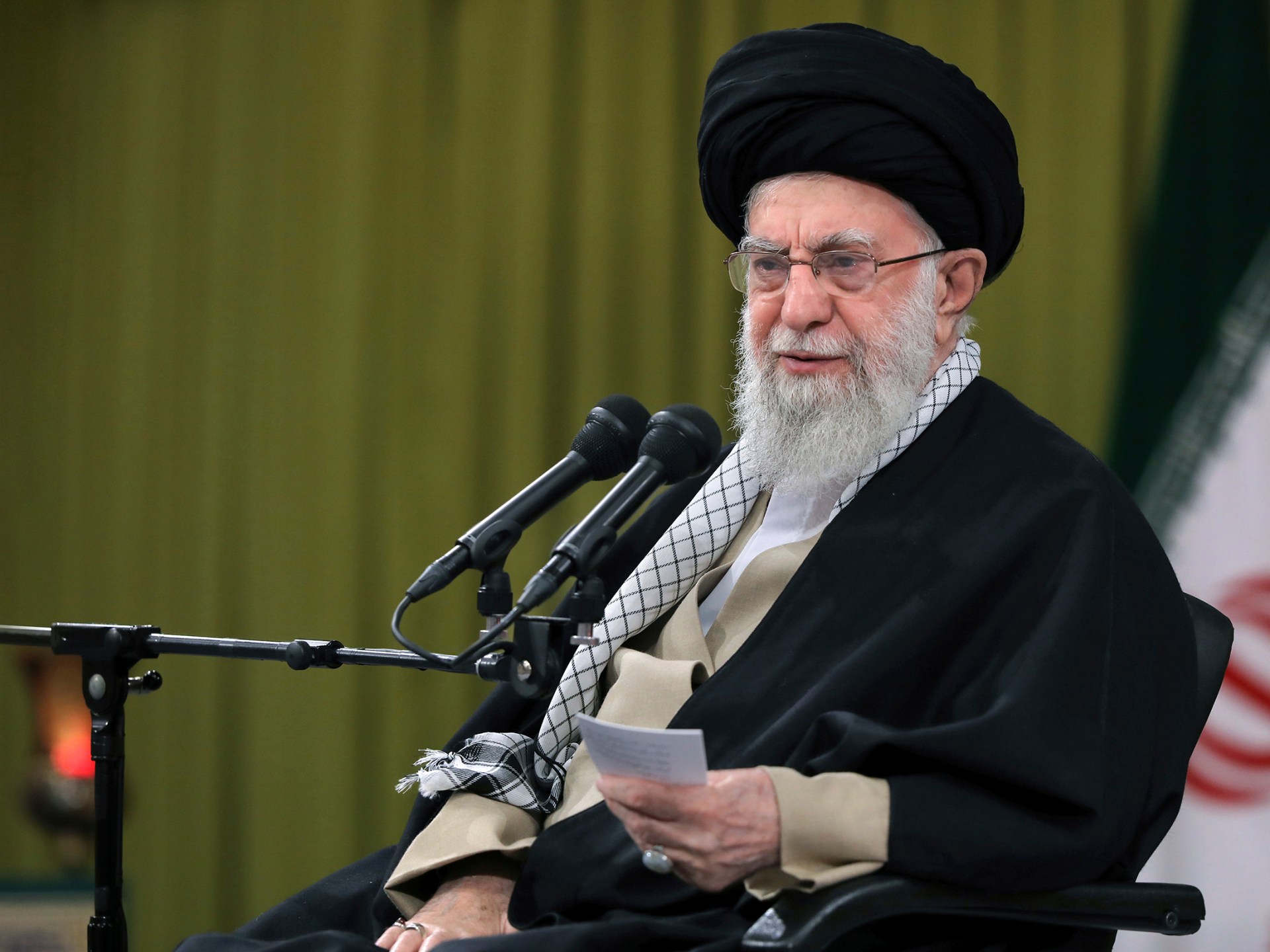
Amazing Iran Names Mojtaba Khamenei As New Supreme Leader View for Desktop
Explore this high-quality iran names mojtaba khamenei as new supreme leader image, perfect for enhancing your desktop or mobile wallpaper.
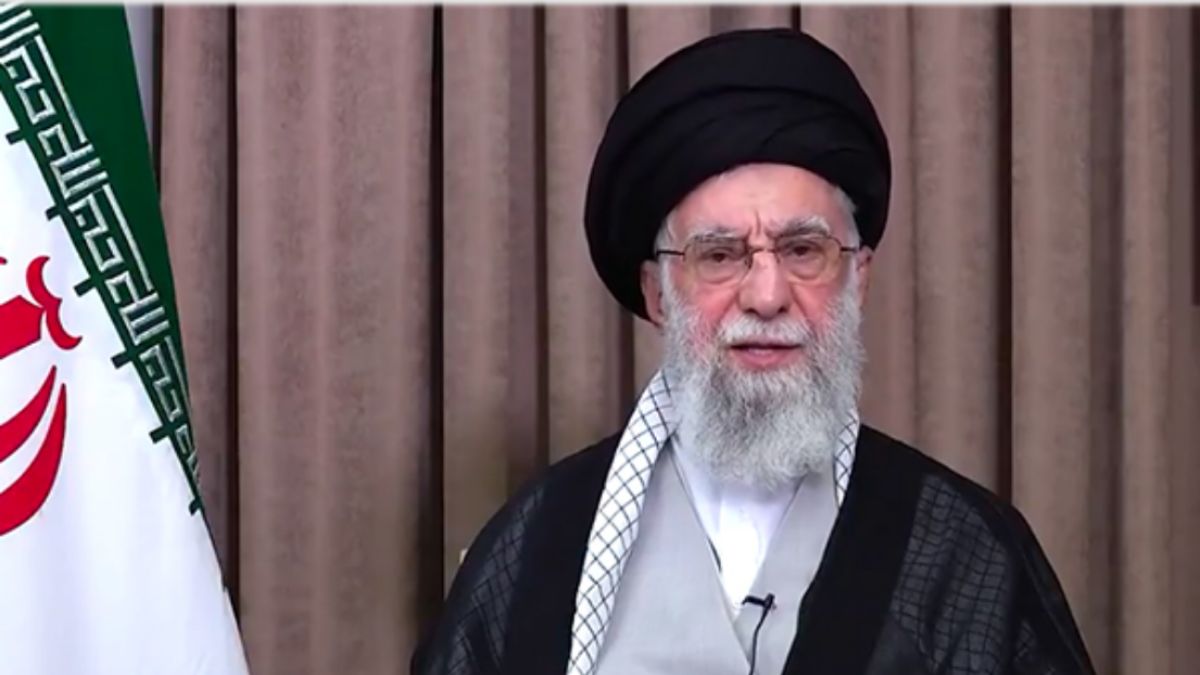
Exquisite Iran Names Mojtaba Khamenei As New Supreme Leader Abstract Nature
This gorgeous iran names mojtaba khamenei as new supreme leader photo offers a breathtaking view, making it a perfect choice for your next wallpaper.

Vivid Iran Names Mojtaba Khamenei As New Supreme Leader Wallpaper for Your Screen
Experience the crisp clarity of this stunning iran names mojtaba khamenei as new supreme leader image, available in high resolution for all your screens.

Stunning Iran Names Mojtaba Khamenei As New Supreme Leader Image Art
Immerse yourself in the stunning details of this beautiful iran names mojtaba khamenei as new supreme leader wallpaper, designed for a captivating visual experience.
Beautiful Iran Names Mojtaba Khamenei As New Supreme Leader Image for Your Screen
Transform your screen with this vivid iran names mojtaba khamenei as new supreme leader artwork, a true masterpiece of digital design.
Crisp Iran Names Mojtaba Khamenei As New Supreme Leader Scene Photography
Find inspiration with this unique iran names mojtaba khamenei as new supreme leader illustration, crafted to provide a fresh look for your background.
Stunning Iran Names Mojtaba Khamenei As New Supreme Leader Background for Mobile
This gorgeous iran names mojtaba khamenei as new supreme leader photo offers a breathtaking view, making it a perfect choice for your next wallpaper.

Artistic Iran Names Mojtaba Khamenei As New Supreme Leader Photo Concept
A captivating iran names mojtaba khamenei as new supreme leader scene that brings tranquility and beauty to any device.
Lush Iran Names Mojtaba Khamenei As New Supreme Leader Capture in 4K
Find inspiration with this unique iran names mojtaba khamenei as new supreme leader illustration, crafted to provide a fresh look for your background.
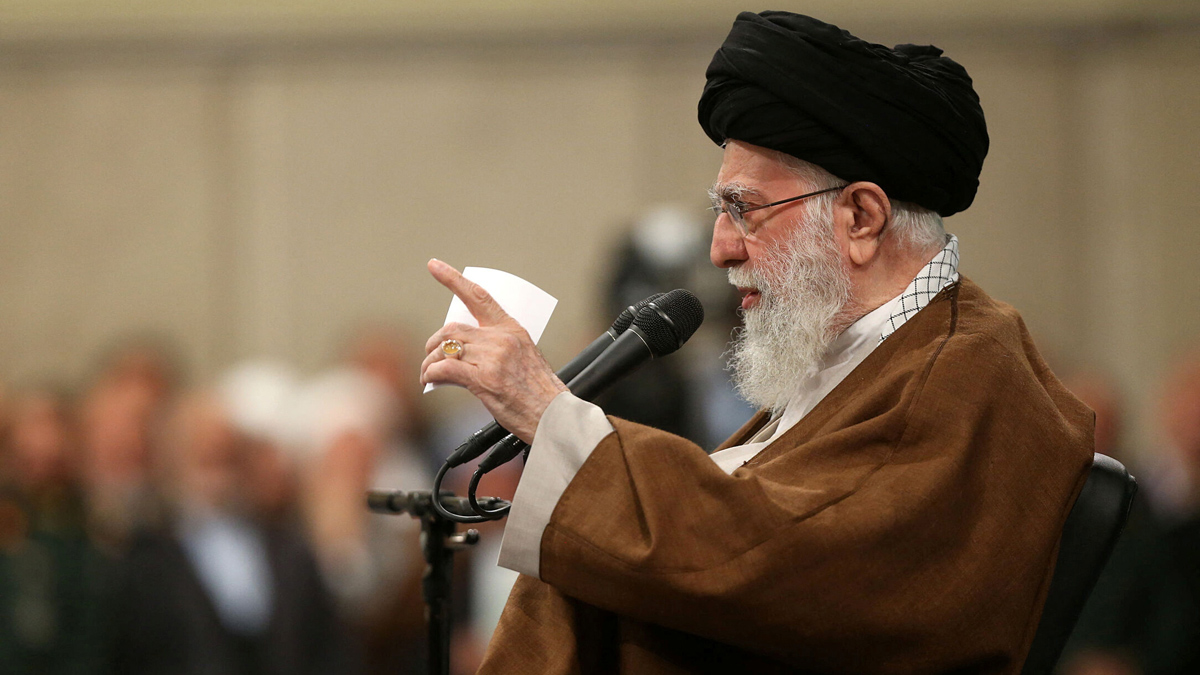
Detailed Iran Names Mojtaba Khamenei As New Supreme Leader Moment in HD
Discover an amazing iran names mojtaba khamenei as new supreme leader background image, ideal for personalizing your devices with vibrant colors and intricate designs.

Beautiful Iran Names Mojtaba Khamenei As New Supreme Leader Abstract for Your Screen
Transform your screen with this vivid iran names mojtaba khamenei as new supreme leader artwork, a true masterpiece of digital design.
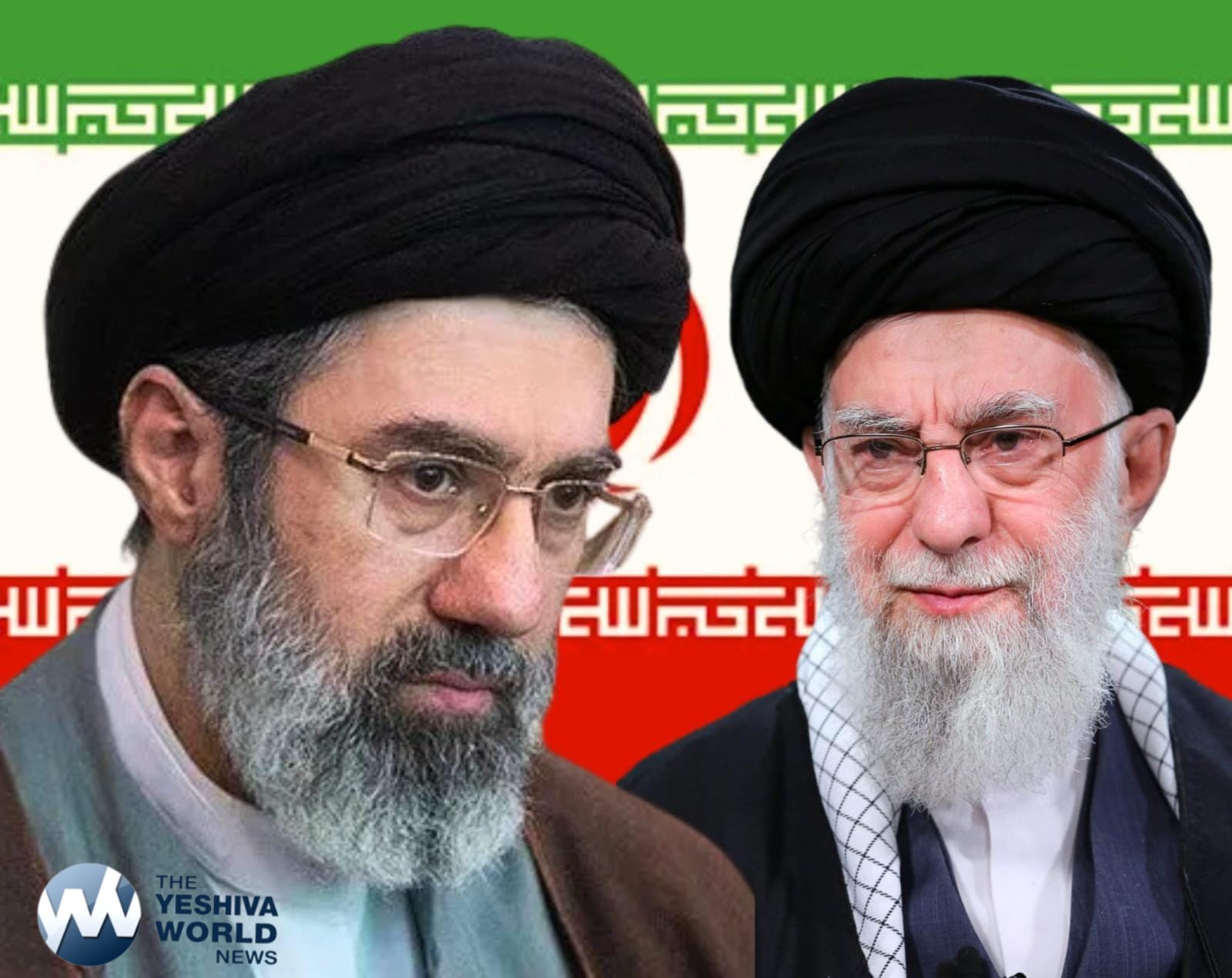
Lush Iran Names Mojtaba Khamenei As New Supreme Leader Capture in 4K
A captivating iran names mojtaba khamenei as new supreme leader scene that brings tranquility and beauty to any device.

Amazing Iran Names Mojtaba Khamenei As New Supreme Leader Landscape for Desktop
Explore this high-quality iran names mojtaba khamenei as new supreme leader image, perfect for enhancing your desktop or mobile wallpaper.
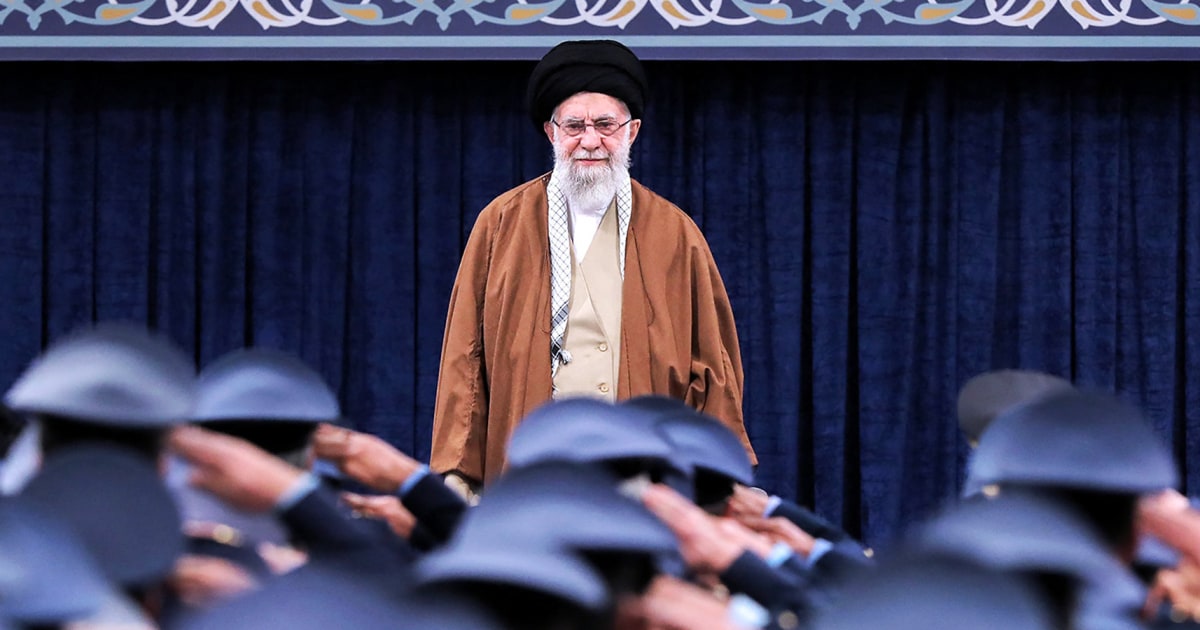
Beautiful Iran Names Mojtaba Khamenei As New Supreme Leader Photo for Desktop
Experience the crisp clarity of this stunning iran names mojtaba khamenei as new supreme leader image, available in high resolution for all your screens.

Mesmerizing Iran Names Mojtaba Khamenei As New Supreme Leader Image Nature
Transform your screen with this vivid iran names mojtaba khamenei as new supreme leader artwork, a true masterpiece of digital design.
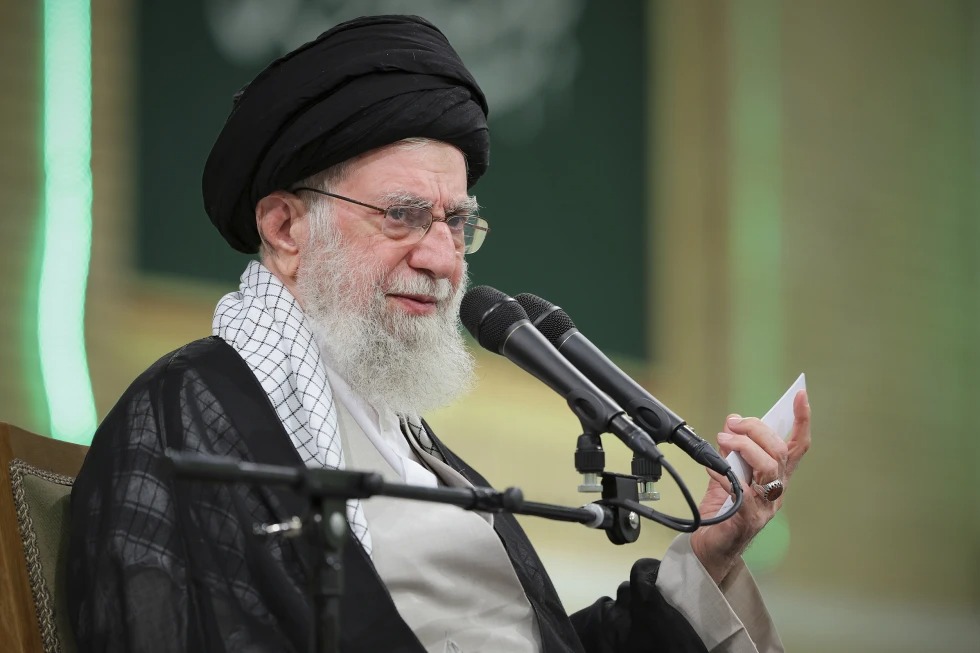
Vivid Iran Names Mojtaba Khamenei As New Supreme Leader Wallpaper Photography
Explore this high-quality iran names mojtaba khamenei as new supreme leader image, perfect for enhancing your desktop or mobile wallpaper.
Download these iran names mojtaba khamenei as new supreme leader wallpapers for free and use them on your desktop or mobile devices.