Vital Water Desalination Plants in Iran and Bahrain Are Attacked
Vital Water Desalination Plants in Iran and Bahrain Are Attacked
The nine-day-old conflict in the Middle East has taken a terrifying turn as the focus of military operations shifts from military installations to the very lifelines of civilian survival. On Sunday, March 8, 2026, the government of Bahrain officially accused Iran of launching a drone attack that damaged a major seawater desalination plant, a facility critical for providing drinking water to the island nation's 1.6 million residents. This incident followed a series of claims from Tehran asserting that United States airstrikes had previously targeted a similar facility on Qeshm Island, leaving dozens of villages without a reliable water source. As both sides trade accusations of crossing a dangerous "red line," the international community watches with bated breath, fearing that the weaponization of water could lead to an unprecedented humanitarian catastrophe in one of the world's most arid regions.
The recent attacks on vital water desalination plants in Iran and Bahrain represent a significant escalation in the Middle East conflict, shifting targets to civilian infrastructure essential for survival. Bahrain reported material damage to a facility following an Iranian drone strike on March 8, 2026, while Iran alleged a U.S. strike on its Qeshm Island plant affected 30 villages. These incidents highlight the extreme vulnerability of the Gulf's water supply, where up to 90% of drinking water is produced through desalination, making these facilities strategic "fossil-fueled water superpowers" whose destruction could force citywide evacuations.
Escalation of Attacks on Critical Infrastructure
The war, which erupted on February 28, 2026, following joint U.S.-Israeli strikes, has rapidly evolved beyond traditional military engagement. In the early days of the conflict, strikes were concentrated on military command centers, missile silos, and leadership compounds. However, as the fighting entered its second week, the tactical focus shifted toward the economic and logistical foundations of the region. The targeting of desalination plants marks a grim milestone in this evolution. For decades, analysts have warned that the high concentration of population in coastal cities like Manama, Dubai, and Riyadh makes them uniquely susceptible to disruptions in water production.
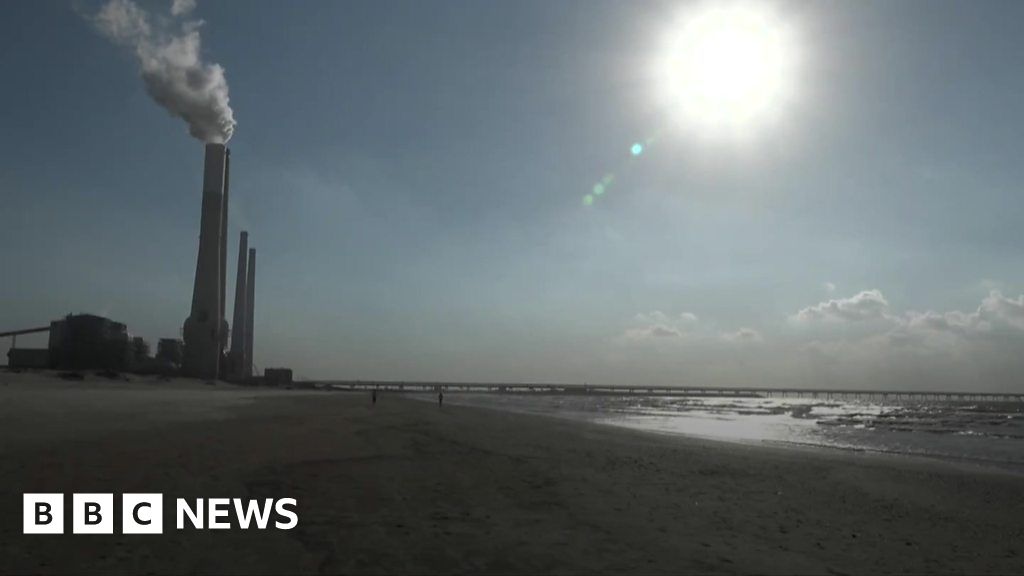
By targeting these facilities, the combatants are not merely striking at physical buildings but are exerting psychological and existential pressure on civilian populations. In Bahrain, the Interior Ministry described the Iranian drone strike as "indiscriminate," emphasizing that such actions put the lives of innocent people at risk. Although the Bahraini Electricity and Water Authority stated that supplies remained online for the time being, the mere fact that a drone reached such a sensitive site has sent shockwaves through the region. The vulnerability of these plants, which are often large, fixed targets located on the coast for easy access to seawater, makes them difficult to defend against the swarms of low-cost drones that have characterized this conflict.
The Strategic Importance of Desalination in the Gulf
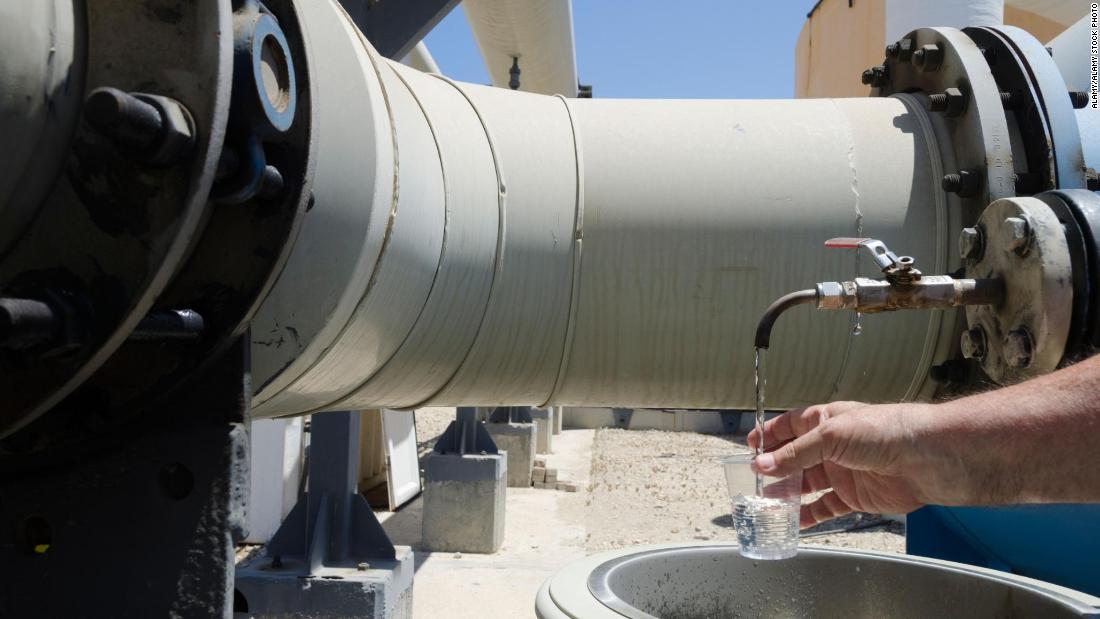
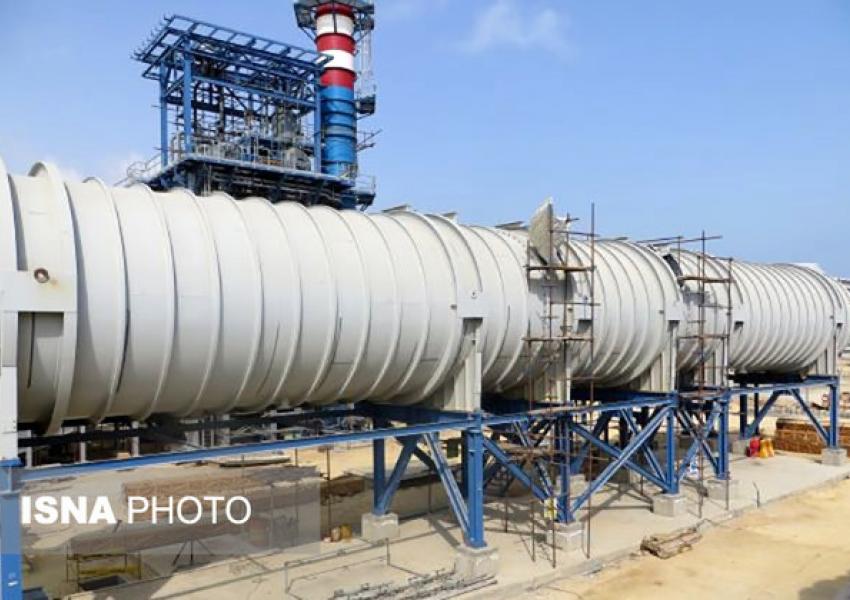
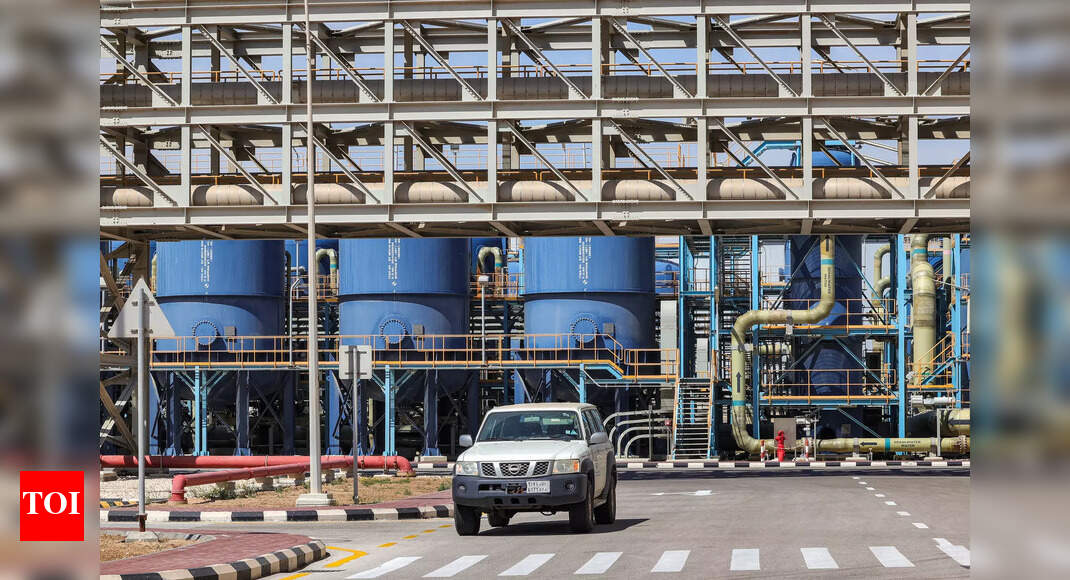
To understand the gravity of these attacks, one must recognize that the Middle East is the most water-stressed region on the planet. Countries like Bahrain, Kuwait, and Qatar possess virtually no permanent natural freshwater sources, such as rivers or lakes. They rely almost exclusively on the desalination of seawater from the Persian Gulf. This process is energy-intensive and requires massive industrial complexes that combine water treatment with power generation. Experts often refer to these as "combined heat and power" (CHP) plants, meaning an attack on the water infrastructure is frequently an attack on the electrical grid as well.
In Bahrain, the desalination infrastructure provides nearly 100% of the drinking water. Saudi Arabia, despite its vast size, relies on desalination for approximately 70% of its urban water needs, with the capital city of Riyadh being supplied by a massive pipeline from the coast. A 2010 CIA report, recently recirculated by analysts, noted that the destruction of just a handful of these plants could trigger a national crisis. The report suggested that if the Jubail plant in Saudi Arabia were taken offline, the city of Riyadh might need to be evacuated within a week. This "water-energy nexus" makes these facilities the most strategic targets in the region, even more so than oil refineries, as humans can survive without fuel but not without water.
Bahrain Accusations Against Iranian Aggression
The specific incident reported in Bahrain involved an Iranian-made suicide drone that impacted a desalination facility on the island's coast. While the Bahraini government was quick to condemn the "blatant aggression," they also reported that their air defense systems had intercepted other incoming threats. Falling debris from these interceptions reportedly injured three people in the Muharraq area and caused damage to a university building. The Interior Ministry's statement on X (formerly Twitter) highlighted the "random" nature of the targeting, suggesting that the goal was to create chaos and fear among the populace.
Bahrain's position is particularly precarious due to its role as the host of the U.S. Navy's Fifth Fleet. This presence makes the island a primary target for Iranian retaliatory strikes. Over the course of the nine-day war, Bahrain has seen hotels, ports, and residential towers hit by Iranian ordnance. The strike on the desalination plant is seen by regional experts, such as Abdullah Babud of Waseda University, as an "act of crossing the line." It signals that the Iranian leadership, currently overseen by a three-member council following the death of Supreme Leader Ayatollah Ali Khamenei, is willing to use every lever of pressure available to force a U.S. withdrawal from the region.
Iran Claims US Strike on Qeshm Island Facility
In a mirror image of the accusations from Manama, Iranian Foreign Minister Abbas Araghchi has denounced what he termed a "desperate crime" by the United States. According to Araghchi, a U.S. airstrike targeted a desalination plant on Qeshm Island, located in the strategic Strait of Hormuz. This facility is vital for the local population, and the strike reportedly cut off the water supply to 30 villages. Iran argues that by striking this facility first, the United States "set the precedent" for water infrastructure to be considered a legitimate military target.
The U.S. Central Command (CENTCOM) has denied involvement in any intentional strike on civilian water facilities, suggesting instead that any damage may have been collateral from strikes on nearby military radar installations or IRGC coastal bases. Regardless of the intent, the result is a worsening humanitarian situation within Iran, a country already suffering from years of extreme drought and dwindling reservoir levels. Unlike its neighbors, Iran still relies on aquifers for much of its water, but its coastal regions and islands are almost entirely dependent on these small-to-medium-sized desalination units. The disruption of these services adds a layer of domestic instability for the Iranian leadership as they grapple with the broader war effort.
| Location of Incident | Reported Impact & Severity |
|---|---|
| Bahrain Desalination Plant | Material damage; water supply currently stable; 3 injuries from debris. |
| Qeshm Island (Iran) | Water supply cut to 30 villages; Iran alleges U.S. military "precedent." |
| Tehran Oil Facilities | Large fires; environmental warnings issued; four civilian casualties. |
| Muharraq Area (Bahrain) | Damage to university building; civilian injuries from falling missile fragments. |
| Jebel Ali Port (UAE) | Strikes near major plant; raised fears of broader water disruption. |
Potential Humanitarian Consequences of Water Disruptions
The implications of sustained attacks on water infrastructure are nothing short of catastrophic. In the arid climate of the Gulf, where summer temperatures can exceed 50 degrees Celsius (122 degrees Fahrenheit), the loss of air conditioning and drinking water is a death sentence. While many Gulf nations have invested in strategic water reserves—underground aquifers or massive tanks designed to hold several days' worth of water—these reserves are meant for short-term emergencies, not a prolonged state of war. Smaller states like Bahrain could exhaust their emergency supplies within just a few days if their primary production capacity is destroyed.
Furthermore, the damage to these plants is not easily repaired. Desalination facilities use highly specialized membranes, high-pressure pumps, and complex thermal units that are often custom-built by international engineering firms. In a state of war, with shipping lanes in the Strait of Hormuz blocked or under fire, the logistics of bringing in spare parts and expert technicians become nearly impossible. This means that a single successful strike could lead to a permanent loss of capacity, triggering a long-term humanitarian crisis that persists long after the guns fall silent. The prospect of "water refugees" fleeing parched cities is a scenario that regional planners have long feared.
International Law and the Targeting of Civilian Lifeblood
Under international humanitarian law, specifically the Geneva Conventions, the targeting of objects indispensable to the survival of the civilian population is strictly prohibited. This includes drinking water installations and irrigation works. The international community, including the Arab League, has lashed out at the recent strikes, calling them "reckless" and a violation of the basic norms of warfare. Arab League chief Ahmed Aboul Gheit criticized Iran for its policy of attacking neighbors, particularly those not directly involved in the combat operations.
However, the modern reality of "dual-use" infrastructure complicates the legal landscape. Many desalination plants are located within or adjacent to industrial zones, ports, and power stations that have clear military utility. When an adversary places a missile battery near a water plant, or when a water plant provides the power for a naval base, the distinction between a civilian and military target blurs. This ambiguity is being exploited by both sides in the current conflict, leading to a breakdown in the protections traditionally afforded to civilian life-support systems. The targeting of water is increasingly seen as a form of total war designed to break the will of the opposing population.
The Role of the US Navy 5th Fleet in the Region
Bahrain's strategic importance cannot be overstated, primarily because it serves as the headquarters for the U.S. Naval Forces Central Command and the U.S. 5th Fleet. This presence is intended to ensure the free flow of commerce through the Strait of Hormuz and to provide a security umbrella for Gulf allies. However, in the current war, this role has made Bahrain a lightning rod for Iranian drones and missiles. The 5th Fleet's assets are integral to the defense of the region, utilizing advanced Aegis combat systems and Patriot missile batteries to intercept incoming threats.
Despite these defenses, the sheer volume of attacks—hundreds of missiles and drones launched since February 28—means that some will inevitably get through. The 5th Fleet has been active in retaliating against launch sites inside Iran, but this "tit-for-tat" cycle only increases the danger to the surrounding civilian infrastructure. As the U.S. military continues to operate from bases in Bahrain, Kuwait, and the UAE, Iran's President Masoud Pezeshkian has warned that any country hosting "enemy" forces will be held responsible. This stance effectively turns every host nation's infrastructure into a potential battlefield, regardless of their official neutrality in the conflict.
Regional Reactions and the Risk of Total War
The reaction from neighboring Gulf states has been one of mounting alarm and frantic diplomacy. The United Arab Emirates, while maintaining a strong defense posture, has emphasized that it does not wish to strike civilian targets if it were to be drawn further into the war. Ali Al Nuaimi, chairman of the UAE's National Defense Committee, stated that the Iranian people themselves are victims of their regime's policies. This sentiment is echoed across the region, where there is a clear desire to avoid a total collapse of the regional economy and environment.
Beyond the immediate threat of thirst, there is the secondary threat of environmental disaster. Many of the strikes have targeted oil storage facilities, such as the one in North Tehran that smoldered for days, covering the city in thick, toxic smoke. If an oil tanker or a coastal refinery were to be destroyed near a desalination intake, the resulting oil slick could clog the filters and force the shutdown of plants across the entire coast. This happened during the 1991 Gulf War when Iraqi forces released millions of barrels of oil into the sea, threatening the water supply of the entire region. Today, with the region even more dependent on the sea for its survival, the stakes are higher than ever before.
Frequently Asked Questions (FAQ)
Why are desalination plants being targeted in the Iran-Bahrain conflict?
Desalination plants are considered "strategic life-support systems" because they provide nearly all the drinking water in the Gulf region. Targeting them exerts extreme pressure on the civilian population and the government, as the loss of water can lead to citywide collapses and evacuations.
Has the water supply in Bahrain been cut off?
As of the latest reports from March 8, 2026, the Bahraini Electricity and Water Authority stated that while the plant suffered material damage, the water supply and network operations remain online. However, officials warn that further attacks could change this status.
What happened to the desalination plant on Iran's Qeshm Island?
Iran claims a U.S. airstrike damaged a freshwater facility on Qeshm Island, disrupting the water supply to 30 local villages. Iran has used this incident to justify its own retaliatory strikes on civilian infrastructure in neighboring countries.
Are these attacks legal under international law?
No, the Geneva Conventions strictly prohibit the targeting of infrastructure indispensable to the survival of the civilian population, including drinking water facilities. Both the Arab League and various human rights organizations have condemned these actions as potential war crimes.
How long can Gulf cities survive without desalination?
Most Gulf nations have strategic reserves that can last between a few days and a week. If production is not restored within that window, major cities like Manama or Riyadh would face an existential crisis, potentially requiring mass evacuations.
Conclusion
The targeting of desalination plants in Bahrain and Iran marks a harrowing escalation in a war that is increasingly defined by its impact on the most basic requirements for human life. In the parched landscape of the Middle East, water is not just a resource; it is the fundamental pillar upon which modern civilization is built. As drones and missiles continue to strike at these "water superpowers," the risk of a humanitarian disaster that transcends borders and political ideologies grows by the hour. The international community must act decisively to de-escalate the conflict and re-establish the immunity of civilian infrastructure, or the region may find itself facing a future where the lack of water proves far more deadly than any bomb or bullet.
Vital Water Desalination Plants in Iran and Bahrain Are Attacked
Vital Water Desalination Plants in Iran and Bahrain Are Attacked Wallpapers
Collection of vital water desalination plants in iran and bahrain are attacked wallpapers for your desktop and mobile devices.
Exquisite Vital Water Desalination Plants In Iran And Bahrain Are Attacked Background in 4K
This gorgeous vital water desalination plants in iran and bahrain are attacked photo offers a breathtaking view, making it a perfect choice for your next wallpaper.
Spectacular Vital Water Desalination Plants In Iran And Bahrain Are Attacked Capture Concept
A captivating vital water desalination plants in iran and bahrain are attacked scene that brings tranquility and beauty to any device.

Captivating Vital Water Desalination Plants In Iran And Bahrain Are Attacked Background Nature
Find inspiration with this unique vital water desalination plants in iran and bahrain are attacked illustration, crafted to provide a fresh look for your background.

Amazing Vital Water Desalination Plants In Iran And Bahrain Are Attacked Picture for Mobile
Experience the crisp clarity of this stunning vital water desalination plants in iran and bahrain are attacked image, available in high resolution for all your screens.
Beautiful Vital Water Desalination Plants In Iran And Bahrain Are Attacked Scene Photography
Discover an amazing vital water desalination plants in iran and bahrain are attacked background image, ideal for personalizing your devices with vibrant colors and intricate designs.
Captivating Vital Water Desalination Plants In Iran And Bahrain Are Attacked Moment in HD
Immerse yourself in the stunning details of this beautiful vital water desalination plants in iran and bahrain are attacked wallpaper, designed for a captivating visual experience.

Vivid Vital Water Desalination Plants In Iran And Bahrain Are Attacked Abstract for Mobile
Transform your screen with this vivid vital water desalination plants in iran and bahrain are attacked artwork, a true masterpiece of digital design.
Vivid Vital Water Desalination Plants In Iran And Bahrain Are Attacked Abstract Collection
Transform your screen with this vivid vital water desalination plants in iran and bahrain are attacked artwork, a true masterpiece of digital design.
.png.webp?itok=WAPpm9ir "Mesmerizing Vital Water Desalination Plants In Iran And Bahrain Are Attacked Scene for Mobile")
Mesmerizing Vital Water Desalination Plants In Iran And Bahrain Are Attacked Scene for Mobile
Transform your screen with this vivid vital water desalination plants in iran and bahrain are attacked artwork, a true masterpiece of digital design.
.jpeg.webp?itok=__V7YMQp "High-Quality Vital Water Desalination Plants In Iran And Bahrain Are Attacked Moment for Your Screen")
High-Quality Vital Water Desalination Plants In Iran And Bahrain Are Attacked Moment for Your Screen
Explore this high-quality vital water desalination plants in iran and bahrain are attacked image, perfect for enhancing your desktop or mobile wallpaper.
Crisp Vital Water Desalination Plants In Iran And Bahrain Are Attacked Image Collection
A captivating vital water desalination plants in iran and bahrain are attacked scene that brings tranquility and beauty to any device.

Crisp Vital Water Desalination Plants In Iran And Bahrain Are Attacked Background in HD
A captivating vital water desalination plants in iran and bahrain are attacked scene that brings tranquility and beauty to any device.

Spectacular Vital Water Desalination Plants In Iran And Bahrain Are Attacked Abstract for Your Screen
Find inspiration with this unique vital water desalination plants in iran and bahrain are attacked illustration, crafted to provide a fresh look for your background.
Gorgeous Vital Water Desalination Plants In Iran And Bahrain Are Attacked Artwork Concept
This gorgeous vital water desalination plants in iran and bahrain are attacked photo offers a breathtaking view, making it a perfect choice for your next wallpaper.

Vivid Vital Water Desalination Plants In Iran And Bahrain Are Attacked Capture Collection
Explore this high-quality vital water desalination plants in iran and bahrain are attacked image, perfect for enhancing your desktop or mobile wallpaper.
Amazing Vital Water Desalination Plants In Iran And Bahrain Are Attacked Image for Your Screen
Discover an amazing vital water desalination plants in iran and bahrain are attacked background image, ideal for personalizing your devices with vibrant colors and intricate designs.

Amazing Vital Water Desalination Plants In Iran And Bahrain Are Attacked Picture for Mobile
Discover an amazing vital water desalination plants in iran and bahrain are attacked background image, ideal for personalizing your devices with vibrant colors and intricate designs.
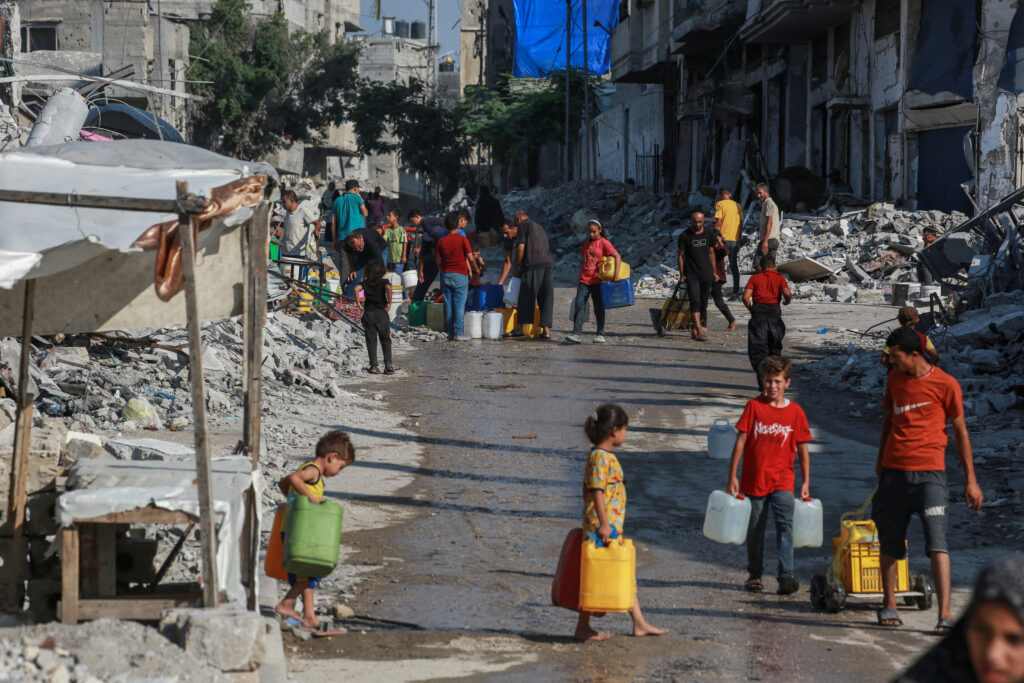
Beautiful Vital Water Desalination Plants In Iran And Bahrain Are Attacked Capture for Desktop
Experience the crisp clarity of this stunning vital water desalination plants in iran and bahrain are attacked image, available in high resolution for all your screens.
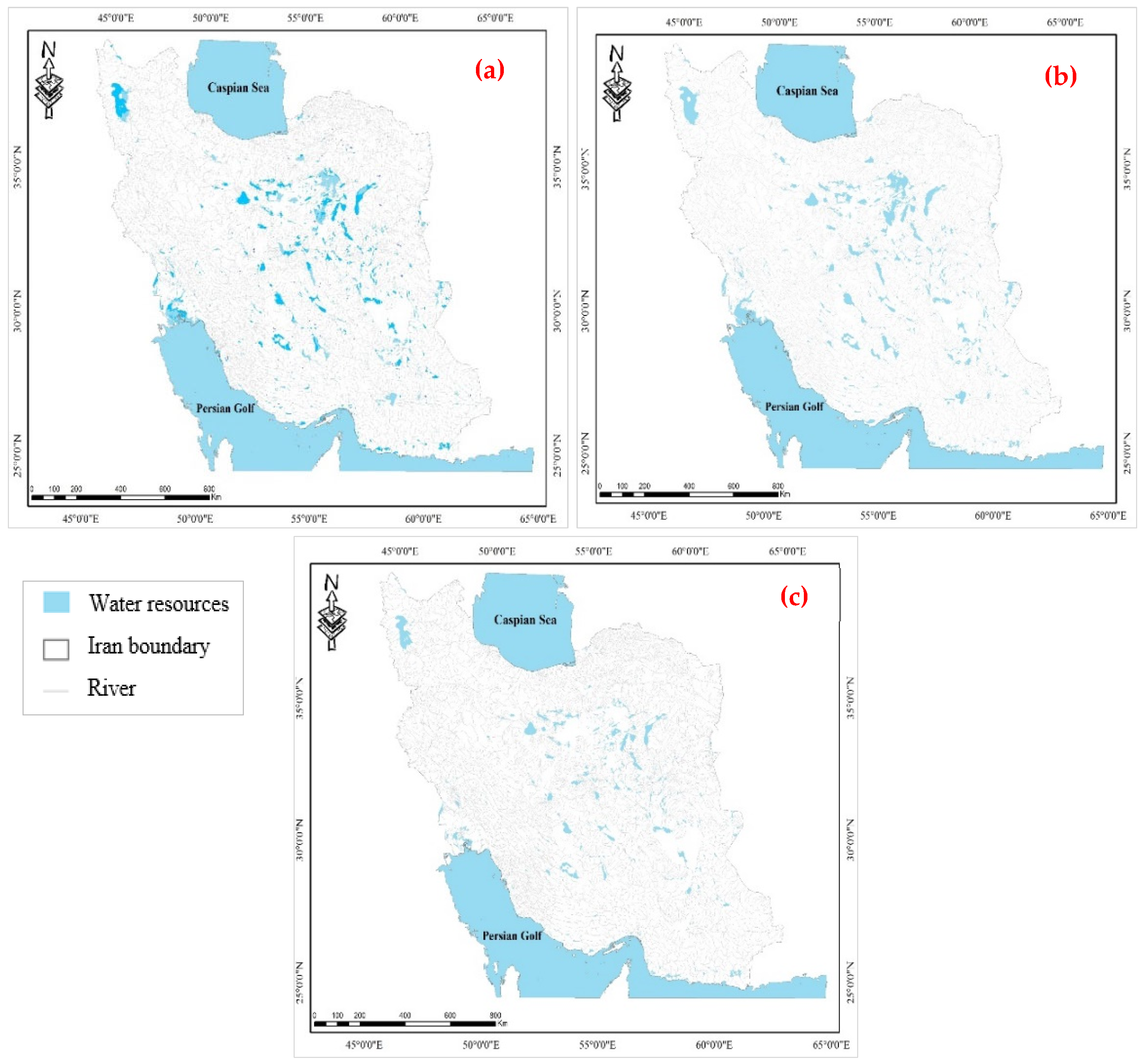
Vibrant Vital Water Desalination Plants In Iran And Bahrain Are Attacked Landscape for Your Screen
Explore this high-quality vital water desalination plants in iran and bahrain are attacked image, perfect for enhancing your desktop or mobile wallpaper.

High-Quality Vital Water Desalination Plants In Iran And Bahrain Are Attacked Background Art
Explore this high-quality vital water desalination plants in iran and bahrain are attacked image, perfect for enhancing your desktop or mobile wallpaper.
Download these vital water desalination plants in iran and bahrain are attacked wallpapers for free and use them on your desktop or mobile devices.