Beyond the Hype: Why Australian Climate Scientists Cringe at the Term ‘Super El Niño’
Beyond the Hype: Why Australian Climate Scientists Cringe at the Term ‘Super El Niño’
Whenever the Pacific Ocean begins to stir with the tell-tale signs of a warming trend, newsrooms across the globe dust off their boldest fonts to announce the arrival of a "Super El Niño." For the general public, the term evokes images of scorched earth, record-breaking heatwaves, and catastrophic droughts. However, inside the halls of the Australian Bureau of Meteorology (BOM) and across the research labs of CSIRO, the reaction is often far more subdued—and involves a fair amount of eye-rolling. While the media loves a catchy prefix, climate scientists argue that the term "super" often does more to obscure the truth than to illuminate it. Understanding why requires a deep dive into the nuances of the El Niño-Southern Oscillation (ENSO), the complexity of Australian geography, and the delicate art of long-range weather forecasting.
The Anatomy of an Index: What 'Super' Actually Means (and Doesn't)
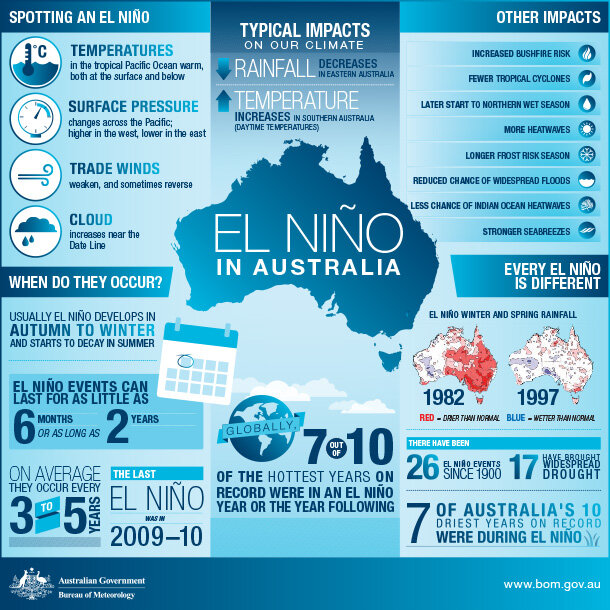
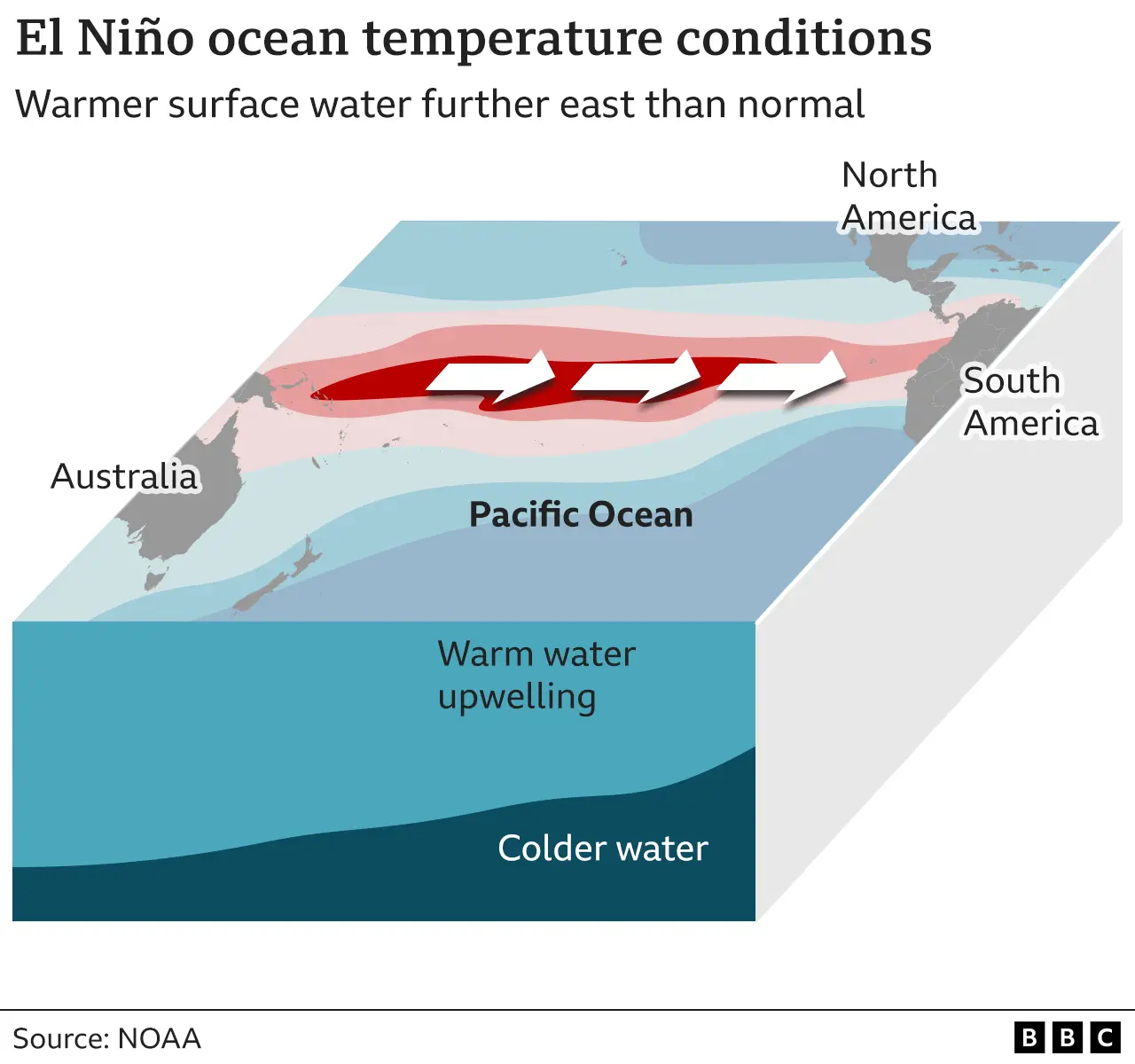
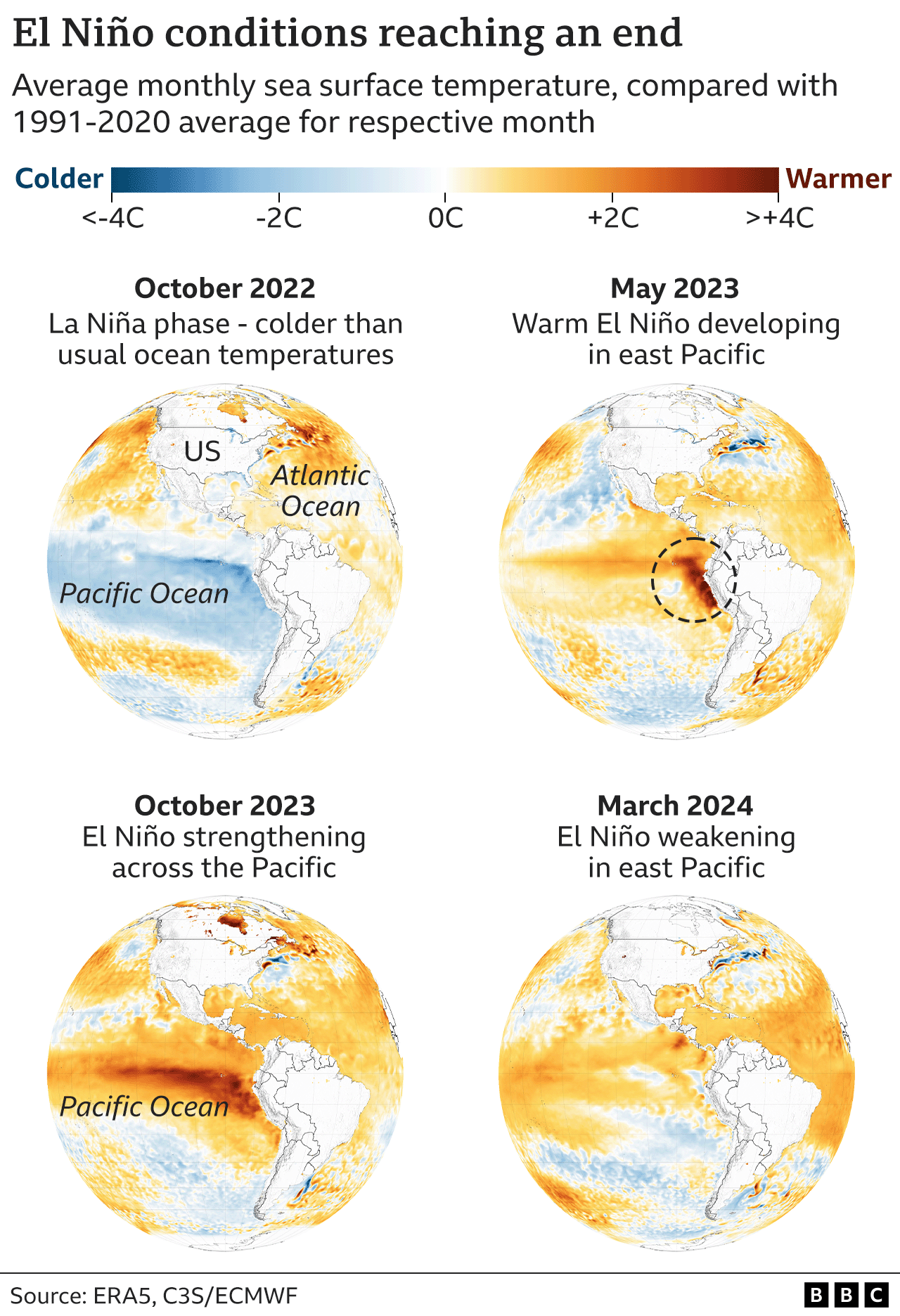
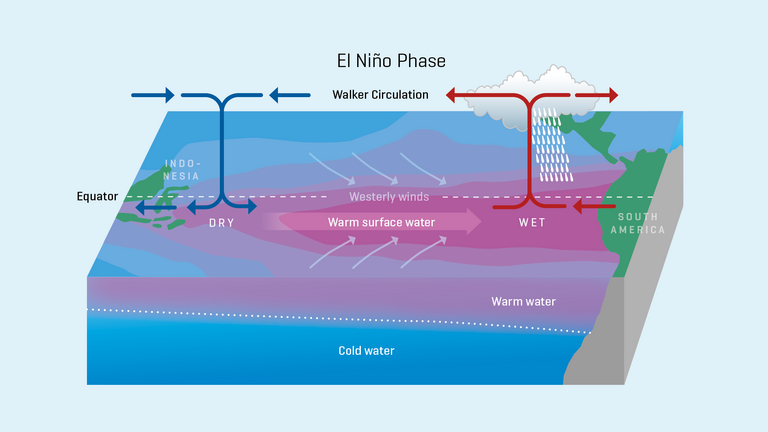
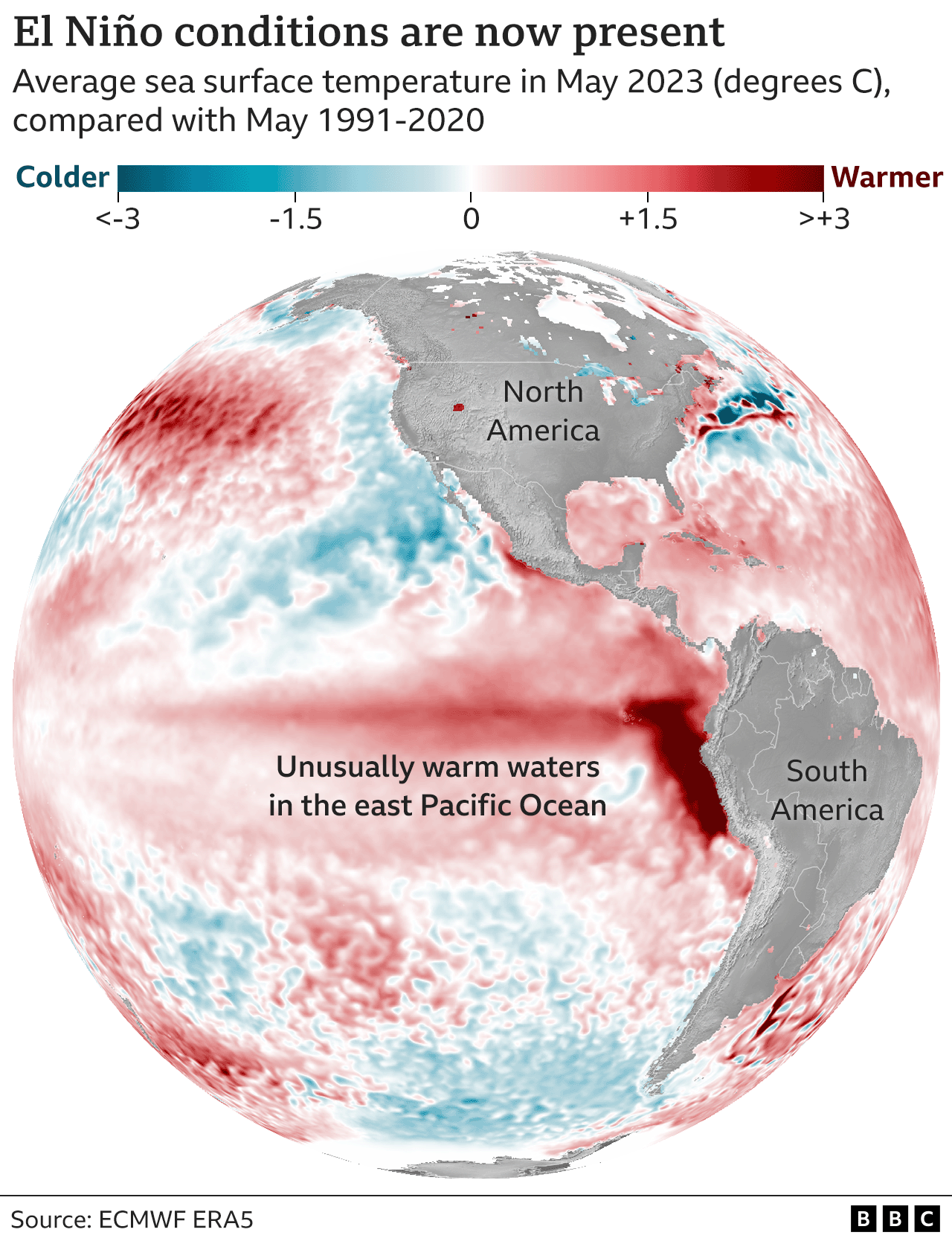
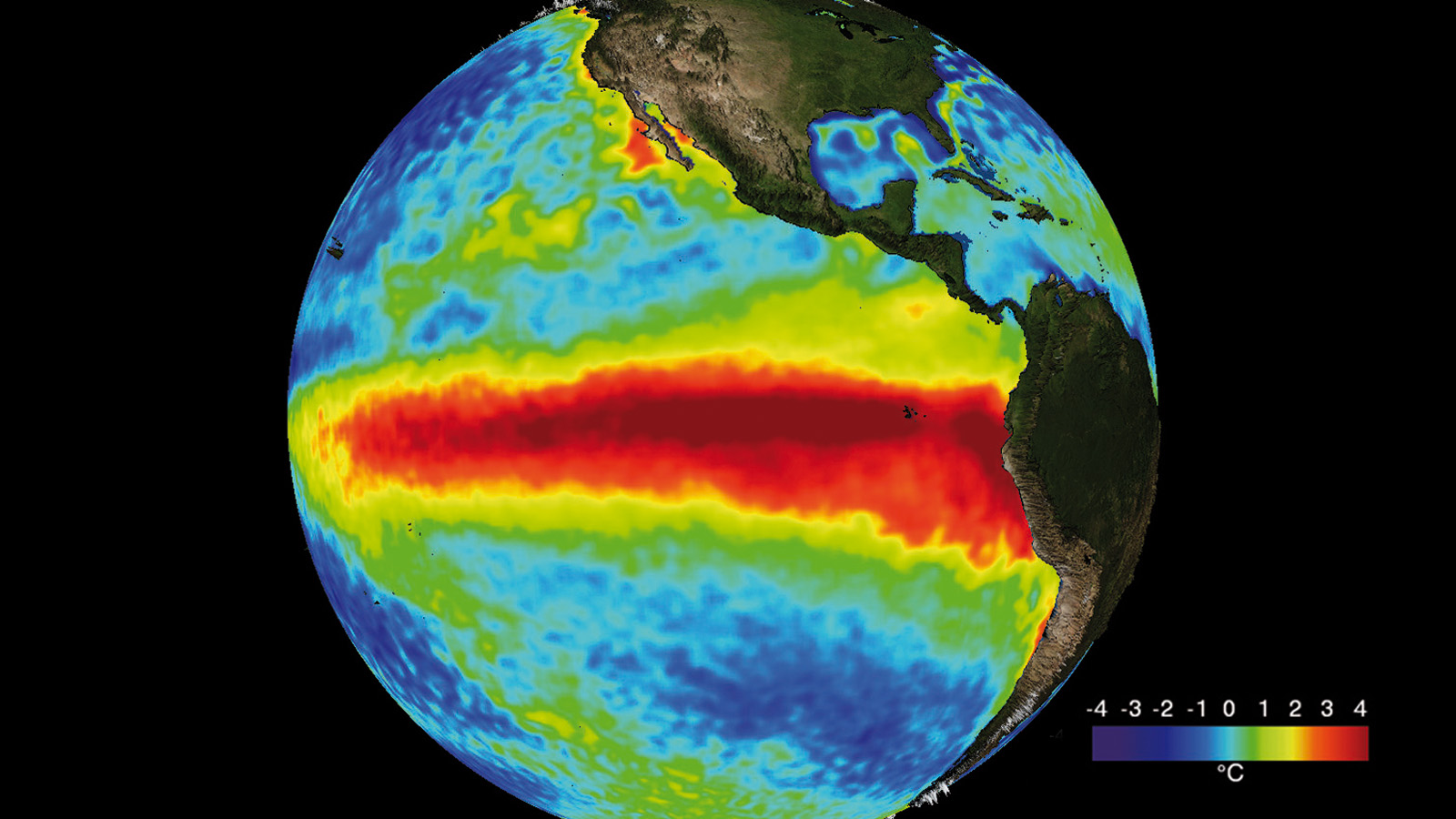
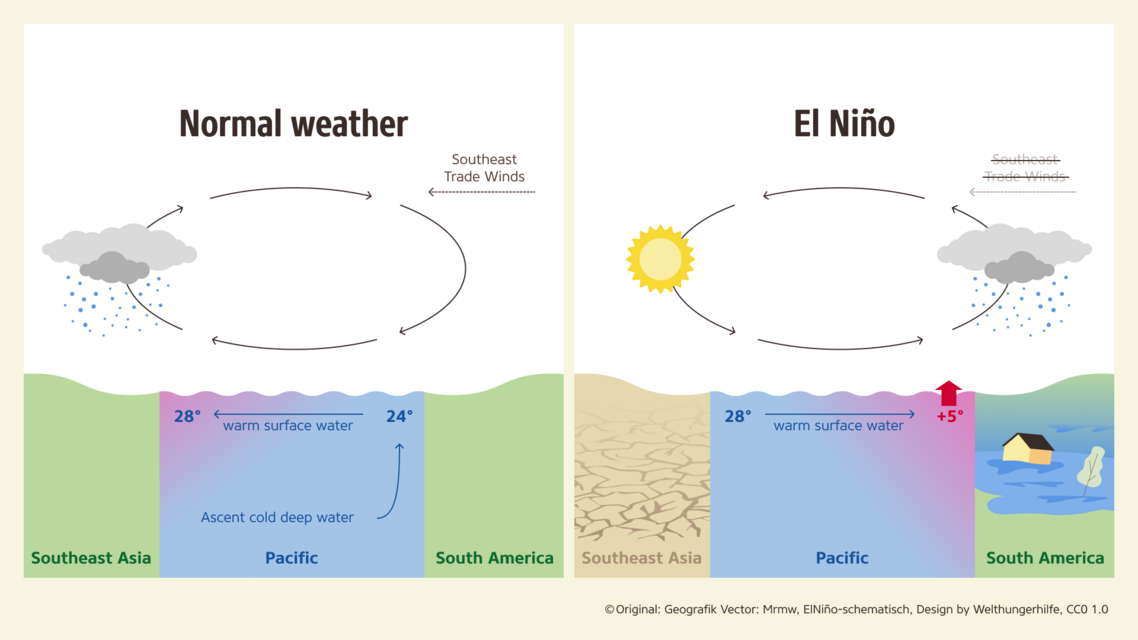
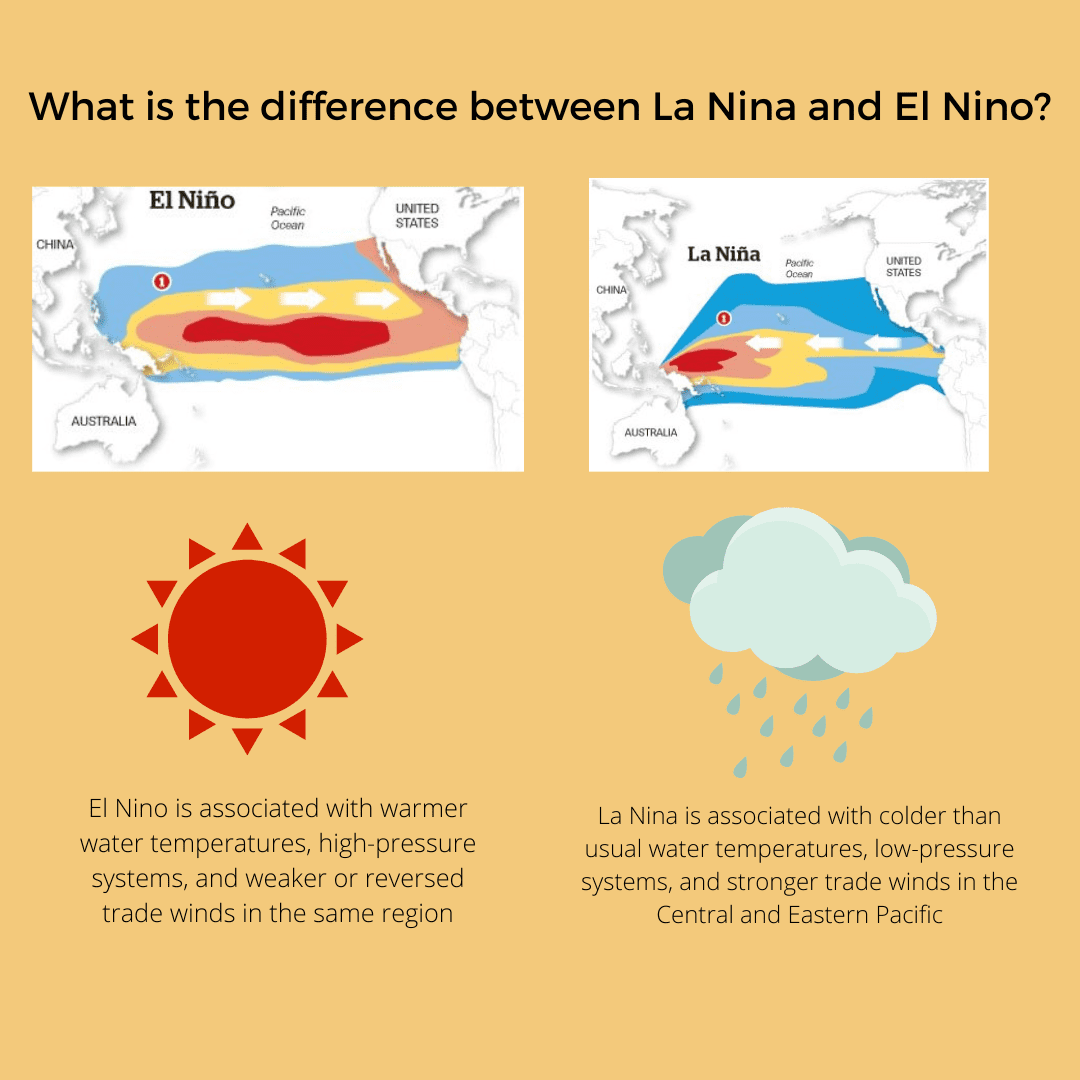
In the world of meteorology, El Niño is defined by specific physical parameters, primarily the sea surface temperature (SST) anomalies in the central and eastern tropical Pacific. When these temperatures rise significantly above the long-term average—usually by 0.5°C or more for several consecutive months—and are accompanied by changes in atmospheric pressure and wind patterns, an El Niño is declared. The term "Super El Niño" is not an official scientific classification. Instead, it is a colloquialism used to describe events where the SST anomalies exceed a very high threshold, typically 2.0°C or 2.5°C above average.
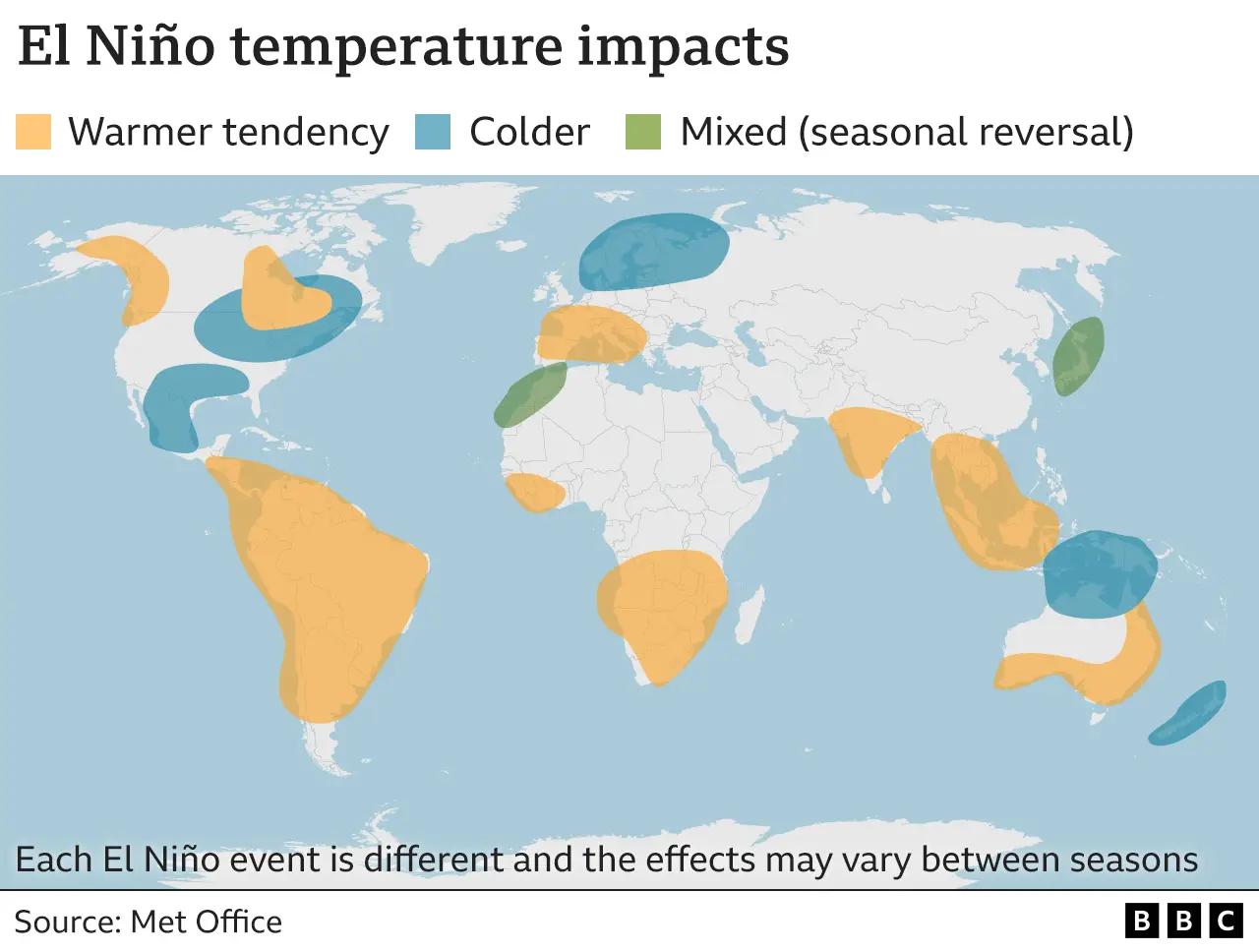
The primary reason scientists roll their eyes is that a "super" index in the middle of the Pacific Ocean does not automatically translate to "super" impacts on the Australian continent. Climate science is rarely linear. While there is a correlation between the strength of an El Niño and the likelihood of dry conditions in Australia, it is far from a one-to-one relationship. Historical data shows that some "moderate" El Niño events have caused more agricultural devastation in New South Wales and Queensland than the so-called "Super" events of 1982-83, 1997-98, or 2015-16.
Furthermore, the focus on a single number—the temperature anomaly in the NINO3.4 region—ignores the "flavor" of the El Niño. Scientists distinguish between "East Pacific" El Niños (where warming is concentrated near South America) and "Central Pacific" or "Modoki" El Niños. Each type shifts global atmospheric circulation differently. By slapping the "Super" label on an event based solely on temperature peaks, the media ignores the structural differences that dictate where the rain actually falls.
The Competition: IOD, SAM, and the 'Other' Drivers
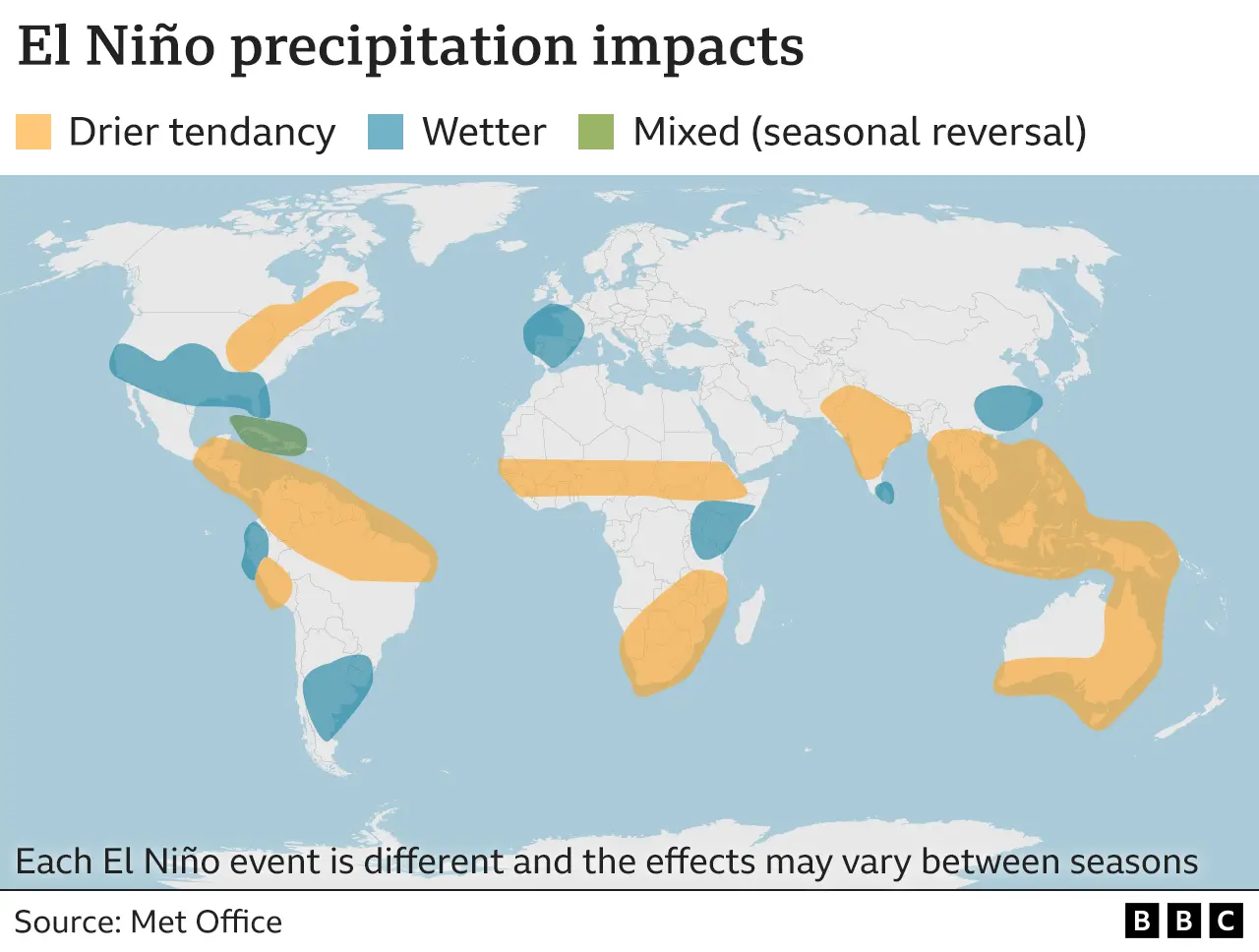
Australia’s weather is not a mono-culture dictated solely by the Pacific. One of the biggest frustrations for local climatologists is the "Pacific-centrism" of global climate reporting. Australia is a massive island continent flanked by two major oceans, and the Indian Ocean often has just as much, if not more, influence on Southern and Western Australian rainfall as the Pacific does.
The Indian Ocean Dipole (IOD) is a critical player. A "Positive IOD" involves cooler waters near Indonesia and warmer waters near Africa, which typically cuts off moisture supply to Australia. If a moderate El Niño coincides with a strong Positive IOD, the result can be a "Super" drought. Conversely, if a "Super El Niño" occurs while the Indian Ocean is in a neutral or negative state, the impacts might be significantly dampened.
Then there is the Southern Annular Mode (SAM), which describes the north-south movement of the strong westerly winds in the Southern Ocean. If the SAM is in a positive phase during summer, it can actually bring more moisture to the East Coast, potentially offsetting the drying influence of an El Niño. Scientists roll their eyes at the "Super" label because it treats El Niño as a lone actor in a vacuum, rather than one instrument in a very complex atmospheric orchestra.
| Scientific Aspect | Description & Reality Check |
|---|---|
| Term Origin | Media-driven; not recognized as a formal category by the WMO or BOM. |
| Temperature Threshold | Usually refers to SST anomalies exceeding +2.0°C in the NINO3.4 region. |
| Impact Correlation | Weak; ocean temperature strength does not always equal land impact intensity. |
| Regional Variability | Australia's size means one state may be in drought while another is flooding. |
| Influencing Factors | Requires synergy with Indian Ocean Dipole (IOD) and Southern Annular Mode (SAM). |
The Risk of 'Crying Wolf' and Public Fatigue
From a communication perspective, "Super El Niño" is a dangerous phrase. Scientists are wary of sensationalist language because it creates a "all or nothing" expectation in the public mind. When a "Super El Niño" is announced, farmers might make drastic decisions regarding livestock or planting, and emergency services prepare for the worst-case scenario. If the event turns out to be mild because of local atmospheric factors, it erodes public trust in scientific forecasting.
This is known as "forecast fatigue." If every major El Niño is branded as "Super" or "Monster," the public begins to tune out the warnings. For Australian climate scientists, the goal is to provide a probabilistic outlook—"there is an 80% chance of below-average rainfall"—rather than a definitive, scary title. The eye-roll is a reaction to the loss of nuance. It is the frustration of an expert trying to explain a 500-page manual while a headline writer is screaming a single, exaggerated word.
Moreover, the focus on "Super" events overlooks the danger of "standard" El Niños. In Australia, even a weak El Niño can lead to a devastating fire season if it follows a period of heavy rain (which grows fuel) and is accompanied by a few poorly timed heatwaves. By focusing only on the "Super" events, we risk being unprepared for the "ordinary" events that still carry a lethal punch.
Climate Change: The New Baseline
Another reason the term "Super" is increasingly problematic is the shifting baseline caused by global warming. As the planet warms, the background temperature of the ocean is rising. This means that reaching a +2.0°C anomaly today is "easier" than it was in 1950. Scientists are currently debating how to redefine ENSO indices in a warming world. Is an El Niño "super" because it is 2 degrees above a warming average, or is it just the new normal?
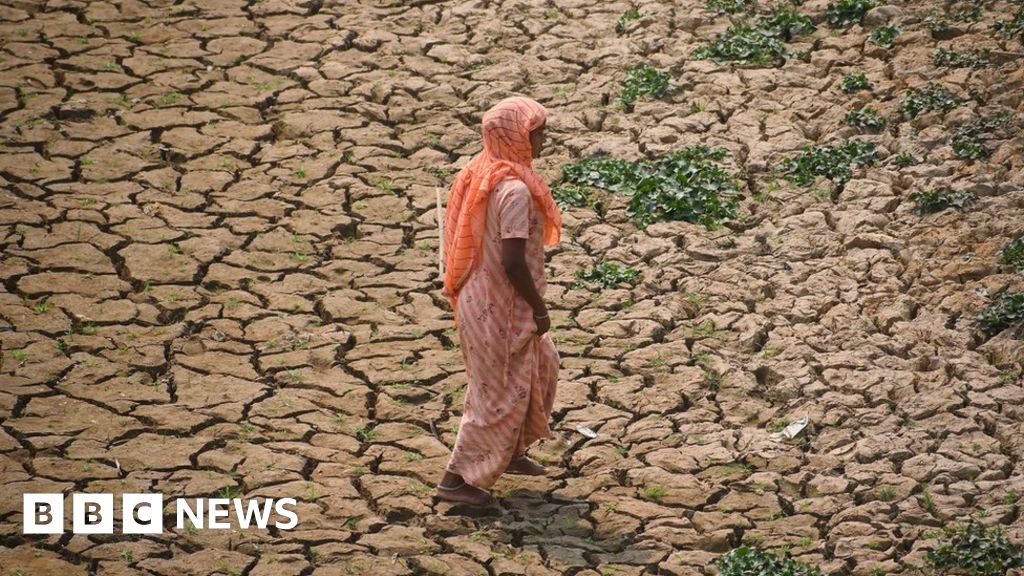
Climate change also alters the way El Niño impacts Australia. We are seeing a trend where the atmosphere is thirstier; even if rainfall is only slightly below average, the increased heat causes more rapid evaporation, leading to "flash droughts." Australian scientists would rather discuss these changing dynamics—the interaction between ENSO and a warming climate—than debate whether an event deserves a cape and a "Super" moniker.
Is the 2023-2024 Event Actually 'Super'?
Looking at recent data, the 2023-2024 El Niño certainly saw significant ocean warming. In terms of pure water temperature, it ranked among the strongest on record. However, the atmospheric response was "decoupled" for several months. Usually, for a "Super" event to function, the ocean and the atmosphere must hold hands (the Bjerknes feedback). In this recent case, the atmosphere didn't always play along, leading to surprisingly wet periods in parts of Eastern Australia despite the El Niño. This perfectly illustrates why scientists hate the label: the "Super" ocean didn't produce a "Super" drought, confusing the public and making the "experts" look wrong when they were actually just dealing with a complex, non-linear system.
Conclusion: Focusing on Resilience, Not Adjectives
The phrase "Super El Niño" is likely here to stay, fueled by the digital age’s hunger for clicks and shareable headlines. But for those living on the front lines of Australian weather—farmers, firefighters, and water managers—the focus should remain on the data provided by official agencies like the Bureau of Meteorology rather than the superlatives found in the morning news.
Australian climate scientists don't roll their eyes because they want to be contrarian; they do it because they respect the complexity of our planet's systems. They know that a "Super" label doesn't tell you if your dam will run dry or if a bushfire will threaten your town. By moving away from sensationalism and toward an understanding of the multiple drivers—the IOD, the SAM, and the overarching influence of climate change—we can better prepare for the reality of Australia’s volatile climate, regardless of the prefixes used to describe it.
Frequently Asked Questions (FAQ)
What is the difference between El Niño and 'Super El Niño'?
El Niño is a formal climate pattern defined by sea surface temperatures in the Pacific being at least 0.5°C above average. 'Super El Niño' is an informal term used by the media when those temperatures exceed 2.0°C or 2.5°C. It is not an official scientific term.
Does a 'Super El Niño' always cause drought in Australia?
No. While it increases the probability of dry and hot conditions, other factors like the Indian Ocean Dipole (IOD) and Southern Annular Mode (SAM) can cancel out or enhance the effects. Historically, some "Super" events have resulted in near-average rainfall in certain parts of Australia.
Why are Australian scientists skeptical of the term?
Scientists prefer precision. The term "Super" oversimplifies a complex system, ignores regional variations, and can lead to public "alarmism" followed by "fatigue" if the predicted catastrophic impacts don't materialize exactly as imagined.
How often do these strong events occur?
Strong El Niño events typically occur once every 10 to 15 years, with notable examples in 1982-83, 1997-98, and 2015-16. However, the frequency and intensity may be changing due to global ocean warming.
Disclaimer: This article is for informational purposes and reflects current meteorological discussions. For specific weather warnings and agricultural advice, always consult the official Australian Bureau of Meteorology (BOM) website.
Why the phrase ‘Super El Niño’ makes Australian climate scientists roll their eyes
Why the phrase ‘Super El Niño’ makes Australian climate scientists roll their eyes Wallpapers
Collection of why the phrase ‘super el niño’ makes australian climate scientists roll their eyes wallpapers for your desktop and mobile devices.

High-Quality Why The Phrase ‘super El Niño’ Makes Australian Climate Scientists Roll Their Eyes Wallpaper for Mobile
Discover an amazing why the phrase ‘super el niño’ makes australian climate scientists roll their eyes background image, ideal for personalizing your devices with vibrant colors and intricate designs.
Captivating Why The Phrase ‘super El Niño’ Makes Australian Climate Scientists Roll Their Eyes Capture for Mobile
A captivating why the phrase ‘super el niño’ makes australian climate scientists roll their eyes scene that brings tranquility and beauty to any device.
Exquisite Why The Phrase ‘super El Niño’ Makes Australian Climate Scientists Roll Their Eyes Abstract Collection
Find inspiration with this unique why the phrase ‘super el niño’ makes australian climate scientists roll their eyes illustration, crafted to provide a fresh look for your background.

Serene Why The Phrase ‘super El Niño’ Makes Australian Climate Scientists Roll Their Eyes Scene Collection
Experience the crisp clarity of this stunning why the phrase ‘super el niño’ makes australian climate scientists roll their eyes image, available in high resolution for all your screens.
Crisp Why The Phrase ‘super El Niño’ Makes Australian Climate Scientists Roll Their Eyes Image Photography
Find inspiration with this unique why the phrase ‘super el niño’ makes australian climate scientists roll their eyes illustration, crafted to provide a fresh look for your background.

Crisp Why The Phrase ‘super El Niño’ Makes Australian Climate Scientists Roll Their Eyes Design in HD
Immerse yourself in the stunning details of this beautiful why the phrase ‘super el niño’ makes australian climate scientists roll their eyes wallpaper, designed for a captivating visual experience.
Spectacular Why The Phrase ‘super El Niño’ Makes Australian Climate Scientists Roll Their Eyes View Digital Art
Find inspiration with this unique why the phrase ‘super el niño’ makes australian climate scientists roll their eyes illustration, crafted to provide a fresh look for your background.

Vivid Why The Phrase ‘super El Niño’ Makes Australian Climate Scientists Roll Their Eyes View Collection
Discover an amazing why the phrase ‘super el niño’ makes australian climate scientists roll their eyes background image, ideal for personalizing your devices with vibrant colors and intricate designs.
Spectacular Why The Phrase ‘super El Niño’ Makes Australian Climate Scientists Roll Their Eyes Moment Concept
A captivating why the phrase ‘super el niño’ makes australian climate scientists roll their eyes scene that brings tranquility and beauty to any device.
Vivid Why The Phrase ‘super El Niño’ Makes Australian Climate Scientists Roll Their Eyes Scene in 4K
Transform your screen with this vivid why the phrase ‘super el niño’ makes australian climate scientists roll their eyes artwork, a true masterpiece of digital design.
Captivating Why The Phrase ‘super El Niño’ Makes Australian Climate Scientists Roll Their Eyes Background Collection
Immerse yourself in the stunning details of this beautiful why the phrase ‘super el niño’ makes australian climate scientists roll their eyes wallpaper, designed for a captivating visual experience.
Serene Why The Phrase ‘super El Niño’ Makes Australian Climate Scientists Roll Their Eyes Capture Photography
Discover an amazing why the phrase ‘super el niño’ makes australian climate scientists roll their eyes background image, ideal for personalizing your devices with vibrant colors and intricate designs.
Vivid Why The Phrase ‘super El Niño’ Makes Australian Climate Scientists Roll Their Eyes Wallpaper Collection
Explore this high-quality why the phrase ‘super el niño’ makes australian climate scientists roll their eyes image, perfect for enhancing your desktop or mobile wallpaper.
Vibrant Why The Phrase ‘super El Niño’ Makes Australian Climate Scientists Roll Their Eyes Photo Concept
Experience the crisp clarity of this stunning why the phrase ‘super el niño’ makes australian climate scientists roll their eyes image, available in high resolution for all your screens.

Dynamic Why The Phrase ‘super El Niño’ Makes Australian Climate Scientists Roll Their Eyes Abstract Concept
Immerse yourself in the stunning details of this beautiful why the phrase ‘super el niño’ makes australian climate scientists roll their eyes wallpaper, designed for a captivating visual experience.
Lush Why The Phrase ‘super El Niño’ Makes Australian Climate Scientists Roll Their Eyes Design Art
Find inspiration with this unique why the phrase ‘super el niño’ makes australian climate scientists roll their eyes illustration, crafted to provide a fresh look for your background.

Vivid Why The Phrase ‘super El Niño’ Makes Australian Climate Scientists Roll Their Eyes Abstract for Your Screen
Transform your screen with this vivid why the phrase ‘super el niño’ makes australian climate scientists roll their eyes artwork, a true masterpiece of digital design.

Crisp Why The Phrase ‘super El Niño’ Makes Australian Climate Scientists Roll Their Eyes Background Nature
A captivating why the phrase ‘super el niño’ makes australian climate scientists roll their eyes scene that brings tranquility and beauty to any device.
Gorgeous Why The Phrase ‘super El Niño’ Makes Australian Climate Scientists Roll Their Eyes Design Digital Art
Find inspiration with this unique why the phrase ‘super el niño’ makes australian climate scientists roll their eyes illustration, crafted to provide a fresh look for your background.
Gorgeous Why The Phrase ‘super El Niño’ Makes Australian Climate Scientists Roll Their Eyes Moment Digital Art
Find inspiration with this unique why the phrase ‘super el niño’ makes australian climate scientists roll their eyes illustration, crafted to provide a fresh look for your background.
Download these why the phrase ‘super el niño’ makes australian climate scientists roll their eyes wallpapers for free and use them on your desktop or mobile devices.