Fewer WoF Inspections: What Govt Changes Mean for You and Your Car
Fewer WoF Inspections: What Govt Changes Mean for You and Your Car
The landscape of vehicle ownership in New Zealand is undergoing a significant shift. Recent government announcements regarding the frequency of Warrant of Fitness (WoF) inspections have sparked a nationwide conversation among motorists, mechanics, and road safety advocates. As the cost of living continues to exert pressure on household budgets, the move to reduce the frequency of mandatory vehicle inspections is being presented as a pragmatic solution to save time and money. However, this change brings with it a complex set of implications for road safety, vehicle longevity, and the responsibilities of every car owner.
For decades, the WoF has been a cornerstone of the New Zealand transport system, ensuring that vehicles on our roads meet minimum safety standards. Historically, these checks were required every six months for older vehicles and annually for newer ones. The latest regulatory adjustments aim to modernize this framework, reflecting the improved reliability and safety features of the modern automotive fleet. But what does this mean for the average driver? Is it purely a financial win, or are there hidden risks lurking beneath the surface? In this comprehensive guide, we explore everything you need to know about the new WoF inspection intervals and how to keep your vehicle safe in this changing regulatory environment.
Understanding the Shift: Why the Government is Changing WoF Intervals
The primary driver behind the government’s decision to decrease the frequency of WoF inspections is economic efficiency. By extending the time between mandatory checks, the government aims to reduce the administrative and financial burden on Kiwi motorists. Modern vehicles are built to much higher standards than those of twenty or thirty years ago. With the advent of advanced braking systems (ABS), electronic stability control (ESC), and more durable components, the argument is that many vehicles do not require a professional safety check as frequently as they once did.
Furthermore, the move is designed to alleviate the pressure on the automotive service industry. During peak periods, booking a WoF can be a challenge, with many garages operating at full capacity. By spreading these inspections out over a longer duration, the government hopes to streamline the process for both consumers and service providers. However, this policy shift isn't just about convenience; it’s a calculated risk based on data regarding vehicle failure rates and the types of mechanical issues that typically lead to accidents on New Zealand roads.
The Historical Context of WoF Regulations
To understand where we are going, we must look at where we have been. Prior to 2014, any vehicle registered before January 1, 2000, required a WoF every six months. In 2014, the rules were relaxed, moving most vehicles to a 12-month cycle. The current proposed changes seek to push this even further, potentially moving newer vehicles to a two-year cycle. This evolution reflects a global trend where governments are trusting in the technological advancements of the automotive industry to maintain safety standards without constant manual intervention.
Who is Affected? Key Changes to Eligibility and Intervals
The new regulations do not apply a "one size fits all" approach. Instead, they are tiered based on the age of the vehicle. This is a critical distinction, as older vehicles—which are statistically more likely to develop mechanical faults—will still require more frequent monitoring than brand-new cars fresh off the showroom floor.
Under the new framework, the eligibility criteria focus on the vehicle's first registration date. Newer cars, typically those less than six or eight years old, stand to benefit the most from extended intervals. For these owners, the requirement might shift from an annual check to a biennial check. Conversely, for the aging portion of the New Zealand fleet—many of which are imported used vehicles—the changes may be less drastic to ensure that rust, suspension wear, and lighting issues are still caught before they become hazards.
| Feature/Aspect | Description of Change/Impact |
|---|---|
| Inspection Frequency | Moving from 12-month cycles to potentially 24-month cycles for eligible newer vehicles. |
| Target Demographic | Primarily benefits owners of modern vehicles (post-2018-2020 models). |
| Cost Savings | Estimated savings of $50–$100 per year on inspection fees alone, excluding potential repairs. |
| Safety Oversight | Greater responsibility placed on owners to conduct self-checks on tyres, lights, and wipers. |
| Compliance Focus | Increased emphasis on roadside enforcement and police checks for visible defects. |
The Financial Impact: Savings vs. Long-term Costs
On the surface, fewer WoF inspections mean more money in your pocket. With the average cost of a WoF ranging between $50 and $75, skipping an inspection every other year provides a small but welcome relief. However, financial experts and mechanics warn that this might be a case of "penny wise, pound foolish."
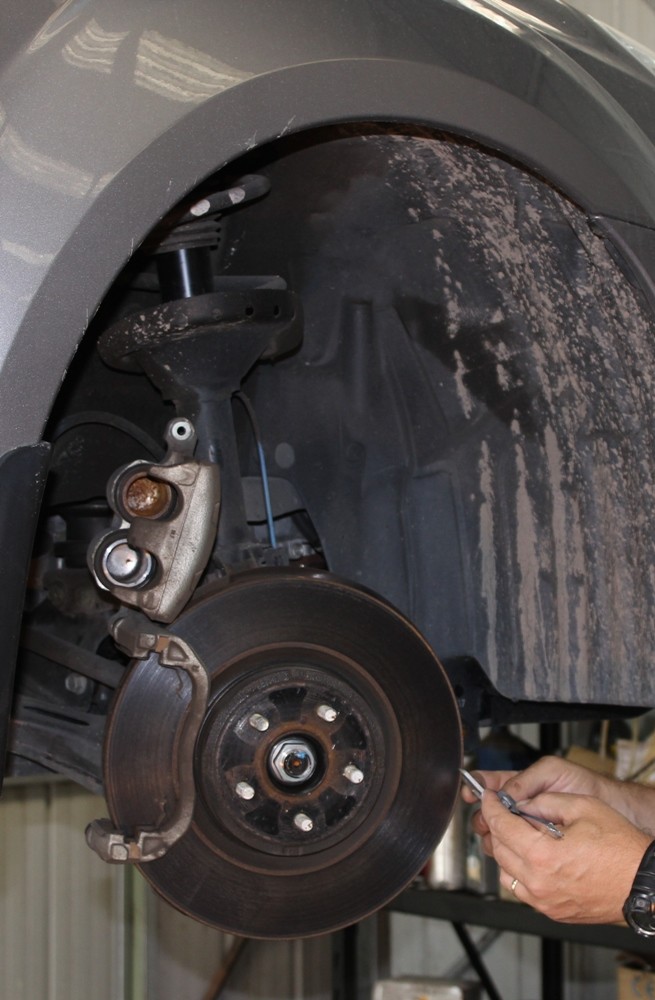
A Warrant of Fitness is not just a regulatory hurdle; it is often the only time a professional mechanic looks under your car. During a WoF, issues such as uneven tyre wear, leaking shock absorbers, or fraying brake hoses are identified. When these issues are caught early, the repair costs are usually manageable. By extending the inspection interval to two years, a minor leak can turn into a major engine failure, or a slightly worn tyre can become a dangerous blowout. Therefore, while you save on the inspection fee, you may inadvertently be inviting much larger repair bills down the road.
Insurance Implications
Another financial aspect to consider is your car insurance. Most insurance policies in New Zealand require the vehicle to have a valid WoF to remain fully covered. If you forget your new, extended deadline or if your vehicle is deemed "unroadworthy" at the time of an accident—even if it is technically within its WoF period—your claim could be disputed. It is vital to check with your insurance provider how these government changes affect your specific policy wording.
The Safety Debate: Is New Zealand’s Road Toll at Risk?
Safety advocates, including organizations like Brake and the Motor Trade Association (MTA), have expressed concerns about the reduction in inspection frequency. The core of their argument is that New Zealand has a relatively old vehicle fleet compared to other OECD nations. Older cars lack the sophisticated self-diagnostic tools that modern cars possess, making manual inspections vital.
Tyres are perhaps the biggest concern. A car can travel significant distances in two years, and tyre tread can easily drop below the legal limit of 1.5mm within that timeframe. Without the "enforced" check of a WoF, many drivers may continue to drive on bald tyres, significantly increasing stopping distances in the rain and the risk of aquaplaning. The government counters this by stating that the onus of safety has always been on the driver, and that a WoF is merely a "point in time" check that does not guarantee safety for the following year anyway.
Proactive Maintenance: Keeping Your Car Safe Between Checks
With fewer professional eyes on your vehicle, the responsibility of maintenance shifts squarely onto your shoulders. To ensure your car remains safe and reliable during the extended intervals, you should adopt a proactive maintenance routine. This doesn't require mechanical expertise, but it does require diligence.
- The "TWIRL" Check: Use the NZTA-recommended TWIRL check regularly. Tyres (check tread and pressure), Wipers (ensure they clear the screen), Indicators (check all bulbs), Rust (look for structural damage), and Lights (check headlights and brake lights).
- Monitor Fluid Levels: Check your oil, coolant, and brake fluid once a month. Low fluids are often the first sign of a developing mechanical issue.
- Listen to Your Car: New squeaks, rattles, or vibrations are usually indicators that something is wearing out. Don't wait for your next WoF to get these checked by a mechanic.
- Regular Servicing: A WoF is not a service. Even if you don't need a WoF, you should still take your car in for an oil and filter change and a general health check every 10,000 to 15,000 kilometers.
Conclusion
The government's decision to reduce WoF inspection frequency marks a new era of personal responsibility for New Zealand motorists. While the changes offer a reprieve from the costs and administrative "red tape" of annual inspections, they do not absolve owners of the duty to keep their vehicles roadworthy. The savings in inspection fees are a benefit, but they should be reinvested into regular maintenance and high-quality tyres to ensure long-term safety.
As we move forward with these changes, the success of the policy will depend on the behavior of the driving public. If Kiwi motorists remain vigilant and treat their vehicles with care, the transition could be a successful modernization of our transport system. However, if vehicle maintenance is neglected in the absence of a mandatory check, the hidden costs—both financial and in terms of road safety—could be high. Stay informed, stay proactive, and remember: a Warrant of Fitness is the minimum standard, not the gold standard, for your vehicle’s health.
Frequently Asked Questions (FAQ)
1. Does the change apply to all vehicles immediately?
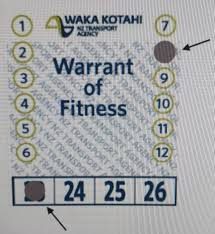
No. The changes are being rolled out in phases and primarily target newer passenger vehicles. Older vehicles and commercial vehicles (which may require a Certificate of Fitness or CoF) are subject to different regulations. Always check your current WoF sticker for your specific expiry date.
2. Will this change make my car insurance more expensive?
While the change itself shouldn't directly increase premiums, insurance companies may become stricter about "roadworthiness" clauses. If you have an accident and your tyres are found to be below the legal limit—even if your WoF is current—your insurance could be affected.
3. Can I still get a WoF every year if I want to?
Absolutely. The government regulation sets the maximum time allowed between inspections. If you prefer the peace of mind that comes with a professional annual check, you can voluntarily take your vehicle to an inspection agent at any time.
4. What happens if I am caught driving an unsafe car during the extended period?
Regardless of your WoF status, it is a legal requirement to operate a safe vehicle. Police have the authority to issue fines or "pink sticker" a vehicle (order it off the road) if they find safety defects like bald tyres or broken lights during a roadside stop.
Fewer WoF inspections: What Govt changes mean for you and your car
Fewer WoF inspections: What Govt changes mean for you and your car Wallpapers
Collection of fewer wof inspections: what govt changes mean for you and your car wallpapers for your desktop and mobile devices.
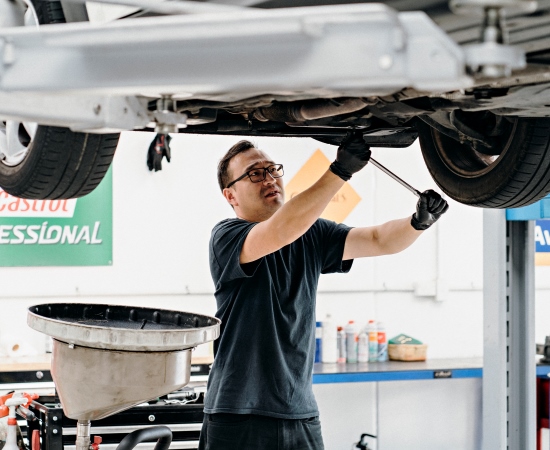
Serene Fewer Wof Inspections: What Govt Changes Mean For You And Your Car Landscape Concept
Explore this high-quality fewer wof inspections: what govt changes mean for you and your car image, perfect for enhancing your desktop or mobile wallpaper.

Artistic Fewer Wof Inspections: What Govt Changes Mean For You And Your Car Abstract for Your Screen
A captivating fewer wof inspections: what govt changes mean for you and your car scene that brings tranquility and beauty to any device.

Beautiful Fewer Wof Inspections: What Govt Changes Mean For You And Your Car Moment Photography
Transform your screen with this vivid fewer wof inspections: what govt changes mean for you and your car artwork, a true masterpiece of digital design.
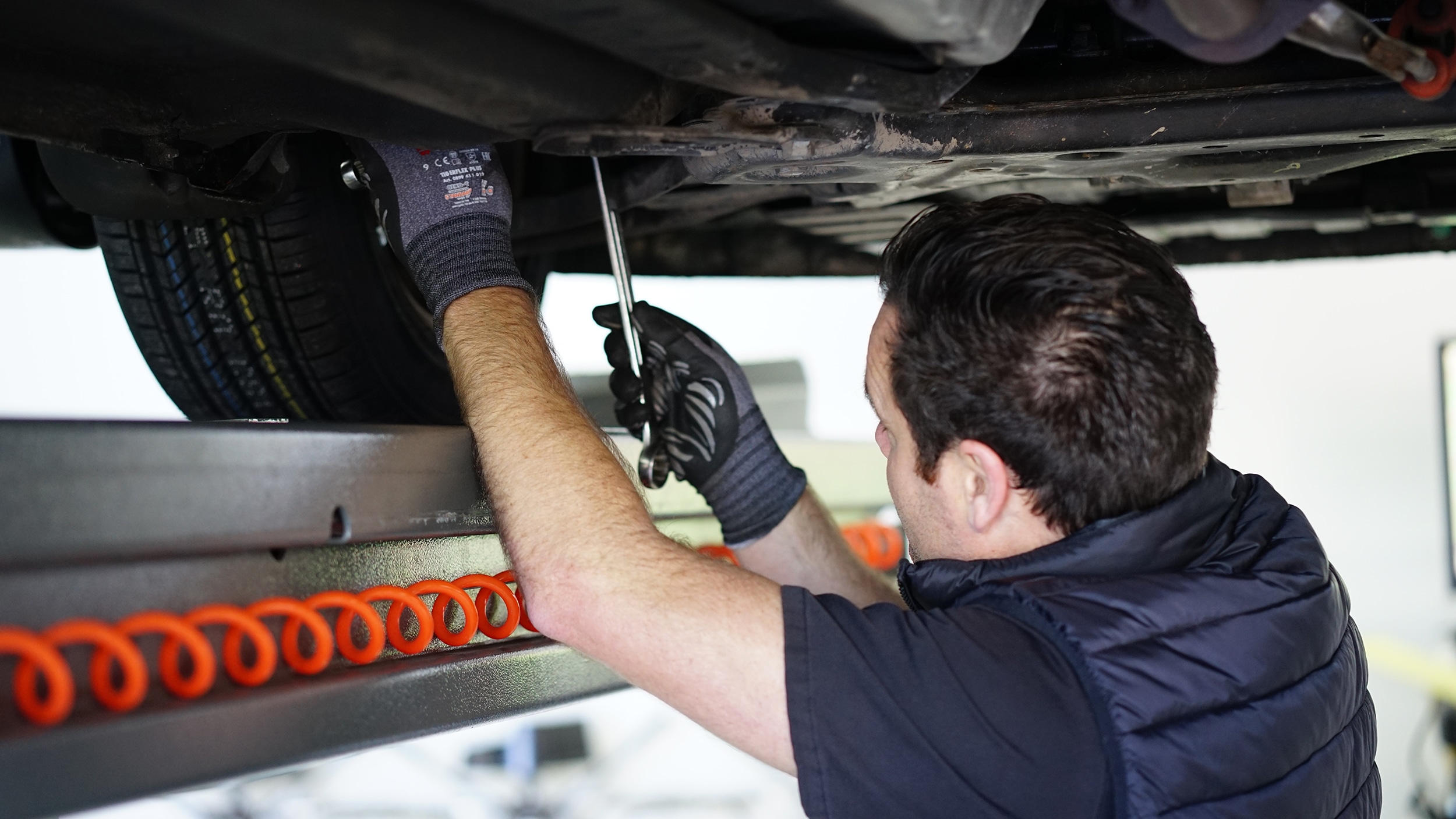
Detailed Fewer Wof Inspections: What Govt Changes Mean For You And Your Car Capture Nature
Explore this high-quality fewer wof inspections: what govt changes mean for you and your car image, perfect for enhancing your desktop or mobile wallpaper.

Gorgeous Fewer Wof Inspections: What Govt Changes Mean For You And Your Car Background in HD
Find inspiration with this unique fewer wof inspections: what govt changes mean for you and your car illustration, crafted to provide a fresh look for your background.

Amazing Fewer Wof Inspections: What Govt Changes Mean For You And Your Car Photo Art
Explore this high-quality fewer wof inspections: what govt changes mean for you and your car image, perfect for enhancing your desktop or mobile wallpaper.

Stunning Fewer Wof Inspections: What Govt Changes Mean For You And Your Car Wallpaper for Desktop
Find inspiration with this unique fewer wof inspections: what govt changes mean for you and your car illustration, crafted to provide a fresh look for your background.

Detailed Fewer Wof Inspections: What Govt Changes Mean For You And Your Car Wallpaper Art
Transform your screen with this vivid fewer wof inspections: what govt changes mean for you and your car artwork, a true masterpiece of digital design.
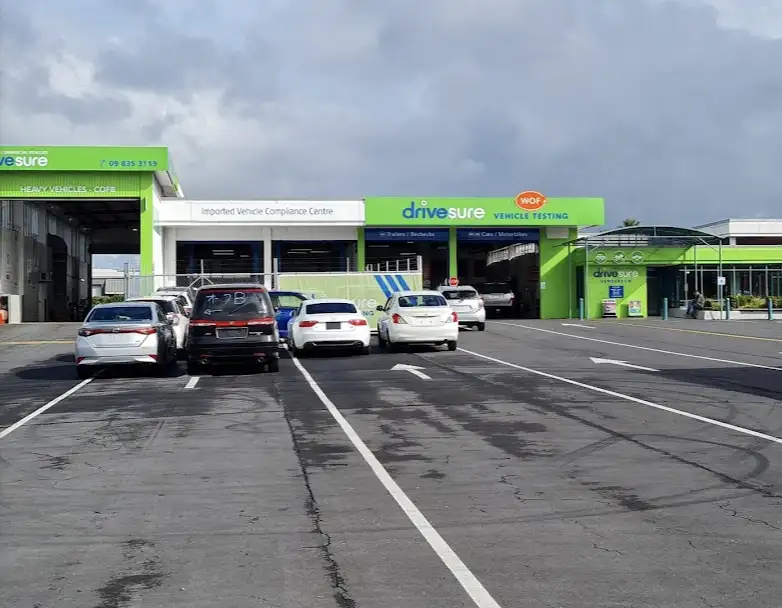
Crisp Fewer Wof Inspections: What Govt Changes Mean For You And Your Car View for Mobile
This gorgeous fewer wof inspections: what govt changes mean for you and your car photo offers a breathtaking view, making it a perfect choice for your next wallpaper.
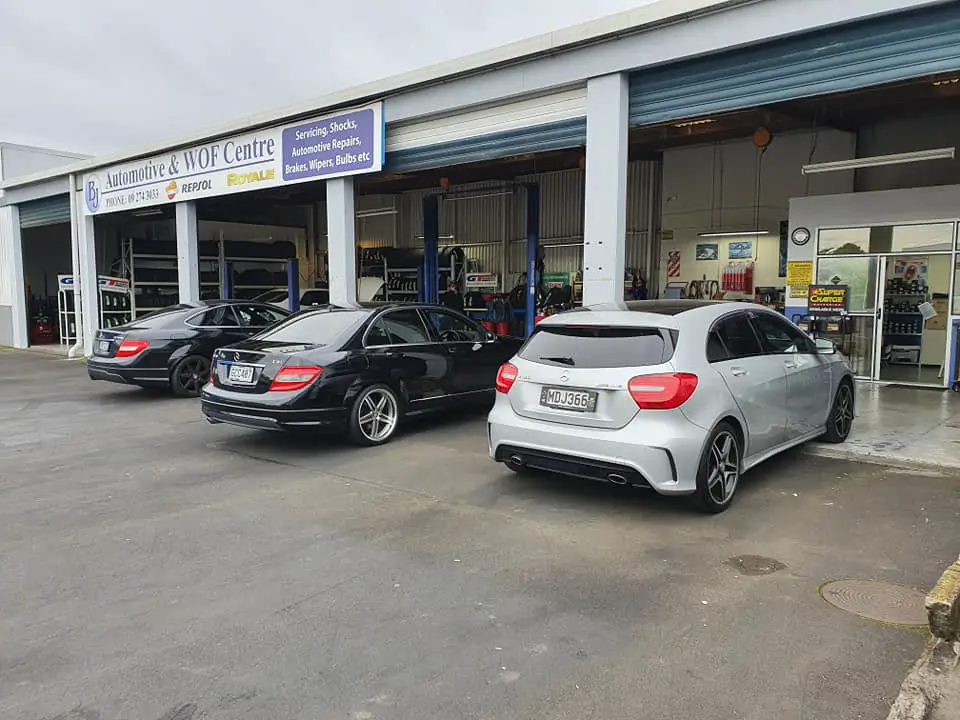
Stunning Fewer Wof Inspections: What Govt Changes Mean For You And Your Car Abstract Concept
Find inspiration with this unique fewer wof inspections: what govt changes mean for you and your car illustration, crafted to provide a fresh look for your background.

Exquisite Fewer Wof Inspections: What Govt Changes Mean For You And Your Car Capture Concept
A captivating fewer wof inspections: what govt changes mean for you and your car scene that brings tranquility and beauty to any device.

Spectacular Fewer Wof Inspections: What Govt Changes Mean For You And Your Car Design for Mobile
Find inspiration with this unique fewer wof inspections: what govt changes mean for you and your car illustration, crafted to provide a fresh look for your background.

Vibrant Fewer Wof Inspections: What Govt Changes Mean For You And Your Car Background Concept
Transform your screen with this vivid fewer wof inspections: what govt changes mean for you and your car artwork, a true masterpiece of digital design.

Crisp Fewer Wof Inspections: What Govt Changes Mean For You And Your Car Design Concept
A captivating fewer wof inspections: what govt changes mean for you and your car scene that brings tranquility and beauty to any device.
Vivid Fewer Wof Inspections: What Govt Changes Mean For You And Your Car Capture Art
Experience the crisp clarity of this stunning fewer wof inspections: what govt changes mean for you and your car image, available in high resolution for all your screens.
Mesmerizing Fewer Wof Inspections: What Govt Changes Mean For You And Your Car Wallpaper Concept
Experience the crisp clarity of this stunning fewer wof inspections: what govt changes mean for you and your car image, available in high resolution for all your screens.

Captivating Fewer Wof Inspections: What Govt Changes Mean For You And Your Car Design Digital Art
A captivating fewer wof inspections: what govt changes mean for you and your car scene that brings tranquility and beauty to any device.

Artistic Fewer Wof Inspections: What Govt Changes Mean For You And Your Car View for Your Screen
Immerse yourself in the stunning details of this beautiful fewer wof inspections: what govt changes mean for you and your car wallpaper, designed for a captivating visual experience.
Gorgeous Fewer Wof Inspections: What Govt Changes Mean For You And Your Car Scene Concept
This gorgeous fewer wof inspections: what govt changes mean for you and your car photo offers a breathtaking view, making it a perfect choice for your next wallpaper.

High-Quality Fewer Wof Inspections: What Govt Changes Mean For You And Your Car Image Concept
Explore this high-quality fewer wof inspections: what govt changes mean for you and your car image, perfect for enhancing your desktop or mobile wallpaper.
Download these fewer wof inspections: what govt changes mean for you and your car wallpapers for free and use them on your desktop or mobile devices.