Why do Earth's colors appear muted in new photos from Artemis II?
Why do Earth's colors appear muted in new photos from Artemis II?
As humanity prepares to return to the lunar vicinity with the Artemis II mission, the first wave of test imagery and optical data has sparked a fascinating debate among space enthusiasts and scientists alike. One question stands out: Why do Earth's colors appear muted in new photos from Artemis II? While we have grown accustomed to the vibrant, high-saturation "Blue Marble" images from low-Earth orbit satellites, the perspective from the Orion spacecraft offers a starkly different visual reality. This phenomenon is not a flaw in the technology; rather, it is a complex intersection of physics, digital sensor engineering, and the unforgiving lighting conditions of deep space. In this article, we will explore the technical reasons behind these "flat" appearances and why they represent the most accurate view of our planet ever captured from a distance.
The Physics of Deep Space Lighting and Albedo
The primary reason the Earth might look less "vivid" in Artemis II imagery compared to photos from the International Space Station (ISS) is the distance and the nature of the Earth's albedo. Albedo is the measure of reflectivity of a planetary surface. Earth reflects a significant amount of sunlight, but when viewed from hundreds of thousands of miles away, the intensity of that light must compete with the absolute darkness of the vacuum of space.
In low-Earth orbit (LEO), cameras are essentially looking through a much thinner slice of the vacuum, and the proximity allows for the capture of localized color variations. However, as the Orion capsule moves toward the Moon, the Earth becomes a single point of light source. To prevent the bright clouds and ice caps from "blowing out" (becoming pure white blobs with no detail), the cameras must be set to a lower exposure. This preservation of highlights naturally results in the darker, more "muted" appearance of the oceans and landmasses. The goal for Artemis II is scientific accuracy and navigational data, not just aesthetic appeal.
Advanced Camera Sensors vs. Human Perception
The Orion spacecraft is equipped with state-of-the-art optical sensors designed to withstand the harsh radiation of the Van Allen belts. These are not your standard DSLR cameras. They utilize high-dynamic-range (HDR) capabilities that capture a massive spectrum of light intensity. However, raw HDR data often looks "flat" or "grayish" to the human eye before it is processed.
When NASA releases these images, they are often "linear" files. In photography, a linear profile means the camera has not applied any "S-curve" or saturation boost to the image. This is done to ensure that researchers can see the fine details in the transitions between the atmosphere and the vacuum. If NASA were to crank up the saturation to make the Earth look like a vibrant blue jewel, they would lose critical data regarding cloud density and atmospheric layering—data that is vital for the safety of the Artemis II crew during re-entry preparations.
The Comparison to Apollo-Era Film
Many people ask, "Why do the Apollo photos look so much more colorful?" The answer lies in the medium. The Apollo missions used Hasselblad cameras loaded with Ektachrome film. Film has a natural chemical response that tends to saturate certain hues, particularly blues and whites, giving the Earth that iconic "glow." Furthermore, those photos were often heavily color-corrected for print magazines like National Geographic.
Artemis II uses digital CMOS sensors. Digital sensors record light as a series of values. Because the mission operates in a high-radiation environment, the sensors are optimized for "signal-to-noise ratio" rather than "pleasing skin tones" or "vibrant oceans." The "muted" look is actually a sign of a more sophisticated sensor that is capturing more usable data across a wider range of light levels than the film of the 1960s ever could.
| Fitur/Aspek | Deskripsi |
|---|---|
| Sensor Type | Radiation-hardened CMOS sensors optimized for high dynamic range. |
| Color Profile | Linear/Raw data formats to preserve scientific details. |
| Atmospheric Scattering | Light scattering at great distances reduces perceived color saturation. |
| Exposure Strategy | Lower exposure to prevent highlight clipping on clouds and ice. |
| Distance Factor | Observed from 200,000+ miles, reducing localized color contrast. |
The Role of Rayleigh Scattering and the Atmosphere
Another factor in the question of why do Earth's colors appear muted in new photos from Artemis II is Rayleigh scattering. This is the same phenomenon that makes the sky blue on Earth. When we look at Earth from space, we are looking through the entire thickness of the atmosphere twice (the sunlight going in and the reflected light coming out).
From the distance of a lunar trajectory, the haze of the atmosphere becomes more apparent across the entire disk of the planet. This atmospheric "veil" acts like a soft-focus filter, slightly desaturating the deep blues of the Pacific and the rich greens of the Amazon. In LEO, you are looking straight down through a small patch of air. From Artemis II, you are looking at the limb of the planet where the light travels through a much thicker path of air, further muting the colors through increased scattering.
Engineering Goals: Why Data Beats Aesthetics
It is important to remember that the Artemis II mission is a flight test. Every image captured by the Orion's external cameras serves a purpose. These cameras are used to monitor the health of the spacecraft's exterior, the deployment of solar arrays, and the precision of the orbital path. For engineers, a "muted" image that clearly shows the texture of a cloud bank is far more valuable than a "pretty" image where the clouds are a featureless white glare.
Furthermore, the cameras on Orion are calibrated to match "absolute" light values. In the void of space, there is no ambient light to fill in the shadows. The contrast is extreme. To capture the spacecraft and the Earth in the same frame, the camera must make a compromise. Often, this leads to the Earth appearing slightly darker and less saturated so that the details on the white hull of the Orion capsule remain visible.
The Psychological Expectation of Space Imagery
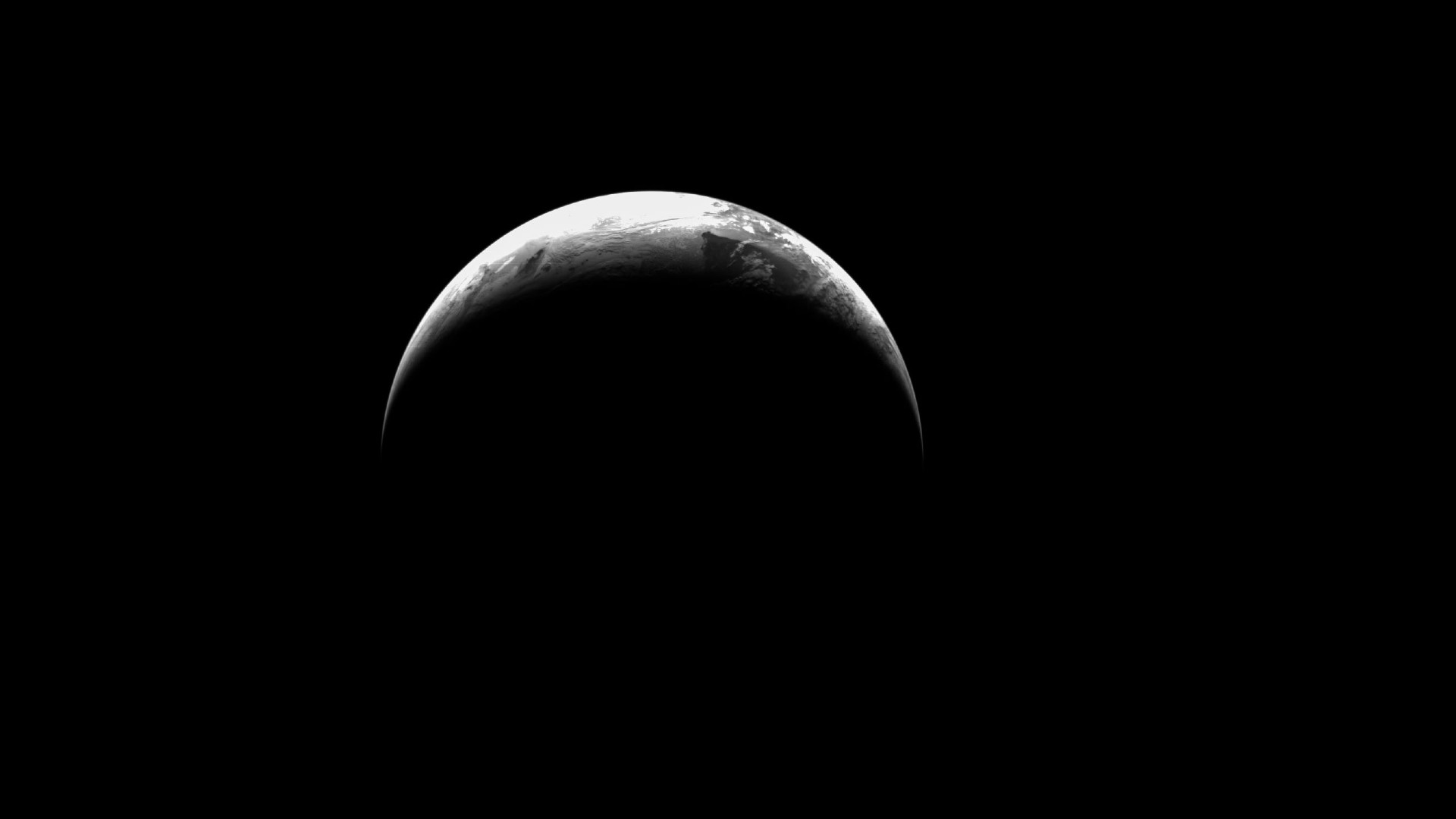
Modern audiences have been conditioned by decades of Hollywood movies and retouched satellite imagery. Tools like Google Earth use composite images where the atmosphere is digitally removed to provide a clear view of the ground. When we see a "real" photo from deep space, it doesn't match our "CGI-enhanced" expectations. The Artemis II photos are a "reality check" for our visual perception of the cosmos. They show Earth as it truly appears from the lonely distance of the translunar injection—a fragile, softly colored marble suspended in an infinite ink-black sea.
FAQ Section
1. Are the Artemis II photos fake because the colors look different?
No, quite the opposite. The muted colors are a hallmark of authentic, unprocessed digital data from space. "Fake" or "enhanced" photos usually have artificially high contrast and saturation to look more appealing to the public.
2. Why don't we see stars in the background of these Earth photos?
This is due to exposure settings. The Earth is incredibly bright because it reflects direct sunlight. To capture the Earth without it being a glowing white orb, the camera's shutter must be very fast. Stars are relatively faint and require long exposure times to appear. If the camera was set to see stars, the Earth would be completely overexposed and featureless.
3. Will NASA release "prettier" versions of these photos?
Yes. Typically, NASA's public affairs office will process raw images for the general public, applying color correction and contrast adjustments to make them look more "natural" to human eyes. However, the scientific community prefers the raw, muted versions for analysis.
4. Does radiation affect the color of the photos?
While radiation can cause "noise" (bright pixels or graininess) in digital sensors, the muted colors are primarily a result of exposure and sensor calibration, not radiation damage. The Orion cameras are specifically shielded to prevent color degradation during the mission.
Conclusion
The question of why do Earth's colors appear muted in new photos from Artemis II reveals the fascinating gap between our expectations and the reality of deep-space exploration. Through a combination of high-dynamic-range sensor technology, the physics of atmospheric scattering, and the necessity of preserving scientific data, the Earth we see from Orion is a more honest, if less vibrant, representation of our home. As the Artemis program continues, these images serve as a vital reminder of the technical challenges of space travel and the sophisticated engineering required to document our journey back to the Moon. While they may lack the "pop" of a social media filter, their muted tones carry the weight of truth, capturing the Earth exactly as it is: a pale blue dot in the vastness of the dark.
Why do Earth's colors appear muted in new photos from Artemis II?
Why do Earth's colors appear muted in new photos from Artemis II? Wallpapers
Collection of why do earth's colors appear muted in new photos from artemis ii? wallpapers for your desktop and mobile devices.

Exquisite Why Do Earth's Colors Appear Muted In New Photos From Artemis Ii? Background in 4K
This gorgeous why do earth's colors appear muted in new photos from artemis ii? photo offers a breathtaking view, making it a perfect choice for your next wallpaper.

Spectacular Why Do Earth's Colors Appear Muted In New Photos From Artemis Ii? Image Concept
This gorgeous why do earth's colors appear muted in new photos from artemis ii? photo offers a breathtaking view, making it a perfect choice for your next wallpaper.

Exquisite Why Do Earth's Colors Appear Muted In New Photos From Artemis Ii? View for Mobile
Find inspiration with this unique why do earth's colors appear muted in new photos from artemis ii? illustration, crafted to provide a fresh look for your background.

Stunning Why Do Earth's Colors Appear Muted In New Photos From Artemis Ii? Capture Photography
Immerse yourself in the stunning details of this beautiful why do earth's colors appear muted in new photos from artemis ii? wallpaper, designed for a captivating visual experience.
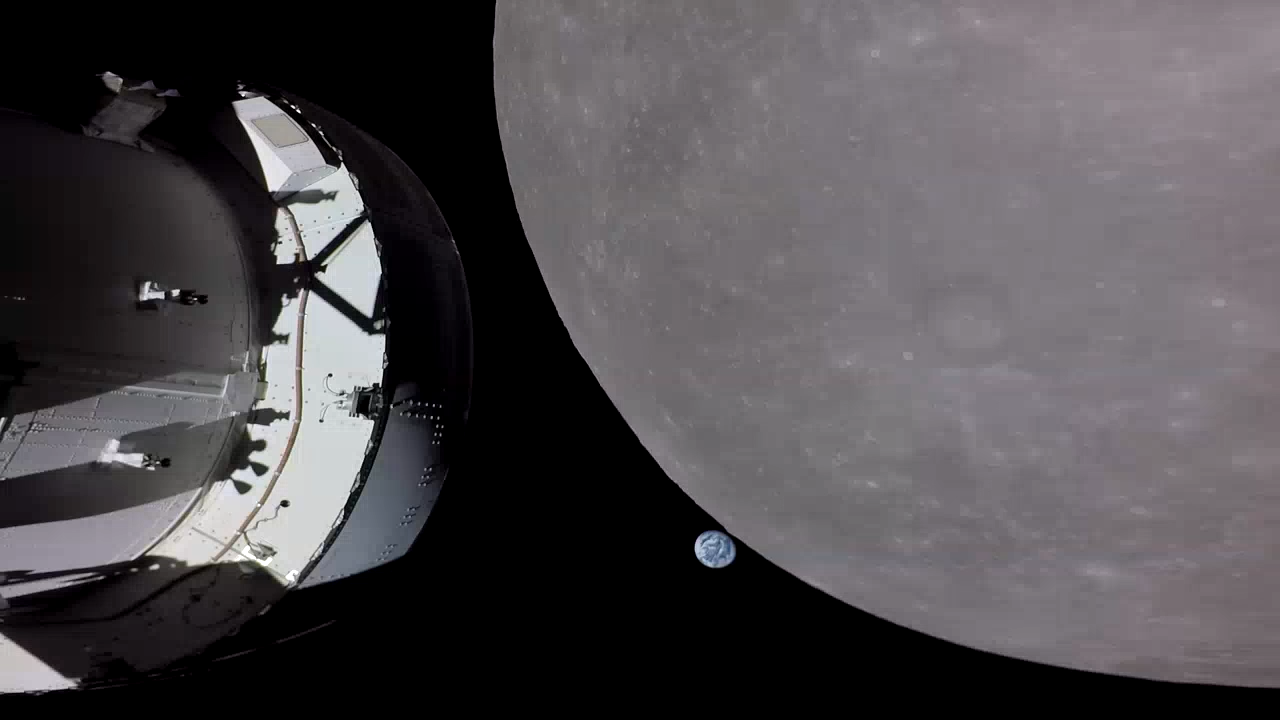
Beautiful Why Do Earth's Colors Appear Muted In New Photos From Artemis Ii? Background for Desktop
Experience the crisp clarity of this stunning why do earth's colors appear muted in new photos from artemis ii? image, available in high resolution for all your screens.

Crisp Why Do Earth's Colors Appear Muted In New Photos From Artemis Ii? View Digital Art
This gorgeous why do earth's colors appear muted in new photos from artemis ii? photo offers a breathtaking view, making it a perfect choice for your next wallpaper.

Stunning Why Do Earth's Colors Appear Muted In New Photos From Artemis Ii? Moment Nature
This gorgeous why do earth's colors appear muted in new photos from artemis ii? photo offers a breathtaking view, making it a perfect choice for your next wallpaper.
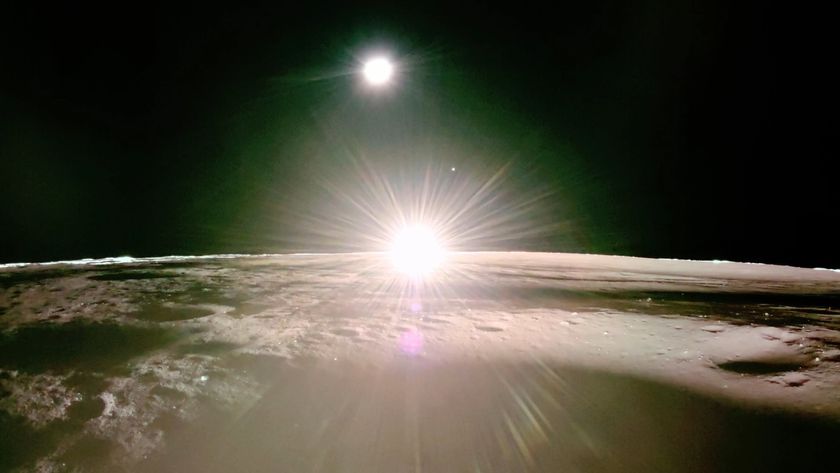
Artistic Why Do Earth's Colors Appear Muted In New Photos From Artemis Ii? Image Nature
Find inspiration with this unique why do earth's colors appear muted in new photos from artemis ii? illustration, crafted to provide a fresh look for your background.

Artistic Why Do Earth's Colors Appear Muted In New Photos From Artemis Ii? Capture Collection
This gorgeous why do earth's colors appear muted in new photos from artemis ii? photo offers a breathtaking view, making it a perfect choice for your next wallpaper.
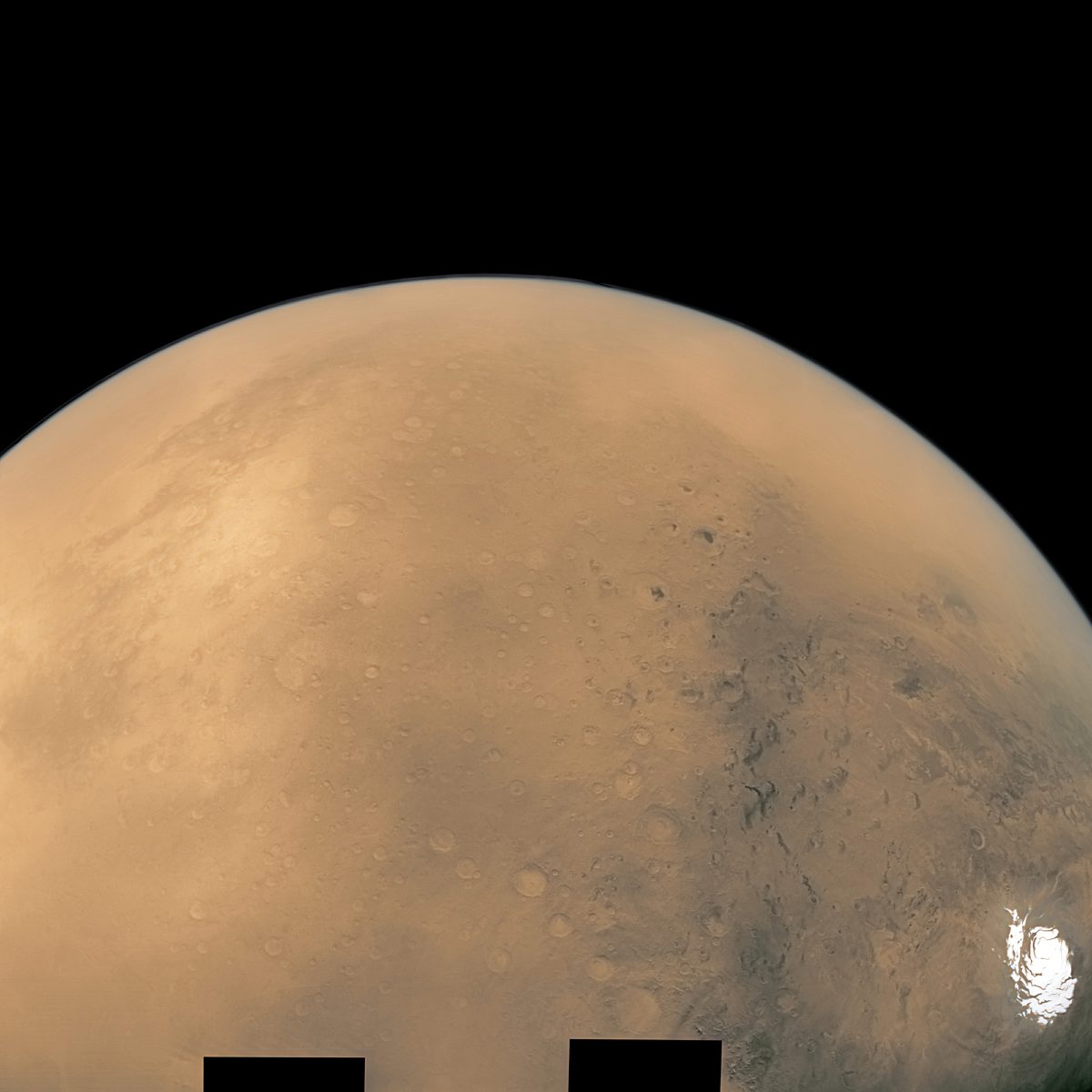
Crisp Why Do Earth's Colors Appear Muted In New Photos From Artemis Ii? Abstract for Mobile
This gorgeous why do earth's colors appear muted in new photos from artemis ii? photo offers a breathtaking view, making it a perfect choice for your next wallpaper.

Spectacular Why Do Earth's Colors Appear Muted In New Photos From Artemis Ii? Background Digital Art
Find inspiration with this unique why do earth's colors appear muted in new photos from artemis ii? illustration, crafted to provide a fresh look for your background.

Beautiful Why Do Earth's Colors Appear Muted In New Photos From Artemis Ii? Artwork for Mobile
Explore this high-quality why do earth's colors appear muted in new photos from artemis ii? image, perfect for enhancing your desktop or mobile wallpaper.
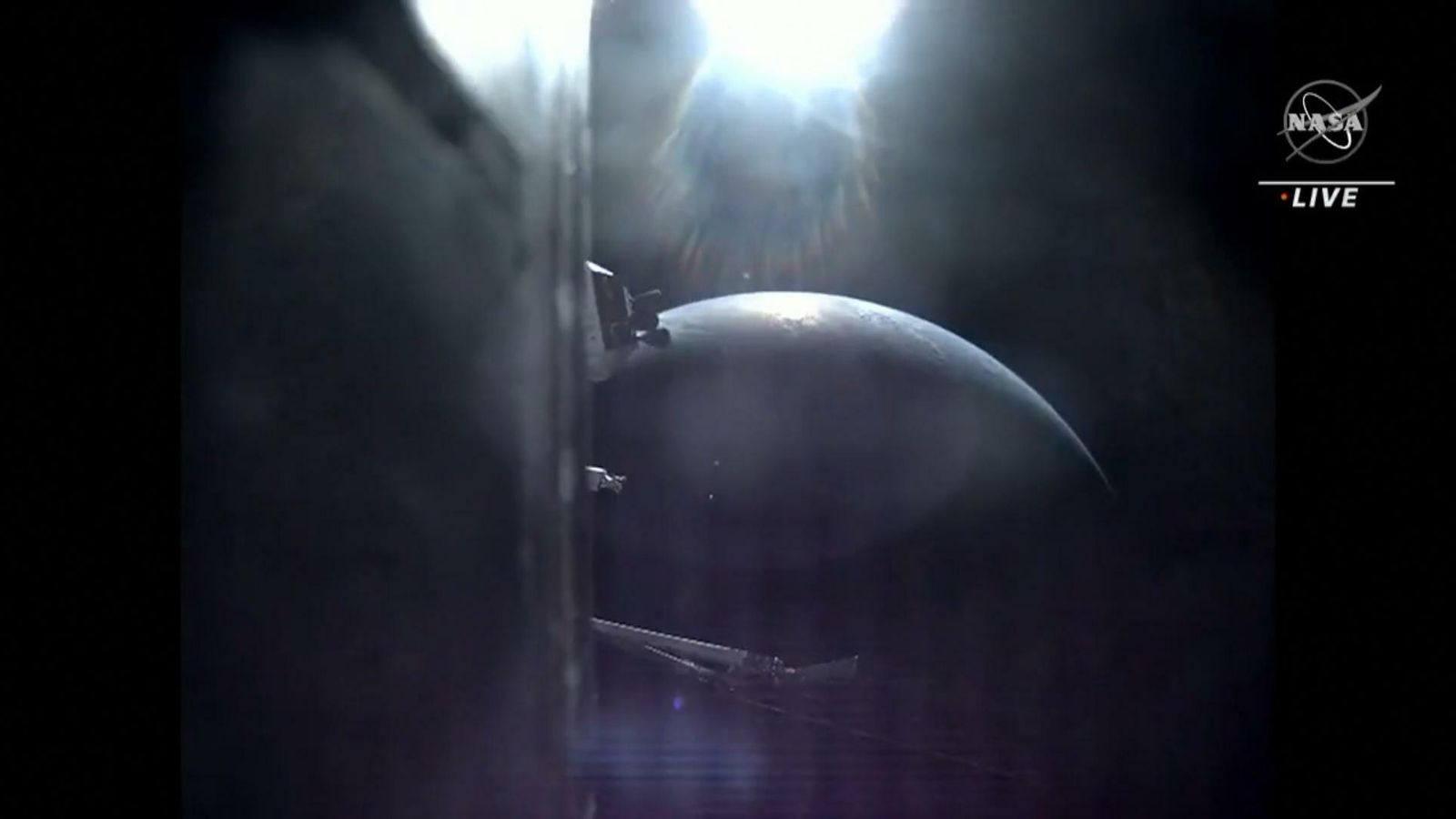
Lush Why Do Earth's Colors Appear Muted In New Photos From Artemis Ii? View Digital Art
Find inspiration with this unique why do earth's colors appear muted in new photos from artemis ii? illustration, crafted to provide a fresh look for your background.
Stunning Why Do Earth's Colors Appear Muted In New Photos From Artemis Ii? Artwork Illustration
Find inspiration with this unique why do earth's colors appear muted in new photos from artemis ii? illustration, crafted to provide a fresh look for your background.

Mesmerizing Why Do Earth's Colors Appear Muted In New Photos From Artemis Ii? Picture for Mobile
Explore this high-quality why do earth's colors appear muted in new photos from artemis ii? image, perfect for enhancing your desktop or mobile wallpaper.

Beautiful Why Do Earth's Colors Appear Muted In New Photos From Artemis Ii? Abstract Digital Art
Discover an amazing why do earth's colors appear muted in new photos from artemis ii? background image, ideal for personalizing your devices with vibrant colors and intricate designs.

Beautiful Why Do Earth's Colors Appear Muted In New Photos From Artemis Ii? Background in HD
Experience the crisp clarity of this stunning why do earth's colors appear muted in new photos from artemis ii? image, available in high resolution for all your screens.

Mesmerizing Why Do Earth's Colors Appear Muted In New Photos From Artemis Ii? Capture for Mobile
Experience the crisp clarity of this stunning why do earth's colors appear muted in new photos from artemis ii? image, available in high resolution for all your screens.
Amazing Why Do Earth's Colors Appear Muted In New Photos From Artemis Ii? Landscape Nature
Experience the crisp clarity of this stunning why do earth's colors appear muted in new photos from artemis ii? image, available in high resolution for all your screens.
Dynamic Why Do Earth's Colors Appear Muted In New Photos From Artemis Ii? Artwork Illustration
Immerse yourself in the stunning details of this beautiful why do earth's colors appear muted in new photos from artemis ii? wallpaper, designed for a captivating visual experience.
Download these why do earth's colors appear muted in new photos from artemis ii? wallpapers for free and use them on your desktop or mobile devices.