Tensions Peak: Trump Proposes Blockade of Iranian Ports Amidst Ceasefire Talks; Tehran Denounces "Modern Piracy"
Tensions Peak: Trump Proposes Blockade of Iranian Ports Amidst Ceasefire Talks; Tehran Denounces "Modern Piracy"
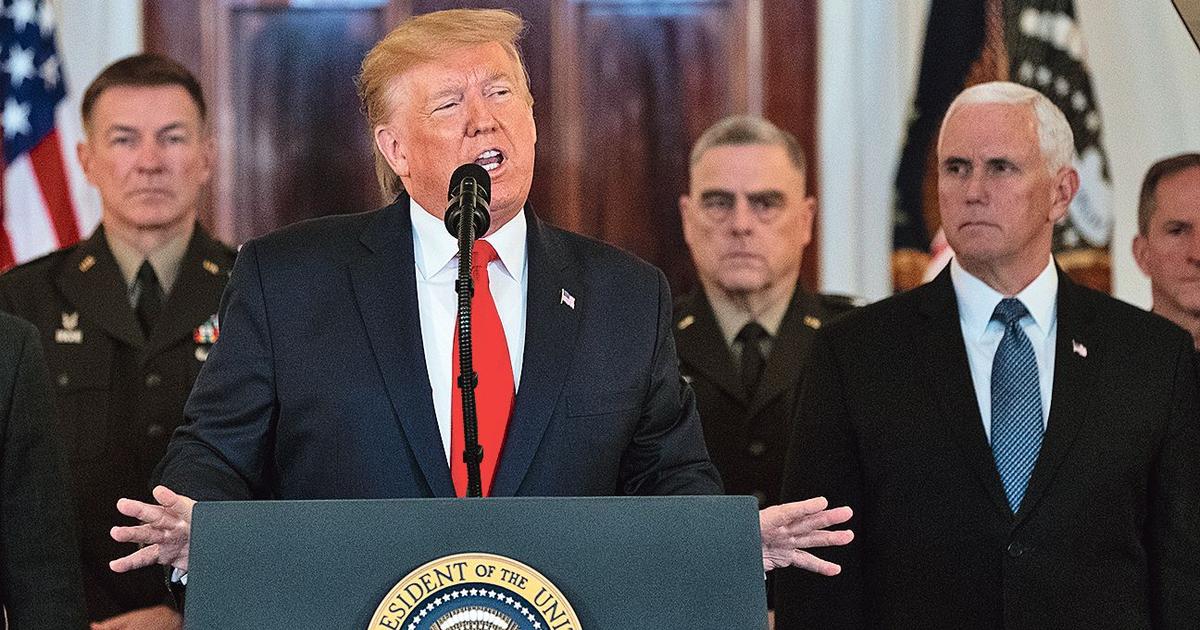
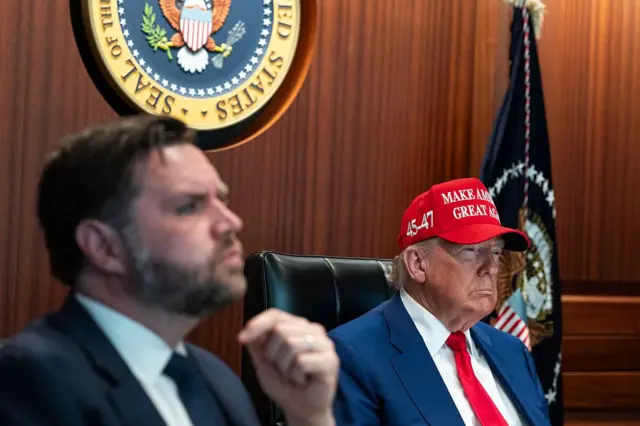
The geopolitical landscape of the Middle East is once again at a boiling point. As discussions surrounding a potential regional ceasefire in Iran and its neighboring territories gain traction, a new and volatile element has been introduced into the equation. Former President Donald Trump, currently leading a significant political movement and eyeing a return to the global stage, has proposed a hardline strategy to "choke off" the Iranian economy by implementing a total naval blockade of its major ports. This move, which aims to halt all oil exports and maritime trade, has sparked a furious response from Tehran. Iranian officials have not minced words, labeling the proposed blockade as an act of "international piracy" and a direct violation of maritime sovereignty. This article explores the intricate details of this developing crisis, the potential economic fallout, and the legal ramifications of such a drastic foreign policy shift.
The Return of "Maximum Pressure": Trump’s Naval Blockade Strategy
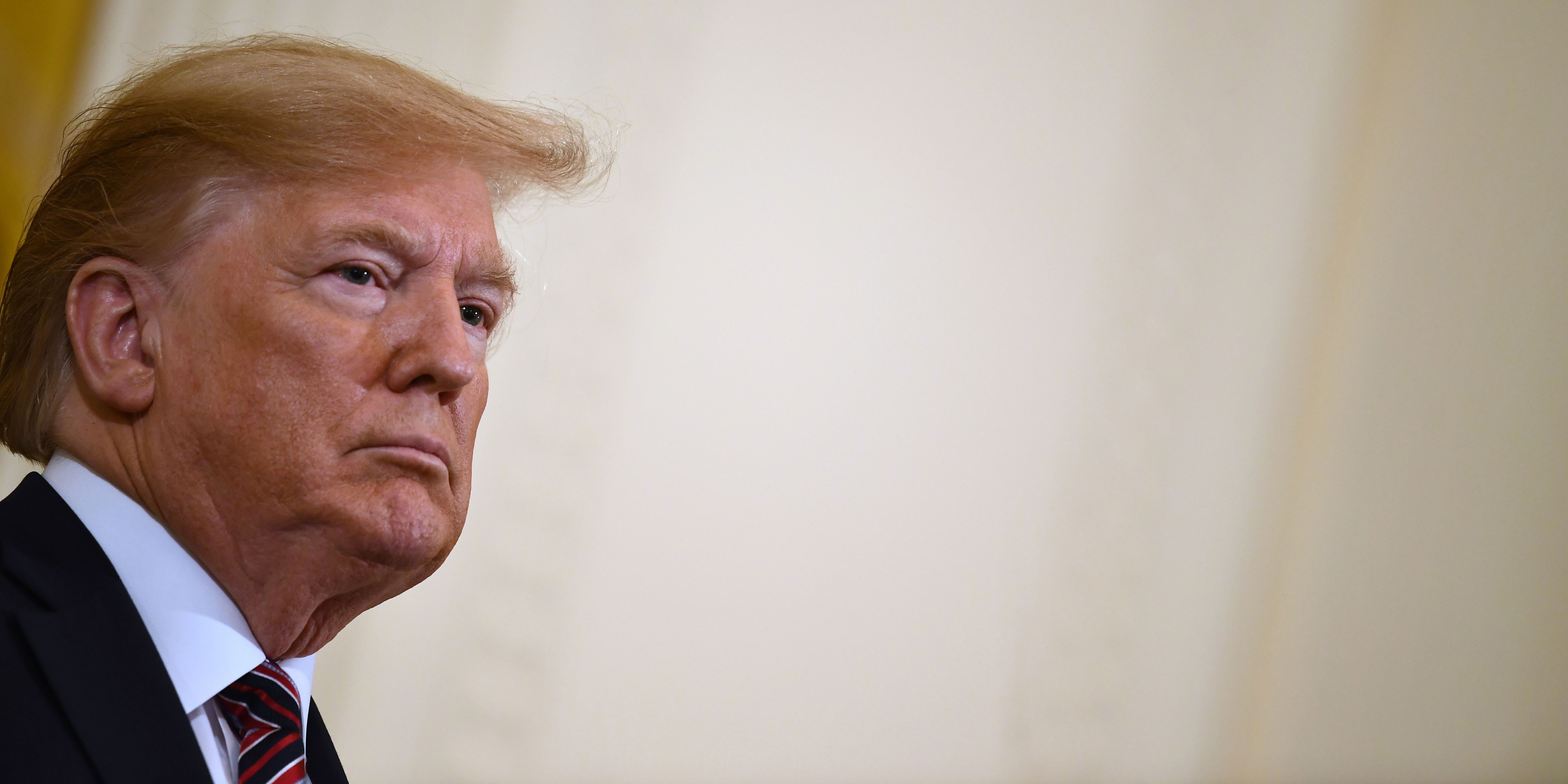
Donald Trump’s "Maximum Pressure" campaign during his first term was characterized by the withdrawal from the JCPOA (Joint Comprehensive Plan of Action) and the imposition of crippling economic sanctions. However, the proposal to physically block Iranian ports represents a significant escalation from economic sanctions to active military interdiction. The core of this strategy lies in the total cessation of Iran’s ability to export crude oil—a lifeline for its national budget.
The logic behind this proposal is to force Tehran into a position of total surrender regarding its nuclear program and regional influence. By stationing naval assets near key maritime hubs like Bandar Abbas and the Strait of Hormuz, the proposed policy would theoretically prevent tankers from leaving Iranian waters. Trump’s camp argues that previous sanctions were "leaky" and allowed Iran to sell oil to secondary markets, particularly China, through "ghost fleets." A physical blockade would, in their view, eliminate these loopholes entirely.
Critics, however, argue that such a move is a de facto declaration of war. A naval blockade is historically and legally recognized as an act of belligerence. For a global superpower to implement such a measure against a sovereign nation without a formal declaration of war or a UN Security Council mandate would be unprecedented in the modern era of international trade.
Tehran’s Response: "State-Sponsored Piracy" and Legal Recourse
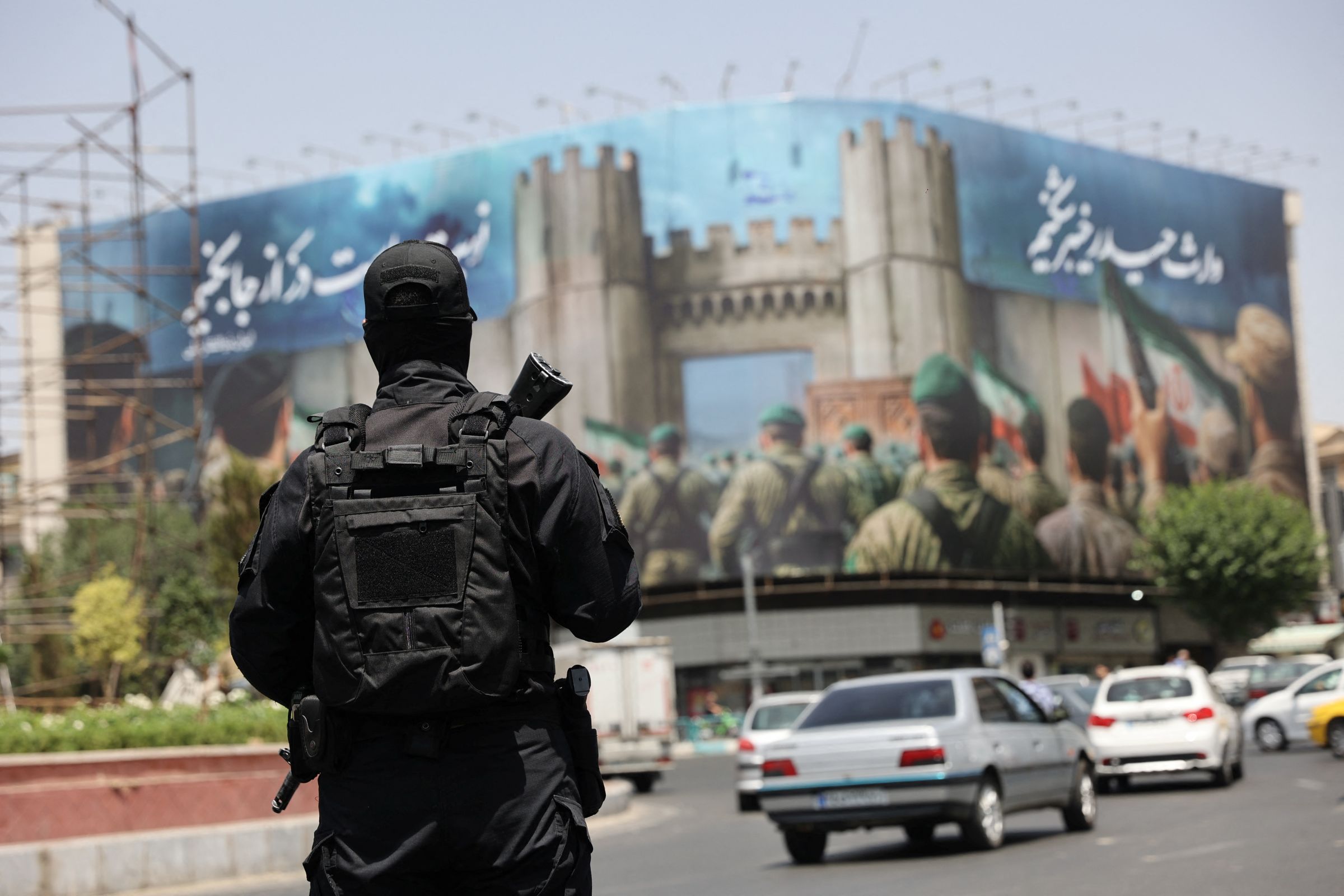
Tehran’s reaction was swift and inflammatory. Iranian Foreign Ministry spokespersons and high-ranking military officials from the Islamic Revolutionary Guard Corps (IRGC) have characterized the blockade proposal as "modern piracy." Under the United Nations Convention on the Law of the Sea (UNCLOS), the right of "innocent passage" and the freedom of navigation are fundamental pillars of international maritime law.
Iran argues that any attempt to impede its commercial shipping in international waters or its own territorial seas is a criminal act. They have warned that if their ports are blocked, the Persian Gulf will not be safe for anyone. This is a thinly veiled threat to the Strait of Hormuz, a narrow waterway through which approximately 20% of the world's total oil consumption passes. If Iran were to retaliate by mining the strait or using its drone and missile battery to target international tankers, the global economy could face a shock worse than the 1973 oil crisis.
Furthermore, Iranian legal experts are preparing to take the matter to the International Court of Justice (ICJ), asserting that the U.S. is violating the Treaty of Amity—a 1955 agreement that, despite decades of hostility, has been cited in previous legal battles between the two nations. For Tehran, this is not just about economics; it is about national dignity and the right to exist as a sovereign economic entity.
| Aspect of the Conflict | Detailed Description |
|---|---|
| Proposed Strategy | A total naval blockade of Iranian ports to halt all maritime trade and oil exports. |
| Iranian Classification | Labeled as "State Piracy" and a violation of international maritime sovereignty. |
| Economic Impact | Potential surge in global oil prices and disruption of the Chinese energy supply chain. |
| Military Risk | High risk of direct naval confrontation in the Strait of Hormuz and the Persian Gulf. |
| Diplomatic Status | Ongoing ceasefire talks are threatened by this new escalation in rhetoric. |
The Impact on the Fragile Iran Ceasefire Negotiations
While the headlines are dominated by talk of blockades, there have been quiet diplomatic efforts to establish a "ceasefire" or a de-escalation period. This ceasefire is not just about direct military conflicts but also concerns the "shadow war" being fought through proxies in Lebanon, Yemen, and Syria. The sudden shift toward a more aggressive U.S. stance complicates these negotiations immensely.
Regional mediators, including Qatar and Oman, have expressed concern that the threat of a blockade removes any incentive for Iran to stay at the negotiating table. If the Iranian leadership perceives that a total economic strangulation is inevitable regardless of their concessions, they may choose to accelerate their nuclear enrichment as a deterrent or increase their support for regional militias to create leverage.
The paradox of the current situation is that while some seek a "Cessez-le-feu" (ceasefire) to stabilize the region, the "Maximum Pressure" rhetoric serves as a catalyst for potential escalation. For a ceasefire to be successful, both parties usually require a "carrot" alongside the "stick." At present, the Iranian side sees only sticks, leading to a defensive and highly volatile posture.
Global Economic Consequences: The Oil Factor
The global market is highly sensitive to any tension in the Persian Gulf. Iran remains one of the world's largest oil producers, and despite sanctions, it exports over 1.5 million barrels per day, with the majority going to China. If a naval blockade were to be successfully implemented, the immediate removal of this volume from the market would cause oil prices to spike, potentially reaching $120 to $150 per barrel.
The China Connection
China is the elephant in the room. As the primary buyer of Iranian oil, a U.S. blockade would not just be an attack on Iran but a direct challenge to Chinese energy security. Beijing has long opposed unilateral sanctions and would likely view a naval blockade as an infringement on its own trade rights. This could lead to a secondary conflict where Chinese naval vessels escort Iranian tankers, setting the stage for a catastrophic superpower confrontation.
Global Inflation and Supply Chains
In an era where many Western nations are already struggling with inflation, a massive spike in energy costs would be devastating. Transport and manufacturing costs would rise, leading to higher prices for consumer goods. The proposal to block ports, therefore, has domestic political risks for the U.S. as well, as American voters are notoriously sensitive to gas prices.
Is it Piracy? The International Law Perspective
The term "piracy" has specific legal definitions under the 1982 UNCLOS. Traditionally, piracy involves non-state actors committing acts of violence for private ends on the high seas. However, the term "State Piracy" is increasingly used by nations to describe what they view as illegal seizures or blockades by other states.
Under international law, a blockade is only legal if it meets several criteria:
- It must be declared and notified to all neutral states.
- It must be effective (actually enforced).
- It must allow for the passage of essential humanitarian goods.
- It must be part of a recognized armed conflict.
Without an official state of war, the international community—including many U.S. allies in Europe—would likely condemn the blockade as a violation of the "Rules-Based International Order." This creates a diplomatic rift between the U.S. and its partners, who prefer diplomatic engagement and targeted sanctions over maritime interdiction.
Strategic Port Focus: Bandar Abbas and Chabahar
To understand the impact of a blockade, one must look at the geography. Bandar Abbas is Iran's most critical port, handling the vast majority of its container traffic and oil shipments. It sits right on the Strait of Hormuz, making it the primary target for any blockade.
Chabahar Port, located on the Indian Ocean, is another strategic point. Interestingly, India has invested heavily in Chabahar to bypass Pakistan and reach markets in Central Asia. A U.S. blockade would put India in a difficult position, forcing one of Washington's key strategic partners to choose between its economic interests and its diplomatic ties with the United States.
The Role of the IRGC Navy
The IRGC Navy specializes in "asymmetric warfare." Unlike the traditional blue-water U.S. Navy, the IRGC uses fast-attack boats, sea mines, and shore-to-ship missiles. In the event of a blockade, they would not attempt a traditional naval battle. Instead, they would likely employ "swarm" tactics to harass blockading vessels, making the cost of maintaining the blockade prohibitively high in terms of both money and potential loss of life.
Conclusion: A Path to Peace or a Prelude to War?
The situation surrounding the potential "Cessez-le-feu en Iran" and the threat of a port blockade is a classic example of high-stakes brinkmanship. On one side, the proposal to block Iranian ports is seen as the ultimate tool to force a regime change or a total policy shift in Tehran. On the other side, it is viewed as a desperate and illegal act of aggression that threatens the very foundation of global trade.
As the rhetoric intensifies, the international community remains on edge. The transition from economic sanctions to a physical naval blockade marks a point of no return. If implemented, the world could see a transformation in maritime security, energy markets, and geopolitical alliances that would last for decades. The challenge for global leaders now is to find a path that ensures regional stability without resorting to tactics that Tehran—and much of the world—labels as "piracy."
Frequently Asked Questions (FAQ)
A naval blockade is an act of war where a belligerent power prevents all vessels of all nations from entering or leaving the coastal areas of an opponent. Under international law, it must be officially declared and applied impartially to be considered valid.
Iran uses the term "piracy" to emphasize that the U.S. is using its military might to disrupt legal commercial shipping in international waters without a legal mandate from the United Nations, which they argue is no different from the actions of criminal pirates.
A blockade would likely lead to a sharp increase in global oil prices. Since oil is a primary component in the production and transport of almost all goods, this would contribute to higher inflation, more expensive gasoline, and increased prices for groceries and consumer electronics.
The UN Security Council could pass a resolution condemning the blockade, but as a permanent member with veto power, the U.S. could block any such resolution. However, the UN General Assembly could still issue a non-binding but diplomatically powerful condemnation.
Final Thoughts
The threat of blocking Iranian ports is more than just a campaign promise or a tactical suggestion; it is a fundamental challenge to the status quo of international relations. While the goal of a nuclear-free and stable Middle East is shared by many, the methods used to achieve it remain deeply divisive. As we move forward, the world will be watching closely to see if diplomacy can prevail over the "drums of war" and if a meaningful ceasefire can be achieved before the maritime routes of the Persian Gulf become a battlefield.
Cessez-le-feu en Iran | Trump veut bloquer les ports iraniens, Téhéran crie à la « piraterie »
Cessez-le-feu en Iran | Trump veut bloquer les ports iraniens, Téhéran crie à la « piraterie » Wallpapers
Collection of cessez-le-feu en iran | trump veut bloquer les ports iraniens, téhéran crie à la « piraterie » wallpapers for your desktop and mobile devices.

Vivid Cessez-le-feu En Iran | Trump Veut Bloquer Les Ports Iraniens, Téhéran Crie À La « Piraterie » Abstract Collection
Discover an amazing cessez-le-feu en iran | trump veut bloquer les ports iraniens, téhéran crie à la « piraterie » background image, ideal for personalizing your devices with vibrant colors and intricate designs.
Vivid Cessez-le-feu En Iran | Trump Veut Bloquer Les Ports Iraniens, Téhéran Crie À La « Piraterie » Background Digital Art
Discover an amazing cessez-le-feu en iran | trump veut bloquer les ports iraniens, téhéran crie à la « piraterie » background image, ideal for personalizing your devices with vibrant colors and intricate designs.

Crisp Cessez-le-feu En Iran | Trump Veut Bloquer Les Ports Iraniens, Téhéran Crie À La « Piraterie » Capture Art
Find inspiration with this unique cessez-le-feu en iran | trump veut bloquer les ports iraniens, téhéran crie à la « piraterie » illustration, crafted to provide a fresh look for your background.
Amazing Cessez-le-feu En Iran | Trump Veut Bloquer Les Ports Iraniens, Téhéran Crie À La « Piraterie » Scene Collection
Explore this high-quality cessez-le-feu en iran | trump veut bloquer les ports iraniens, téhéran crie à la « piraterie » image, perfect for enhancing your desktop or mobile wallpaper.

Spectacular Cessez-le-feu En Iran | Trump Veut Bloquer Les Ports Iraniens, Téhéran Crie À La « Piraterie » Image Illustration
Find inspiration with this unique cessez-le-feu en iran | trump veut bloquer les ports iraniens, téhéran crie à la « piraterie » illustration, crafted to provide a fresh look for your background.
Spectacular Cessez-le-feu En Iran | Trump Veut Bloquer Les Ports Iraniens, Téhéran Crie À La « Piraterie » View Illustration
A captivating cessez-le-feu en iran | trump veut bloquer les ports iraniens, téhéran crie à la « piraterie » scene that brings tranquility and beauty to any device.

Gorgeous Cessez-le-feu En Iran | Trump Veut Bloquer Les Ports Iraniens, Téhéran Crie À La « Piraterie » Artwork in 4K
Immerse yourself in the stunning details of this beautiful cessez-le-feu en iran | trump veut bloquer les ports iraniens, téhéran crie à la « piraterie » wallpaper, designed for a captivating visual experience.

Dynamic Cessez-le-feu En Iran | Trump Veut Bloquer Les Ports Iraniens, Téhéran Crie À La « Piraterie » Artwork Photography
This gorgeous cessez-le-feu en iran | trump veut bloquer les ports iraniens, téhéran crie à la « piraterie » photo offers a breathtaking view, making it a perfect choice for your next wallpaper.
High-Quality Cessez-le-feu En Iran | Trump Veut Bloquer Les Ports Iraniens, Téhéran Crie À La « Piraterie » Scene in HD
Transform your screen with this vivid cessez-le-feu en iran | trump veut bloquer les ports iraniens, téhéran crie à la « piraterie » artwork, a true masterpiece of digital design.

Stunning Cessez-le-feu En Iran | Trump Veut Bloquer Les Ports Iraniens, Téhéran Crie À La « Piraterie » Picture Concept
Find inspiration with this unique cessez-le-feu en iran | trump veut bloquer les ports iraniens, téhéran crie à la « piraterie » illustration, crafted to provide a fresh look for your background.

Breathtaking Cessez-le-feu En Iran | Trump Veut Bloquer Les Ports Iraniens, Téhéran Crie À La « Piraterie » Landscape in HD
Discover an amazing cessez-le-feu en iran | trump veut bloquer les ports iraniens, téhéran crie à la « piraterie » background image, ideal for personalizing your devices with vibrant colors and intricate designs.

Gorgeous Cessez-le-feu En Iran | Trump Veut Bloquer Les Ports Iraniens, Téhéran Crie À La « Piraterie » Abstract Photography
A captivating cessez-le-feu en iran | trump veut bloquer les ports iraniens, téhéran crie à la « piraterie » scene that brings tranquility and beauty to any device.
Gorgeous Cessez-le-feu En Iran | Trump Veut Bloquer Les Ports Iraniens, Téhéran Crie À La « Piraterie » Landscape Illustration
A captivating cessez-le-feu en iran | trump veut bloquer les ports iraniens, téhéran crie à la « piraterie » scene that brings tranquility and beauty to any device.
Stunning Cessez-le-feu En Iran | Trump Veut Bloquer Les Ports Iraniens, Téhéran Crie À La « Piraterie » Artwork Concept
A captivating cessez-le-feu en iran | trump veut bloquer les ports iraniens, téhéran crie à la « piraterie » scene that brings tranquility and beauty to any device.
Vibrant Cessez-le-feu En Iran | Trump Veut Bloquer Les Ports Iraniens, Téhéran Crie À La « Piraterie » Wallpaper for Mobile
Explore this high-quality cessez-le-feu en iran | trump veut bloquer les ports iraniens, téhéran crie à la « piraterie » image, perfect for enhancing your desktop or mobile wallpaper.
Serene Cessez-le-feu En Iran | Trump Veut Bloquer Les Ports Iraniens, Téhéran Crie À La « Piraterie » Wallpaper Photography
Experience the crisp clarity of this stunning cessez-le-feu en iran | trump veut bloquer les ports iraniens, téhéran crie à la « piraterie » image, available in high resolution for all your screens.
Crisp Cessez-le-feu En Iran | Trump Veut Bloquer Les Ports Iraniens, Téhéran Crie À La « Piraterie » Wallpaper in HD
Find inspiration with this unique cessez-le-feu en iran | trump veut bloquer les ports iraniens, téhéran crie à la « piraterie » illustration, crafted to provide a fresh look for your background.

Exquisite Cessez-le-feu En Iran | Trump Veut Bloquer Les Ports Iraniens, Téhéran Crie À La « Piraterie » Abstract Collection
Immerse yourself in the stunning details of this beautiful cessez-le-feu en iran | trump veut bloquer les ports iraniens, téhéran crie à la « piraterie » wallpaper, designed for a captivating visual experience.
Detailed Cessez-le-feu En Iran | Trump Veut Bloquer Les Ports Iraniens, Téhéran Crie À La « Piraterie » Picture in HD
Transform your screen with this vivid cessez-le-feu en iran | trump veut bloquer les ports iraniens, téhéran crie à la « piraterie » artwork, a true masterpiece of digital design.
Vibrant Cessez-le-feu En Iran | Trump Veut Bloquer Les Ports Iraniens, Téhéran Crie À La « Piraterie » Image Illustration
Discover an amazing cessez-le-feu en iran | trump veut bloquer les ports iraniens, téhéran crie à la « piraterie » background image, ideal for personalizing your devices with vibrant colors and intricate designs.
Download these cessez-le-feu en iran | trump veut bloquer les ports iraniens, téhéran crie à la « piraterie » wallpapers for free and use them on your desktop or mobile devices.